 Uncorked Conversations
Introduction: The Rise of Personal Winemaker Stories in 2026 Wine Tourism
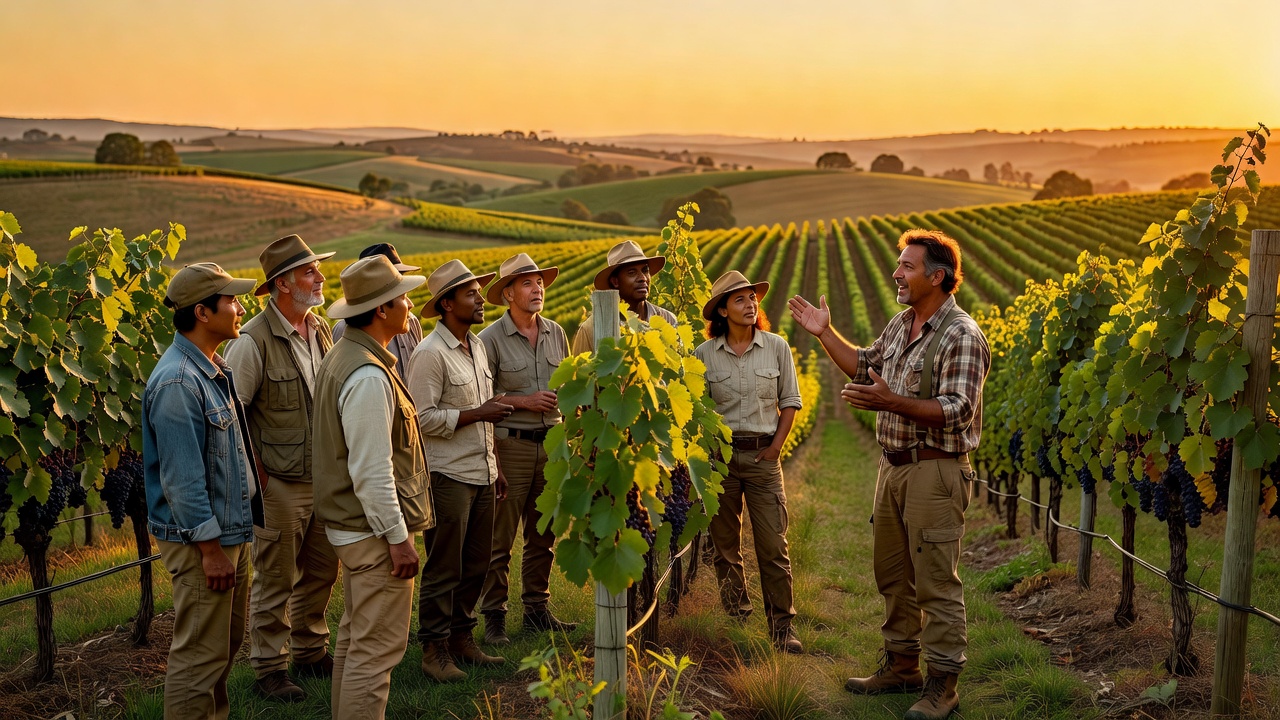
Wine tourism in 2026 is evolving beyond classic tasting rooms and established chateaus. Travelers now seek authentic encounters that generate fresh winemaker stories, blending sustainable practices with personal narratives. This shift emphasizes experiential wine history in lesser-known areas, where visitors help shape legends through direct interactions rather than relying on ancient myths. Forward-looking trends highlight sustainable tourism, connecting global explorers with small-scale producers who share their journeys. By focusing on these human elements, wine enthusiasts can discover stories that feel alive and relevant today. The emphasis on emerging regions allows for narratives centered on climate adaptation, community involvement, and innovative techniques that traditional wine regions have long overshadowed.
Experiential wine history means going beyond tasting notes to understand the daily realities of winemaking. In 2026, this includes witnessing how producers respond to global challenges like changing weather patterns. Travelers become co-creators of these tales, documenting moments that might otherwise remain private. This approach fosters a deeper appreciation for wine as a living cultural practice rather than a static product.
Selecting Destinations with Untold Winemaker Stories
Emerging regions offer the best opportunities for original tales. Look beyond Napa or Bordeaux to places like the lesser-visited corners of Portugal's Douro Valley or South Africa's Swartland. These areas feature vineyards where winemakers experiment with climate-resilient grapes and regenerative farming. Additional promising spots include the highlands of Georgia, where ancient qvevri methods meet modern sustainability, and the volcanic soils of the Canary Islands, where small producers share stories of isolation and resilience. Research destinations prioritizing eco-friendly tourism. Sustainable operations often include solar-powered cellars and biodiversity programs, creating narratives around environmental stewardship that travelers can witness firsthand.
Steps for Researching Emerging Spots
- Review regional tourism boards for 2026 sustainability certifications and eco-label programs.
- Identify vineyards hosting small-group visits focused on storytelling sessions rather than large commercial tastings.
- Check for off-season options to avoid crowds and enable deeper conversations with winemakers.
- Consult traveler forums and recent reports from organizations like the United Nations World Tourism Organization for insights into responsible destinations.
Choosing the right destination involves balancing accessibility with authenticity. Prioritize areas where tourism directly supports local economies without overwhelming producers. This ensures your visit contributes positively to the unfolding winemaker stories.
Practical Steps for Engaging Winemakers During Visits
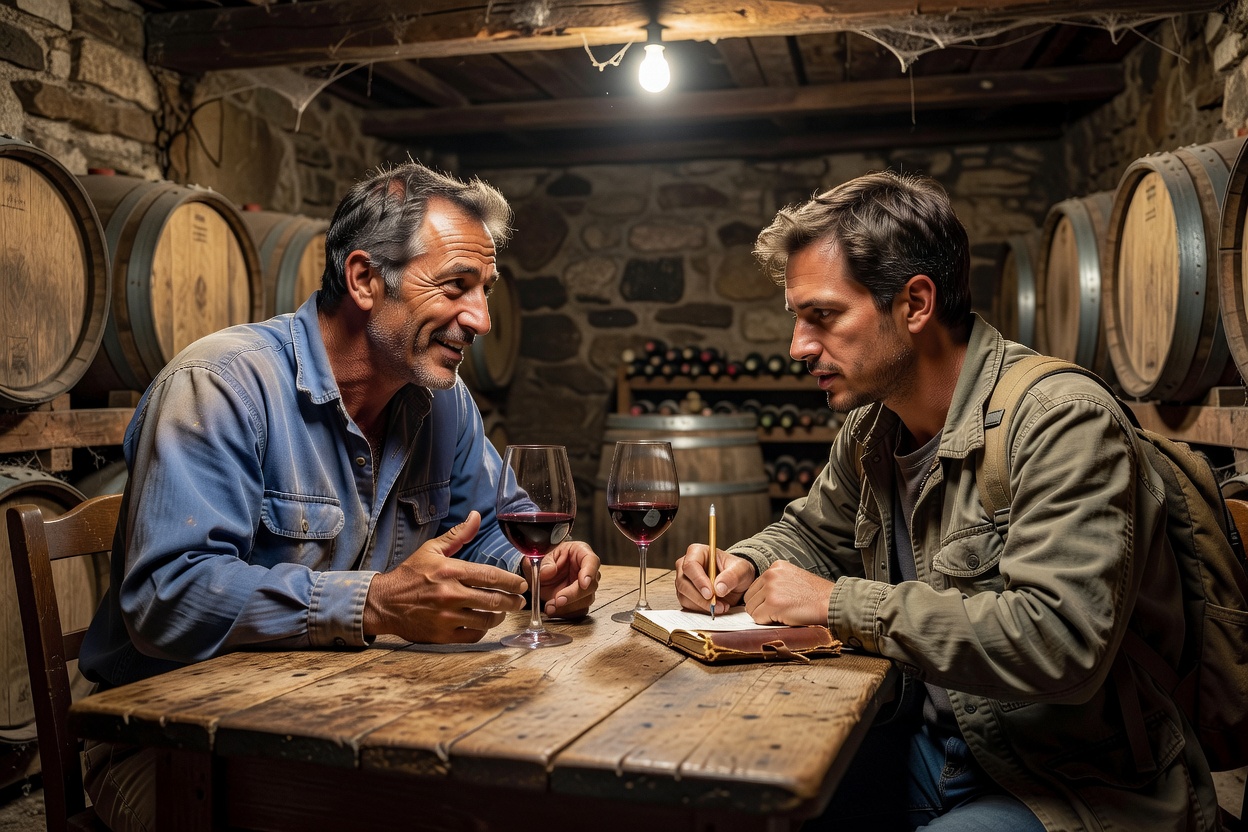
Meaningful engagement starts with preparation. Contact wineries in advance to request personalized tours that include time with the makers themselves. Ask open-ended questions about their challenges, such as adapting to shifting weather patterns or reviving forgotten varietals. Bring a notebook or digital recorder to capture nuances like the reasoning behind a specific fermentation method or a family anecdote tied to a particular vintage.
During the visit, listen actively and take notes on unique details like family traditions or innovative techniques. This approach transforms a standard tasting into a collaborative story-building experience. Follow up with thank-you notes or social shares that highlight the winemaker's voice, which often leads to ongoing connections and updated stories on future visits. Consider joining guided sustainable tours that incorporate hands-on elements, such as assisting with light vineyard tasks, to build rapport naturally.
Comparison: Tourist-Driven Tales vs Traditional Wine History
Traditional wine history often revolves around centuries-old rivalries and myths passed down through generations. In contrast, tourist-driven tales in 2026 arise from real-time encounters, such as a visitor suggesting a new label design that a winemaker later adopts. These modern narratives feel dynamic because they incorporate external perspectives. For example, a traveler's account of tasting a zero-waste wine might inspire the producer to document and share that feedback publicly, evolving the story organically.
Traditional accounts tend to emphasize legendary figures and fixed lore, while tourist-driven versions highlight adaptability and collaboration. The result is a richer tapestry where personal interactions add layers that static history books cannot capture. This comparison shows how 2026 wine tourism democratizes storytelling, allowing everyday visitors to influence the legends that future generations will reference.
Real-World Examples from Lesser-Known Vineyards
Consider a small estate in Chile's Itata Valley, where a young winemaker revived pre-industrial methods after conversations with eco-tourists. Their story now includes how visitor input led to community-led harvest events that promote local biodiversity. In another case from Slovenia's Brda region, sustainable tourism initiatives have helped document oral histories from older generations, turning private family lore into shared digital narratives accessible to future visitors.
Further examples include a family-run property in Armenia's Areni region, where travelers helped publicize efforts to protect indigenous grape varieties through shared videos and blog posts. In New Zealand's lesser-known Central Otago sub-regions, winemakers have incorporated tourist feedback on packaging sustainability into their operations, creating evolving stories of innovation. These cases illustrate how individual encounters can scale into broader movements within the wine community.
Checklist for Documenting Encounters
Use this practical checklist to capture and share your experiences effectively:
- Prepare a dedicated notebook or app for jotting sensory details and quotes immediately after conversations.
- Photograph key moments with permission, focusing on the winemaker's expressions and vineyard surroundings rather than just bottles.
- Record short voice memos summarizing the core theme of each story while details remain fresh.
- Cross-reference your notes with public sources for accuracy before publishing.
- Share ethically by crediting the winemaker and obtaining consent for any online posts.
- Organize materials by theme, such as sustainability practices or personal background, for easier compilation into articles or presentations.
FAQ: Turning Wine Trips into Shareable Stories
How can I ensure my stories respect winemaker privacy?
Always ask for explicit permission before sharing personal details. Focus on general themes like sustainable methods rather than sensitive business information.
What role does sustainability play in 2026 wine stories?
Sustainable tourism links directly to narratives of resilience, such as water conservation efforts or biodiversity projects that travelers witness and amplify through their accounts. See UNWTO resources for global guidelines.
Are there tools to help organize my documented stories?
Simple digital platforms allow tagging entries by region or theme, making it easy to compile them into blogs or presentations later.
Can beginners without wine expertise still create compelling narratives?
Yes, fresh perspectives from newcomers often highlight overlooked aspects, adding unique value to the winemaker's own telling.
How do I find winemakers open to sharing personal stories?
Look for small estates advertising intimate visits or those affiliated with sustainable tourism networks. Direct emails expressing genuine interest in their journey often yield positive responses.
Conclusion: Embracing the Future of Wine Narratives
Wine tourism in 2026 invites everyone to participate in crafting winemaker stories that celebrate innovation and connection. By choosing emerging destinations, engaging thoughtfully, and documenting responsibly, travelers contribute to a living archive of sustainable experiences. Start planning your next adventure to become part of these evolving legends and help preserve the personal histories that define the future of wine.
No comments yet. Be the first!