 Uncorked Conversations
Introduction to Digital Wine Heritage Preservation
In 2026, preserving the rich narratives of winemakers and legendary vineyards requires blending traditional storytelling with cutting-edge technology. Digital archives safeguard oral histories, photos, tasting notes, and cultural insights against physical decay, ensuring future generations can access authentic wine legacies. This guide provides practical steps for enthusiasts, small vineyard owners, and archivists to build robust systems that prioritize security, accessibility, and longevity. As climate change and generational shifts threaten traditional records, digital solutions offer resilient alternatives that allow global audiences to explore wine history interactively. Modern tools enable seamless integration of multimedia, making archives not just repositories but interactive experiences. Whether documenting family-run estates or global wine icons, the focus remains on authenticity and user-friendly design that respects the emotional weight of these stories.
Selecting the Right Archival Platforms
Choosing a platform forms the foundation of any digital vault. Options range from cloud-based services with strong encryption to open-source solutions tailored for cultural heritage. Evaluate based on scalability, data ownership, and integration capabilities. For wine-specific needs, platforms supporting metadata tagging for vintages and regions prove invaluable. Popular choices include secure cloud environments that comply with preservation standards and dedicated heritage management systems. Consider factors such as API compatibility for future expansions and the ability to handle large media files without quality loss. Small operations often benefit from platforms that allow easy collaboration among family members or researchers. Always verify that the chosen service offers regular updates and transparent data policies to avoid vendor lock-in. Real-world applications show small vineyards thriving with hybrid setups that combine local storage and cloud redundancy for maximum protection.
Digitizing Oral Histories Effectively
Oral histories capture the human element behind every bottle. Begin by recording interviews with high-quality audio equipment, then transcribe using AI-assisted tools for accuracy. Segment recordings by themes such as harvest techniques or family traditions to enhance searchability. Conduct interviews in comfortable settings to encourage detailed recollections, and use multiple microphones to capture nuances in tone and emotion. Post-processing involves noise reduction and timestamping for easy reference. Best practices involve obtaining consent forms and storing originals separately from edited versions. This process transforms fleeting conversations into permanent digital assets that enrich the archive's depth. Enthusiasts can start with smartphone recordings for initial captures before upgrading to professional gear, ensuring even modest projects yield professional results over time.
Integrating Multimedia Elements
Photos, videos, and tasting notes bring stories to life. Embed high-resolution images with contextual captions and link notes to specific vintages for immersive browsing. 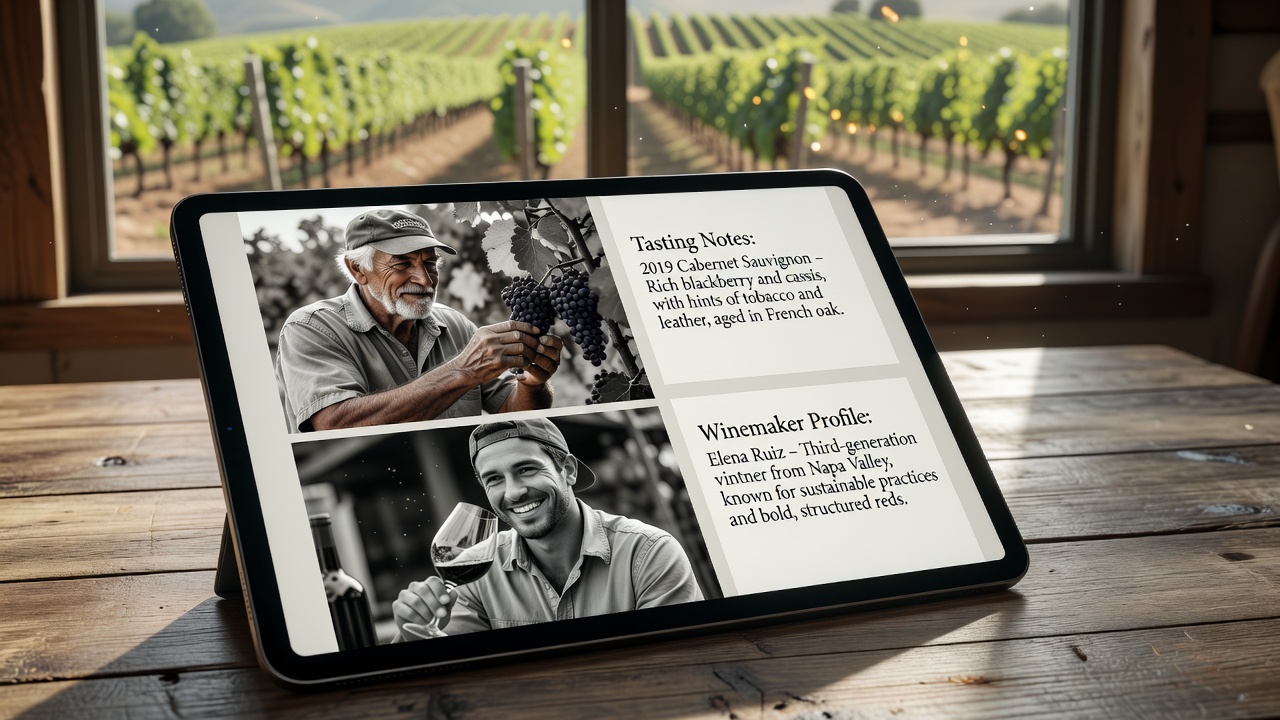
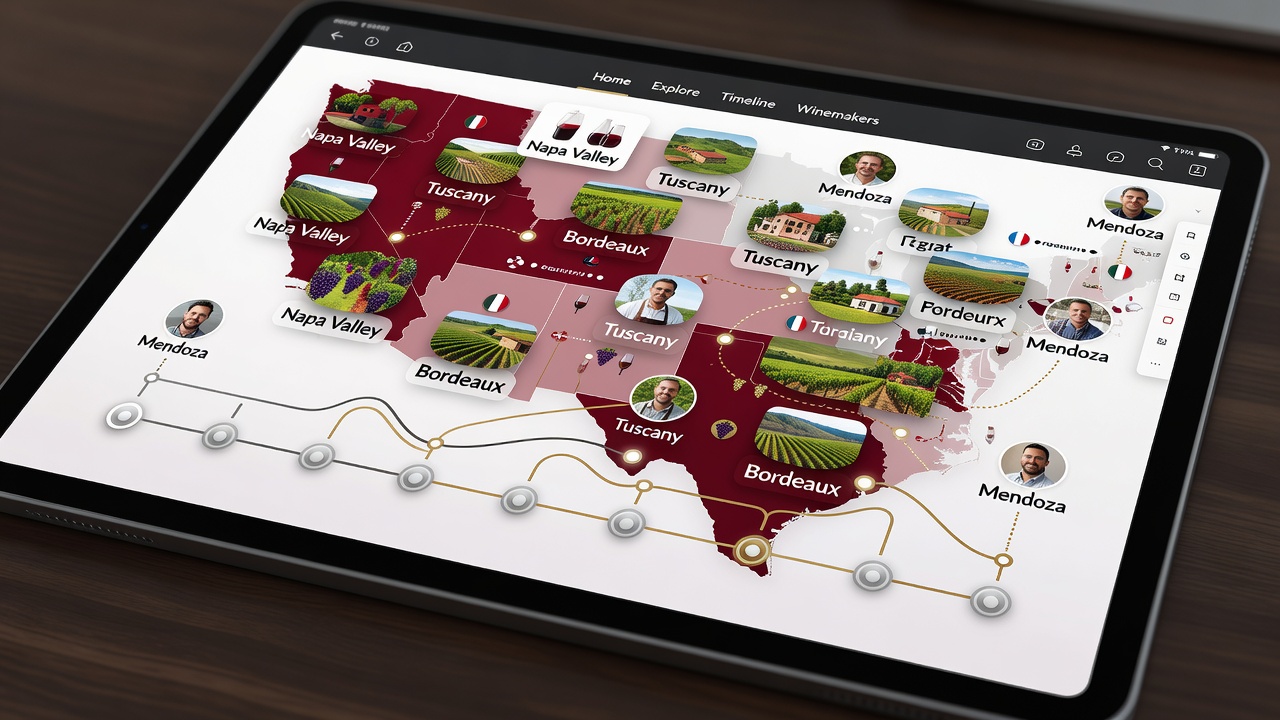
Multimedia integration demands attention to file formats and compression to balance quality with performance. Advanced users can add interactive maps of vineyard locations or timelines of wine-making milestones. Include scanned labels, soil analysis charts, and seasonal weather data to provide comprehensive context. Ensure all elements are tagged with searchable keywords related to grape varieties and production years. This layered approach turns a simple archive into an educational resource that appeals to both casual visitors and serious scholars studying wine evolution.
Free Versus Paid Tools: A Practical Comparison
Free tools like basic cloud storage offer entry points but often lack advanced security features. Paid platforms provide enhanced encryption, automated backups, and dedicated support, making them suitable for professional use. The choice depends on archive size and required features rather than cost alone. Free options suit hobbyists with smaller collections, while paid services handle growing demands from collaborative teams. Key differences appear in customization levels and export flexibility. Users should trial multiple systems to match their workflow. Community forums frequently highlight reliability differences that influence long-term decisions.
- Assess storage limits and collaboration options before selection.
- Test user interfaces with sample data before committing to a full rollout.
- Review community feedback for reliability insights and hidden limitations.
- Compare backup frequency and recovery speed across options.
Step-by-Step Setup Instructions
Start by auditing existing materials to identify gaps in your collection. Then select and configure your platform with appropriate security settings. Upload digitized files using consistent naming conventions that include dates and subjects. Add detailed metadata tags covering locations, people, and themes. Establish access permissions based on user roles such as public, contributors, or administrators. Regular audits ensure ongoing integrity while scheduled backups protect against data loss. Follow testing phases with sample users to refine navigation and search functions. Document the entire process thoroughly for future reference and team training. This methodical approach minimizes errors and creates a sustainable foundation that scales with your archive's growth.
Real-World Examples from Small Vineyards
A family estate in Napa successfully archived three generations of stories using a combination of open-source software and secure cloud services. Their collection includes scanned ledgers and video interviews now accessible via a private portal for researchers. Similar projects in European regions demonstrate how modest operations can create impactful vaults that attract enthusiasts and support educational outreach. Another example comes from a boutique winery in Oregon that integrated tasting notes with geospatial data to illustrate terroir influences across decades. These cases highlight the importance of starting small and iterating based on feedback from early users. Such archives have even facilitated partnerships with universities for further historical analysis.
Ensuring Long-Term Accessibility and Security
Long-term success requires adherence to open file standards and periodic technology migrations. Implement multi-factor authentication and regular security training for all contributors. Monitor emerging formats to prevent obsolescence and maintain compatibility with future devices. Collaborate with digital preservation experts when scaling collections to incorporate best practices from institutions like the Library of Congress. These strategies protect against both technical failures and unauthorized access while keeping content discoverable for decades.
Conclusion
Building digital archives for winemaker stories in 2026 empowers the preservation of wine culture. By following structured approaches to platforms, digitization, and multimedia, creators ensure these legacies endure. Embrace these methods to contribute meaningfully to the global tapestry of wine history and inspire future generations of vintners and connoisseurs alike.
FAQs on Data Privacy and Long-Term Accessibility
How can data privacy be maintained? Use end-to-end encryption and comply with regulations like GDPR for international access while regularly reviewing permissions.
What ensures long-term accessibility? Adopt open standards and conduct periodic format migrations to avoid obsolescence as technology evolves.
Are there risks with cloud-based archives? Yes, but choosing providers with strong compliance records and maintaining local backups mitigates most concerns effectively.
How often should archives be updated? Perform quarterly reviews to incorporate new materials and verify existing content integrity for optimal results.
No comments yet. Be the first!