 Uncorked Conversations
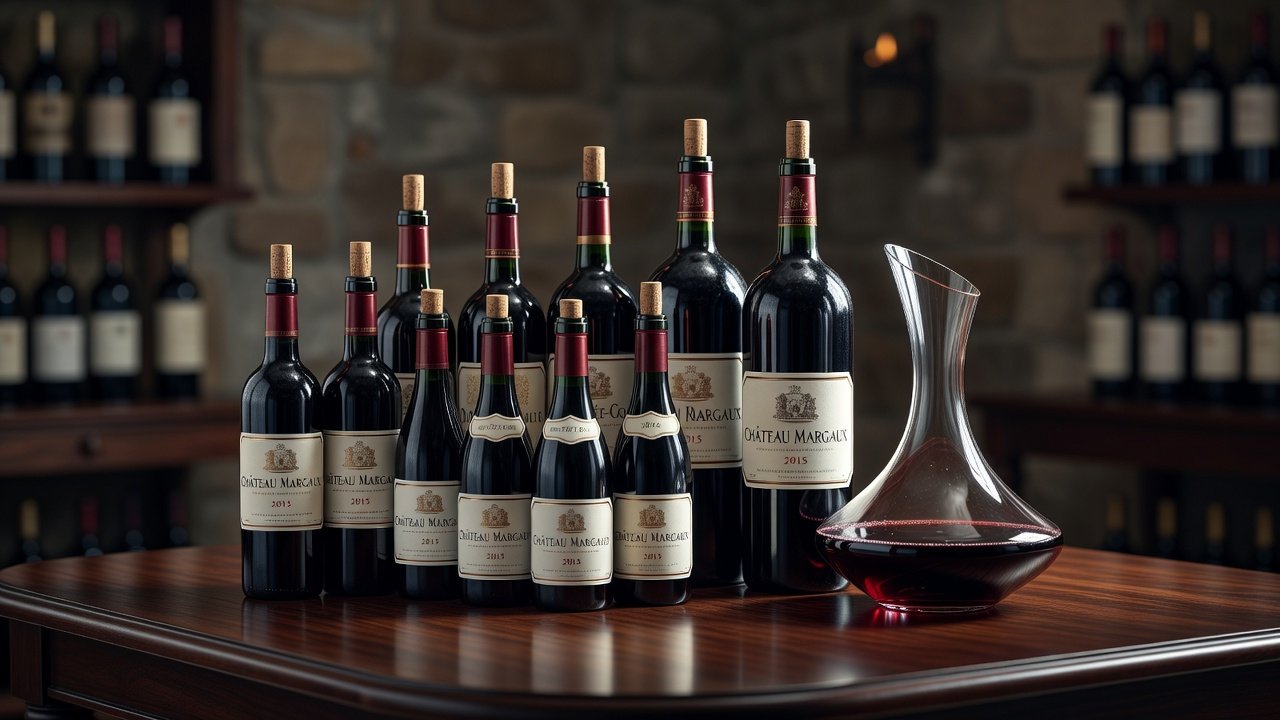
Sommelier Tips: Decanting Times by Bottle Size Explained
Decanting wine allows oxygen to interact with the liquid, softening tannins and unlocking complex aromas that might otherwise remain hidden. While many wine enthusiasts master the process for standard 750ml bottles, scaling up to magnums and large-format bottles introduces important adjustments. Larger volumes change how quickly oxygen permeates the wine, requiring extended times and careful attention to detail. This guide provides practical, in-depth advice tailored for home sommeliers and professionals looking to refine their service skills with bottles of varying sizes.
Why Larger Bottles Require Longer Aeration
The surface area-to-volume ratio determines aeration speed. A standard 750ml bottle, when poured into a wide decanter, exposes a greater proportion of wine to oxygen quickly. Magnums at 1.5 liters and formats such as double magnums at 3 liters or jeroboams at 5 liters contain significantly more liquid, reducing the relative surface exposed during decanting. Oxygen diffuses more slowly through the greater volume, which is why these bottles often need double or triple the aeration time of their smaller counterparts. This principle holds especially true for young, tannic reds that benefit from gradual softening rather than rushed exposure. Sommeliers observe that rushing the process with large bottles leaves wines tasting tight and unexpressive, while proper timing reveals layers of fruit, earth, and spice. Factors like bottle age also influence outcomes, as older wines in large formats have already undergone slow evolution inside the glass and may require less aggressive aeration overall.
Professional resources such as Decanter magazine highlight how volume differences compound over time, making patience essential for consistent results across formats.
Ideal Decanting Times by Bottle Size
Decanting times serve as reliable benchmarks but should always be adjusted based on vintage, grape variety, and storage conditions. Use these ranges as starting points compared against the familiar 750ml standard:
- 750ml bottle: 30–60 minutes for structured young Cabernet Sauvignon or Bordeaux blends; 15–30 minutes for elegant Pinot Noir or lighter reds. This remains the most common reference point for daily service.
- Magnum (1.5L): 60–120 minutes for powerful reds; 30–60 minutes for delicate varieties. The doubled volume typically doubles the required time to achieve comparable openness.
- Double Magnum (3L) and Jeroboam (5L): 90–180 minutes for most age-worthy reds. Very old large-format bottles may need only 45–90 minutes to prevent over-oxidation while still allowing aromatic development.
- Even larger formats (6L+): Extend times to 120–240 minutes, tasting at intervals to avoid flattening delicate profiles.
Always taste the wine every 15–20 minutes once the minimum time has passed. Guides from Wine Enthusiast stress beginning checks early rather than waiting until the upper limit.
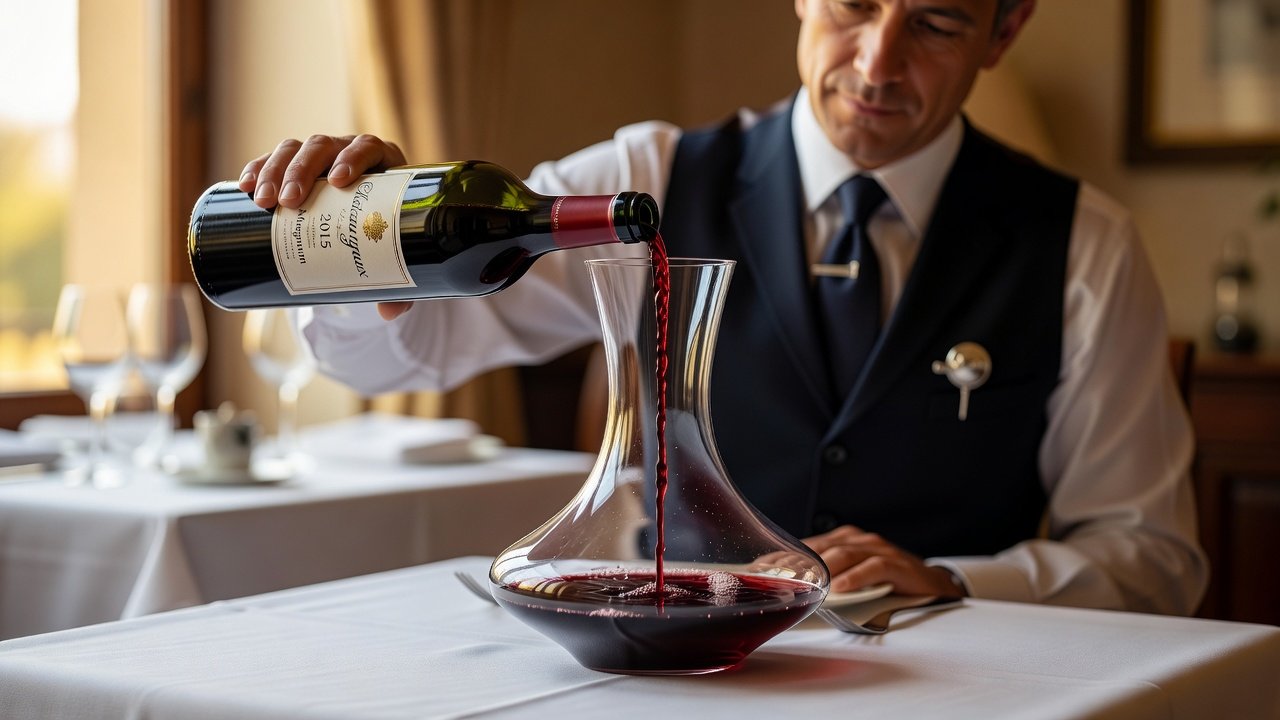
Maintaining Temperature Stability During Decanting
Temperature consistency protects the wine’s integrity throughout the aeration process. Ideal serving temperatures range between 55–65°F for reds, matching typical cellar conditions. Sudden warmth can accelerate oxidation undesirably, while cold environments slow the desired chemical reactions. For large-format bottles, the greater thermal mass helps maintain stability once the wine is decanted, but the initial transfer requires care. Keep both bottle and decanter away from direct sunlight, heaters, or kitchen heat sources. If the room temperature exceeds 70°F, place the decanter inside a cool water bath or wine sleeve to regulate conditions gradually. Using a digital thermometer to monitor the wine every 30 minutes ensures precision, especially when preparing multiple bottles for a dinner service.
Risks of Over-Decanting and How to Avoid Them
Over-aeration flattens fruit aromas and strips nuance, turning vibrant wines into one-dimensional shadows of themselves. While large-format bottles resist this risk longer due to slower oxygen uptake, once wine reaches the decanter the exposed surface area increases dramatically. Delicate varieties such as Pinot Noir or aged Nebbiolo suffer first, often losing vibrancy within an hour of peak openness. Cabernet Sauvignon and Syrah tolerate longer exposure but can still develop sherry-like notes if left unchecked. Practical prevention includes setting a timer, tasting frequently, and recorking the decanter loosely if the wine reaches ideal expression before serving time. Storing the decanter in a cool, dark cabinet between pours further reduces risk.
Step-by-Step Pouring Techniques for Different Sizes
Adapt these techniques from standard bottles to larger formats for reliable results:
- Stand upright for at least 24 hours beforehand to allow sediment to settle at the base.
- Select a decanter with a wide base and narrow neck to maximize surface area without excessive splashing.
- Position a light source behind the bottle neck to monitor sediment during the pour.
- Pour in a slow, continuous stream, stopping immediately when sediment approaches the shoulder.
- Swirl the decanter gently at 15-minute intervals to promote even oxygen contact.
- For magnums and larger, enlist a second person to steady the bottle if necessary due to weight.
These steps scale directly but demand extra care with heavier bottles to maintain control and precision.
Varietal Examples Across Bottle Sizes
Young Cabernet Sauvignon from a 750ml bottle typically needs 45–60 minutes, while the identical wine in a magnum benefits from 90–120 minutes to tame powerful tannins. Pinot Noir, more fragile by nature, requires only 20 minutes in standard bottles and 40–60 minutes in magnums to preserve bright cherry and floral notes. Syrah in 3L formats often demands 150 minutes to integrate its peppery spice fully. Merlot blends follow similar patterns to Cabernet but soften slightly faster, making them forgiving entry points for practicing large-format service. Always reference the specific vintage’s reputation for structure when setting initial times.
Recommended Tools and Equipment
Invest in a sturdy decanting cradle for large bottles to control the pour angle safely. Wide-base crystal decanters remain versatile across sizes, while a wine funnel with a built-in filter helps when sediment levels are high. A bright LED flashlight or traditional candle aids sediment detection, and a simple kitchen timer ensures consistent interval checks. These items enhance precision without requiring professional-level investment.
Testing Wine Readiness and Common Mistakes
Readiness is best judged by aroma intensity and palate softness rather than strict timing. Swirl a small sample in a glass; if primary fruit aromas dominate and tannins feel integrated, the wine is ready. Common errors include decanting too early without temperature control, ignoring bottle age, or using undersized decanters that limit oxygen exposure. Another frequent mistake is skipping the upright resting period, which stirs sediment and clouds the final pour.
Quick FAQ on Home Setups
- Do I need special equipment for large bottles? Standard decanters suffice; focus on extra time and steady pouring technique instead.
- Can I decant ahead and store overnight? Limit storage to 4–6 hours maximum in cool conditions for optimal freshness.
- What about white wines in large formats? Most require only 10–15 minutes regardless of size to avoid muting delicate aromatics.
- How do I handle very old large-format bottles? Reduce times by 30–50 percent and taste immediately after the minimum period.
Mastering these size-specific adjustments transforms everyday wine service into a professional experience, ensuring every bottle reaches its full aromatic and textural potential.
No comments yet. Be the first!