 Uncorked Conversations
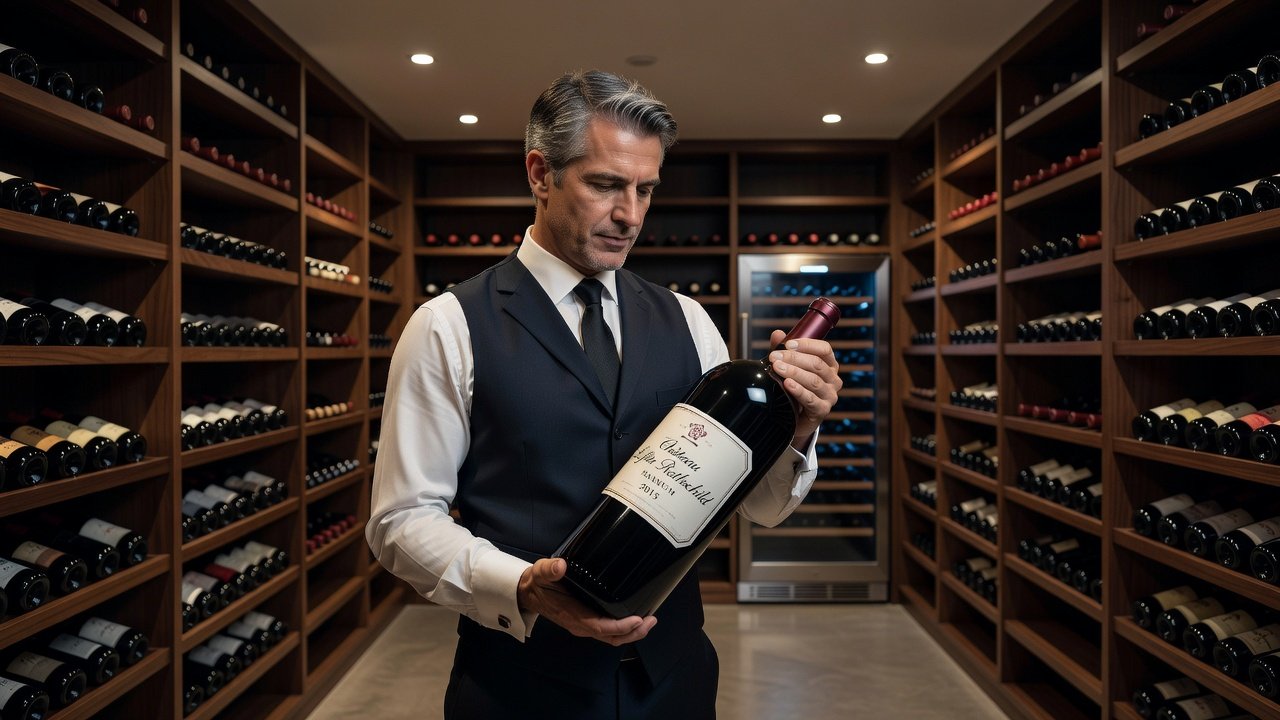
Introduction to Magnum Wines for Home Enthusiasts
Magnum bottles, holding 1.5 liters or twice the volume of standard 750ml bottles, offer unique advantages for wine aging and service. Home sommeliers can leverage these larger formats to achieve superior stability and consistency that smaller bottles simply cannot match. This comprehensive guide provides detailed, practical strategies drawn from professional practices to help you store, age, and serve magnums effectively in your own home environment. Whether you are expanding a personal collection or preparing for special occasions, understanding the nuances of magnum formats will transform how you experience fine wines.
Why Magnum Bottles Enhance Aging Stability
The reduced ratio of wine to oxygen in magnums slows oxidation significantly compared to standard bottles. This leads to more gradual and complex development over time, allowing tannins to soften evenly and fruit notes to evolve into layered secondary aromas. Temperature consistency improves because the larger liquid mass resists fluctuations better, protecting delicate aromas and tannins from sudden changes that can occur in everyday storage. The slower maturation process in larger formats often results in wines that retain freshness while developing nuanced flavors that standard bottles may lose too quickly. Many experienced collectors note that magnums of the same vintage frequently outperform their 750ml counterparts when opened at the same age, demonstrating greater harmony and depth.
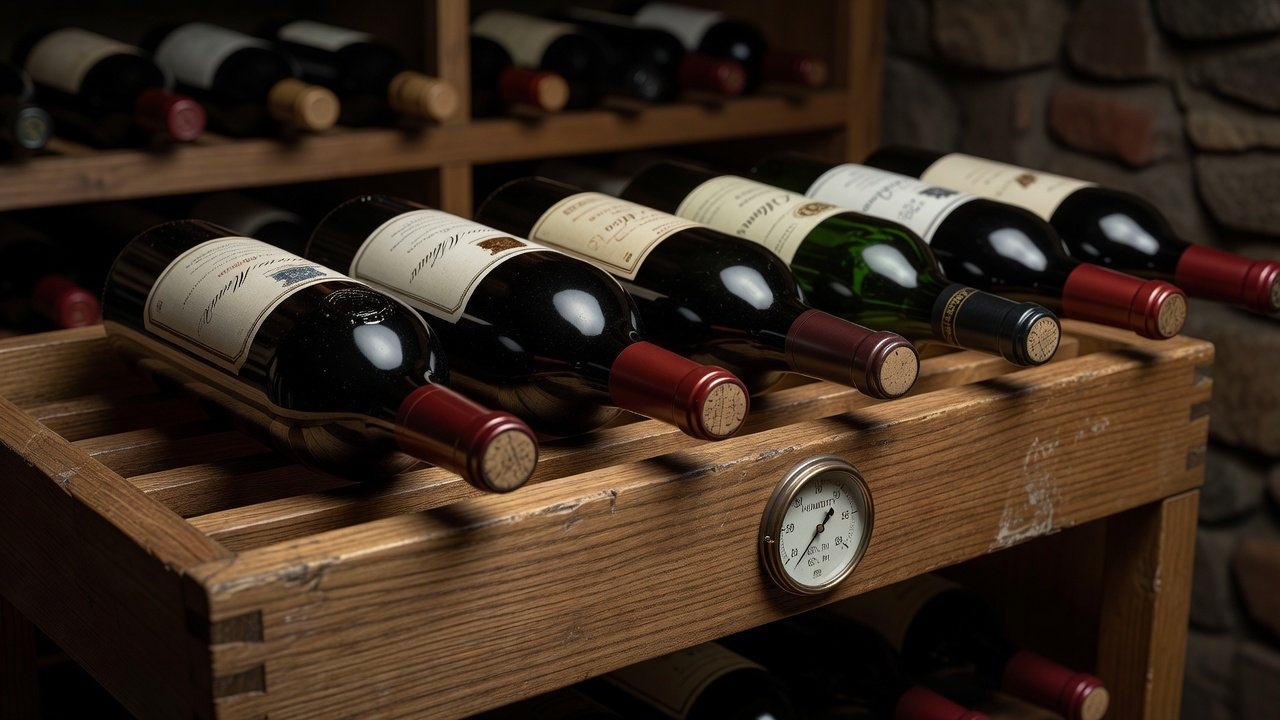
Humidity levels should be maintained between 50-70% to keep corks moist without promoting mold growth on labels or capsules. Store bottles horizontally to ensure constant cork contact with the wine, which prevents drying and shrinkage that could allow air ingress over extended periods.
Optimal Storage Orientation and Conditions
Position magnums on their sides in a dedicated wine rack designed to accommodate the extra length and weight. This orientation prevents cork drying and maintains an airtight seal essential for long-term cellaring. Avoid upright storage except for very short periods immediately before serving. Ideal cellar temperatures range from 12-16°C with minimal light exposure and zero vibration from appliances or foot traffic. Light, especially UV rays, can degrade wine compounds rapidly, so dark or tinted storage is preferable.
Invest in a climate-controlled unit if your home environment varies seasonally, such as during summer heatwaves or winter cold snaps. Regular monitoring with a digital hygrometer and thermometer ensures conditions remain stable, extending the life of your collection and preventing costly spoilage. Consider grouping magnums by varietal and vintage in labeled sections to simplify retrieval without disturbing neighboring bottles.
Adjusted Decanting Times for Magnums
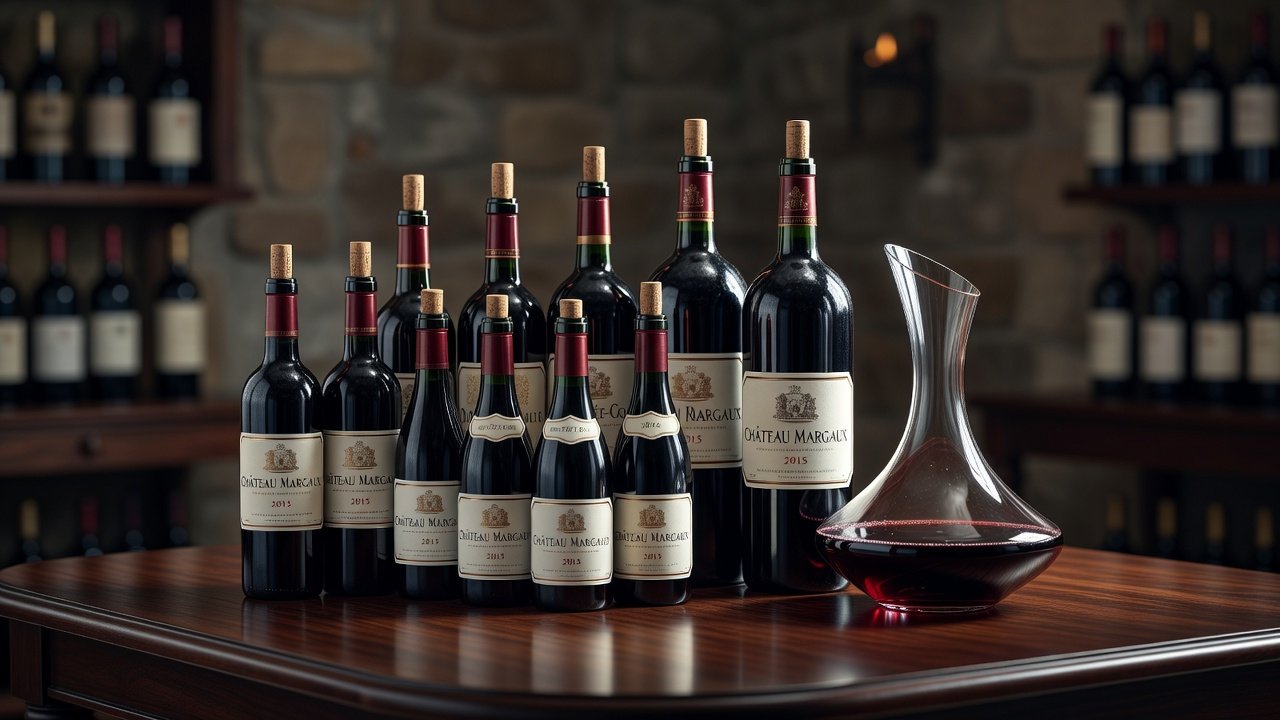
Decanting times increase with bottle size due to greater volume and the need for thorough aeration. For a typical Cabernet Sauvignon magnum, allow 1.5 to 2 hours of decanting before serving to fully open the wine and integrate any sediment. Younger vintages may benefit from even longer aeration, sometimes up to three hours, while older examples require gentler handling to avoid stripping delicate aromas. Always use a wide-based decanter to maximize surface area exposure without excessive splashing. For sparkling wines like Champagne in magnum format, decant only if the wine has been stored for decades and shows signs of needing revival; otherwise, pour directly from the bottle using a steady hand.
Pouring Techniques and Glassware Pairings
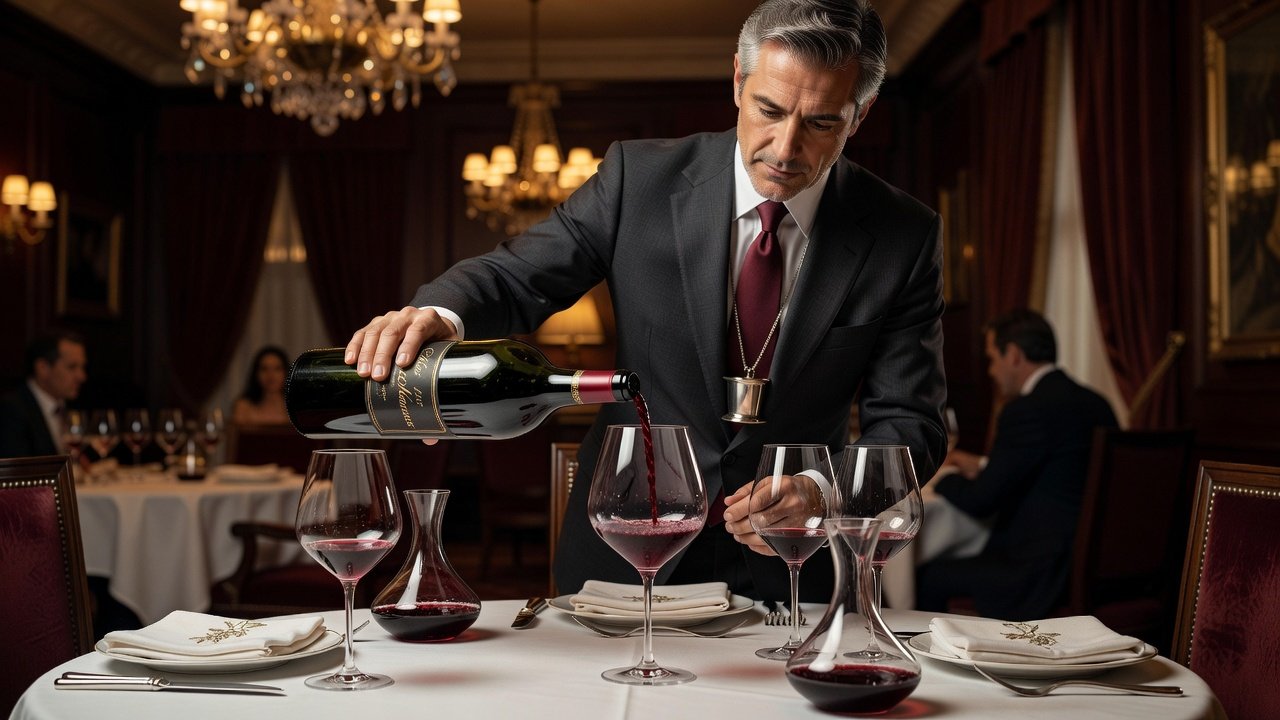
Pour slowly at a 45-degree angle to minimize splashing and preserve delicate bubbles in sparkling wines. Support the bottle from underneath with one hand while guiding the neck with the other for precise control. Use large-bowled glasses for reds to allow aromas to develop fully in the headspace, and tall flute-style glasses for Champagne to maintain effervescence and showcase the persistent mousse. Select glasses with thin rims for elegant delivery of flavors to the palate. Avoid overly narrow glasses that concentrate aromas too intensely or wide bowls that dissipate them too quickly for aromatic whites.
Step-by-Step Examples for Popular Varietals
Cabernet Sauvignon Magnum
- Store horizontally for at least 5 years before opening to allow full development.
- Decant for 90-120 minutes in a cool room away from direct light.
- Pair with Bordeaux-style glasses to highlight black fruit notes, cassis, and cedar undertones.
- Serve at 16-18°C alongside grilled meats or aged cheeses for optimal balance.
Champagne Magnum
- Keep at 10-12°C until service to preserve carbonation and acidity.
- Decant gently for 30 minutes if still wine characteristics are present, or pour directly for sparkling versions.
- Use tall flutes to showcase the persistent mousse and fine bubbles.
- Pair with seafood or light appetizers to complement the bright citrus and brioche notes.
Syrah or Shiraz Magnum
Allow 2 hours of decanting to soften the peppery tannins and reveal dark fruit layers. Serve in large Burgundy-style glasses at 15-17°C with roasted lamb or game dishes.
Space Requirements and Cost Benefits
Magnums require approximately double the rack space of standard bottles, so plan your cellar layout accordingly with deeper shelves and reinforced supports. While initial purchase costs are higher, the aging benefits and reduced need for frequent restocking provide long-term value through fewer bottles needed for equivalent volume. Many collectors find that fewer larger bottles simplify inventory management and reduce the risk of variation between individual bottles. Consider allocating a dedicated section of your rack system for magnums to optimize access and airflow around each bottle.
Sourcing and Transport Considerations
Reliable sourcing begins with established merchants or direct winery allocations that guarantee provenance and proper prior storage. When transporting magnums, keep bottles upright in insulated carriers during short trips and avoid temperature extremes that could shock the wine. For longer distances, professional shipping services with climate control are recommended to maintain integrity.
Common Mistakes to Avoid
- Over-decanting delicate older wines, which can cause aroma loss before serving.
- Storing in fluctuating kitchen temperatures near ovens or windows that expose bottles to heat cycles.
- Using undersized glassware that traps aromas and prevents proper development in the glass.
- Ignoring humidity monitoring, leading to dried corks and premature oxidation over years.
- Attempting to age magnums in standard racks without checking weight capacity, risking breakage.
Practical FAQs on Sourcing, Transport, and Mistakes
- How do I source magnums reliably? Visit reputable merchants or contact wineries directly for allocations, and verify storage history when possible.
- What about transport? Keep bottles upright in insulated carriers during short trips and avoid temperature extremes that could shock the wine.
- Can I age different varietals together? Yes, but group by similar aging potential and check conditions frequently to ensure uniform results.
- What if a cork fails in a magnum? Transfer immediately to a clean decanter and consume within days, noting the issue for future purchases.
For further reading on wine storage best practices, consult Decanter and explore educational resources at Wine Folly. Additional professional insights are available through Court of Master Sommeliers.
Conclusion
Mastering magnum formats elevates your home wine experience through enhanced aging and service precision. Apply these sommelier techniques consistently to enjoy wines at their peak and build a collection that rewards patience and attention to detail.
No comments yet. Be the first!