 Uncorked Conversations
Introduction to Bottle Size and Glass Geometry Pairing
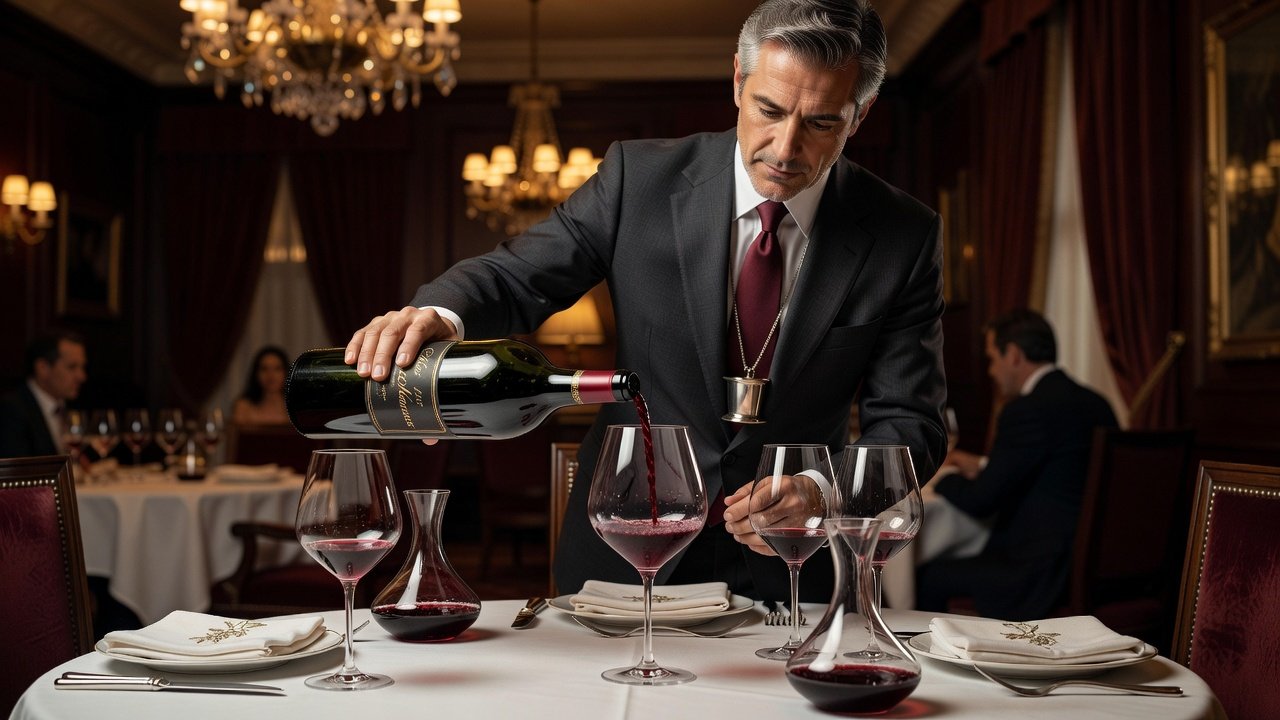
Advanced wine service extends far beyond simply opening a bottle and pouring. Professional sommeliers recognize that bottle size profoundly influences oxidation rates, temperature stability, and the development of complex aromas once the wine is exposed to air. Pairing these bottles with precisely shaped glasses allows for optimal concentration of volatile compounds, improved mouthfeel, and accurate control during service. This comprehensive guide delves into the science and practical application of these pairings, providing home enthusiasts with actionable sommelier techniques that elevate everyday drinking and special occasions alike.
Understanding Standard to Large-Format Bottles in Detail
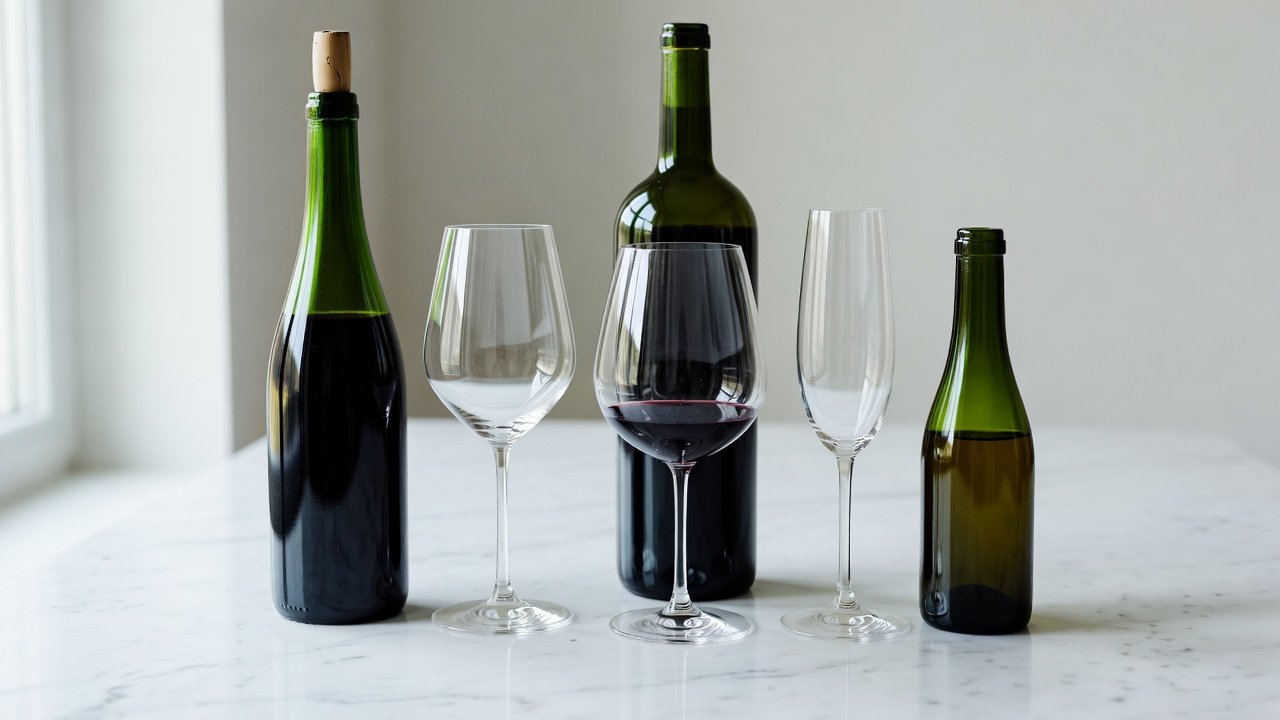
The foundation of any pairing strategy begins with understanding bottle formats. The ubiquitous 750 ml standard bottle serves as the baseline for most wines, offering balanced aging potential and convenient handling. Larger formats such as the magnum at 1.5 liters slow oxidation because the ratio of air to wine decreases, allowing reds to evolve gracefully over decades. Double magnums at 3 liters and even larger formats like jeroboams extend this effect further, making them ideal for long-term cellaring of structured wines. Conversely, half bottles at 375 ml accelerate oxidation, suiting wines meant for immediate enjoyment or lighter styles that might fade quickly in bigger vessels. Each size demands tailored service approaches to preserve integrity from cellar to glass.
Glass Shapes and Their Effects on Aroma Concentration and Pouring Precision
Glass geometry plays an equally critical role. The bowl diameter, height, and rim width determine how aromas are funneled toward the nose while controlling the rate of aeration. A tall, narrow Bordeaux-style glass directs intense fruit and tannin notes upward for Cabernet Sauvignon, while a wider Burgundy glass allows delicate Pinot Noir aromas to bloom across a broader surface. Flute shapes preserve carbonation in sparkling wines by minimizing surface area, whereas universal glasses offer versatility for mixed collections. The stem length further aids temperature management by keeping hands away from the bowl, preventing unwanted warming during extended tastings or events.
Decanting Times, Temperature Stability, and Practical Implications
Decanting requirements vary dramatically by bottle size. A standard bottle of young tannic red may need 30 to 60 minutes in a wide decanter, but a magnum often benefits from two hours or more to achieve equivalent softening without over-oxidation. Temperature stability is another key factor: larger volumes retain chill or warmth longer, so pairing them with insulated or stemmed glasses helps maintain ideal serving temperatures throughout a meal. Whites in smaller bottles risk warming too quickly, necessitating narrower glasses that limit hand contact and evaporation.
Step-by-Step Selection Guide for Optimal Pairings
Follow this expanded process to choose the right combination every time. First, assess the bottle size and vintage characteristics to predict oxidation needs. Second, select glass bowl volume to match: larger bowls for magnums to promote gentle breathing. Third, evaluate the wine's aromatic profile and choose rim diameter accordingly for targeted delivery of scents. Fourth, factor in service temperature by prioritizing stems or insulated options. Fifth, practice pours to ensure precision and avoid spills, especially with heavy large-format bottles. Sixth, consider storage and event logistics, such as how many glasses fit on a table. Seventh, test the full setup at home before hosting to refine timing and presentation.
Real-World Examples for Reds, Whites, Sparkling Wines, and More
Consider a 1.5-liter magnum of Cabernet Sauvignon: pair it with a tall Bordeaux glass to concentrate cassis and cedar notes while allowing slow aeration during a multi-hour dinner. For a standard 750 ml bottle of oaked Chardonnay, a wide Burgundy glass highlights buttery and tropical elements. Sparkling wines in half bottles shine in classic flutes that preserve bubbles during toasts. In contrast, a large-format rosé benefits from a versatile white wine glass with moderate bowl width to balance freshness and fruit. These examples demonstrate how mismatched pairings can mute aromas or accelerate unwanted temperature shifts, while correct matches enhance every sip.
Comparing Home Enthusiast Setups to Professional Sommelier Environments
Professional settings rely on standardized glassware inventories and dedicated decanting stations for consistency across hundreds of guests. Home enthusiasts can replicate much of this precision with a core collection of three to four versatile shapes stored in accessible racks. The key difference lies in scale: professionals manage multiple large formats simultaneously with team support, whereas home users focus on single-bottle service and space-efficient storage solutions like modular cellars. Both benefit from quality crystal that resists breakage and maintains clarity over repeated use.
Event Planning, Storage Space, and Common Pitfalls to Avoid
For events, calculate glass-to-bottle ratios in advance and prepare backup decanters for large formats. Storage considerations include horizontal racking for cork integrity in bigger bottles and vertical access for everyday standards. Avoid common mistakes such as using identical glasses across formats, which leads to uneven aeration, or neglecting temperature checks during long service windows. Another frequent error is skipping decanting for large bottles, resulting in overly tight tannins at the table.
Expanded FAQ on Frequent Pairing Mistakes
- Can I use one glass shape for every bottle size? No, adjusting bowl width and rim ensures proper aroma delivery and oxidation control tailored to volume.
- How long should large-format bottles decant compared to standards? Expect at least double the time to achieve balanced integration without flattening delicate notes.
- What storage issues arise with oversized bottles at home? They require deeper racks and cooler, stable environments to protect against vibration and light exposure.
- Do sparkling wines need special considerations across sizes? Yes, narrower flutes help retain effervescence longer in larger volumes where pressure dynamics differ.
Conclusion and Next Steps for Enthusiasts
Mastering the interplay between bottle sizes and glass shapes transforms wine service into an art form rooted in science. By applying these sommelier principles through careful selection, testing, and attention to detail, home users can achieve professional-level results. Continue refining your approach with each bottle opened. For authoritative guidance on wine service and standards, consult resources from the Wine Institute, Decanter, and Court of Master Sommeliers.
No comments yet. Be the first!