 Uncorked Conversations
Introduction to Bottle Size Effects on Wine Service
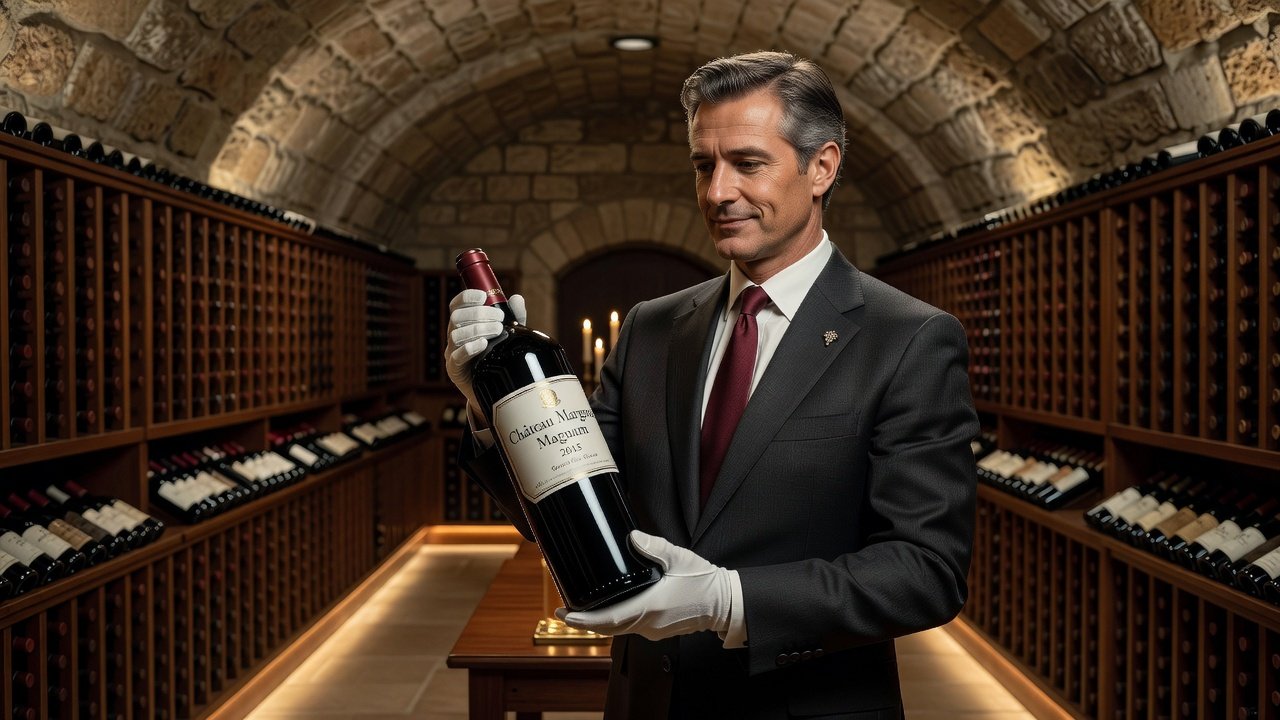
Wine enthusiasts and professionals alike understand that bottle size plays a critical role in how wine is stored, decanted, and served. Larger formats like magnums or double magnums require different handling compared to standard 750ml bottles or smaller half bottles. This guide draws on sommelier expertise to optimize decanting, glass selection, and overall serving for superior aroma and flavor expression in 2026. Understanding these differences helps both home collectors and restaurant teams deliver consistent, high-quality experiences whether pouring for two or hosting a large gathering. Bottle size influences oxygen exposure rates, sediment settling patterns, and even the psychological impact of presentation during service.
Scaling Decanting Times by Bottle Volume
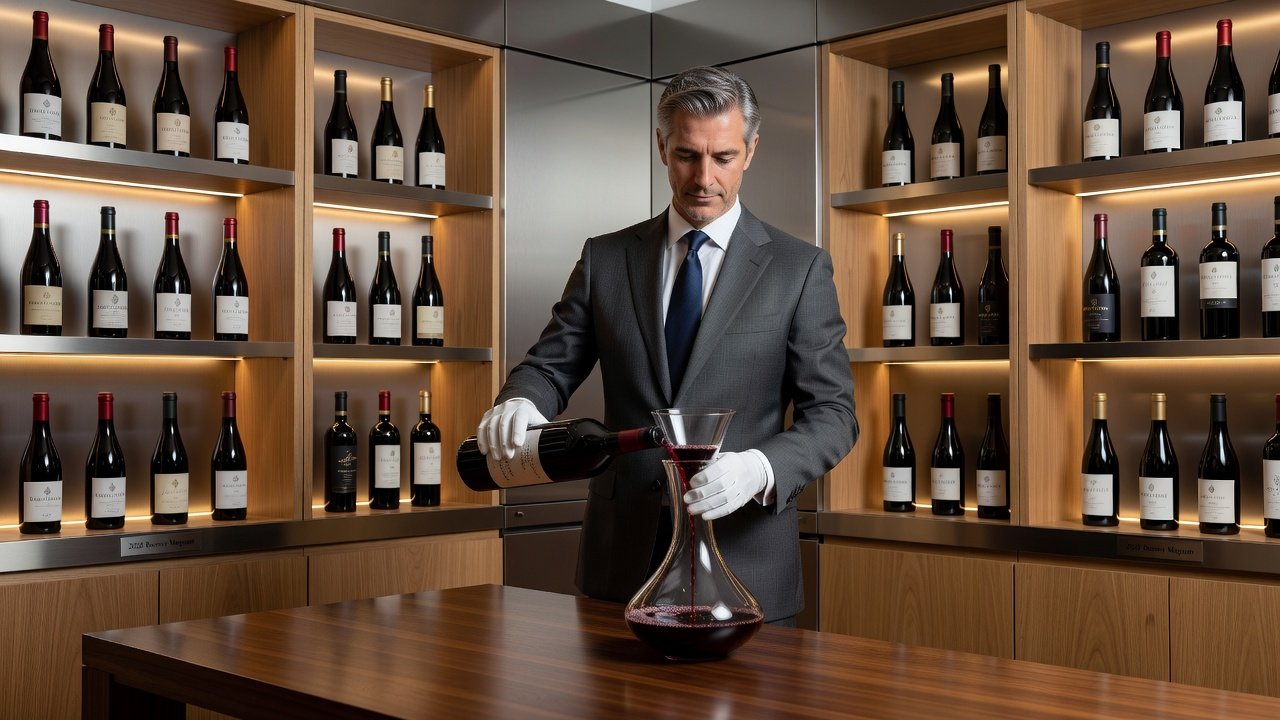
Decanting allows wine to breathe, separating sediment and softening tannins. Standard bottles typically need 30-60 minutes, but volumes scale accordingly. For a 1.5L magnum, extend decanting to 90-120 minutes to achieve similar aeration because the greater liquid mass slows oxygen absorption. Half bottles (375ml) often require only 15-30 minutes to avoid over-oxidation that can flatten delicate fruit characters. Real-world examples include Bordeaux reds in magnums, where extended breathing reveals layered fruit notes that standard bottles show faster. In professional settings, sommeliers often test small samples from large formats at intervals to confirm readiness rather than relying solely on timers. Chemical reactions during decanting involve gradual polymerization of tannins and release of volatile compounds, processes that proceed more slowly in larger volumes due to reduced surface-to-volume ratios.
Step-by-Step Decanting Technique
- Stand the bottle upright for 24 hours to settle sediment at the bottom.
- Choose a decanter with sufficient surface area and neck width proportional to the volume being poured.
- Pour slowly in a steady stream under good light or with a candle to monitor sediment movement.
- Stop when sediment approaches the neck and reserve the final portion for cooking or discarding.
- Allow the decanted wine to rest briefly before serving to integrate aromas fully.
These steps ensure clarity and optimal aroma release regardless of format, and they adapt easily from intimate dinners to banquet service.
Choosing Glass Shapes to Enhance Aromas from Larger Bottles
Glassware directly influences how aromas from larger bottles are captured. Larger formats often hold older or more complex wines, benefiting from wide-bowled glasses that allow greater surface contact and evaporation. For magnums of Pinot Noir, opt for Burgundy-style glasses with generous bowls to highlight earthy and mushroom notes. 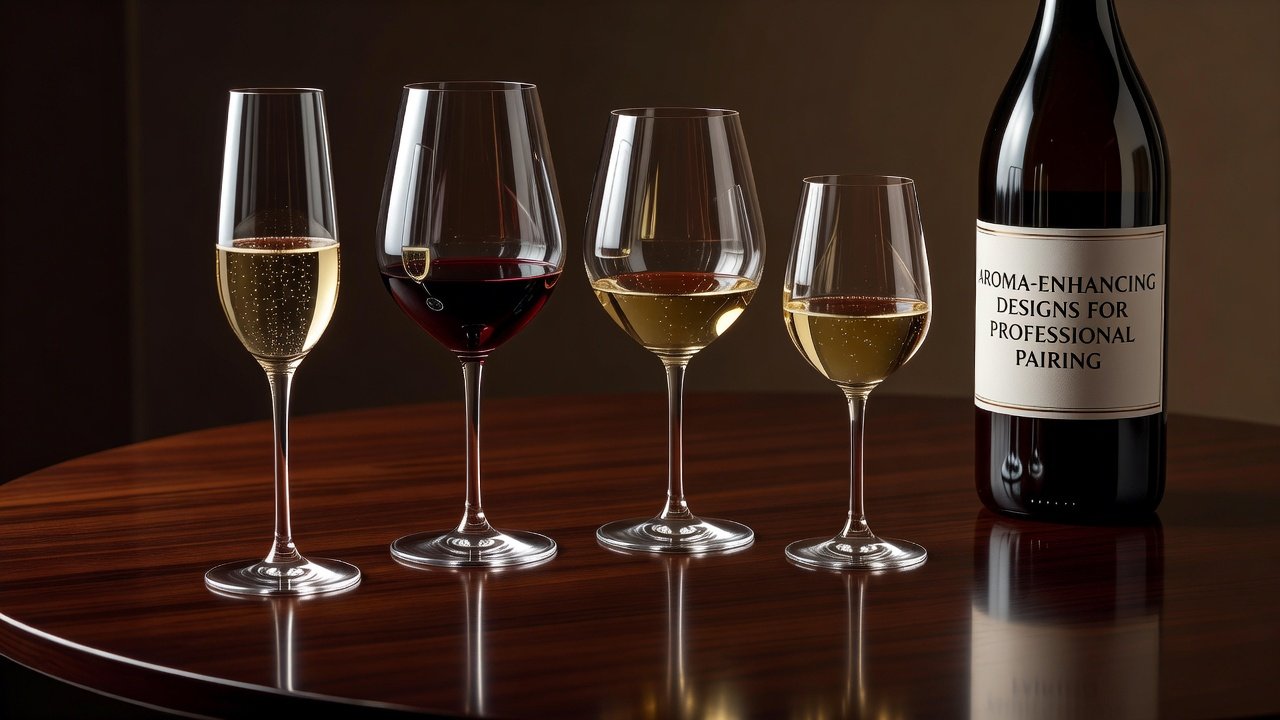
Temperature Stability During Service
Temperature fluctuations are more pronounced in larger bottles due to thermal mass. Magnums maintain cooler temperatures longer, ideal for reds served at cellar temperature around 16-18°C. Half bottles warm quicker, so monitor them closely in warmer dining rooms or outdoor settings. Professionals recommend chilling larger whites in ice buckets sized appropriately to prevent rapid shifts that could mute acidity or introduce unwanted condensation on the bottle exterior. For events spanning several hours, large formats provide more consistent serving temperatures because their bulk resists ambient heat better than multiple small bottles opened sequentially.
Space-Efficient Storage Solutions
Storage varies by size: standard bottles fit conventional racks, while magnums require deeper bins or horizontal stacking to save space. Use modular systems that accommodate mixed formats without wasting vertical space in cellars or under-stair storage areas. Home collectors often combine wall-mounted racks for 750ml bottles with floor-level crates for oversized formats. In professional cellars, labeling systems that note both vintage and bottle size prevent confusion during busy service periods. Proper humidity control remains essential across all sizes to keep corks moist and prevent oxidation over long-term aging.
Comparisons of Standard Versus Large Formats
Standard 750ml bottles offer convenience for everyday serving and quicker consumption, while magnums provide slower aging and dramatic presentation at events. A 3L double magnum of aged Barolo, for instance, develops nuanced tertiary aromas over decades that smaller bottles reach sooner because of reduced oxygen ingress through the cork. Home sommeliers benefit from large formats for gatherings, ensuring consistent pours across many guests without opening multiple bottles. Conversely, half bottles excel for tasting sessions or when exploring several wines in one evening without excess waste. Real-world restaurant examples show that large-format bottles often command attention on wine lists and can anchor pairings with multi-course meals.
Practical Pouring Techniques for Different Sizes
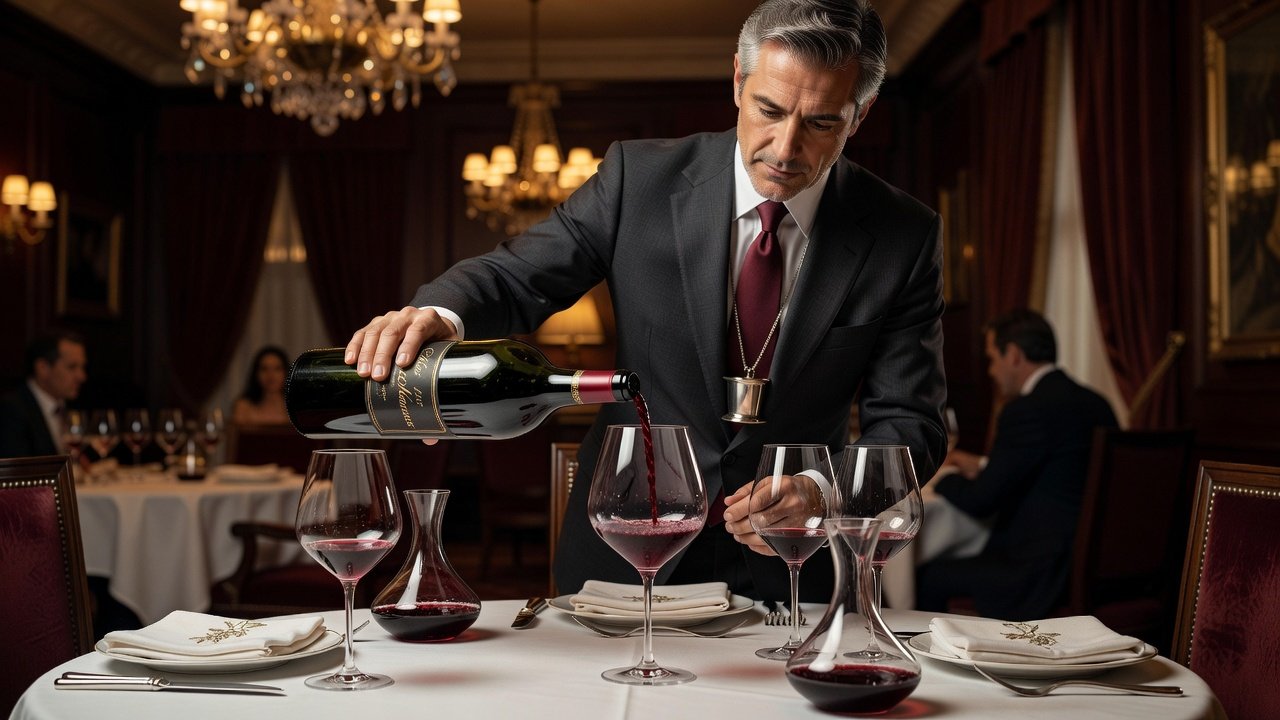
- Hold the bottle at a 45-degree angle for controlled flow, especially with heavy magnums.
- Use a wine funnel or aerating pourer for precise large-format pours into multiple glasses.
- Pour into glasses at eye level to gauge fill levels accurately and avoid spills.
- Rotate the bottle slightly at the end of each pour to catch drips on the lip.
- For half bottles, employ a lighter touch to prevent over-pouring into smaller stemware.
Mistakes to Avoid When Handling Various Bottle Sizes
Common errors include under-decanting large formats, which leaves sediment in the glass, or over-decanting delicate half bottles of white Burgundy, resulting in muted aromatics. Another frequent issue is mismatched glassware that fails to showcase the evolved bouquet from magnums. Temperature mismanagement often occurs when servers treat all sizes identically, leading to overly warm half bottles or insufficiently chilled large whites. Storage mistakes such as stacking magnums vertically can cause corks to dry and leak. Sommeliers recommend practicing with empty bottles of each size to build muscle memory before handling valuable vintages.
Short FAQ on Avoiding Common Errors
Q: Can I decant a half bottle the same as a full bottle? A: No, reduce time to prevent over-aeration and loss of freshness.
Q: What glass works best for magnum whites? A: Larger white wine glasses with slightly tapered rims that concentrate delicate floral and citrus notes.
Q: How does storage space change with large formats? A: Invest in adjustable racks to handle varying diameters efficiently while maintaining proper humidity levels.
Q: Should decanting times change for sparkling wines in magnums? A: Yes, minimize decanting for sparklers to preserve bubbles, often limiting it to just a few minutes.
Conclusion
Mastering bottle size impacts elevates wine service at home or professionally. Apply these sommelier tips to unlock the full potential of every format. For further reading, explore Decanter, Wine Folly, and Wine Magazine resources on advanced techniques.
No comments yet. Be the first!