 Uncorked Conversations
Introduction to Magnum Bottles in Wine Service
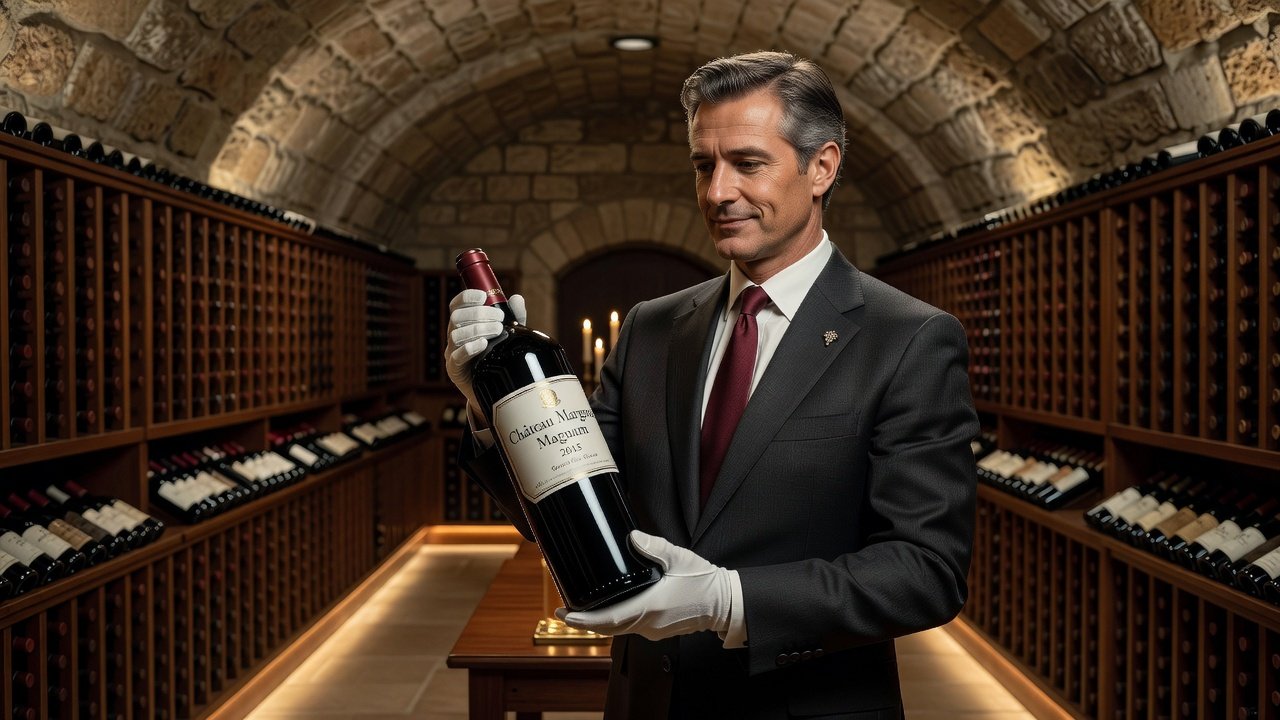
Magnum bottles, holding 1.5 liters or twice the volume of a standard 750ml bottle, offer distinct advantages for both long-term cellaring and special-occasion serving. Sommeliers often recommend them because the reduced ratio of wine to oxygen slows oxidation and creates more consistent aging conditions. This deep dive examines the practical benefits, techniques, and decision-making factors for 2026 readers seeking superior results with larger formats. Whether you are building a personal cellar or planning a memorable dinner party, understanding magnums helps elevate every aspect of wine enjoyment from preservation to presentation.
The Science of Slower Aging in Larger Bottles
Larger formats like magnums contain more wine relative to the ullage space and cork surface area. This physical property limits oxygen exposure over time, allowing wines to evolve more gradually. Red wines with robust tannins, such as Cabernet Sauvignon or Syrah, particularly benefit from this slower maturation, developing complex secondary aromas without premature oxidation. White wines and sparkling varieties also gain from the format when cellared correctly, preserving freshness and acidity longer than in standard bottles. Research from leading wine publications confirms that the slower ingress of oxygen in magnums can extend the drinking window by two to five years compared with equivalent 750ml bottles of the same vintage. Decanter experts frequently highlight this advantage for age-worthy reds from regions like Bordeaux and Piedmont.
Compared with 750ml bottles, magnums can extend peak drinking windows by several years for age-worthy vintages. The effect becomes even more pronounced in double magnums and larger formats, though those require specialized handling. For instance, a 2018 Napa Valley Cabernet Sauvignon in magnum format often shows fresher fruit and firmer structure at the ten-year mark than its standard-bottle counterpart.
Temperature Stability Advantages
Temperature fluctuations pose one of the greatest risks to wine quality. The greater thermal mass of a magnum buffers against short-term changes in ambient conditions, keeping the liquid closer to the ideal 12–14°C range. This stability proves especially valuable in home cellars or restaurants where HVAC systems cycle on and off. Sommeliers note that this consistency helps preserve delicate volatile compounds that define a wine’s bouquet. In practice, a magnum stored in a garage-adjacent cellar experiences far less temperature swing during summer heatwaves than multiple standard bottles stacked together.
Decanting Times and Techniques for Magnums
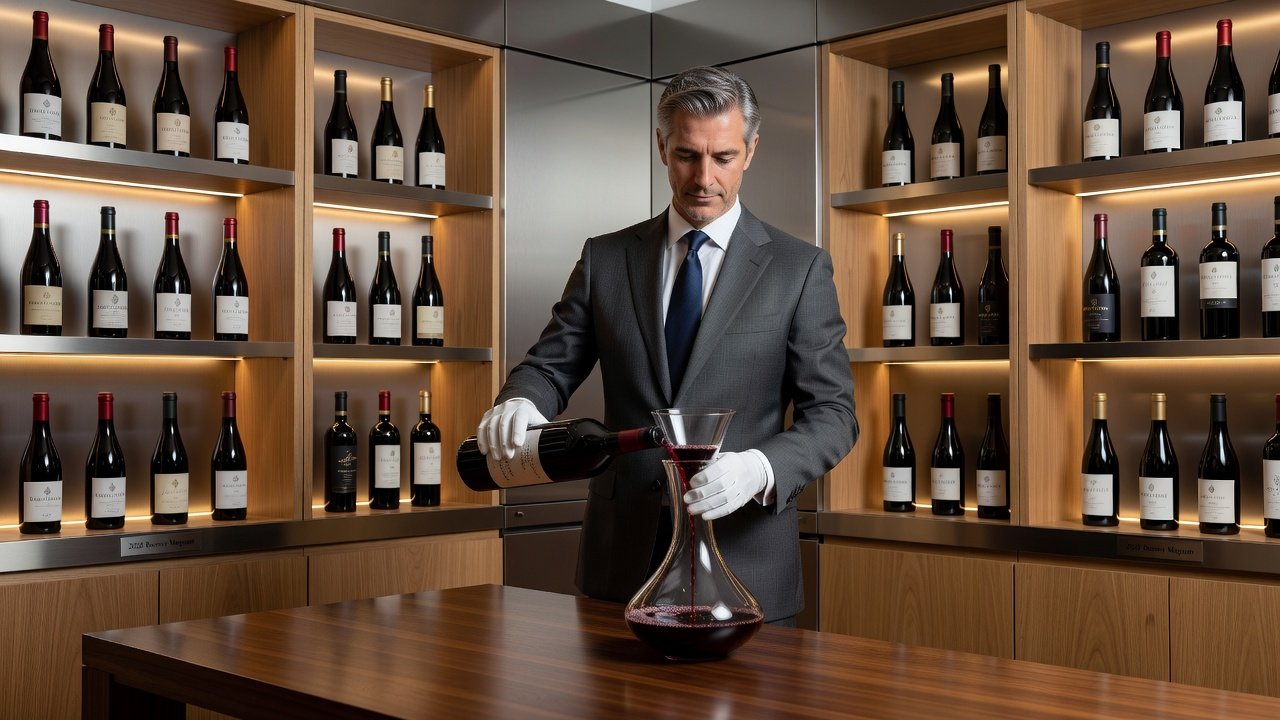
Decanting a magnum requires adjusted timing because of the increased volume. For young, tannic reds, plan on 60–90 minutes of decanting compared with 30–45 minutes for a standard bottle. Older magnums may need only 20–30 minutes to avoid over-aeration. Always use a wide-base decanter and pour slowly against the side to minimize splashing. A steady hand or a decanting cradle helps manage the extra weight safely. Professionals often recommend double-decanting for very young magnums: pour into a decanter, rinse the bottle, and return the wine to allow controlled aeration without sediment disturbance.
Storage and Racking Best Practices
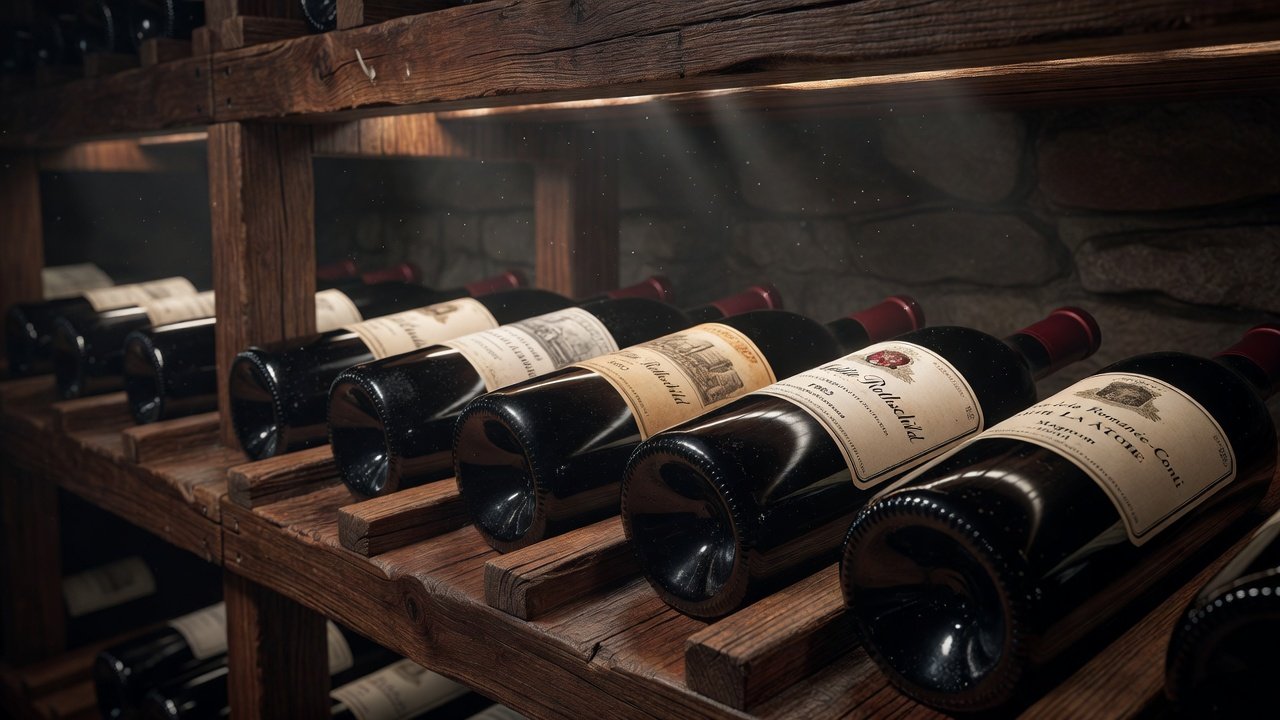
Proper racking supports the heavier weight and larger diameter of magnums. Horizontal storage remains essential to keep corks moist. Custom wooden racks with deeper slots or reinforced metal bins prevent sagging. Maintain consistent humidity between 50–70% and avoid vibration from nearby appliances. Label each magnum clearly on the punt or capsule for easy identification during inventory checks. When expanding an existing cellar, allocate extra vertical space because magnums stand taller; many collectors install adjustable shelving systems rated for at least 4 kilograms per bottle. Vibration-dampening mats placed under racks further protect delicate sediments from forming prematurely.
Pouring Techniques for Large Formats
Pouring from a magnum demands both strength and control. Support the base with one hand while gripping the neck with the other. For formal service, wrap a linen napkin around the bottle to absorb drips and present the label. When serving multiple guests, pour in a circular motion around the table to ensure even distribution before returning to the first guest for a second round. Practice with an empty magnum first to build confidence. At large events, consider using a wine cradle or enlisting a second server to manage the flow without fatigue.
Pairing Magnum Wines with Specific Styles
Magnums excel with bold, structured wines that shine at gatherings. Consider these pairings:
- Full-bodied Cabernet Sauvignon or Bordeaux blends with grilled ribeye or aged cheddar.
- Barolo or Brunello di Montalcino alongside osso buco or wild mushroom risotto.
- Champagne or sparkling magnums with oysters, lobster, or celebratory desserts.
- Châteauneuf-du-Pape with herb-crusted lamb or roasted root vegetables.
- Pinot Noir magnums from Burgundy or Oregon paired with roasted duck breast and cherry reduction.
The larger volume allows generous pours without rapid depletion, making them ideal for multi-course dinners. Wine Enthusiast regularly features magnum pairings that demonstrate how the format enhances both aroma intensity and texture on the palate.
Real-World Examples: Events Versus Cellaring
For milestone celebrations such as anniversaries or corporate dinners, a magnum of vintage Champagne creates memorable theater while ensuring every guest receives a full glass. At weddings, two or three magnums of red wine can comfortably serve 12–16 people. For long-term cellaring, collectors choose magnums of top Napa Cabernets or classified-growth Bordeaux to maximize aging potential and future enjoyment. In both scenarios, the format reduces the number of bottles needed and minimizes cork variability across the set. A practical example: a 2020 vintage Barolo purchased in magnum today will likely reach optimal maturity around 2035–2040, offering a single bottle large enough for a ten-person vertical tasting without opening multiple smaller bottles.
Common Mistakes to Avoid with Magnum Bottles
Many collectors inadvertently shorten a magnum’s life by storing it upright for extended periods or placing it near heat sources. Another frequent error is using standard glassware that cannot accommodate the wine’s expanded aromatic profile; oversized Burgundy bowls are preferable for reds. Over-decanting older magnums can strip nuance, so always taste a small sample first before committing to full aeration time. Finally, failing to account for the extra weight during transport has led to broken bottles and lost vintages at events.
Addressing Common Questions on Cost, Space, and Glassware
Many enthusiasts wonder whether magnums justify the investment. While acquisition costs vary by producer and vintage, the aging benefits often outweigh the premium for serious collectors. Space considerations matter: magnums require roughly 30% more rack depth than standard bottles, so measure existing shelving before purchasing. Glassware should feature larger bowls to accommodate the wine’s fuller expression; standard Bordeaux or Burgundy stems work well when filled to one-third capacity. Always store spare corks or use inert-gas systems when recorking partially consumed magnums for later enjoyment. For those new to large formats, starting with two or three magnums of approachable producers provides hands-on learning without overwhelming storage demands.
Frequently Asked Questions
How long should I age a magnum compared with a standard bottle? Typically add two to four years to the expected peak drinking window. Can I use the same corkscrew? Yes, but longer corkscrews or Ah-So openers offer better leverage on older, fragile corks. Are magnums suitable for white wines? Absolutely, especially full-bodied whites like Chardonnay or aged Riesling that benefit from slower oxidation.
Conclusion
Magnum bottles deliver measurable improvements in aging pace, thermal stability, and service impact. By following the storage, decanting, and pairing guidelines outlined above, both casual enthusiasts and professionals can unlock superior results. Whether planning an upcoming event or expanding a cellar, the thoughtful use of larger formats elevates the entire wine experience and creates lasting memories for every guest.
No comments yet. Be the first!