 Uncorked Conversations
Sommelier Tips: Storage and Serving Strategies for Magnum Bottles
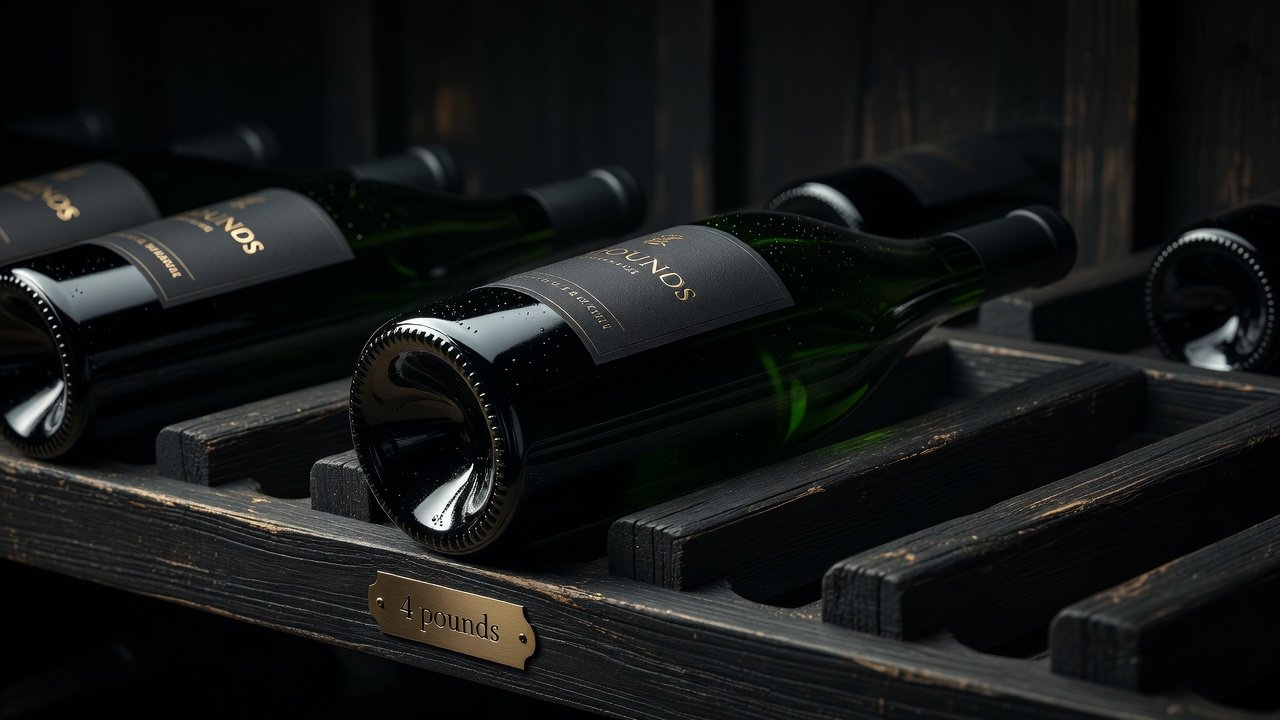
Magnum bottles, holding 1.5 liters or twice the volume of standard 750ml bottles, offer unique benefits for serious wine collectors seeking optimal long-term storage and elevated serving experiences. These larger formats slow oxidation and create more stable conditions during aging, making them ideal for preserving the integrity of complex reds and certain whites over decades. Home enthusiasts who apply professional techniques can maximize flavor development while protecting delicate aromas during service, turning every bottle into a memorable occasion. The advantages extend beyond simple volume increases, influencing everything from chemical reactions inside the bottle to practical considerations like cellar organization and guest presentations.
Why Magnum Bottles Excel in Long-Term Storage
The reduced ratio of air to wine in magnums slows the aging process compared to standard bottles by limiting oxygen exposure through the cork. This leads to more gradual evolution of tannins, anthocyanins, and fruit compounds, often resulting in wines that retain freshness, acidity, and aromatic intensity longer than their smaller counterparts. Temperature fluctuations affect larger volumes less dramatically, providing natural insulation against minor cellar variations that could otherwise accelerate unwanted chemical changes. Collectors appreciate how magnums develop secondary and tertiary aromas more harmoniously, with notes of leather, earth, and dried fruit emerging at a measured pace rather than rushing forward prematurely.
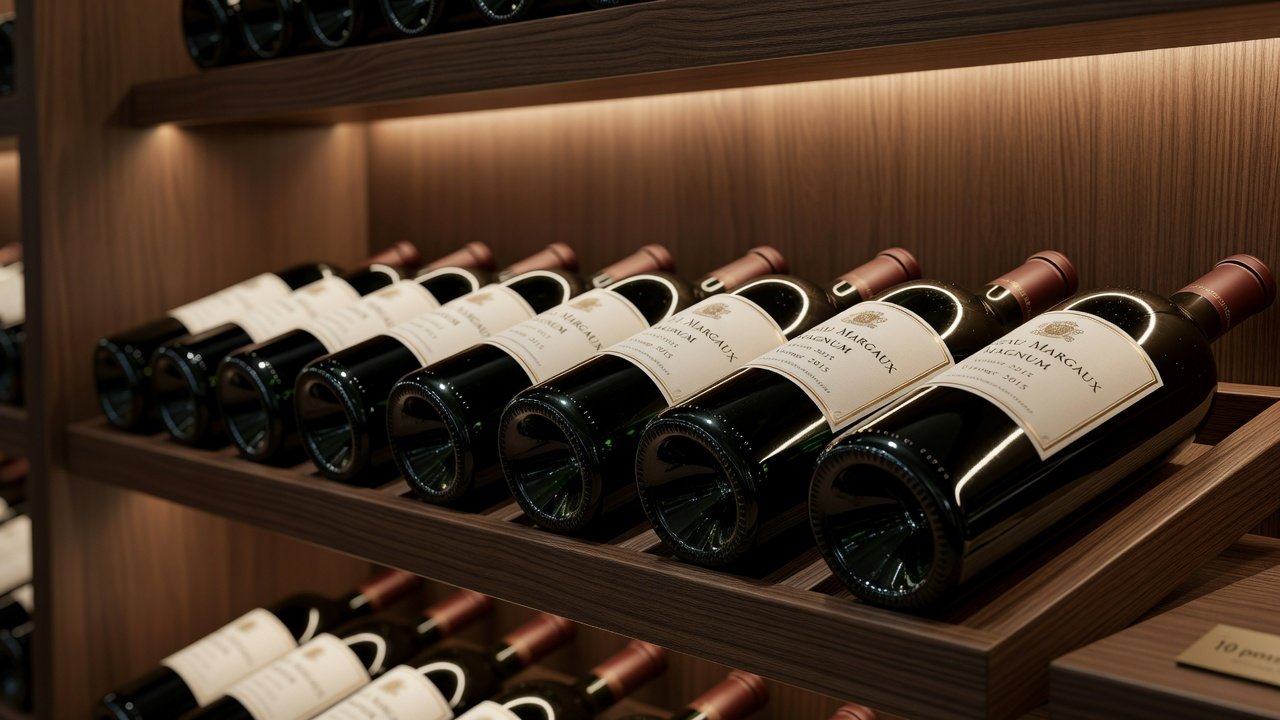
Space considerations matter greatly for collectors building extensive cellars. Although each magnum occupies more room on racks, fewer bottles are needed to achieve the same total volume of wine, simplifying inventory management and reducing the risk of label damage from frequent handling. Many sommeliers recommend dedicating a section of the cellar exclusively to magnums for vertical tastings of age-worthy vintages like Bordeaux, Burgundy, or Napa Cabernet. This approach allows systematic comparison across years while minimizing variables introduced by bottle size differences.
Comparing Aging Speeds Across Bottle Sizes
- Standard 750ml bottles age at a moderate pace, suitable for 5–15 years depending on the wine structure and grape variety.
- Magnums typically age 20–30% slower, extending peak drinking windows for structured reds and allowing more time for complex flavor integration.
- Double magnums and larger formats slow aging even further but require specialized handling equipment and reinforced shelving to support their substantial weight.
- Half-bottles, by contrast, age faster due to higher oxygen ratios, making them less ideal for long-term cellaring but useful for quick consumption tests.
Real-world examples from sommelier case studies show that a well-stored magnum of 2005 Cabernet Sauvignon often outperforms its 750ml counterpart in blind tastings after 15 years due to slower oxygen exposure and more consistent internal conditions.
Optimizing Temperature and Humidity for Magnums
Ideal storage remains 55°F (13°C) with 60–70% humidity to prevent cork drying or mold growth, but the larger thermal mass of magnums buffers against swings better than smaller bottles. Collectors should avoid stacking magnums directly on concrete floors and instead use wooden or metal racks designed specifically for larger diameters to ensure proper air circulation. Vibration from nearby appliances or foot traffic can disturb sediment over time, so placement away from high-traffic areas is essential. Decanter resources emphasize monitoring with digital hygrometers placed at multiple heights in the cellar to catch microclimates that might affect bottle integrity.
Light exposure represents another critical factor. Ultraviolet rays can degrade wine quality over months or years, so opaque or tinted glass magnums combined with dark storage environments help maintain color and aroma compounds. Regular inspections every six months allow early detection of leaks or label issues without excessive disturbance.
Adjusted Decanting Timelines for Magnum Formats
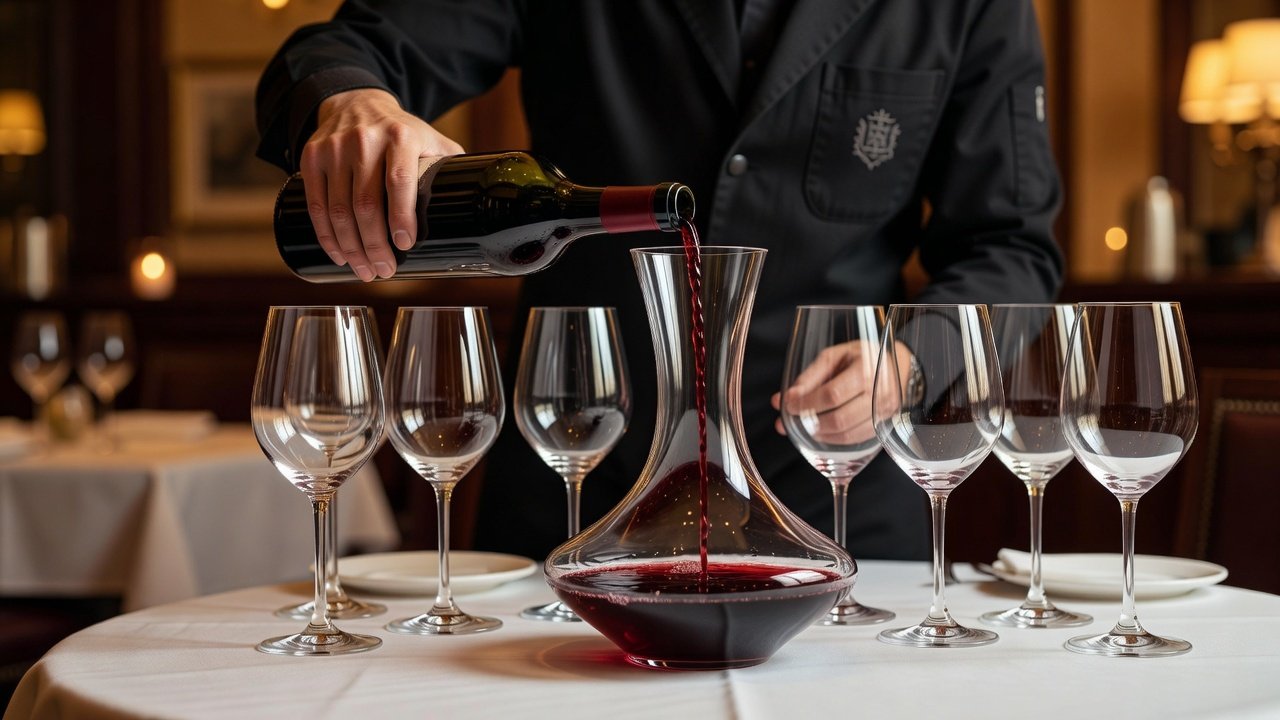
Decanting a magnum requires patience and precision because of the increased volume and potential sediment load. Plan for 45–90 minutes before serving for young, tannic reds, compared to 30–60 minutes for standard bottles, allowing sufficient time for oxygen integration without stripping nuance. Older magnums may need only 20–30 minutes to avoid over-oxidation that could flatten delicate tertiary aromas. Use a wide-based decanter to accommodate the volume and allow sediment to settle fully at the bottom before the final pour.
Step-by-Step Handling Guide
- Stand the magnum upright for 24–48 hours prior to opening to let sediment drop completely to the base.
- Remove the capsule carefully with a foil cutter, avoiding any shaking or tilting that could re-suspend particles.
- Position the bottle at a 45-degree angle over the decanter and pour steadily in one continuous motion to minimize splashing.
- Stop when sediment approaches the neck to keep the wine clear and brilliant in the glass.
- After decanting, rinse the empty bottle if planning to use it for serving to maintain presentation standards.
Specialized Pouring Methods to Protect Aromas
Pouring from a heavy magnum demands proper technique to maintain control and preserve volatile compounds. Support the base with one hand and the neck with the other to maintain balance throughout the pour. Avoid splashing, which introduces excess oxygen and disperses delicate aromas before they reach the glass. Sommeliers often practice with water-filled magnums to master the motion before handling valuable wines, building muscle memory that prevents accidents during high-stakes dinners.
Ideal Glassware Pairings for Magnum Servings
Larger pours from magnums pair best with oversized Bordeaux or Burgundy glasses that allow the wine to breathe fully in the bowl. The increased surface area enhances aroma delivery without rapid evaporation, letting guests experience layered bouquets of fruit, spice, and minerality. For whites aged in magnum format, choose glasses with a wider bowl to accommodate the cooler serving temperature typical of magnum-aged Chardonnay or Riesling, ensuring the wine opens gradually rather than shocking the palate with excessive chill.
Real Sommelier Case Studies and Practical Examples
One experienced sommelier at a Michelin-starred restaurant shared how switching to magnums for their reserve list reduced waste and improved consistency across multiple tables. In another instance, a private collector used magnums of Barolo for a 20-year vertical tasting, noting that the slower aging preserved primary fruit notes alongside developed earthiness that smaller bottles had lost. These examples illustrate how format choice directly impacts both storage efficiency and guest satisfaction when executed with attention to detail.
Practical Comparisons and Common Mistakes to Avoid
Collectors sometimes underestimate the weight—magnums average 3.5–4 pounds when full—leading to accidental spills during transport between cellar and table. Always use two hands and consider a serving cradle for formal dinners to ensure steady pours. Another frequent error is treating decanting times identically to standard bottles, which can strip nuance from delicate older vintages and leave guests with flat aromas. Proper racking that accounts for the larger diameter prevents label abrasion and allows easy rotation for even aging.
Conclusion
Magnum bottles reward thoughtful storage and service with superior aging potential and memorable tasting experiences. By applying these sommelier-informed adjustments to temperature control, decanting, and glassware, home collectors can elevate their cellars and create standout moments at the table. Wine Magazine regularly highlights how format size influences wine evolution, while Jancis Robinson provides additional depth on bottle-size effects that reinforce why magnums remain a favorite among professionals worldwide.
No comments yet. Be the first!