 Uncorked Conversations
Why Magnum and Large-Format Bottles Transform Wine Aging
Magnum bottles hold 1.5 liters, twice the volume of a standard 750ml bottle, while larger formats such as double magnums (3 liters) and jeroboams (5 liters for Bordeaux) change the aging process dramatically. The reduced oxygen-to-wine ratio slows oxidation rates, allowing tannins to polymerize more gently and fruit acids to evolve over extended periods. This leads to wines that retain vibrant primary fruit longer while developing complex secondary aromas like leather, tobacco, and earth notes at a measured pace. Collectors often find that magnums from the same vintage as standard bottles taste fresher and more integrated after 20 years because the larger volume creates a more stable micro-environment inside the bottle.
Scientific principles behind this involve the surface area of the wine exposed to the ullage space. With more liquid, chemical reactions proceed slower, protecting delicate compounds. For example, a 1982 Château Latour in magnum format typically shows greater depth than its 750ml counterpart at the same age due to this dynamic. Beginners exploring large formats should start with approachable regions like California Cabernet or Australian Shiraz to observe these differences firsthand.
Ideal Storage Positioning and Space Requirements
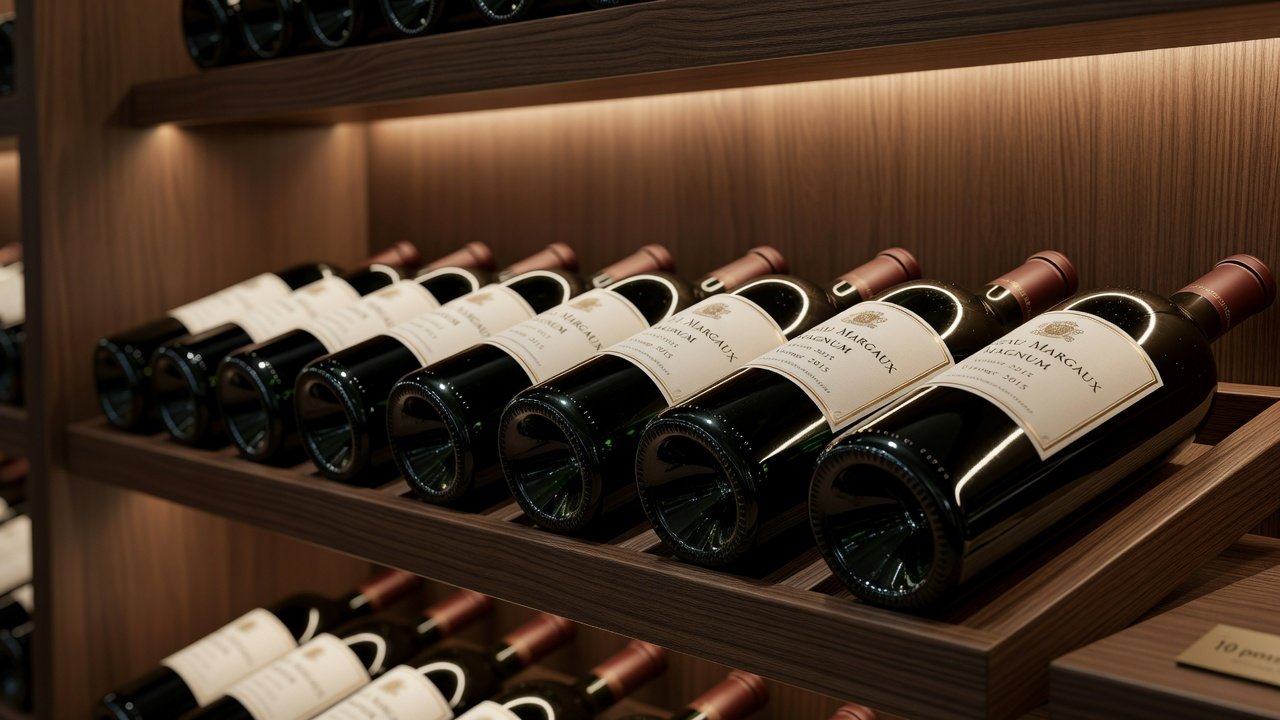
Position magnum bottles horizontally in racks engineered for their 3.5-inch diameter necks and wider shoulders. Standard 750ml slots often prove too narrow, causing labels to tear or corks to compress unevenly. Install custom wooden or metal racking with at least 14 inches of vertical clearance between shelves to allow safe lifting without scraping adjacent bottles. Vibration dampening is critical; place racks away from HVAC units or doorways where foot traffic creates constant movement that can disturb sediment over decades.
Humidity levels between 60 and 70 percent prevent cork drying while avoiding label mold. Dark environments protect against UV light that breaks down phenolic compounds. Many serious collectors dedicate entire sections of their cellars to large formats, calculating that one magnum occupies roughly 2.5 times the space of a standard bottle yet delivers superior longevity.
Benefits of Temperature Stability in Large Formats
The thermal mass of a magnum provides exceptional protection against temperature fluctuations. A standard bottle might warm 2 degrees Fahrenheit during a brief outage, but a magnum changes only 0.5 degrees because of its greater volume. This stability preserves volatile aromatics and prevents premature oxidation that shortens a wine's drinking window. Cellars with consistent 55°F conditions see magnum collections evolve predictably, with vintages from the 1990s still showing youthful structure today.
Practical monitoring involves digital thermometers placed at multiple heights. Avoid storing near exterior walls that experience seasonal swings. These benefits make large formats particularly valuable in regions with variable climates where smaller bottles require more rigorous climate control.
Adjusted Decanting Times and Pouring Techniques
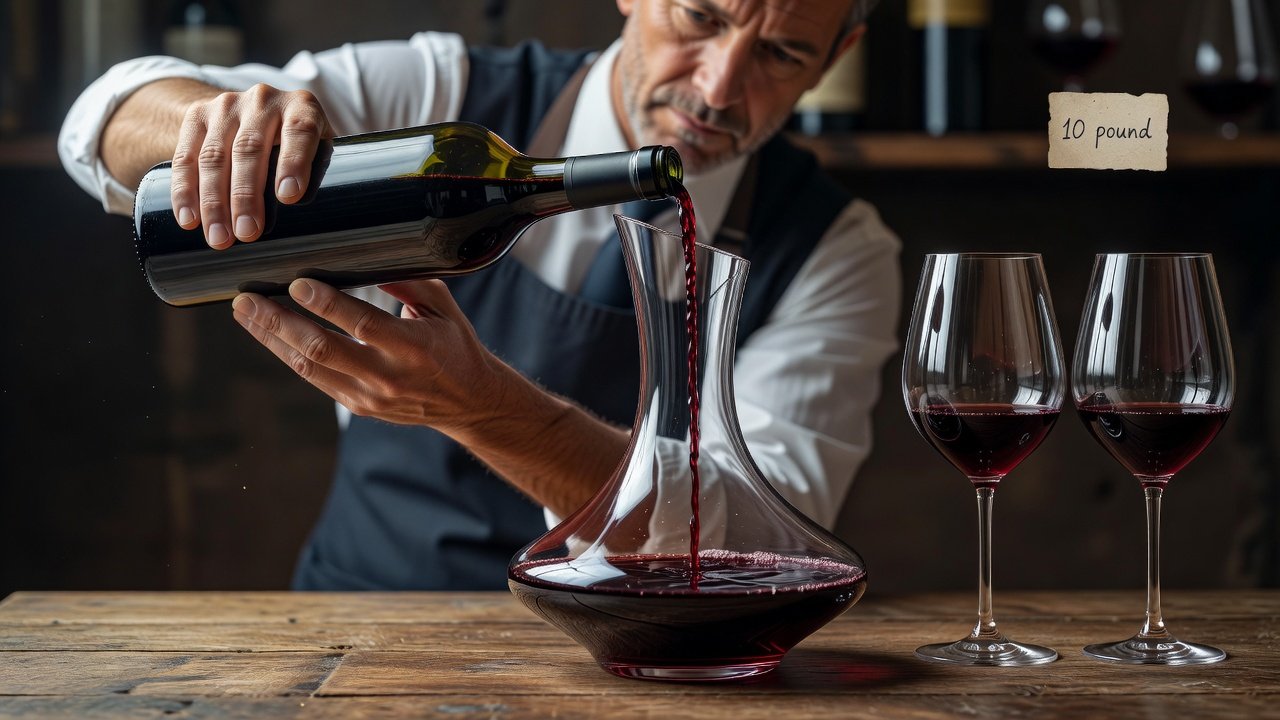
Decanting schedules scale with volume. Young, structured reds in magnum format benefit from 2 to 3 hours of aeration to soften tannins fully, compared to 60 to 90 minutes for standard bottles. Older wines, especially those over 30 years, require only 45 to 90 minutes to avoid flattening the bouquet. Always use a wide-based crystal decanter that increases surface area exposure without excessive splashing.
Pouring technique matters: tilt the bottle gradually over a light source such as a candle or flashlight to watch for sediment movement. Stop pouring once solids near the neck. For very old bottles, employ a wine cradle that maintains the horizontal position until the final moments. Double decanting—pouring into a decanter then back into a clean bottle—can refresh tired wines but should be reserved for robust vintages.
Glass Selection for Optimal Aroma Delivery
Select glasses with bowls exceeding 20 ounces to accommodate the generous pour and allow swirling without spillage. Bordeaux-style glasses with tall sides concentrate Cabernet aromas, while Burgundy glasses with wider openings suit Pinot Noir or aged whites. The stem length provides balance when holding the heavier glass. Avoid small tasting glasses that trap aromas or plastic alternatives that retain odors.
Step-by-Step Handling for Reds
- Remove the magnum from the cellar 24 hours ahead to reach serving temperature gradually, preventing condensation on the label.
- Stand the bottle upright for 4 to 6 hours so sediment settles completely at the base.
- Decant slowly into a large vessel while monitoring clarity with a light behind the neck.
- Serve at 60 to 65°F in appropriately sized red wine glasses, allowing guests to appreciate evolving aromas over the course of the meal.
Step-by-Step Handling for Whites and Aged Vintages
White magnums require gradual chilling to 48 to 55°F using a wine refrigerator rather than ice buckets that cool too quickly and mute flavors. Chardonnay or Riesling in large format often benefits from 20 to 40 minutes of decanting to release developed honey and nut notes. For aged whites showing slight browning, shorter aeration preserves freshness.
Very old vintages demand extra caution. Keep the bottle horizontal in a cradle, decant over a bright light, and have a second decanter ready if sediment travels. Examples include 1978 Burgundy magnums that can throw heavy sediment yet reward careful handling with profound complexity.
Common Pitfalls to Avoid
- Over-decanting fragile aged wines, which strips nuance and leaves them flat.
- Using standard racks that damage corks or cause bottles to roll.
- Ignoring the 8 to 10 pound weight when moving magnums, leading to accidents.
- Storing upright for more than a few days, allowing corks to dry and oxygen to enter.
- Exposing bottles to direct sunlight or strong artificial light during serving.
Choosing the Right Large Format for Your Collection
Match format size to grape variety and intended aging timeline. Cabernet Sauvignon and Nebbiolo excel in magnums because their tannins soften elegantly over 25 to 40 years. Lighter varieties like Pinot Noir may peak earlier even in large bottles. Consider double magnums for special occasions or vertical tastings where one bottle serves 12 to 16 people. Resources from Wine Magazine highlight how format choice influences long-term value and drinking pleasure.
FAQs on Cost and Aging Timelines
How much longer do magnums age compared to standard bottles? Typically 30 to 50 percent longer, allowing wines to reach peak maturity later while maintaining balance.
Are there specific tools recommended for large-format handling? Invest in reinforced racks, a sturdy decanting cradle, and wide decanters. Professional sommeliers also use fine-mesh funnels for sediment control.
What regions produce the best large-format wines for aging? Bordeaux, Burgundy, and Tuscany offer excellent options, with many estates releasing magnums alongside standard bottles for collectors.
Additional guidance appears on sites such as Decanter and Liquor.com, where experts discuss practical cellar strategies.
Conclusion
Magnum and large-format bottles deliver superior aging potential and memorable serving moments when managed with attention to storage, temperature, and technique. By following these detailed sommelier practices, collectors can enjoy wines that evolve gracefully for decades, turning every bottle into a highlight of the cellar.
No comments yet. Be the first!