 Uncorked Conversations
Introduction to Magnum Wine Bottles
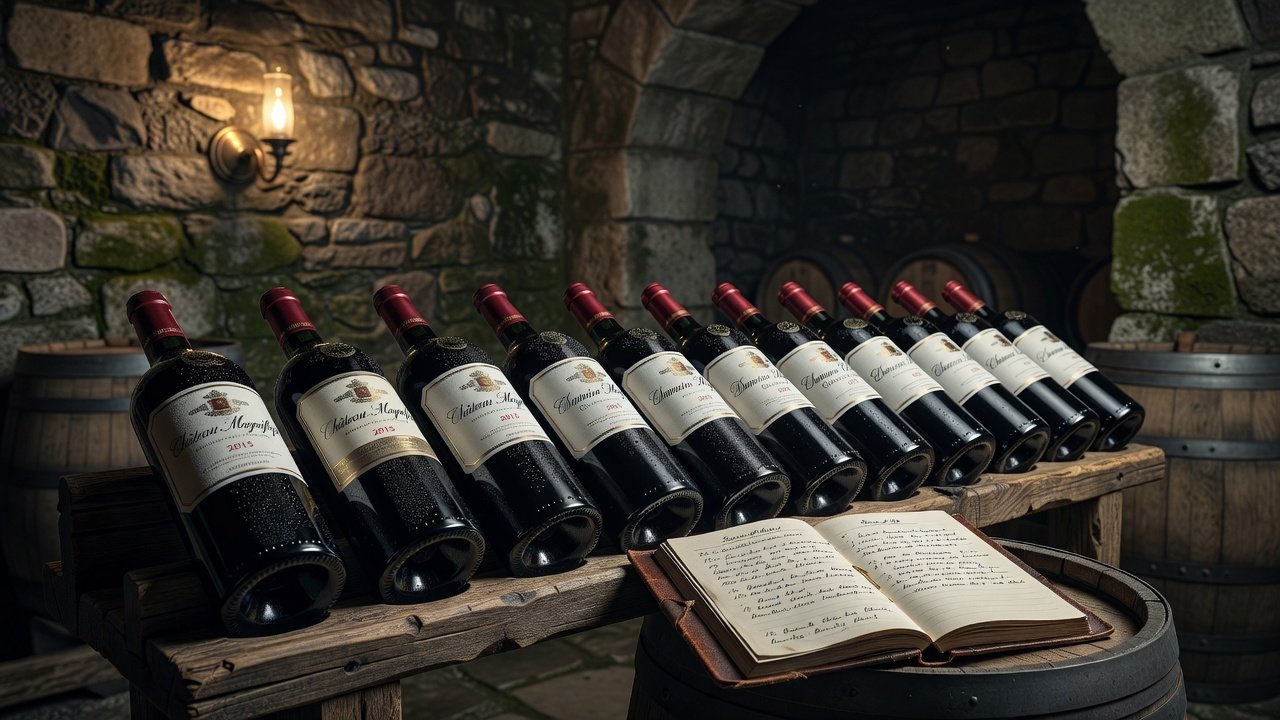
Magnum bottles, holding 1.5 liters or twice the volume of a standard 750ml bottle, offer unique advantages for wine storage and service that both home collectors and professional sommeliers have long appreciated. These larger formats are not merely about quantity but about enhancing the overall wine experience through improved preservation and presentation. Sommeliers frequently recommend magnums for milestone celebrations, corporate events, and serious tastings because the format allows wines to develop more harmoniously. This comprehensive guide delves into practical strategies for optimizing storage, leveraging slower aging, maintaining temperature stability, adjusting decanting protocols, selecting appropriate glassware, and executing flawless service techniques. Whether you manage a modest home cellar or coordinate large-scale events, understanding these nuances can transform how you handle and enjoy fine wines.
Storage Space Optimization with Magnums
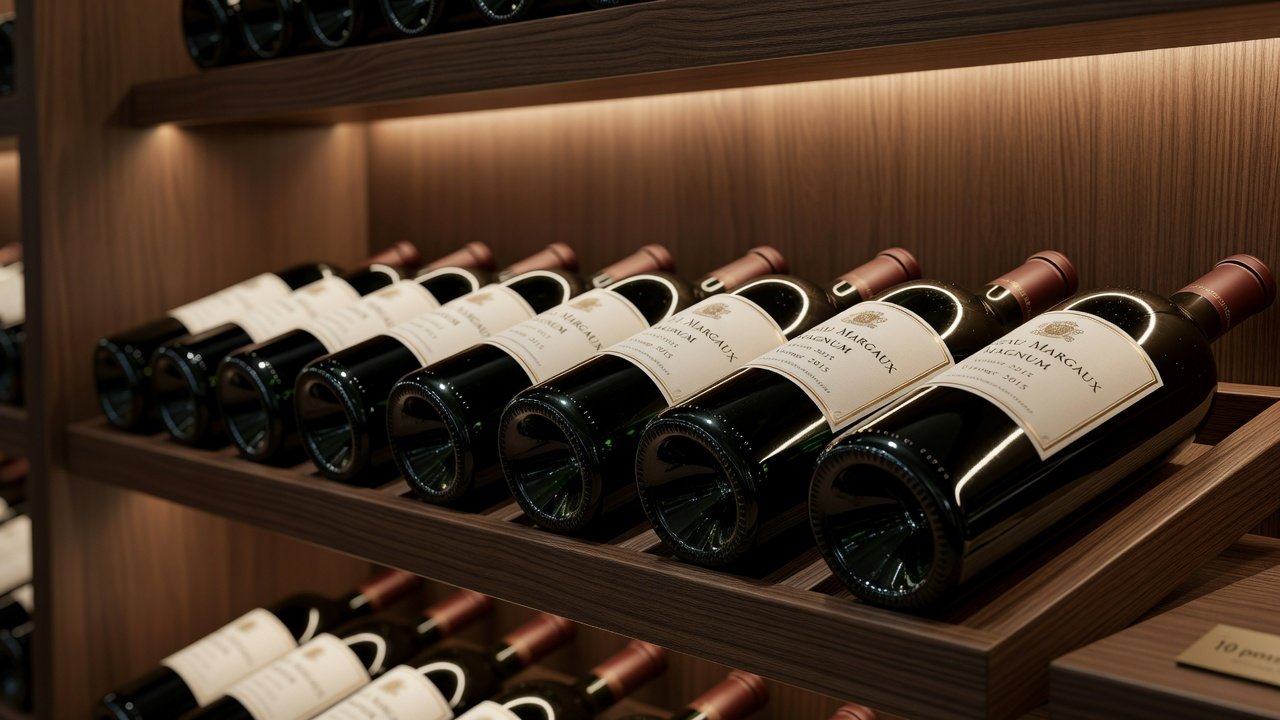
Magnums demand thoughtful spatial planning in any cellar or rack system because of their increased dimensions. Horizontal storage remains essential to keep corks moist and prevent oxidation, yet the larger footprint means collectors often dedicate specific sections or custom-built racks to accommodate them efficiently. Many enthusiasts convert existing standard bottle shelving by removing dividers or installing adjustable wooden cradles that fit two magnums side by side where three standard bottles once sat. This approach minimizes wasted vertical space while protecting labels from light exposure. In professional settings, climate-controlled rooms frequently feature modular racking systems designed specifically for oversized formats, allowing easy rotation and inventory checks. Home users can maximize limited space by stacking magnums in pyramid formations on lower shelves where cooler, more stable air resides, and pairing them with smaller bottles on upper tiers. Regular inspection for leaks or label damage is crucial, as the heavier weight increases pressure on neighboring bottles.
Slower Aging Benefits Explained
The reduced oxygen-to-wine ratio inside a magnum produces markedly slower and more graceful aging compared to standard bottles. With less headspace relative to liquid volume, chemical reactions proceed at a gentler pace, preserving delicate fruit character and allowing tannins to integrate smoothly over extended periods. This benefit shines particularly with structured reds such as Bordeaux blends, Barolo, and Napa Cabernets, where peak drinking windows can stretch an additional five to ten years or more. Sommeliers observe that magnum-aged wines often display greater aromatic complexity and silkier textures upon opening, as the gradual micro-oxygenation through the cork fosters balanced evolution without premature oxidation. Collectors seeking long-term investment value frequently choose magnums for this reason, knowing the format protects against rapid deterioration during power outages or minor temperature swings. White wines and Champagnes also gain from the format, retaining vibrancy and effervescence longer than in smaller vessels.
Temperature Stability Compared to Standard Bottles
The substantial liquid mass in magnums provides superior thermal inertia, buffering internal temperatures against external fluctuations far better than standard bottles. This stability proves invaluable during transport, short-term storage in non-ideal locations, or seasonal changes in home environments. Professionals advise positioning magnums on the lowest racks of a cellar where ambient conditions remain coolest and most consistent, ideally between 12 and 15 degrees Celsius. Digital monitoring with calibrated hygrometers helps maintain relative humidity at 50 to 70 percent, preventing both cork drying and mold growth. In practice, a single magnum can maintain its core temperature for hours longer than multiple standard bottles when removed from a controlled space, reducing stress on the wine during service preparation.

Adjusted Decanting Times for Magnums
Decanting magnums requires extended timelines and careful technique to achieve optimal aeration without overexposure. Most sommeliers allocate 30 to 90 minutes depending on the wine's age, tannin structure, and grape variety, far longer than the typical 15 to 30 minutes for standard bottles. Begin by standing the bottle upright for a full 24 to 48 hours so sediment settles completely at the base. Select a wide-based crystal decanter to maximize surface area contact, then pour in a slow, steady stream while holding a light source behind the bottle neck to watch for sediment. Stop pouring when the last few ounces remain cloudy, preserving clarity in the decanted wine. For very old vintages, some professionals employ a fine mesh strainer or candlelight vigil to catch stray particles. This methodical process ensures the wine opens gracefully, revealing layered aromas and softening harsh edges.
Glass Selection for Larger Pours
Appropriate glassware is essential when serving from magnums to accommodate the generous pour size while promoting proper aeration and aroma concentration. Oversized Burgundy or Bordeaux stems with broad bowls allow ample room for swirling without spillage and help release complex bouquets fully. Avoid narrow flutes or small tasting glasses, which restrict oxygen exposure and make handling awkward with the increased volume. Many sommeliers keep a dedicated set of large-format glasses for events, ensuring each guest receives a balanced pour that fills roughly one-third of the bowl. This choice enhances both visual appeal and sensory experience, particularly for aromatic varieties like Pinot Noir or Syrah.
Step-by-Step Handling Techniques During Service
Flawless service of magnums follows a deliberate sequence that emphasizes safety, elegance, and precision. First, bring the bottle to the correct serving temperature well in advance—reds around 16 to 18 degrees Celsius and whites between 8 and 12 degrees Celsius. Use both hands to lift and present the bottle, one supporting the base and the other cradling the shoulder, to manage the added weight confidently. At the table, tilt the glass slightly and pour steadily along the side to minimize splashing. After each pour, wipe the bottle lip with a clean napkin to maintain a polished appearance. In team service scenarios, a second attendant often manages the decanter or clears used glasses. These steps prevent accidents and elevate the guest experience, turning the act of opening a magnum into a memorable ritual.
Real Sommelier Examples from Events
During a 2024 charity auction in Napa Valley, a lead sommelier decanted two 1995 magnums of Cabernet Sauvignon two hours before service, resulting in wines that showcased remarkable depth and secondary notes praised by all attendees. In another instance at a London hotel gala, staff employed custom wooden cradles to pour multiple magnums of vintage Champagne while maintaining consistent 10-degree Celsius temperatures, avoiding the common issue of rapid warming during prolonged service. These real-world applications demonstrate how proper preparation and handling translate into superior guest satisfaction and wine expression.
Common Pitfalls: FAQ
- How do I store magnums in limited space? Prioritize horizontal racking on lower shelves and invest in modular or custom shelving designed for larger formats to avoid overcrowding.
- Is decanting time the same as for standard bottles? No—extend aeration time by at least 50 percent and always allow full sediment settling beforehand.
- What wines benefit most from magnum format? Age-worthy reds, structured whites, and sparkling wines show the greatest improvements in longevity and flavor development.
- Can I use regular glasses? Larger bowls are strongly preferable to prevent overflow and permit effective swirling and aeration.
- How do I avoid temperature spikes when transporting magnums? Wrap bottles in insulated sleeves and keep them in climate-controlled vehicles whenever possible.
Conclusion
Magnum bottles reward careful storage and attentive service with superior wine quality and impressive presentations that standard formats cannot match. By implementing these sommelier-derived techniques, both collectors and professionals can protect their investments and create exceptional experiences. For additional insights on wine preservation methods, consult resources at Decanter and Wine Enthusiast Magazine.

No comments yet. Be the first!