 Uncorked Conversations
Introduction: Why Wine Label Literacy Matters
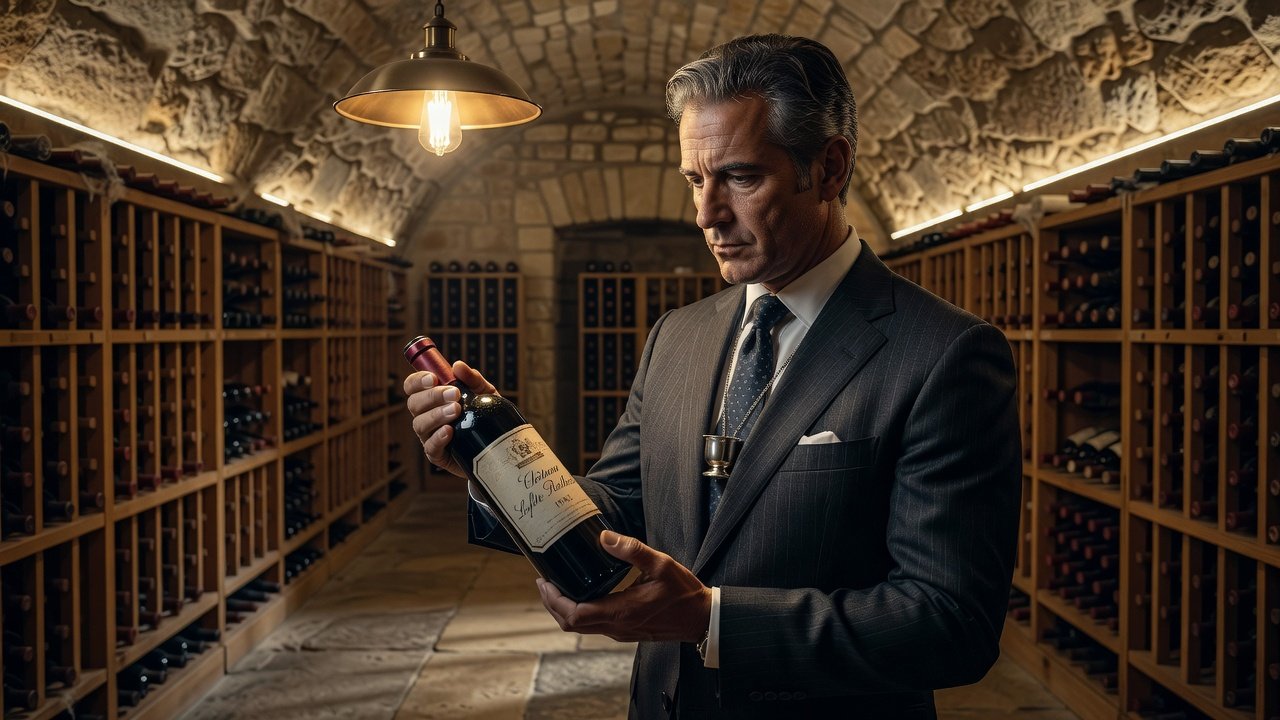
Understanding wine labels is a foundational skill for anyone serious about wine service. Sommeliers rely on specific cues to determine when a bottle is ready to drink, how to store it, and whether decanting will enhance the experience. This guide breaks down the key elements on labels and provides step-by-step methods to assess readiness without guesswork. By mastering these details, you can avoid common pitfalls like serving a wine too early or too late, ensuring every glass delivers optimal flavor, aroma, and texture. Whether you are managing a professional cellar or curating a home collection, label interpretation transforms guesswork into precise decisions that elevate the entire drinking experience.
Key Label Elements Sommeliers Examine
Vintage and Its Implications
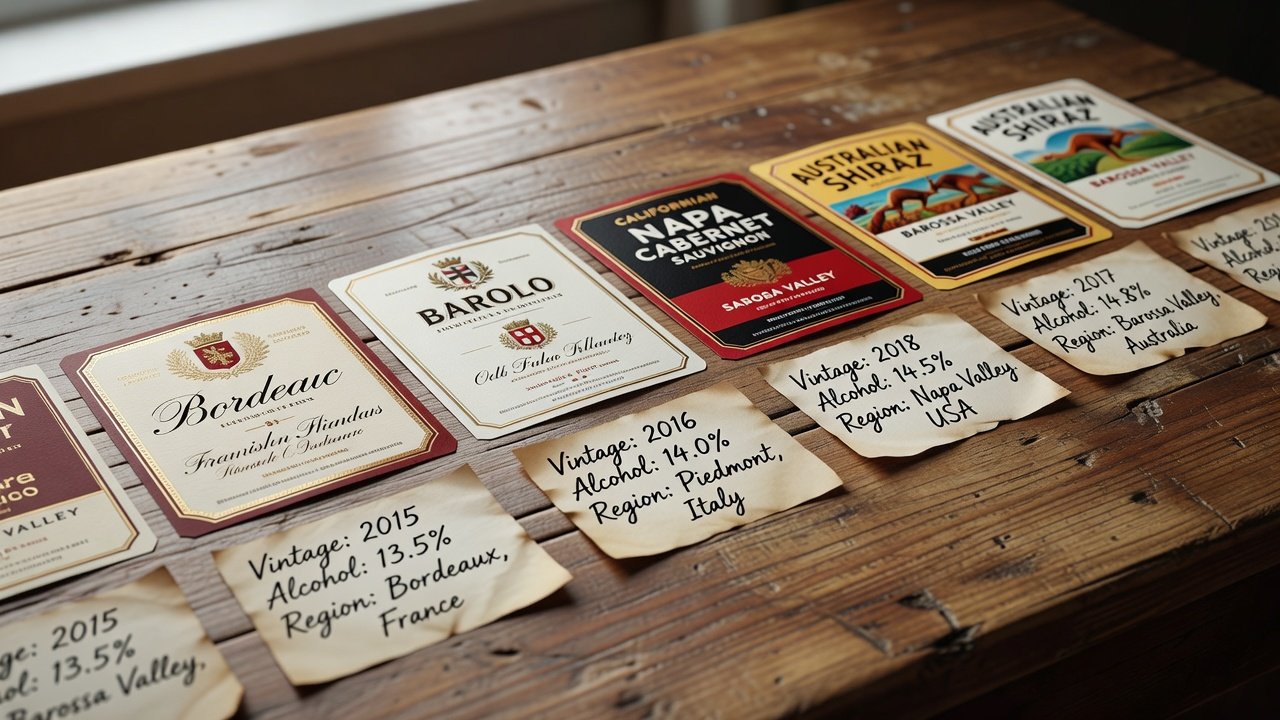
The vintage year indicates the harvest date and influences aging potential. For example, a 2015 Bordeaux from a strong vintage may still need several more years in the cellar, while a 2022 vintage from the same producer might be approachable now. Always cross-reference the vintage with the region’s typical aging curves, as weather patterns in that year directly affect tannin development and acidity levels. Sommeliers often maintain vintage charts for quick reference, noting that exceptional years like 2010 in Burgundy produce wines with extended longevity compared to average harvests.
Region and Appellation
Region names reveal style and aging requirements. Old World regions like Burgundy or Barolo often use more restrained labeling that emphasizes terroir, while New World wines from Napa or Marlborough tend to highlight grape variety and producer techniques. Appellation hierarchies, such as AOC in France or DOCG in Italy, signal quality tiers and expected aging potential that guide serving timelines.
Alcohol Level
Alcohol percentage offers clues about ripeness and body. Wines above 14% ABV are typically fuller and may benefit from decanting to soften tannins, whereas lower-alcohol whites around 12% often shine when served cooler. This metric also hints at climate influences, with warmer regions producing higher-alcohol wines that demand different temperature controls during service.
Producer Notes and Additional Text
Look for phrases such as “estate bottled” or aging statements. These details help predict whether the wine has already undergone extended élevage or requires further bottle aging. Producer reputation and specific vineyard designations further refine these assessments, providing context for storage adjustments.
Old World vs New World Labeling Conventions
Old World labels focus on place names and hierarchy (e.g., Grand Cru), requiring knowledge of classifications. New World labels are more straightforward, listing grape and region prominently. Comparing the two helps sommeliers quickly gauge expected flavor profiles and serving timelines. Decanter provides excellent regional glossaries for deeper reference. In practice, an Old World label might list only the village and cru level, forcing reliance on vintage charts, while a New World label explicitly states the varietal and alcohol, allowing faster readiness evaluation.
Practical Step-by-Step Assessment Method
- Identify the vintage and compare it to known peak drinking windows for that region.
- Note the alcohol level and grape variety to estimate body and tannin structure.
- Check for any aging or reserve designations that indicate prior élevage.
- Decide on storage adjustments: cooler, darker conditions for longer-aging bottles.
- Determine decanting needs based on tannin and sediment potential.
- Evaluate label cues against your available glassware options to match body and aroma intensity.
Storage Adjustments Based on Label Insights
Once you interpret the label, adjust storage accordingly. High-alcohol reds from recent vintages require stable humidity around 55-65% and temperatures below 55°F to prevent premature aging. Lighter whites benefit from even cooler, consistent conditions to preserve acidity. Misreading a label can lead to improper cellaring that shortens a wine’s optimal window by years.
Decanting Needs and Timing
Labels with high tannin indicators or older vintages often call for decanting. A 2005 Barolo might need 45-90 minutes of aeration, while a young New World Syrah benefits from 30 minutes. Always check for sediment clues like “unfiltered” on the label.
Examples for Reds, Whites, and Aged Bottles
For a young Cabernet Sauvignon from Napa, labels often signal immediate drinkability or short-term cellaring of one to three years. A mature Barolo might require 30–60 minutes of decanting to open up its complex aromas. Crisp Sauvignon Blancs from the Loire are best served within two years of vintage for peak freshness, while aged whites like a 2010 Chardonnay from Burgundy demand careful temperature monitoring to highlight developed nutty notes. In each case, the label’s vintage, alcohol, and producer details dictate precise service protocols that maximize enjoyment.
Wine Glasses Selection Guided by Labels
Label details directly influence glass choice. Full-bodied reds with higher alcohol call for larger bowls to allow breathing, while aromatic whites need narrower openings to concentrate delicate scents. Choosing incorrectly can mute flavors or alter perceived temperature, diminishing the wine’s intended profile.
Service Temperature Considerations
Labels rarely state exact temperatures, yet they guide decisions: higher-alcohol reds benefit from 60–65°F service, while lighter whites perform best at 45–50°F. These ranges preserve balance and prevent harsh tannins or muted aromas from emerging during the pour.
Quick-Reference Checklist
- Vintage within recommended drinking window?
- Alcohol percentage appropriate for style?
- Any reserve or aging statements present?
- Region known for early or late drinking?
- Visible sediment risk requiring decanting?
- Label suggests specific glass shape or temperature range?
Common Mistakes to Avoid When Reading Labels
One frequent error is ignoring the vintage in favor of the producer name alone, leading to serving an unready wine. Another is overlooking alcohol levels, which can result in improper chilling that dulls flavors. Always verify regional conventions before assuming readiness.
Common FAQs About Misread Labels
How do misread labels affect wine glasses selection?
Incorrect assumptions about body can lead to choosing the wrong glass shape, altering aroma delivery and temperature retention. Always verify label cues before selecting glassware.
What about service temperature?
Labels rarely state exact temperatures, yet they guide decisions: higher-alcohol reds benefit from 60–65°F service, while lighter whites perform best at 45–50°F.
Can vintage alone determine readiness?
No—combine vintage with region, alcohol, and producer notes for accurate assessment, as climate variations create wide differences even within the same appellation.
Mastering label interpretation removes uncertainty from wine service and elevates every pour. TTB.gov offers official U.S. labeling standards for further study.
No comments yet. Be the first!