 Uncorked Conversations
Sustainable 2026 Natural Wine Festivals: Eco-Travel Tips
Natural wine enthusiasts are increasingly seeking events that align passion for low-intervention wines with environmental responsibility. In 2026, leading festivals across Europe and North America emphasize zero-waste protocols, hyper-local sourcing, and verified carbon offset programs while highlighting organic, biodynamic, and minimal-intervention bottles. These gatherings offer immersive experiences that minimize harm to the planet without sacrificing the joy of discovery. As climate awareness grows among travelers, festivals that integrate sustainability into every aspect of their operations stand out as models for the industry, demonstrating that responsible event planning can enhance rather than detract from the overall experience.
Core Sustainability Practices at 2026 Festivals
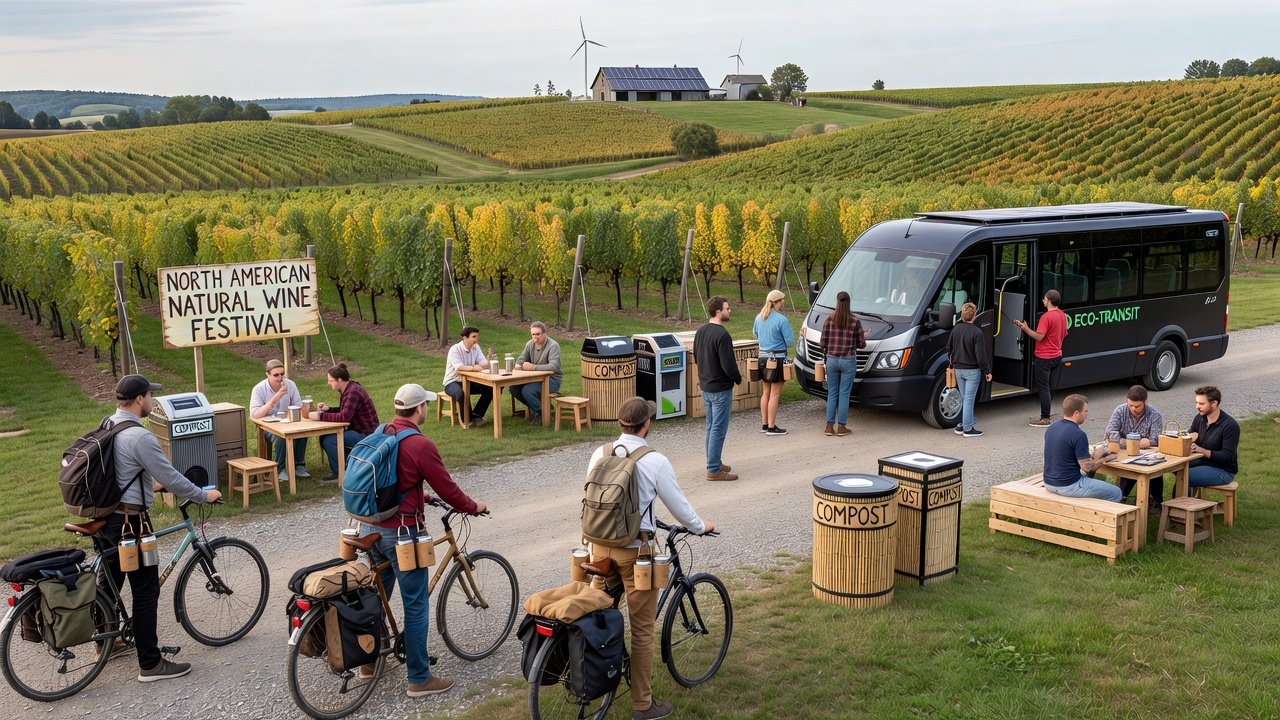
Top events implement closed-loop systems where food scraps become compost for vineyard soils and single-use plastics are eliminated entirely. Organizers partner with local farmers to source ingredients within a 50-mile radius, reducing transport emissions. Carbon offset initiatives fund reforestation projects and renewable energy installations in host communities, ensuring each ticket contributes directly to measurable ecological gains. Beyond basic measures, many festivals now track water usage through smart sensors and promote refill stations to cut bottled water consumption. Attendees can verify these efforts through transparent reporting published on festival websites and third-party audits. Real-time dashboards show waste diversion rates and offset purchases, fostering accountability and allowing visitors to see the direct impact of their participation.
European Festival Highlights
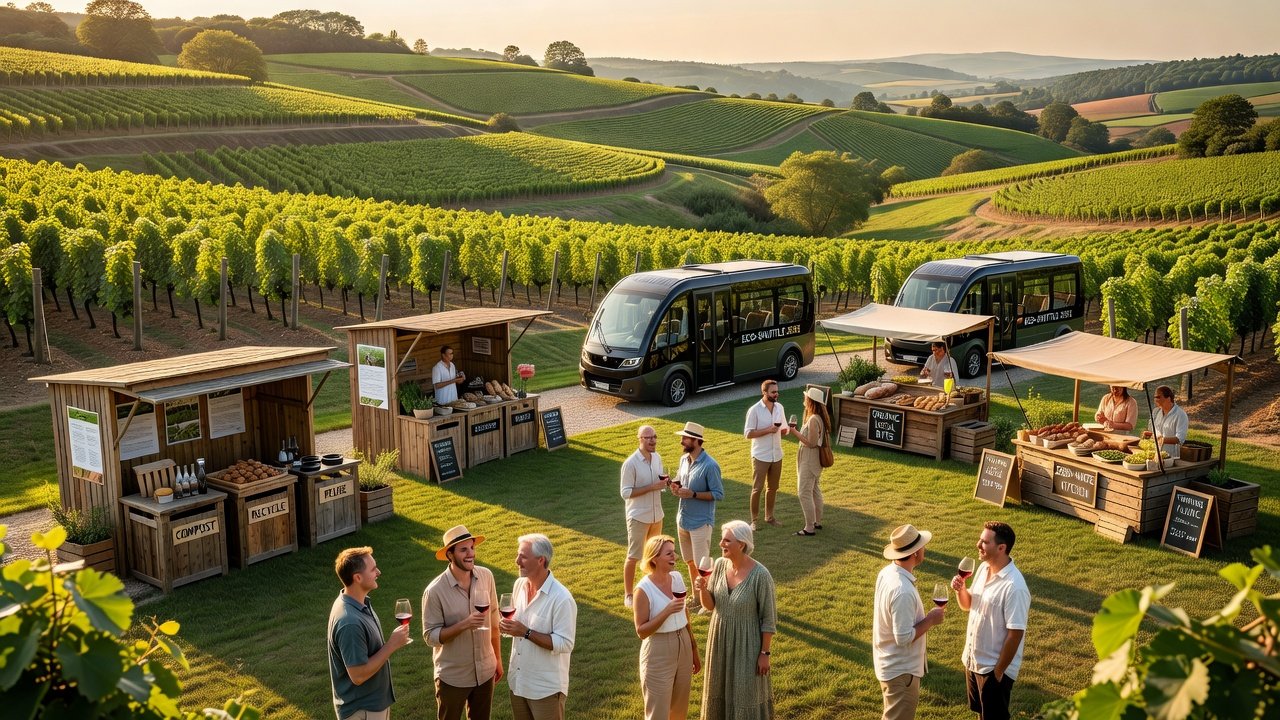
In France, the Loire Valley Natural Wine Fair in May 2026 features open-air tastings across multiple chateaux with reusable glassware and shuttle services powered by biodiesel. Italy’s VinNatur gatherings in April and September emphasize biodynamic producer showcases alongside workshops on regenerative agriculture. Both events report near-complete waste elimination through on-site sorting stations and partnerships with regional recycling cooperatives. Stories from past attendees highlight the wellness benefits of cycling between venues amid rolling vineyards, combining physical activity with mindful tasting sessions that prioritize small pours and palate resets using local herbs. Additional European examples include Spain’s emerging natural wine events in the Priorat region, where solar-powered stages and community clean-up days extend the sustainability focus beyond the tasting tables.
North American Festival Examples
California’s Mendocino Natural Wine Festival in June 2026 centers on coastal vineyards with mandatory reusable tasting kits and electric vehicle charging hubs. Oregon’s Willamette Valley Biodynamic Days in July incorporate educational panels on soil health and offer attendee stories of group train travel that dramatically cut individual carbon footprints. In Canada, British Columbia’s Okanagan Valley events in August mirror these approaches with emphasis on indigenous land stewardship practices integrated into festival programming. Participants often describe enhanced enjoyment from the slower pace of sustainable transport, allowing deeper conversations with winemakers and appreciation for the surrounding landscapes. These North American festivals frequently collaborate with local conservation groups to restore habitats affected by past agricultural practices.
Low-Impact Transportation Options
Choose rail or bus networks where available, as these options significantly lower emissions compared to solo driving. Many festivals provide discounted group shuttles or partner with bike-share programs near venues. For longer distances, investigate carbon offset flight packages verified by recognized standards bodies. Practical steps include checking regional transit apps in advance, coordinating carpools through festival forums, and selecting accommodations within walking distance of event sites. United Nations Environment Programme resources offer guidance on calculating personal travel impacts before booking. Comparing options reveals that trains emit roughly one-tenth the carbon of equivalent flights, making them ideal for inter-city movement between festival clusters.
Essential Packing Checklist for Eco-Travelers
Preparation plays a key role in reducing your footprint at any wine festival. Start with a reusable stainless steel or glass water bottle to avoid single-use plastics at refill points. Bring a compact tote bag made from recycled materials for carrying purchases and avoid plastic bags provided by vendors. Include a refillable notebook and pen for tasting notes instead of relying on printed materials. Layered clothing from natural fibers helps adapt to variable weather without excess luggage weight. Add a portable cutlery set and cloth napkin for any food samples to eliminate disposable utensils. Download digital tickets and maps in advance to reduce paper use. Consider a small first-aid kit with natural remedies and a power bank charged from renewable sources at home to stay prepared without drawing on event electricity.
Comparing Festival Sustainability Scores
Independent evaluators rank events based on waste metrics, sourcing distances, energy sources, and community impact. Festivals scoring highest typically achieve over 95% waste diversion and source 80%+ of supplies locally. Cross-reference scores from multiple years to identify consistent performers rather than one-off efforts. Look for categories such as biodiversity support, where events plant cover crops or maintain pollinator gardens on-site. U.S. Environmental Protection Agency guidelines provide frameworks for assessing these criteria at any event. European events often excel in water stewardship due to stricter regional regulations, while North American festivals lead in electric infrastructure adoption.
Maximizing Wellness Benefits
Combine festival visits with mindful practices such as vineyard hikes and balanced meals featuring seasonal produce. Hydration and moderation in tasting sessions support clearer sensory experiences and reduce next-day fatigue. Many attendees report lasting positive effects from the combination of nature immersion and community connection. Scheduling downtime between tastings allows for reflection and prevents sensory overload. Incorporating yoga sessions or guided meditation offered at select festivals further enhances the restorative aspects of the trip.
Attendee Responsibilities and Best Practices
Responsible participation extends beyond the event itself. Support vendors who use compostable packaging and share feedback with organizers about areas for improvement. Engage with educational sessions on topics like soil regeneration to deepen your understanding of natural winemaking. By choosing to attend multiple events in one region rather than scattered locations, you further minimize travel emissions while building a stronger sense of place.
FAQs on Verifying Eco-Credentials
How can I confirm a festival’s zero-waste claims? Request published waste reports and look for certifications from recognized environmental organizations. Contact organizers directly for details on offset providers and third-party verification processes.
What transportation choice offers the lowest impact? Trains and buses generally outperform cars and planes; within regions, bicycles or electric shuttles are ideal for short distances.
Are natural wines at these events always organic? Most emphasize certified organic or biodynamic grapes, but always check producer lists for specific practices and visit vineyard websites for transparency reports.
How do I maximize wellness during a multi-day festival? Prioritize sleep, stay hydrated with water between tastings, and balance wine consumption with nutritious local foods to maintain energy and enjoyment throughout the event.
Responsible planning transforms wine travel into a force for positive change. By selecting verified sustainable festivals and adopting low-impact habits, enthusiasts contribute to healthier vineyards and communities while savoring exceptional wines. These 2026 events set a benchmark for the future of conscious celebration in the natural wine world.
No comments yet. Be the first!