 Uncorked Conversations
2026 Natural Wine Festivals: Itineraries, Tips & Planning
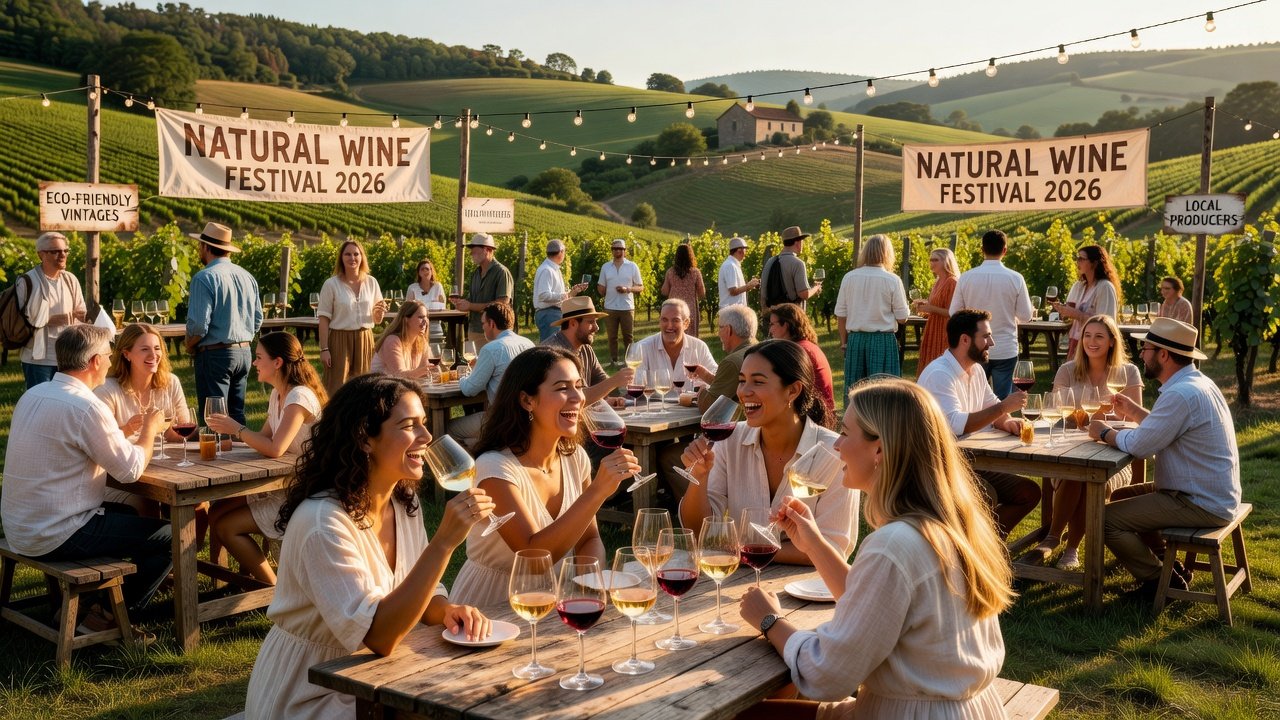
Natural wine continues to captivate enthusiasts who value minimal intervention, native yeasts, and authentic expressions of terroir. In 2026, four standout festivals across Europe and North America offer deeper immersion than standard trade shows. These events emphasize education, sustainability, and memorable pairings while welcoming both professionals and passionate consumers. This comprehensive guide delivers actionable day-by-day itineraries, travel logistics, tasting formats, budget considerations, and strategies for early ticket access. Readers will also find comparisons of crowd sizes, workshop quality, and practical advice for combining multiple events into a single rewarding trip.
Why Attend Natural Wine Festivals in 2026
Unlike conventional wine fairs, natural wine gatherings prioritize low-sulfur, unfined, and unfiltered bottles produced with organic or biodynamic methods. Attendees gain direct access to makers who discuss fermentation techniques, vineyard challenges, and climate adaptation. The 2026 lineup builds on previous years by expanding educational programming and reinforcing zero-waste policies. Whether you seek new producers for your cellar or simply want to refine your palate, these festivals provide structured opportunities for learning and networking that online research cannot replicate.
RAW Wine London – April 2026
RAW Wine London stands as one of Europe’s most influential natural wine platforms. The three-day event rotates between historic halls and modern venues in central London, drawing producers primarily from Italy, France, Spain, and the United Kingdom.
Day-by-Day Schedule and Logistics
- Day 1: Afternoon registration opens at 1pm with a welcome tasting featuring over 80 tables. Focus areas include skin-contact whites and sparkling natural wines. An evening networking dinner pairs wines with foraged British ingredients such as wild garlic and smoked fish. Public transport via the Tube is recommended; many attendees stay in Bloomsbury for easy access.
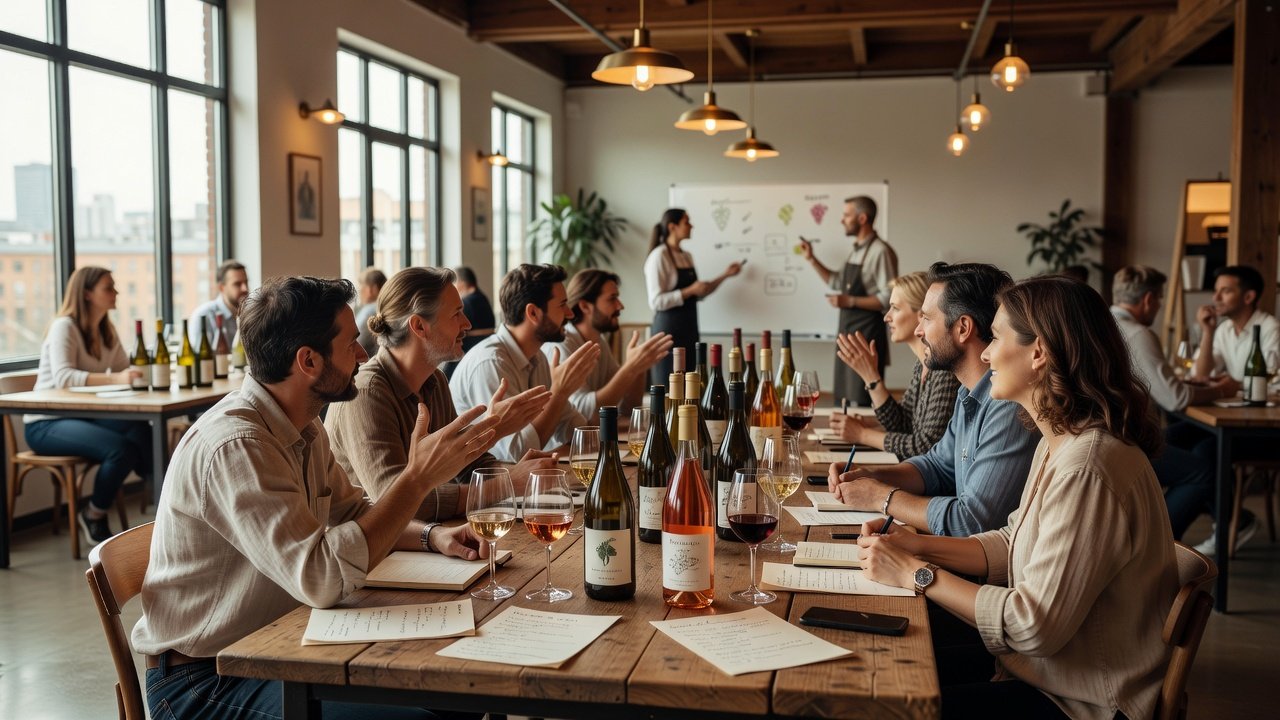
- Day 2: Full-day marketplace runs from 10am to 6pm. Two concurrent workshops cover biodynamic preparations and the science of malolactic fermentation. Evening cheese and charcuterie pairings highlight small-batch British producers. Allocate time between tables to avoid palate fatigue; water stations and palate cleansers are provided throughout.
- Day 3: Morning technical masterclass on sustainable packaging solutions concludes with a final open tasting until 5pm. Many producers offer limited library bottles for sale on this closing day.
Travelers should book accommodations early because April coincides with peak tourism. The festival promotes reusable glassware and carbon-offset travel options for international visitors.
RAW Wine official site lists updated producer rosters and sustainability guidelines each January.
Vini Veri in Verona, Italy – May 2026
Vini Veri celebrates Italian natural wine heritage with a strong regional focus. Held in Verona’s historic exhibition spaces, the fair attracts both local growers and international buyers interested in biodiversity preservation.
Detailed Itinerary and Pairing Highlights
- Day 1: Veneto and Friuli vertical tastings begin at 9am. Afternoon workshop examines soil microbiome health and its impact on wine character. Evening event features risotto and polenta pairings using seasonal produce.
- Day 2: All halls open 9am–7pm. Dedicated sections showcase natural wines from Sicily and Piedmont. Evening tasting menu pairs wines with regional cheeses and cured meats.
- Day 3: Climate adaptation panels run in the morning, followed by a closing marketplace. Many attendees extend their stay with visits to nearby Valpolicella estates.
Verona’s efficient train network makes day trips from Milan or Venice feasible. The festival enforces strict zero-waste rules, including compostable tasting cups and on-site recycling stations.
Portland Natural Wine Festival – July 2026
This North American highlight occurs in Oregon wine country and emphasizes Pacific Northwest producers alongside select international guests. The intimate scale allows meaningful conversations with winemakers.
Day-by-Day Breakdown and Workshop Focus
- Day 1: Opening reception at a historic farmstead starts at 4pm with 60-plus tables. A concurrent workshop explores wild fermentation science and its risks. Evening reception pairs wines with foraged mushrooms and Pacific seafood.
- Day 2: Full tastings run 10am–6pm alongside optional vineyard tours. Educational sessions cover regenerative farming practices and their measurable soil improvements.
- Day 3: Morning panels discuss marketing natural wine to new audiences, followed by a farewell tasting until 4pm.
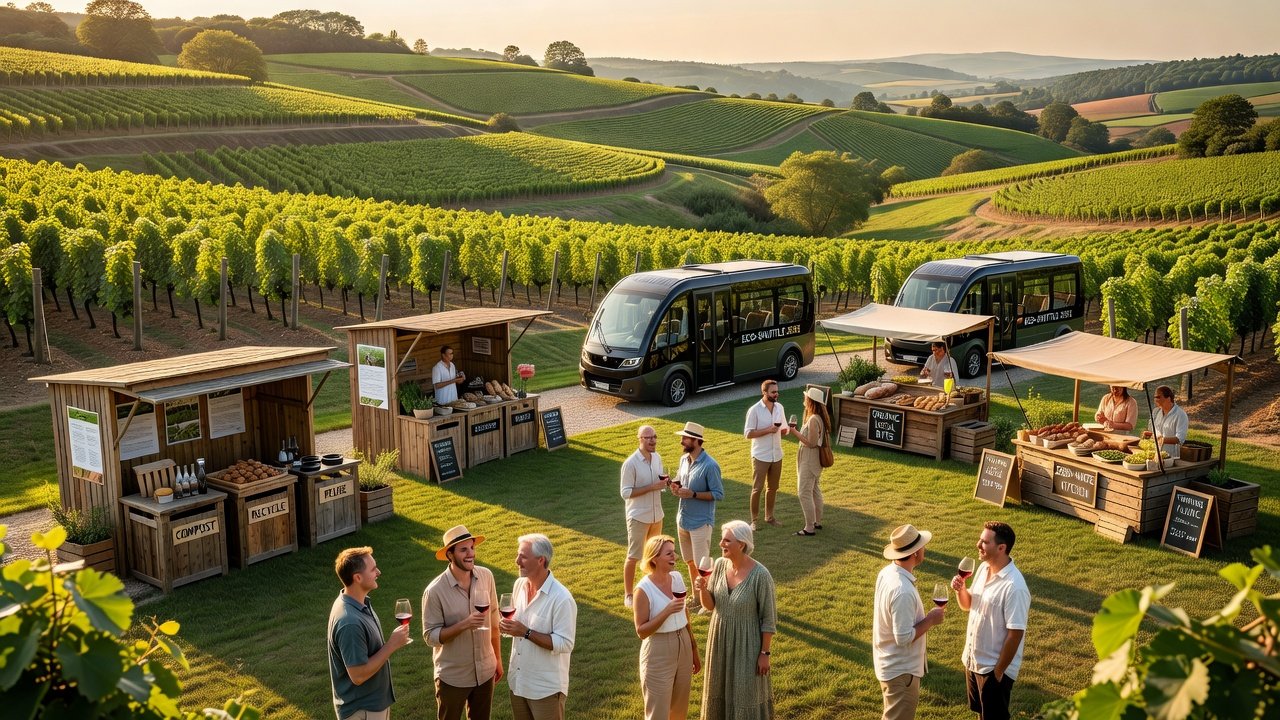
Crowd sizes stay moderate, typically under 1,500 daily attendees, creating a relaxed atmosphere compared with larger trade events. Sustainability measures include electric shuttle buses between venues and mandatory producer composting protocols.
Montreal Natural Wine Fair – September 2026
The Canadian event blends French-Canadian producers with international natural wine makers inside vibrant urban venues. September timing offers pleasant weather and fewer crowds than summer festivals.
Practical Schedule and Educational Offerings
- Day 1: Afternoon opening features Quebec and Ontario tables. Workshop on sensory evaluation techniques helps attendees identify oxidation and brettanomyces notes common in natural wines.
- Day 2: Full-day tastings include international producers from Georgia and Slovenia. Evening pairings highlight local charcuterie and maple-glazed dishes.
- Day 3: Closing panels address regulatory challenges facing natural wine importers in North America.
Attendees often combine the fair with visits to nearby cideries and craft breweries that also follow low-intervention principles.
Budget Planning, Ticket Strategies, and Sustainability Practices
Budget planning should account for accommodation, transport, tasting fees, and meals. Mid-week flights and shared lodging consistently reduce overall expenditure. Focus on flexible qualitative estimates that adjust by destination and travel style rather than fixed figures. Many festivals offer tiered ticket options; priority access usually opens four to six months ahead. Subscribe to official newsletters and follow verified social channels for advance-sale announcements. Last-minute tickets are rare because capacity limits protect both producers and attendees.
Sustainability practices differ slightly by location yet share common themes. Expect carbon-offset programs, reusable glassware, local food sourcing, and mandatory composting at every venue. RAW Wine and Vini Veri emphasize producer-led biodiversity projects, while Portland and Montreal highlight regenerative agriculture metrics. Participants who travel by train or offset flights contribute directly to these goals.
Comparing Crowd Sizes, Workshops, and Combining Events
Crowd sizes vary meaningfully. RAW Wine London draws the largest professional audience, often exceeding 3,000 daily visitors. Vini Veri maintains a medium scale with strong Italian regional representation. Portland and Montreal keep daily attendance under 1,500, allowing longer conversations at each table. Workshop quality remains consistently high across all four events. European festivals lean toward technical viticulture topics such as soil health and native yeast selection. North American events frequently add business-oriented sessions on marketing and import regulations.
Combining multiple festivals is entirely feasible with careful sequencing. The April-to-May gap between RAW Wine and Vini Veri supports a logical European itinerary with a short recovery window. Portland in July followed by Montreal in September creates a manageable North American pairing using domestic flights. Allow at least one rest day between events to maintain palate sensitivity. A short FAQ addresses common planning questions.
FAQ on Combining Multiple Events
- Can I combine RAW Wine and Vini Veri? Yes. The calendar gap permits travel between London and Verona with time for recovery and additional winery visits.
- What about North American sequencing? Portland in July and Montreal in September work well together; domestic flights are straightforward and September weather in Quebec remains comfortable.
- How do educational workshops compare? European events emphasize microbiology and vineyard practices while North American programs often include sessions on distribution and consumer education.
- Is palate fatigue a concern when attending back-to-back days? Yes. Schedule water breaks, use provided palate cleansers, and limit daily tasting volume to preserve sensitivity for later sessions.
These festivals reward advance planning, genuine curiosity about low-intervention methods, and respect for sustainability protocols. Attendees who prepare detailed schedules, study producer lists beforehand, and prioritize educational sessions return with both memorable tastings and professional connections that last well beyond 2026.
For additional context on natural wine movements and producer profiles, consult authoritative resources such as Decanter and Wine Enthusiast.
No comments yet. Be the first!