 Uncorked Conversations
Introduction to 2026 Natural Wine Festivals
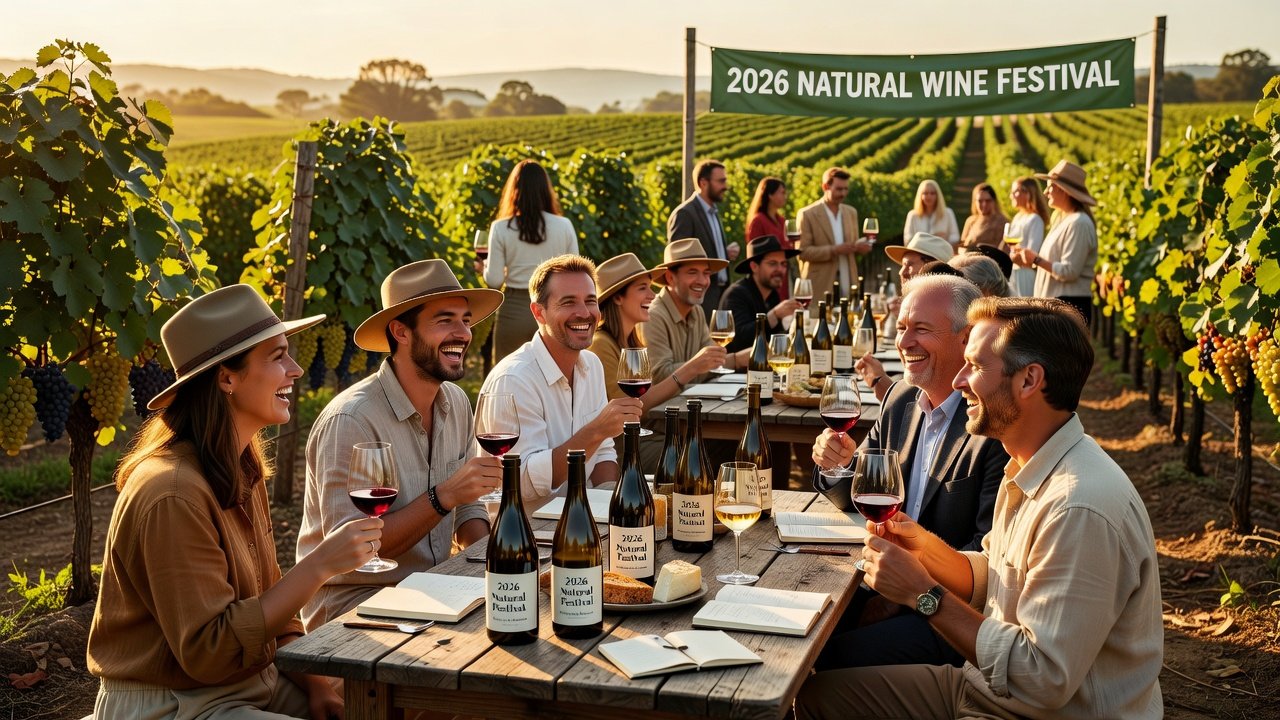
Natural wine festivals in 2026 promise immersive experiences centered on biodynamic and low-intervention producers. These events go beyond standard tastings by emphasizing sustainable viticulture, real producer stories, and educational sessions on organic practices. Travelers seeking authentic encounters will find festivals that blend unique wine discoveries with insights into lesser-known regions and global trends in regenerative agriculture. The growing interest in natural wines stems from a desire for transparency in winemaking and a connection to the land, making these festivals ideal for both novices and seasoned enthusiasts who value authenticity over mass-produced options.
With a focus on minimal intervention winemaking, attendees can expect pours from vineyards that prioritize soil health and biodiversity. This year’s lineup highlights events across Europe, North America, and beyond, offering formats from intimate cellar tours to large-scale outdoor gatherings that foster community and knowledge sharing.
Standout Festival Formats and Featured Tastings
Many 2026 festivals adopt formats that include guided walks through biodynamic vineyards followed by seated tastings. Organic wine selections often feature skin-contact whites and low-sulfur reds from small producers. Expert-led sessions cover topics like regenerative farming and natural fermentation techniques, allowing participants to sample rare cuvées while learning the stories behind each bottle. For instance, events may showcase vertical tastings of the same vineyard’s wines across multiple vintages to illustrate how natural methods evolve over time.
In addition, some festivals incorporate interactive elements such as blind tasting challenges or collaborative blending sessions where attendees create their own small-batch expressions under guidance. These formats create memorable experiences that highlight the diversity of natural wine styles, from cloudy pét-nats to earthy orange wines.
Expert-Led Sessions on Sustainable Practices
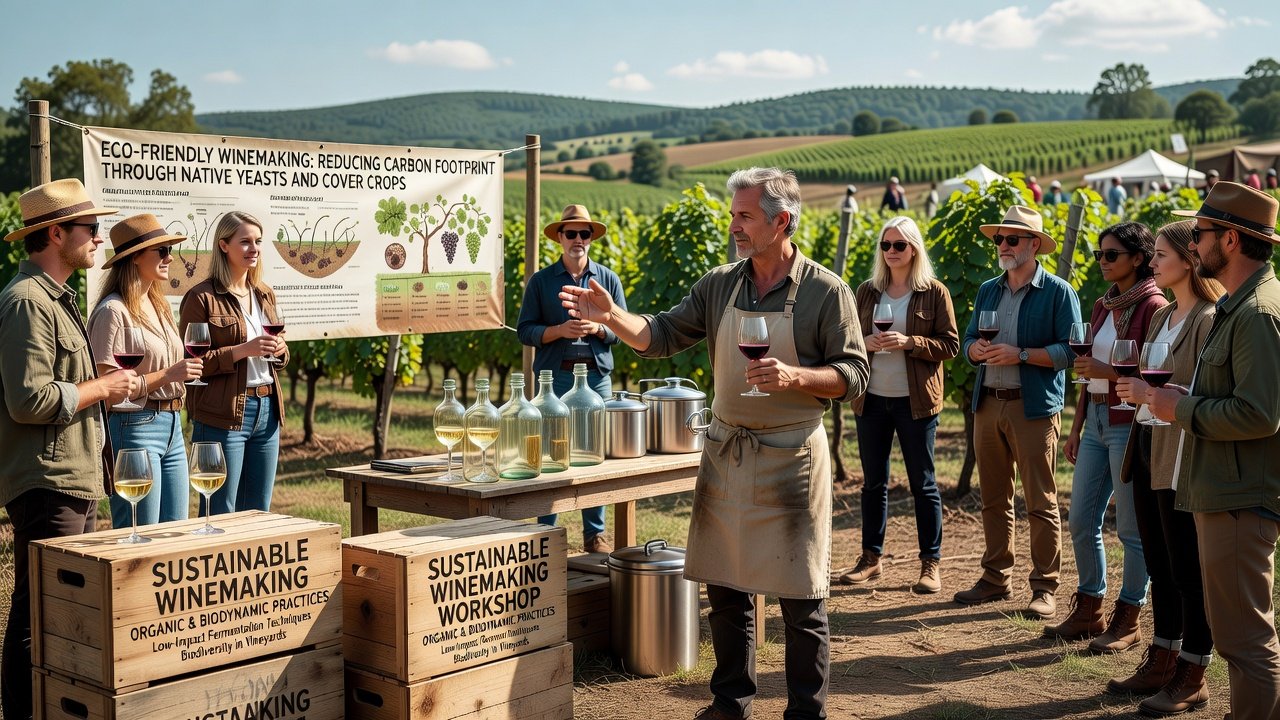
Sessions at these festivals frequently feature winemakers sharing stories of transitioning to biodynamic methods. Attendees learn about cover cropping, composting, and avoiding synthetic additives. These talks connect directly to broader environmental goals, including water conservation in viticulture and the preservation of indigenous grape varieties threatened by climate change. Practical demonstrations often include soil testing workshops and discussions on how lunar cycles influence vineyard work in biodynamic traditions.
Resources from organizations like the International Organisation of Vine and Wine offer additional context on international standards. Similarly, insights from the Food and Agriculture Organization of the United Nations underscore the role of sustainable practices in global agriculture, which many festival sessions reference when discussing vineyard ecosystems.
Discovering Lesser-Known Regions and Continental Comparisons
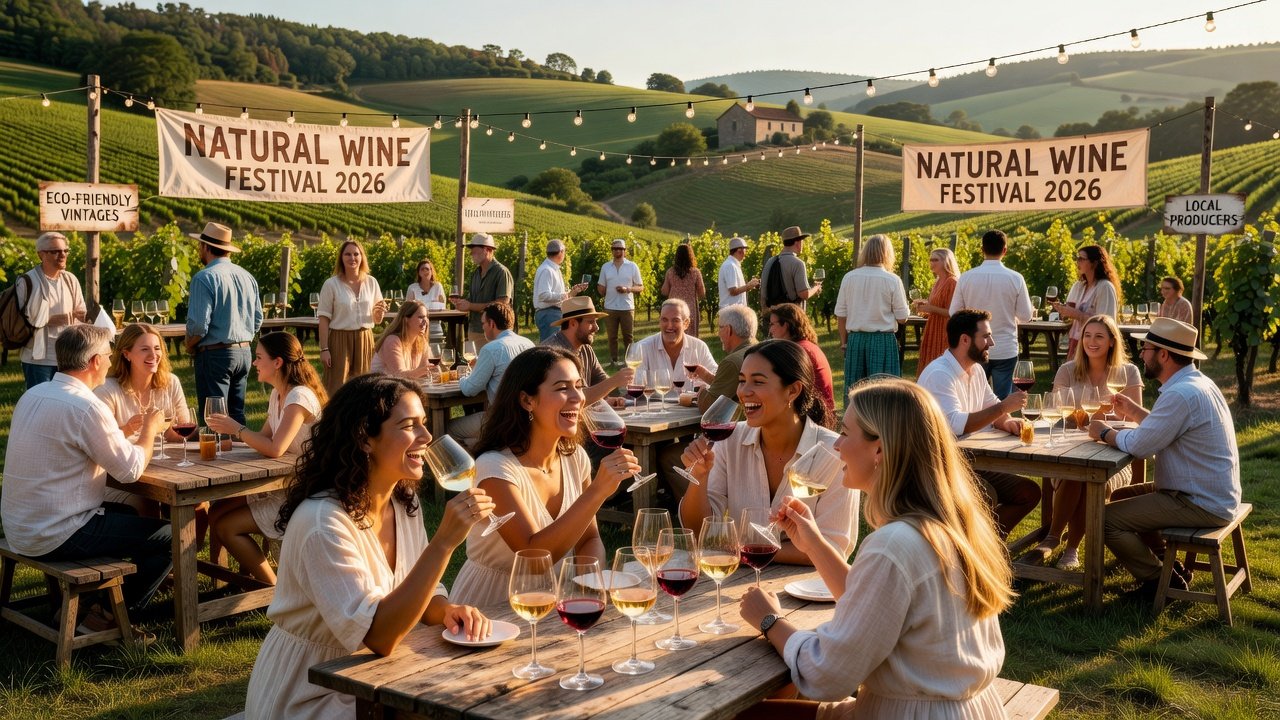
Festivals encourage exploration of emerging areas like Slovenia’s Vipava Valley or Oregon’s Willamette Valley fringes. These spots offer unique terroirs with fewer crowds compared to established regions, allowing for more personal interactions with producers. European events tend to be more intimate with a focus on heritage grapes and historic cellars, while North American festivals often include larger vendor halls, live music, and family-friendly activities. Asian gatherings, though smaller, highlight innovative natural producers adapting traditional techniques to local climates, and South American festivals balance scale with strong community elements that celebrate indigenous winemaking heritage.
Comparisons reveal that European festivals emphasize history and terroir expression, whereas those in the Americas prioritize accessibility and educational breadth. This variety ensures travelers can select events matching their interests, whether seeking quiet vineyard strolls or vibrant marketplace atmospheres.
Attendee Tips for Immersive Experiences
Plan ahead by researching producer lineups and booking producer dinners early. Engage directly with winemakers to hear personal stories behind each bottle, such as challenges faced during drought years or experiments with amphora aging. Combine festival visits with regional hikes or farm-to-table meals for deeper connections to the locale. Focus on events that offer multi-day passes to allow time for both tastings and educational workshops, and consider joining group discussions on topics like biodiversity corridors in vineyards.
Packing Checklist for Festival-Goers
- Reusable wine glass and tasting notebook
- Comfortable walking shoes for vineyard tours
- Layered clothing for variable outdoor weather
- Portable charger and festival app downloads
- Light jacket or scarf for evening events
- Reusable water bottle to stay hydrated between tastings
- Sunscreen and hat for daytime outdoor sessions
- Small backpack for carrying purchases and notes
Pairing Recommendations
Pair low-intervention reds with aged cheeses or grilled vegetables to highlight earthy notes. Biodynamic whites complement seafood or herb-forward dishes, while natural rosés pair beautifully with charcuterie boards featuring local cured meats and olives. Experiment further by matching skin-contact wines with spicy Asian-inspired cuisine or aged orange wines with roasted root vegetables, creating balanced flavor profiles that enhance the tasting experience.
Travel Logistics, Accessibility, and Mistakes to Avoid
Coordinate travel by checking transportation options to remote vineyard locations and securing accommodations near festival venues. Many events provide shuttle services, but advance planning helps avoid logistical hiccups. For accessibility, confirm wheelchair access, sign language interpretation, and dietary options for pairings. Common mistakes include overbooking sessions without breaks, neglecting to pace tastings with food, or failing to research visa requirements for international travel. Avoid these by creating a flexible itinerary that includes downtime for reflection and networking.
Real Producer Stories and Additional Insights
One recurring highlight involves producers recounting their shift from conventional to natural methods, often detailing how adopting Demeter certification transformed their operations. These narratives provide inspiration and practical takeaways for aspiring winemakers or curious consumers. Additional sessions may explore the intersection of natural wine with culinary traditions, offering cross-cultural perspectives that enrich the overall festival experience.
The Demeter International site serves as a valuable reference for understanding biodynamic standards discussed at many events.
Budget Considerations and Expanded FAQs
Many festivals offer tiered ticket options ranging from day passes to full immersions. Factor in travel, lodging, and additional tastings when planning. Look for early-bird registrations to maximize value, and consider group travel for shared costs on transportation.
Frequently Asked Questions
Are these festivals accessible for beginners? Yes, most include introductory sessions suitable for all levels with clear explanations of natural wine principles.
How do I find producer stories? Attend scheduled talks and visit smaller booths for personal conversations that reveal unique vineyard histories.
What about accessibility needs? Check venue websites for wheelchair access, dietary accommodations, and family options well in advance.
Can I discover new regions easily? Yes, many events feature maps, regional spotlights, and guided tastings focused on emerging areas.
Are there options for non-drinkers? Some festivals include educational components or non-alcoholic pairings derived from vineyard produce.
How sustainable are the events themselves? Organizers increasingly prioritize zero-waste policies, local sourcing, and carbon offset programs.
Conclusion
2026 natural wine festivals deliver educational and sensory-rich experiences for enthusiasts. By focusing on biodynamic producers and sustainable themes, these events create meaningful connections to the land and its wines. Start planning now to secure spots at the most compelling gatherings worldwide and embrace the opportunity to deepen your appreciation for natural winemaking traditions.
No comments yet. Be the first!