 Uncorked Conversations
Introduction: The Timeless Allure of Wine Stories in Gastronomy
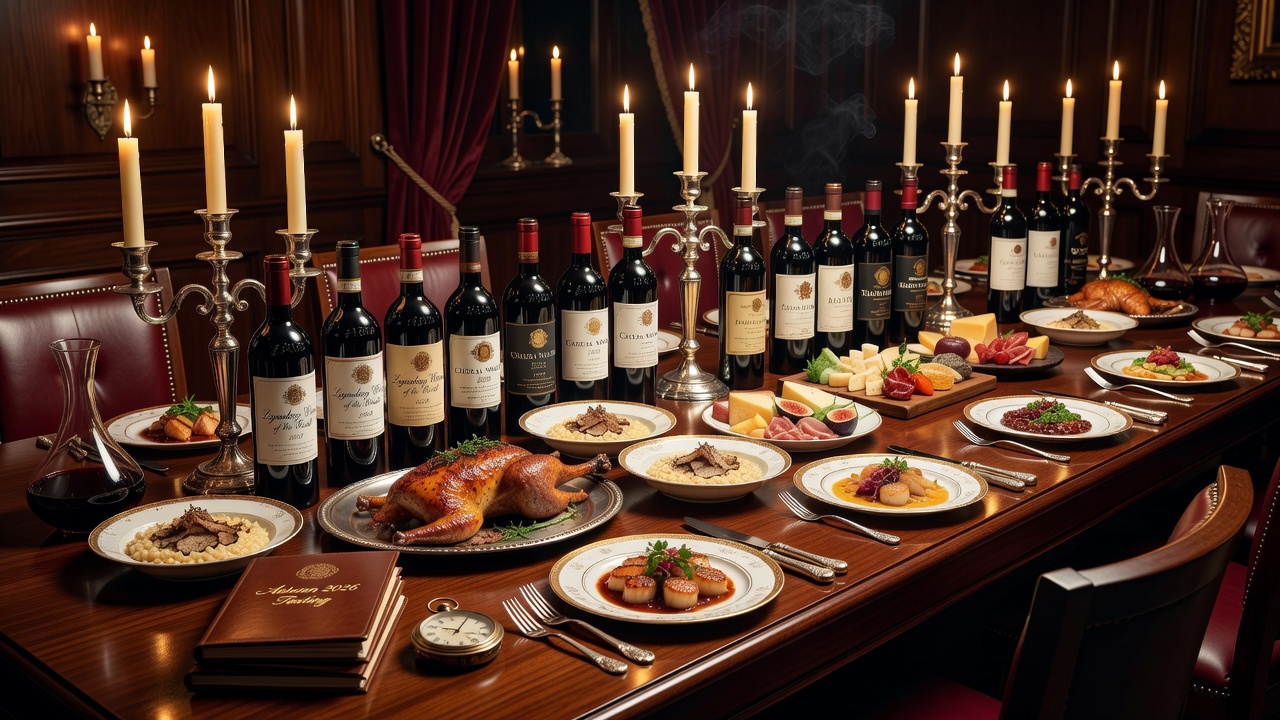
Wine stories have long captivated enthusiasts, weaving narratives of heritage, innovation, and cultural exchange that elevate everyday meals into profound experiences. In 2026, these winemaker stories continue to shape gastronomic experiences worldwide, transforming ordinary dinners into immersive journeys that blend history with contemporary creativity. This comprehensive guide delves into how legendary figures from vineyard history inspire modern food pairings, providing actionable advice for creating memorable tablescapes that resonate with both traditionalists and forward-thinking diners. By focusing on narrative-driven content, readers can discover practical ways to incorporate these tales into their own culinary adventures, enhancing both flavor profiles and emotional connections at the table.
Historical Examples of Legendary Pairings
Centuries-old tales from European estates reveal pairings that defined entire eras of dining culture. For instance, the legendary winemaker stories from Bordeaux highlight how Château Lafite Rothschild's 18th-century vintages complemented roasted game birds, a tradition rooted in royal banquets where the wine's structure mirrored the richness of the dishes. Similarly, Italian winemaker legends from Tuscany paired robust Chianti with hearty pasta dishes, emphasizing regional ingredients like wild boar and tomatoes that echoed the terroir of the vineyards themselves. In France's Champagne region, the stories of Dom Pérignon-inspired pairings with delicate seafood courses underscored the sparkling wine's acidity cutting through creamy textures. These historical precedents underscore the narrative power of wine, where each bottle tells a story of soil, climate, and human endeavor passed down through generations. Enthusiasts today draw from these examples to craft experiences that honor the past while delighting modern palates, often recreating menus with authentic period recipes adapted for current availability.
Further afield, Spanish winemaker legends from Rioja tell of Tempranillo wines paired with aged cheeses during harvest festivals, creating a harmony between the wine's tannins and the cheese's creaminess. Such pairings not only satisfied hunger but also celebrated the cultural significance of the harvest season, turning meals into storytelling sessions about resilience and tradition.
Traditional vs. Innovative 2026 Approaches
Traditional pairings rely on classic matches like Cabernet Sauvignon with grilled meats or Pinot Noir with earthy mushrooms, emphasizing balance, acidity, and regional synergy developed over decades. In contrast, 2026 approaches embrace experimentation, incorporating global fusion elements such as pairing aged Burgundy with Korean-inspired short ribs or New World Syrah with Thai green curry. Winemaker stories fuel this shift, encouraging sommeliers to blend heritage with contemporary techniques like molecular gastronomy or zero-waste cooking methods that highlight sustainability. Comparisons reveal that traditional methods prioritize harmony and terroir expression, while innovative ones explore texture contrasts, unexpected flavor bridges, and cross-cultural dialogues that appeal to diverse audiences seeking narrative depth in their dining. In 2026, data from industry reports shows a rise in hybrid pairings that merge old-world elegance with new-world boldness, making events more inclusive and Instagram-worthy for younger enthusiasts.
Step-by-Step Guide to Creating Story-Inspired Menus
Follow these expanded steps to build menus drawn from winemaker legends, ensuring every detail reinforces the narrative:
- Research a specific legend thoroughly, such as those from Napa Valley pioneers like Robert Mondavi, by consulting historical texts and vineyard archives to understand the personal challenges and triumphs that shaped their wines.
- Select wines that embody the story's essence, choosing vintages from the same region or with similar production methods to maintain authenticity while considering current availability through reputable merchants.
- Choose complementary dishes using seasonal produce that mirrors the legend's era and locale, such as incorporating foraged herbs or heirloom vegetables to echo the vineyard's natural environment.
- Design the table with thematic elements like vintage labels, antique glassware, or printed story excerpts placed at each setting to immerse guests immediately upon arrival.
- Host with storytelling elements, including brief anecdotes shared between courses or interactive blind tastings that prompt guests to guess the historical connection, fostering conversation and engagement.
- Conclude with a dessert course that ties back to the legend, perhaps featuring fruits or spices mentioned in the winemaker's biography, to provide a satisfying narrative arc.
This structured approach ensures authenticity, engagement, and a seamless flow from research to execution, allowing hosts to adapt based on guest preferences or dietary needs without losing the core story.
Real-World Case Studies from Global Vineyards
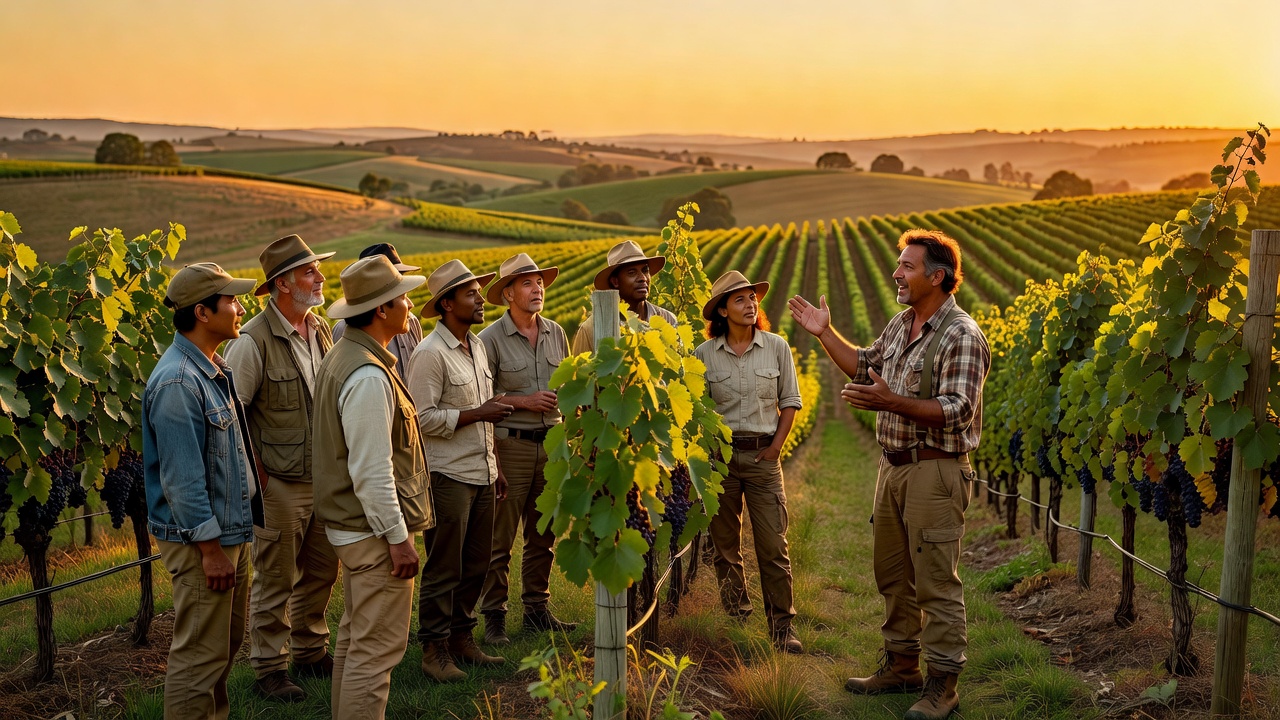
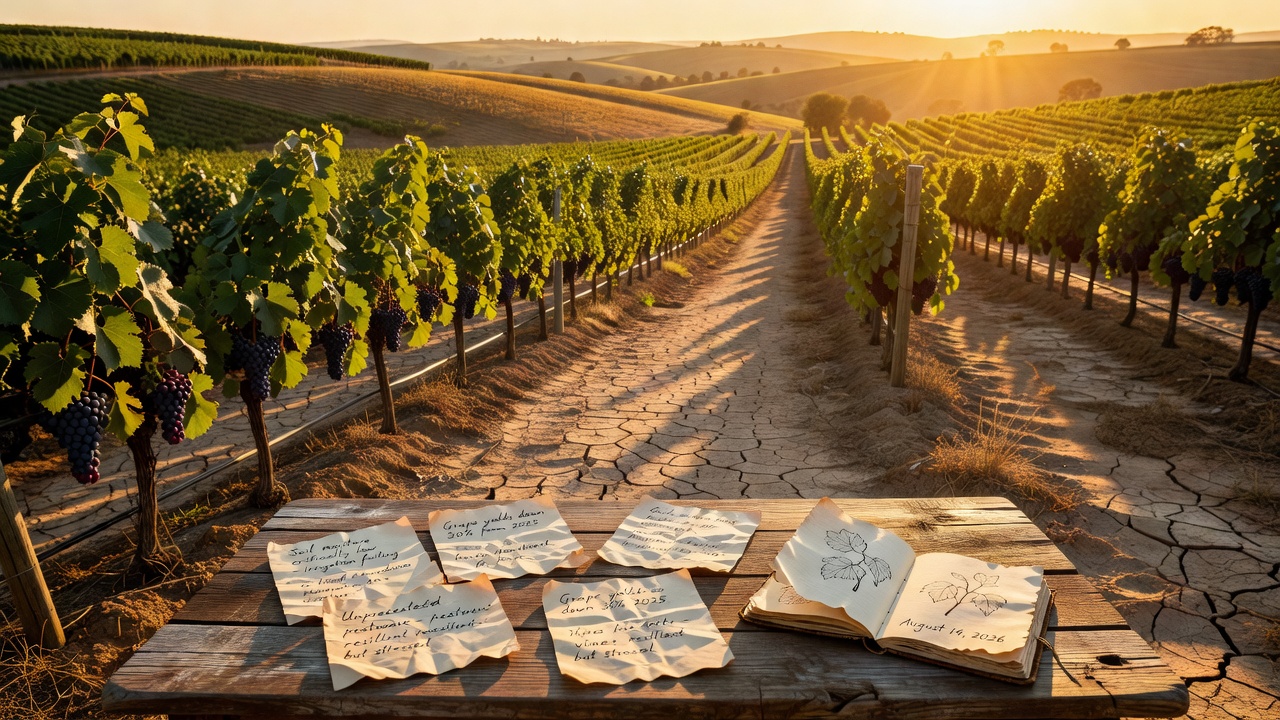
Consider the case of a renowned Spanish vineyard where winemaker stories of resilience inspired pairings of Tempranillo with saffron-infused paella, demonstrating how drought-resistant grape varieties align with bold, spiced dishes from the same landscape. In Australia, legends from the Barossa Valley guide Shiraz matches with grilled lamb, highlighting sustainable practices that reduce water usage in arid climates. These examples illustrate global influences, from South African estates linking Pinotage tales to indigenous spices like rooibos in marinades, to New Zealand's Sauvignon Blanc narratives enhancing seafood feasts with fresh herbs and citrus. Additional cases include Portuguese Douro Valley stories pairing Port with chocolate desserts and Chilean Carmenère legends matched with grilled vegetables to showcase the wine's herbal notes. 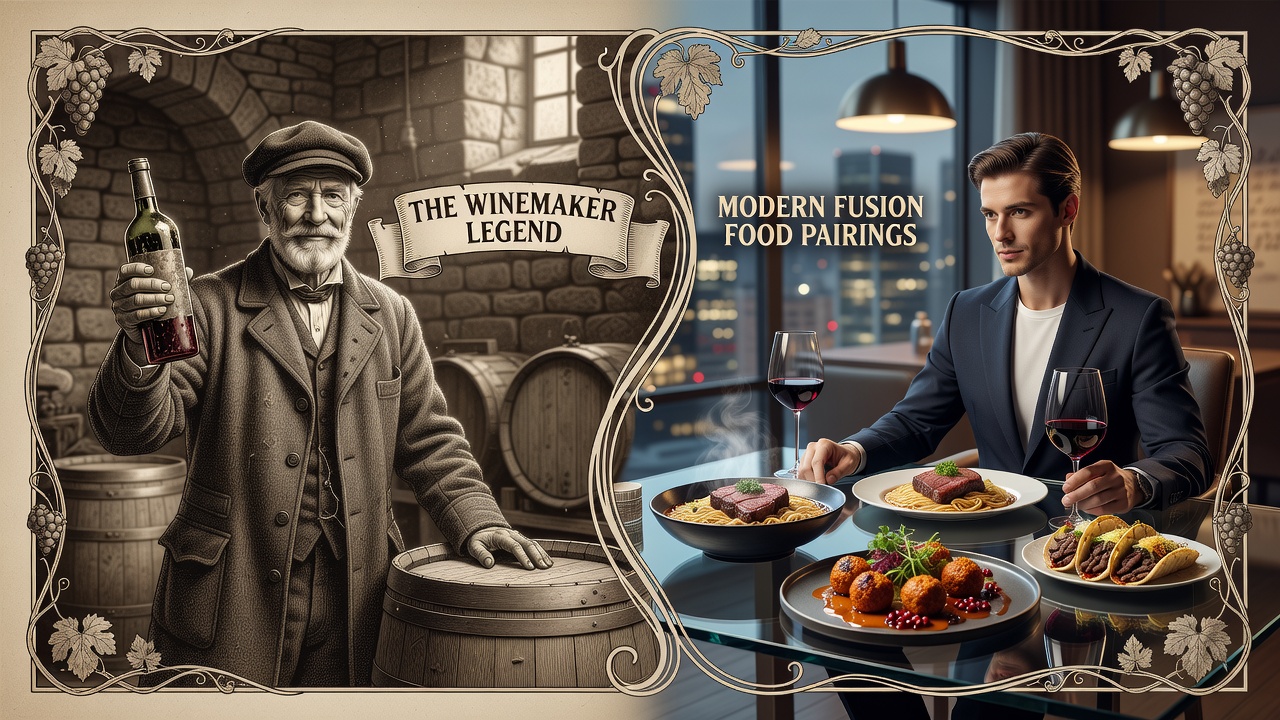
FAQs on Sourcing Ingredients Tied to Specific Legends
How do I source ingredients linked to historical winemaker stories? Focus on regional suppliers that mirror the original terroirs, such as heirloom tomatoes for Italian legends or specific olive varieties for Spanish pairings, often available through specialty importers or farmers' markets.
What if local options are limited? Adapt with high-quality substitutes while preserving the narrative connection through research and presentation, perhaps explaining the adaptation to guests as part of the story.
Are there online resources for authentic sourcing in 2026? Yes, platforms connected to vineyard cooperatives provide access to preserved seeds and heritage products, ensuring fidelity to the original legends.
How can I verify the authenticity of ingredients? Cross-reference with historical agricultural records and seek certifications from recognized bodies to confirm origins and quality.
Tips for Hosting Themed Events
- Curate playlists echoing the era of the chosen legend, selecting classical or folk music from the relevant region to set an atmospheric tone throughout the evening.
- Incorporate interactive elements like blind tasting tied to stories, encouraging guests to discuss flavors while uncovering the historical context behind each wine.
- Provide printed winemaker story cards at each setting, featuring brief biographies and pairing rationales to spark conversations during the meal.
- Collaborate with local chefs for authentic executions, briefing them on the narrative to infuse creativity while respecting traditional techniques.
- Document the event with photos and guest feedback to refine future iterations, building a personal collection of successful story-driven menus over time.
These strategies elevate events from simple dinners to cultural celebrations that guests remember long after the last sip.
For deeper insights into wine heritage, explore resources from Wine Spectator, Decanter, and Jancis Robinson. Additional context on global traditions can be found via authoritative sites dedicated to viticulture.
Conclusion: Embracing Narrative in Every Sip and Bite
By integrating winemaker stories into gastronomy, 2026 offers endless opportunities for enriched dining that connects past and present. Whether reviving historical pairings or pioneering new ones, the fusion of legend and plate creates lasting memories filled with flavor, education, and delight. Start your own exploration today to transform meals into stories worth sharing with family, friends, and fellow enthusiasts around the world.
No comments yet. Be the first!