 Uncorked Conversations
Introduction: Trade Routes and the Birth of Wine Legends
Global trade routes have long served as the arteries through which wine culture, techniques, and stories traveled. From the bustling ports of the Mediterranean to the caravan trails of the Silk Road, these networks shaped enduring legends that continue to influence winemaking today. This deep dive examines how exchanges across continents created the myths and realities behind famous wines, drawing on historical examples from both ancient and modern eras. The search for authentic wine stories often leads enthusiasts to these trade-driven narratives. Keywords like "wine legends trade routes" highlight a desire for genuine historical context rather than marketing myths. By understanding these connections, readers gain appreciation for how cultural exchanges preserved and transformed viticulture across generations.
Trade was never merely about moving barrels; it carried ideas, grape varieties, and entire cultural identities. Ancient merchants acted as storytellers, embedding legends into the wines they sold. This article provides concrete examples, comparisons of traditions, and actionable steps for verifying claims through archives and primary sources.
Mediterranean Trade Networks: Amphorae and Ancient Exchanges
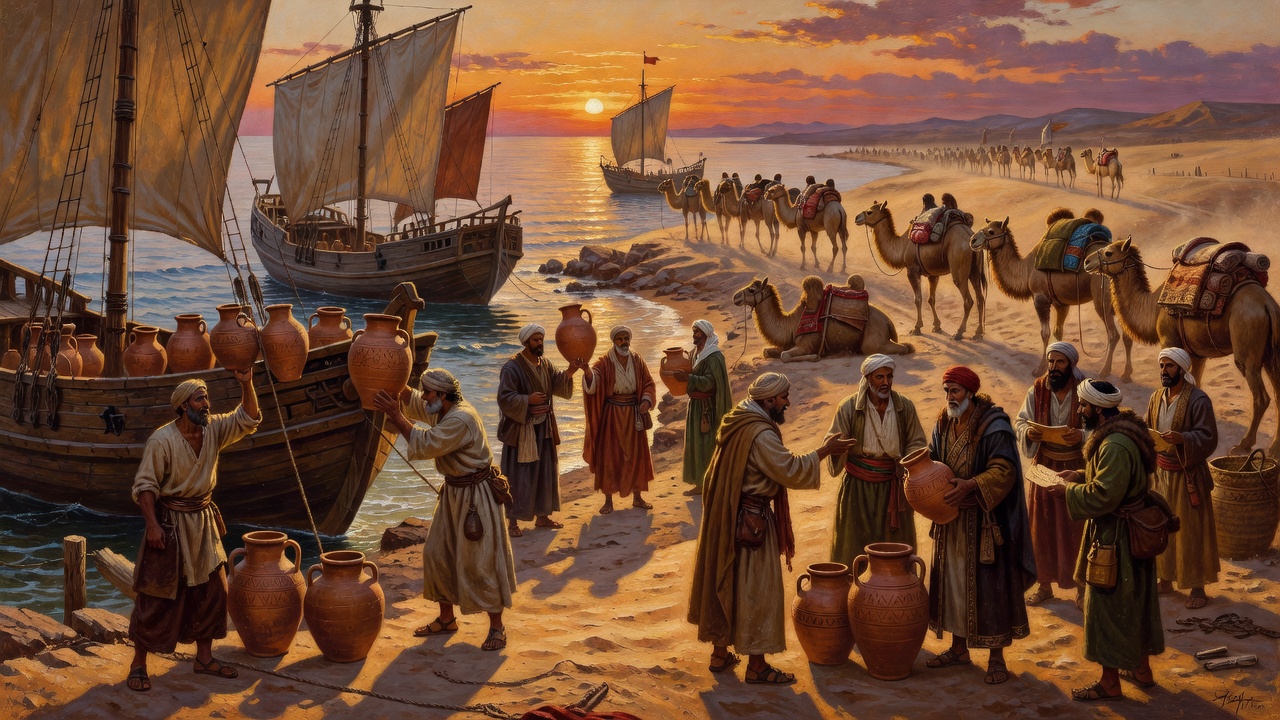
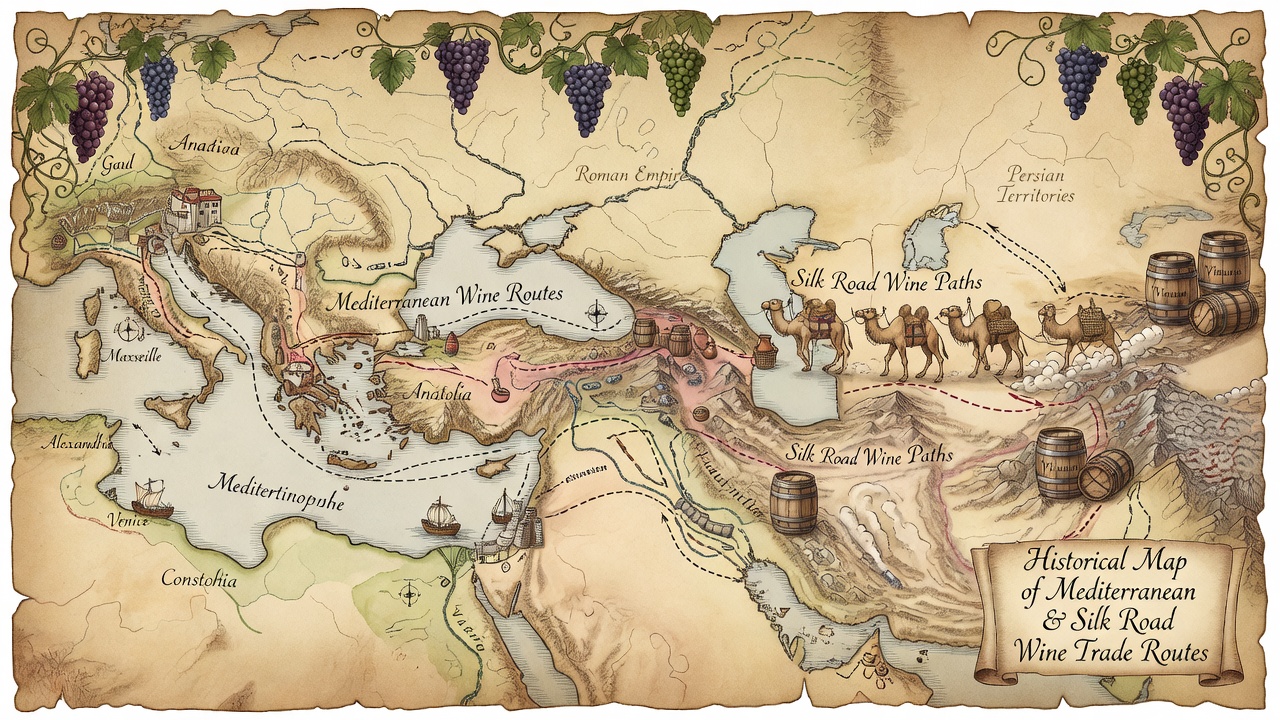
The Mediterranean Sea facilitated one of the earliest and most influential wine trades. Phoenician, Greek, and Roman merchants transported wine in terracotta amphorae across vast distances. These routes connected regions like Crete, Italy, and North Africa, embedding legends into local cultures. One prominent example is the story of Falernian wine, a Roman favorite whose reputation spread through trade. Merchants carried tales of its superior quality from the hills of Campania to the tables of emperors. Similarly, Greek islands like Chios developed legendary status due to exports that reached as far as Egypt.
Archaeological evidence shows amphorae stamped with producer marks traveling from the Aegean to the Black Sea and beyond. These physical remnants help historians trace how specific winemaking methods, such as aging in particular woods or using certain yeasts, became standardized through repeated exchanges. The legend of wine as a gift from the gods, often linked to Dionysus, gained power precisely because traders repeated these stories in every port they visited.
Key Historical Impacts
- Standardization of winemaking techniques through shared knowledge among distant producers.
- Emergence of regional identities tied to exported varieties that later became protected designations.
- Preservation of oral histories about wine origins via trader accounts passed down through families.
- Development of early quality controls, such as seals on amphorae, that influenced later appellation systems.
These exchanges created lasting legends, such as the association of certain wines with divine favor, echoed in classical texts that remain influential in modern storytelling.
Asian Trade Routes: Silk Road Influences on Wine Lore
Extending eastward, the Silk Road and related maritime paths introduced wine traditions to Central Asia and China. Grape cultivation spread from the Caucasus through Persia to the edges of the Han Dynasty. Legends here often blend local folklore with imported practices. Consider the case of Xinjiang's ancient vineyards, where trade brought Persian varieties that evolved into unique regional stories. In modern contexts, these routes influence contemporary Chinese winemaking legends, linking heritage to global markets.
Further examples include the transmission of winemaking knowledge to the Byzantine Empire and onward to medieval Europe via overland paths. Traders documented the resilience of certain vines in arid climates, creating legends around wines that could survive long journeys without spoiling. This practical knowledge directly shaped which varieties became legendary for their durability.
Comparisons reveal distinct storytelling: Mediterranean tales emphasize heroism and gods, while Asian narratives frequently incorporate harmony with nature and imperial patronage. These differences affect how enthusiasts today interpret authenticity when visiting regions along historic routes.
Comparing Regional Storytelling Traditions
Mediterranean traditions lean toward epic, individual-focused legends—think of Dionysian myths tied to specific ports. In contrast, Asian exchanges produced collective stories emphasizing continuity and adaptation along trade paths. This difference affects how enthusiasts perceive authenticity today. For instance, a Tuscan legend might center on a single heroic winemaker, whereas a story from the Tarim Basin might describe generations of families adapting techniques learned from passing caravans.
Practical research benefits from recognizing these variances when cross-referencing sources. Enthusiasts who understand the narrative style of each region can more accurately identify which elements are historical versus embellished for cultural emphasis.
Real-World Case Studies
The legend of Tokaji wine from Hungary illustrates trade impacts, with routes through the Ottoman Empire spreading its sweet wine fame across Europe and into Asia. Merchants carried not only the wine but also tales of its botrytis-affected grapes, turning a local product into an international symbol of luxury. Another is the evolution of Port wine via British and Portuguese exchanges, where fortified wines gained legendary status through naval trade agreements that protected specific production methods.
A third case involves the spread of Malvasia wines from Crete through Venetian trade networks, creating legends of " Malmsey" that reached England and influenced Shakespearean references still studied today. These cases show how legends endure through documented trade records preserved in port ledgers and customs documents.
Practical Steps for Researching Trade-Related Wine Legends
Enthusiasts can verify claims using archives with these detailed steps:
- Start with digitized collections from major institutions like the Library of Congress and search for trade manifests and merchant diaries from the 15th to 18th centuries.
- Cross-reference with UNESCO heritage sites documenting trade routes at UNESCO, focusing on Mediterranean and Silk Road entries that list specific wine-related artifacts.
- Consult academic databases for primary texts on Mediterranean and Silk Road exchanges, paying special attention to translated merchant letters that mention grape varieties and storage methods.
- Visit regional museums or use online portals for amphorae studies, comparing stamp markings across collections to map trade patterns accurately.
- Compare oral histories collected from local winemakers with written trader logs for balanced views, noting where embellishments likely occurred for commercial reasons.
- Attend virtual or in-person lectures from university history departments that specialize in economic history of the wine trade.
Modern Implications and Continued Influence
Today, global shipping and digital commerce continue the legacy of these routes. Winemakers in emerging regions draw on historical trade stories to market their wines, creating new legends rooted in ancient exchanges. Understanding this history helps consumers distinguish between authentic heritage claims and modern branding.
FAQ: Verifying Historical Claims About Wine Legends
How can I confirm if a wine legend is based on trade routes?
Examine export records and archaeological finds from ports along known routes. Reliable sources include government heritage archives and peer-reviewed journals on economic history.
Are Asian wine stories less documented than Mediterranean ones?
Documentation varies by period, but combining Silk Road studies with modern analyses of caravan records provides strong evidence that can be verified through multiple institutions.
What tools help beginners research this topic?
Use open-access databases and start with overviews from established historical societies before moving to primary sources such as ship logs.
Can oral traditions be trusted when researching wine legends?
Oral traditions offer valuable cultural context but should always be cross-checked against written trade documents to separate fact from embellishment.
Where should I begin if I want to visit trade-route related wine regions?
Focus first on well-documented sites such as ancient Cretan ports or Chinese vineyard regions along the old Silk Road for accessible entry points.
Conclusion: The Enduring Legacy of Trade in Wine History
Trade routes did more than move goods—they wove the legends that define wine culture. By exploring these connections through structured research and case studies, enthusiasts connect with a richer, more authentic history that spans continents and centuries. The practical methods outlined above allow anyone to verify and deepen their understanding of these timeless stories.
No comments yet. Be the first!