 Uncorked Conversations
Winemaker Stories Fueling Global Wine Communities in 2026
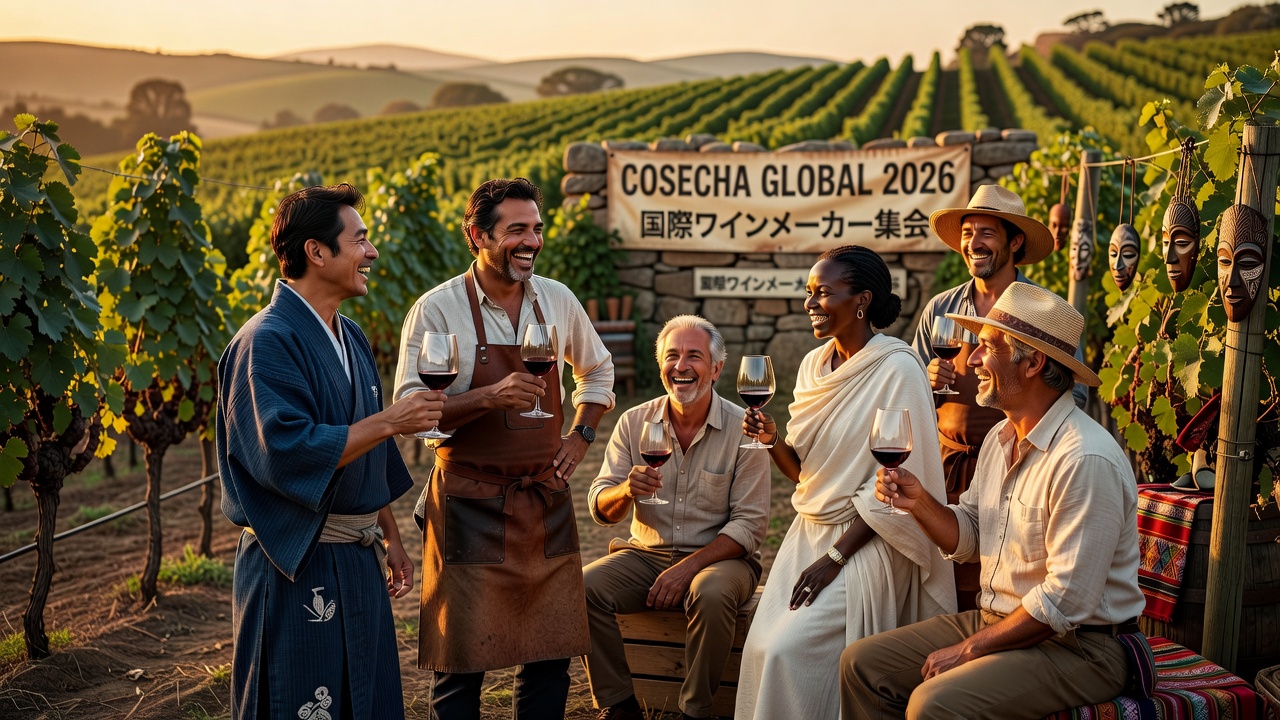
In 2026, the global wine landscape continues to evolve rapidly, with authentic winemaker stories emerging as the primary force connecting enthusiasts across continents. These narratives transcend traditional tasting notes and technical details, instead revealing the personal struggles, family legacies, innovative techniques, and cultural contexts that shape every bottle. As consumers seek deeper meaning in their wine experiences, these stories foster vibrant international communities that exchange knowledge, celebrate diversity, and build lasting relationships beyond simple transactions.
The Enduring Power of Authentic Winemaker Narratives
Winemaker stories hold unique power because they humanize the product and create emotional resonance. Rather than focusing solely on grape varieties or alcohol percentages, these accounts often delve into the realities of climate change impacts on vineyards, the passing down of generations-old traditions, and bold experiments with natural fermentation methods. In an era where digital connectivity allows instant sharing, a single compelling story from a small estate in the Loire Valley can inspire discussions in Tokyo, New York, and Cape Town simultaneously. This authenticity builds trust and loyalty, turning one-time buyers into active community participants who advocate for the wines and their makers.
Real-World Examples of Story-Driven Wine Clubs
Across the globe, several wine clubs have successfully leveraged storytelling to grow engaged memberships. In California, a club centered on regenerative farming practices hosts quarterly sessions where winemakers detail their transition from conventional methods, including soil health data and biodiversity improvements. European-inspired groups in the UK feature monthly live sessions with Italian and Spanish producers recounting harvest challenges and family histories. Meanwhile, Australian collectives emphasize Indigenous winemaking influences, creating spaces for cultural education alongside tastings. These examples illustrate how narrative-driven approaches lead to higher retention rates and organic growth through member referrals.
Steps to Launch a Community Project
Launching a story-focused wine community requires careful planning and genuine collaboration. First, define a clear theme such as sustainable practices or regional legends to attract like-minded participants. Next, reach out to winemakers through industry networks or direct vineyard contacts, securing commitments for recorded interviews or live appearances. Select accessible platforms like dedicated forums, email newsletters, or social media groups to host content. Organize an opening event that combines storytelling with virtual or in-person tastings to set the tone. Finally, implement feedback mechanisms such as surveys to refine future activities and ensure cultural sensitivity when expanding internationally. Each step builds momentum while maintaining authenticity.
Virtual Versus Physical Gatherings: A Comparison
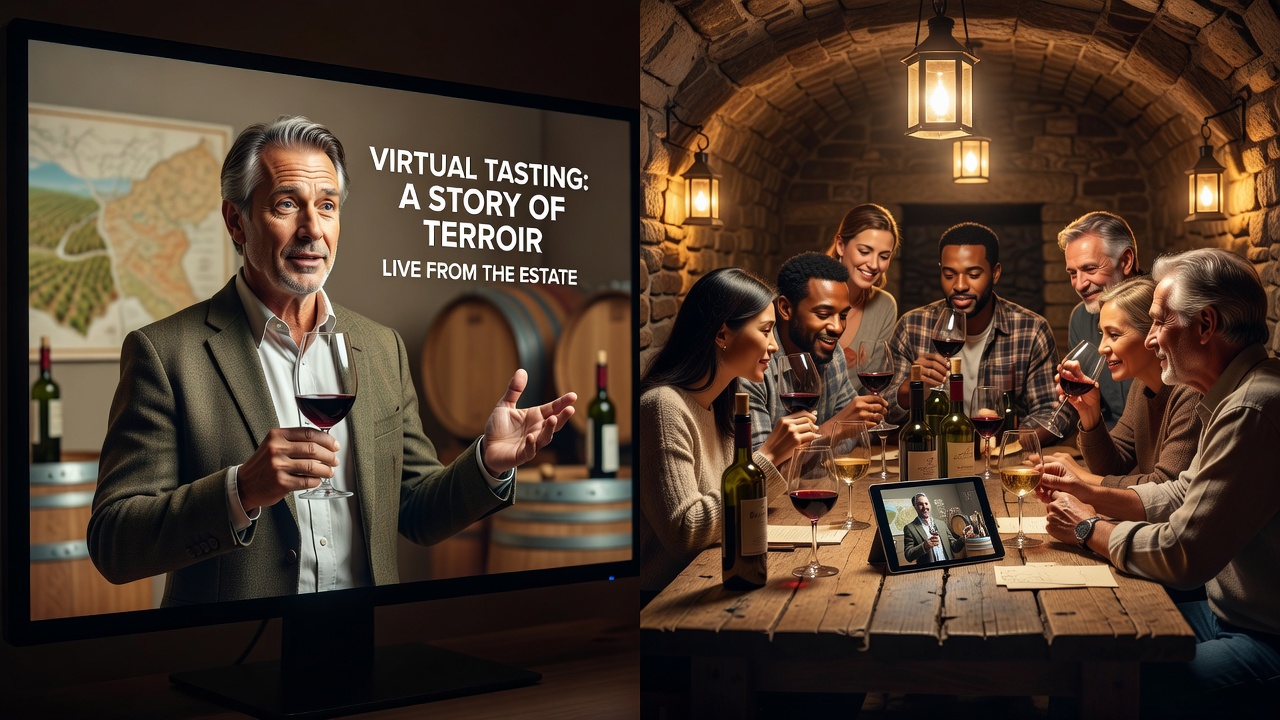
Virtual gatherings excel in accessibility, allowing participants from different time zones to join without travel expenses or scheduling conflicts. They often incorporate interactive elements like polls and chat functions that encourage broad participation. Physical events, by contrast, deliver irreplaceable sensory immersion through vineyard walks, barrel tastings, and face-to-face conversations. Hybrid models are gaining popularity in 2026, blending live-streamed story sessions with occasional regional meetups. The choice depends on community goals: virtual formats suit broad cultural exchange, while physical ones deepen local bonds.
Cultural Exchanges Through Shared Wine Stories
Winemaker narratives naturally facilitate cross-cultural dialogue. A story about traditional terraced vineyards in Portugal might inspire comparisons with similar techniques in Peru, leading to collaborative virtual tastings. These exchanges highlight universal themes like resilience and innovation while respecting regional differences. Participants often discover new appreciation for global terroir and even contribute to joint projects, such as limited-edition blends reflecting multiple heritages. Over time, such interactions strengthen international understanding and promote responsible consumption practices.
Practical Tips for Sharing Stories Effectively
- Anchor stories in specific, vivid anecdotes rather than broad overviews to maintain listener engagement.
- Integrate supporting visuals including historical photos, vineyard maps, and short video clips of the winemaking process.
- Invite audience questions during sessions to transform monologues into dynamic conversations.
- Provide translated summaries or subtitles when targeting non-English speaking members.
- Follow up after events with additional resources or member spotlights to sustain interest.
- Encourage members to share their own tasting experiences tied to the stories heard.
- Balance technical details with emotional elements to appeal to both novices and experts.
- Document sessions for on-demand access to accommodate varying schedules.
Case Studies from Diverse Vineyards
Consider a family-owned estate in Portugal that documented its recovery from severe drought through weekly video updates; this transparency resulted in a threefold increase in international subscribers within one year. In New Zealand, a producer incorporated Māori legends into marketing materials, forging strong connections with Asian wine clubs and leading to co-hosted cultural events. Another example from South Africa shows how sharing post-apartheid transformation stories helped build trust with European audiences, expanding market reach and community involvement. These cases demonstrate measurable benefits when storytelling is executed consistently and respectfully.
Frequently Asked Questions
How do I overcome language barriers in global communities?
Employ reliable translation tools and emphasize universal themes such as family heritage and environmental stewardship that require minimal linguistic nuance.
What if winemakers are hesitant to share personal stories?
Begin with structured written submissions or short pre-recorded segments before progressing to live interactive formats.
Are there costs involved in starting a project?
Initial efforts can rely on free digital tools, with expenses arising only when scaling to paid platforms or event venues.
How can beginners participate without deep wine knowledge?
Communities often provide introductory resources and pair stories with guided tasting notes suitable for all levels.
What role does technology play in 2026 communities?
Advanced platforms enable seamless multilingual support and immersive virtual reality vineyard tours that enhance storytelling.
Conclusion
Authentic winemaker stories remain central to building meaningful global wine communities in 2026 by transforming individual appreciation into collective connection. Enthusiasts who engage with these narratives gain richer cultural insights and contribute to a more inclusive wine world. For additional resources on wine culture and community building, explore Wine Folly and Decanter.
No comments yet. Be the first!