 Uncorked Conversations
Introduction: Reimagining Wine Legends Through Contemporary Lenses
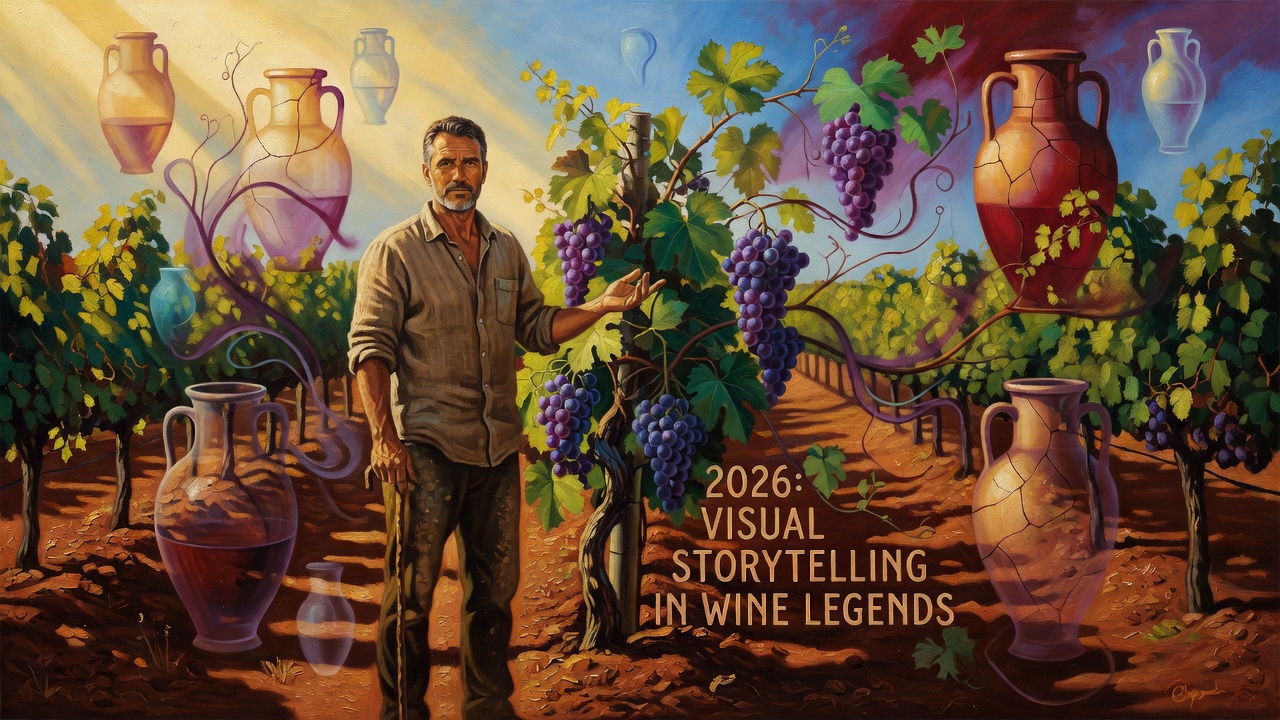
Wine legends have long captivated imaginations, from ancient Roman bacchanals to the storied vineyards of Bordeaux. In 2026, contemporary artists are transforming these narratives into powerful visual stories using paintings, sculptures, and immersive installations. This approach moves beyond traditional depictions, offering fresh interpretations that highlight winemaker journeys, cultural heritage, and the sensory essence of wine itself. By collaborating directly with vineyards, these creators bridge art and viticulture in ways that deepen appreciation for both.
The search for creative takes on wine history reveals a growing interest in how modern visuals can evoke emotion and context that words alone cannot convey. Artists today draw from global influences, incorporating elements like climate change impacts on vineyards or the resilience of family legacies passed down through generations. This fusion not only preserves history but reinterprets it for new audiences seeking authentic connections to the land and its stories. As wine tourism grows, visual art becomes a gateway for enthusiasts to explore regions they may never visit physically, creating emotional bridges through color, form, and symbolism.
Historical Depictions Versus Modern Interpretations
Traditional wine art often featured romanticized scenes of harvest festivals or opulent cellars, as seen in 19th-century works housed at institutions like the Metropolitan Museum of Art. These pieces emphasized abundance and celebration but rarely explored the labor or personal stories behind the bottle. Painters like those from the Dutch Golden Age focused on still lifes with fruit and vessels, symbolizing wealth without delving into the winemaker's daily challenges or the terroir's unique qualities.
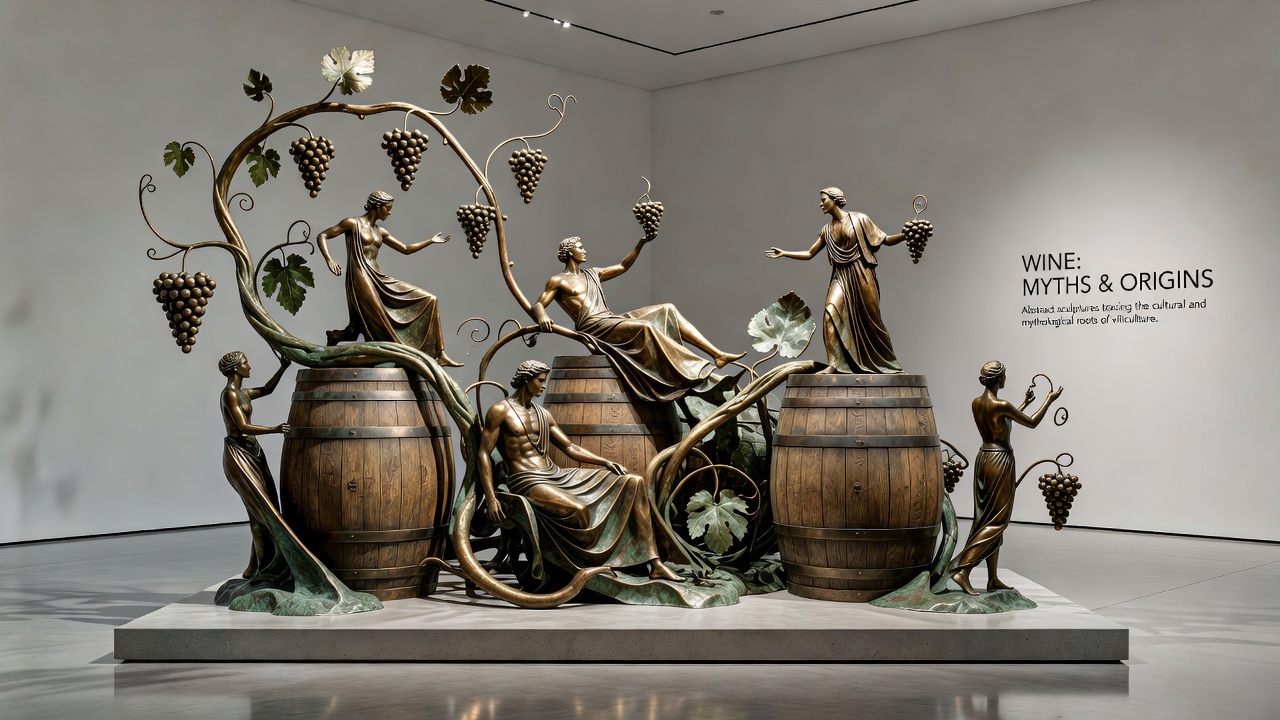
Modern artists, however, introduce abstraction, mixed media, and interactive elements. Sculptures might incorporate actual vineyard soil or recycled barrel staves to symbolize sustainability. Installations could use light projections to simulate the fermentation process, allowing viewers to experience the transformation metaphorically. This shift reflects broader cultural conversations around authenticity and environmental stewardship in winemaking. Where historical works idealized the product, contemporary pieces humanize the process, showing the hands that prune vines and the minds that innovate through drought or disease. Comparisons reveal how modern interpretations often layer multiple timelines, juxtaposing ancient myths with current events like regenerative farming practices.
Profiles of 2026 Artists Collaborating with Vineyards
Several standout creators are leading this movement. French multimedia artist Elena Moreau partners with Burgundy estates to produce large-scale canvases that map generational winemaker stories through layered pigments representing soil strata. Her works have been featured in vineyard galleries, where they serve as both decor and educational tools. Visitors often spend hours tracing the visual timelines that reveal how a single family's decisions shaped regional legends.
In California, sculptor Marcus Hale collaborates with Napa Valley producers on kinetic installations that rotate with the seasons, illustrating the cyclical nature of grape growing and legend-building. These pieces often incorporate audio elements, playing recorded interviews with vintners to add narrative depth. Hale's approach emphasizes movement, mirroring how legends evolve with each vintage. Meanwhile, emerging talent from Italy, such as installation artist Sofia Rossi, focuses on global wine legends like the Chianti Classico story. Her 2026 series uses digital projections and physical grapevine sculptures to explore migration patterns of winemaking techniques across continents. A fourth notable figure, Australian mixed-media creator Liam Torres, works with McLaren Vale vineyards on textile-based installations woven from grape leaves and recycled labels, highlighting Indigenous connections to Australian wine heritage.
Major Exhibitions Showcasing Wine-Inspired Art in 2026
Key events this year include the "Vines in Vision" exhibition at major contemporary art spaces, highlighting collaborations between artists and regions like Tuscany and the Willamette Valley. These shows often feature side-by-side comparisons of historical and modern works, encouraging visitors to reflect on evolving storytelling techniques. Attendees report that interactive elements, such as scent diffusers mimicking terroir profiles, make the experience multisensory and memorable.
Another highlight is the international Wine Art Biennale, where installations invite tactile interaction, such as touching textured surfaces that mimic cork or oak barrels. Such exhibitions not only celebrate aesthetics but also promote wine tourism and education. Additional events span from pop-up shows in South African estates to digital extensions accessible worldwide, broadening reach beyond physical attendees.
The Role of Technology in Enhancing Visual Wine Narratives
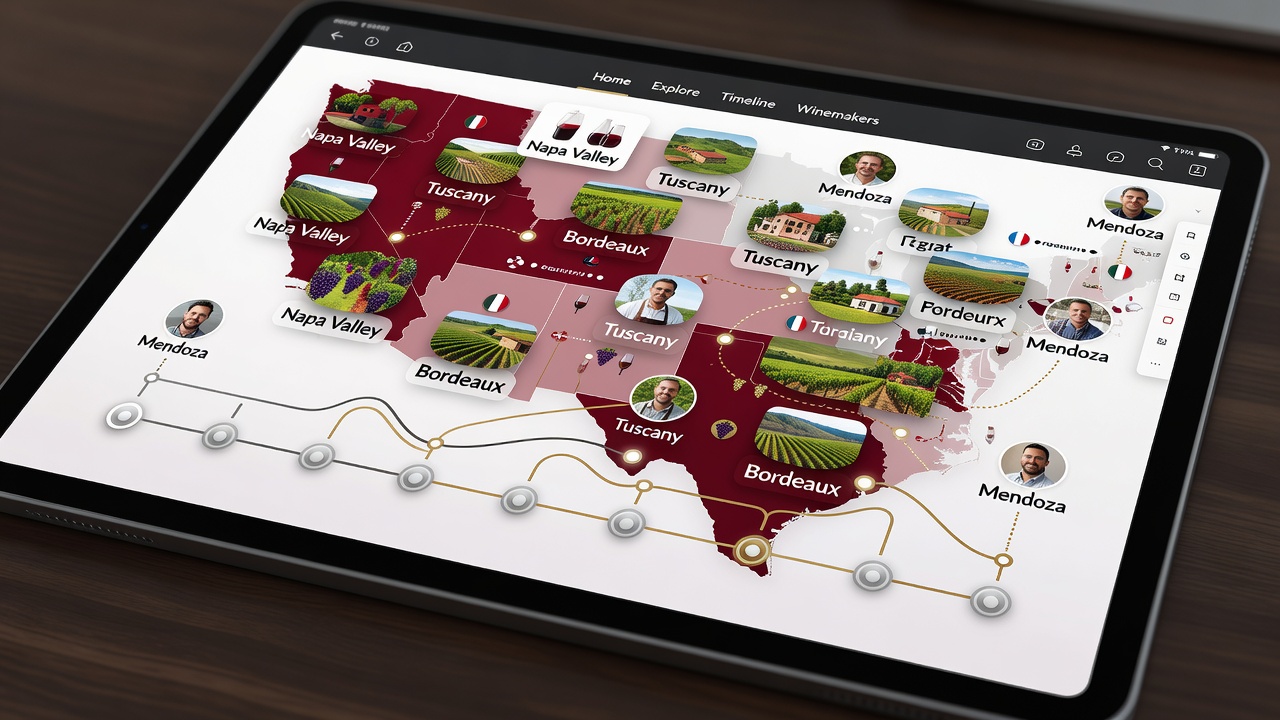
Technology plays an increasingly vital role in 2026 wine art. Augmented reality apps allow viewers to scan sculptures and unlock hidden layers of winemaker biographies or historical timelines. Virtual reality experiences transport users into legendary vineyards from centuries past, blending factual records with artistic license. These tools make complex stories accessible, especially for younger audiences discovering wine legends for the first time. Artists like Moreau now integrate data visualizations of climate trends into their paintings, turning static canvases into living documents that update annually.
Practical Steps for Enthusiasts to Discover or Commission Art-Inspired Wine Stories
Enthusiasts eager to engage with this trend can follow these detailed steps:
- Research galleries and vineyard partnerships through museum websites and regional wine associations to identify upcoming shows, starting with local events before expanding to international ones for broader perspectives.
- Attend virtual or in-person artist talks hosted by estates, which often include Q&A sessions on the creative process and behind-the-scenes insights into collaboration challenges.
- Start a personal collection by visiting open studios or online platforms affiliated with established art institutions like the Tate, beginning with affordable prints to test thematic fit.
- Commission custom pieces by reaching out to artists via professional networks, specifying themes such as a particular winemaker's legacy or regional terroir while discussing timelines, materials, and site-specific installation needs.
- Integrate art into wine tastings by pairing visual elements with sensory experiences to enhance storytelling during gatherings, such as projecting installation images alongside tasting flights.
- Document your journey through personal journals or social shares to track how evolving art pieces influence your understanding of wine history over time.
These actions help build meaningful connections while supporting both artists and the wine community, ensuring collections grow thoughtfully and sustainably.
FAQ: Enhancing Appreciation and Building Collections
How do these visuals enhance appreciation of wine legends?
Visual storytelling adds emotional and contextual layers, allowing enthusiasts to visualize the human elements behind each bottle. This multisensory approach fosters deeper connections and memorable experiences during tastings or cellar visits, often revealing nuances in flavor profiles tied to depicted histories.
What tips exist for integrating such art into personal collections?
Begin with smaller prints or digital editions before investing in originals. Consider scale, lighting, and thematic cohesion with your wine cellar or tasting room. Rotate pieces seasonally to keep narratives fresh and aligned with harvest cycles, and consult conservators for proper display conditions.
Are there risks in commissioning custom wine-themed art?
Clear communication with the artist about vineyard-specific details helps avoid mismatches. Reviewing portfolios and contracts ensures the final work aligns with both artistic vision and personal expectations, including intellectual property considerations for shared legends.
How can beginners start exploring this intersection without prior art knowledge?
Begin by visiting regional exhibitions or online virtual tours from institutions like the British Museum. Focus on one region or legend at a time, using guided audio tours to build foundational understanding before expanding.
Conclusion: The Enduring Power of Visual Wine Narratives
As 2026 unfolds, the fusion of modern art and wine legends continues to evolve, offering innovative ways to honor tradition while embracing creativity. Whether through gallery visits, personal commissions, or simply contemplating a striking installation, these visuals invite everyone to engage more profoundly with the stories in every glass. The result is a richer, more inclusive appreciation of wine's timeless tales.
No comments yet. Be the first!