 Uncorked Conversations
Introduction: Wine's Enduring Place in Literary History
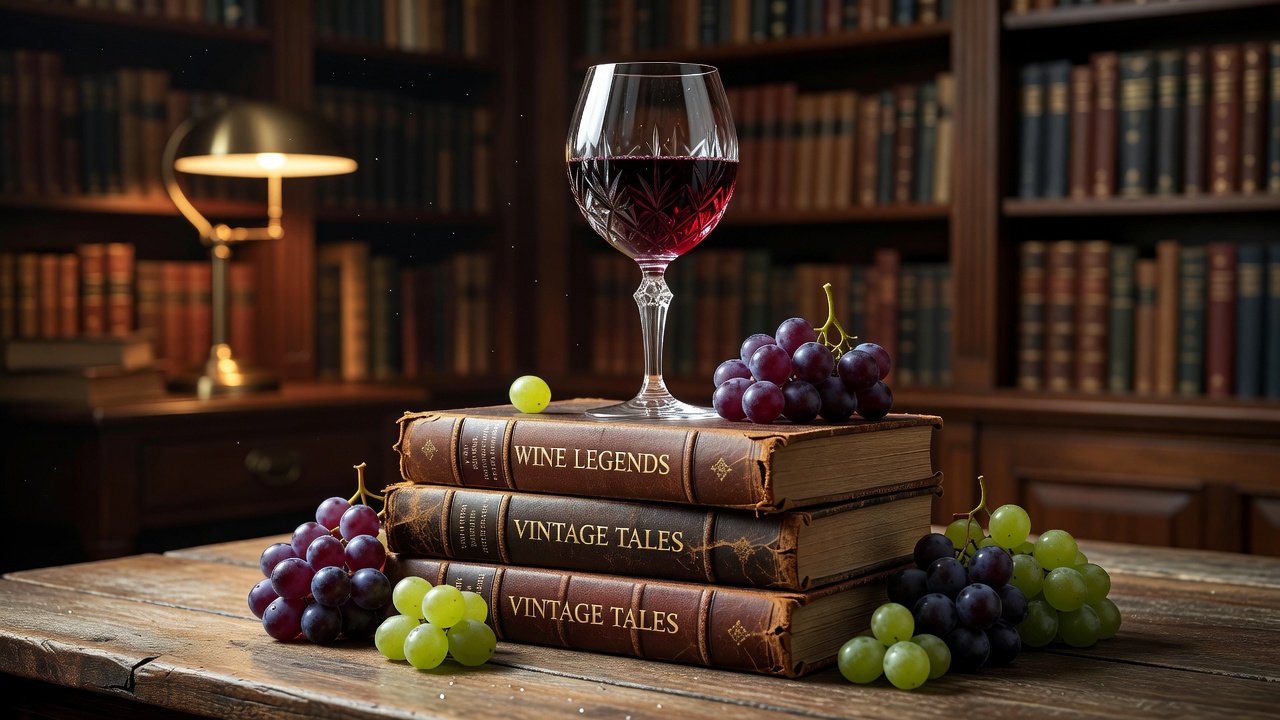
Wine has long served as both muse and metaphor in literature, capturing the essence of culture, craftsmanship, and human drama across centuries. For enthusiasts preparing their 2026 reading lists, understanding these narratives offers deeper appreciation of the beverage's rich heritage. This guide examines how books preserve winemaker stories and wine legends, blending factual accounts with imaginative storytelling to appeal to beginners and seasoned readers alike. The intersection of wine and words reveals timeless themes of tradition, innovation, and resilience that continue to resonate today.
From ancient references in classical texts to contemporary explorations of global vineyards, literature immortalizes pivotal moments in viticulture. Readers seeking literary recommendations will find value in pairing these works with sensory experiences, such as tasting notes inspired by descriptive passages. As we approach 2026, new publications promise to expand this canon further, incorporating themes like climate adaptation and cultural diversity in winemaking communities around the world.
Classic Novels That Shaped Wine Narratives
Early literary works laid the foundation for wine's mythic status. Authors like Ernest Hemingway infused stories with references to French and Spanish wines, reflecting post-war European traditions. These texts highlight wine as a symbol of resilience and celebration, providing context for historical legends surrounding regions like Bordeaux and Tuscany. Hemingway's portrayals often drew from personal travels, embedding authentic details about vineyard life that still inform modern perceptions of European wine culture.
Another cornerstone is the portrayal of winemaking in works that draw from real events, offering readers insight into the labor-intensive processes that defined early 20th-century estates. Such novels encourage modern enthusiasts to explore parallels between fictional struggles and today's sustainable practices. For deeper historical context, explore resources at Britannica on the evolution of viticulture through the ages.
Modern Fiction Blending Wine and Storytelling
Contemporary authors continue this tradition with novels that interweave personal journeys and vineyard intrigue. Books like Sideways by Rex Pickett explore California's wine country through character-driven plots, making complex terroir concepts accessible. These stories often contrast fictional embellishments with factual winemaking realities, helping readers discern where legend meets documented history. Additional modern examples include tales set in emerging regions such as New Zealand and South Africa, where authors highlight the challenges of establishing new legacies amid global competition.
Emerging 2026 titles promise fresh perspectives, including narratives focused on climate-resilient varietals and diverse winemaker voices from emerging regions. Literary recommendations in this vein emphasize emotional connections to wine, fostering community among readers who discuss plots alongside tasting sessions. These works frequently address contemporary issues like environmental stewardship, providing both entertainment and subtle education on responsible consumption.
Biographies of Wine Legends and Winemakers
Non-fiction biographies provide the factual backbone for understanding wine legends. Accounts of pioneering figures detail innovations in fermentation and distribution that transformed global markets. These works compare favorably to fictional accounts by grounding readers in verifiable timelines and challenges faced by historical estates. Readers gain appreciation for the meticulous record-keeping and scientific breakthroughs that elevated certain estates to legendary status.
Key examples include detailed profiles of families who built iconic labels, revealing the interplay between personal ambition and regional identity. Such biographies serve as essential references for enthusiasts building comprehensive knowledge bases. They also shed light on lesser-known contributors, including women and immigrant winemakers whose stories have only recently gained prominence in print.
Pairing Books with Tasting Notes
Enhance your literary experience by aligning readings with curated tastings. Select wines mentioned in specific chapters—such as a robust Cabernet during a scene set in Napa—to mirror narrative tones. This approach transforms passive reading into interactive exploration, deepening sensory memory of both story and flavor profiles. For instance, a passage describing harvest celebrations might pair beautifully with a sparkling wine that evokes festivity and effervescence.
Practical tips include noting descriptive language in texts and matching it to aroma wheels from reputable sources. This method proves especially useful for book clubs focused on wine literature. Consider creating themed evenings where participants read aloud excerpts while sampling corresponding vintages, fostering lively discussions on how language influences taste perception.
Comparing Fictional Versus Factual Accounts
Fictional narratives often amplify drama for engagement, while factual biographies prioritize accuracy and detail. For instance, novels may romanticize harvest seasons, whereas historical texts document the scientific advancements in grape cultivation. Enthusiasts benefit from reading both to form balanced views of wine legends. Fictional accounts can inspire curiosity that leads readers to verify details through primary sources, creating a richer overall understanding.
This comparison reveals how literature influences perceptions, sometimes elevating lesser-known winemakers to legendary status through compelling prose. It also highlights discrepancies, such as idealized portrayals of vineyard harmony versus the real economic pressures documented in biographies. Cross-referencing these perspectives builds critical reading skills applicable to future literary explorations.
Step-by-Step Process for Creating Your Reading List
- Identify core themes: Start with interests in history, fiction, or biography to narrow selections, then expand to include cross-genre works that connect wine to broader cultural movements.
- Research editions: Prioritize annotated or illustrated versions for added context on wine regions, checking library catalogs or specialist retailers for availability.
- Incorporate pairings: Assign one wine per book based on setting or plot highlights, experimenting with both classic and lesser-known producers to broaden your palate.
- Set milestones: Aim to complete three titles quarterly, discussing insights with fellow readers through online forums or local meetups to reinforce learning.
- Track emerging releases: Monitor announcements for 2026 publications to stay current, perhaps subscribing to literary newsletters focused on food and drink writing.
Five Essential Book Examples with Summaries
- The Wine Bible by Karen MacNeil: A comprehensive reference blending history, tasting guidance, and regional spotlights that serves as a foundational text for understanding wine legends.
- Sideways by Rex Pickett: A humorous modern novel following two friends through California vineyards, highlighting both the joys and pitfalls of wine enthusiasm.
- Wine and War by Don and Petie Kladstrup: A factual account of French winemakers during World War II, showcasing resilience and the protection of legendary cellars.
- The Billionaire's Vinegar by Benjamin Wallace: An investigative biography exploring the rare wine trade and infamous forgeries that captivated collectors.
- A Year in Provence by Peter Mayle: A classic memoir detailing life among French vintners, offering vivid portrayals of seasonal rhythms and local traditions.
FAQ: Common Questions About Sourcing Rare Editions
How can I find first editions of wine literature?
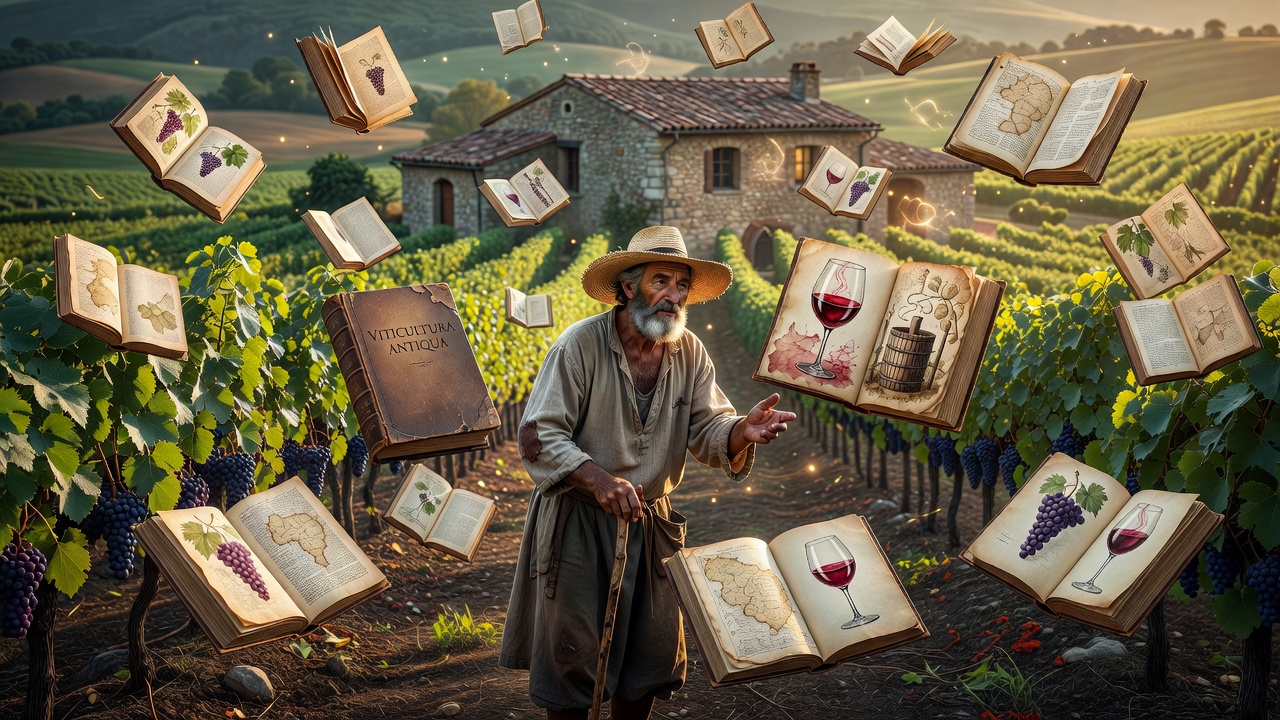
Specialized booksellers and library archives often hold rare copies; cross-reference with catalogs from major institutions for authenticity verification. Online databases maintained by universities can also guide collectors toward verified sources.
Are there digital options for 2026 titles?
Many new releases become available via e-book platforms shortly after print, allowing immediate access to emerging narratives on wine history. Some publishers offer bundled audio versions narrated by experts in the field.
What makes a wine book essential for enthusiasts?
Depth of research, narrative engagement, and practical insights into winemaking distinguish standout titles from general overviews. Look for works that include maps, glossaries, or suggested further readings.
Where should beginners start if overwhelmed by options?
Begin with accessible modern fiction before progressing to dense biographies, allowing gradual immersion into the subject matter without intimidation.
Conclusion: Building Your Literary Wine Journey in 2026
By immersing in these essential reads, enthusiasts can connect profoundly with wine legends preserved through literature. The blend of classic and modern works equips readers with knowledge to appreciate both stories and the wines they celebrate. Begin your list today to enrich future tastings and discussions, and consider contributing your own insights to the growing conversation around wine in print.
No comments yet. Be the first!