 Uncorked Conversations
Introduction: Blending Technology with Timeless Wine Narratives
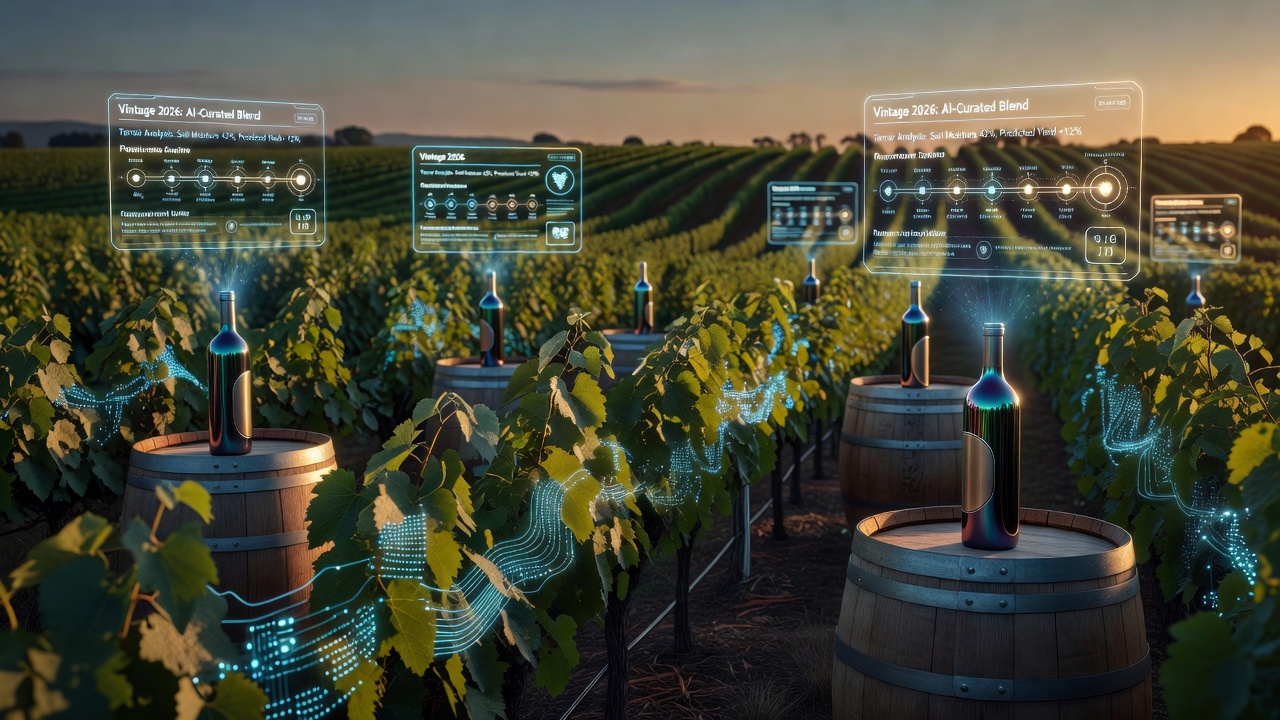
In 2026, wine enthusiasts and professionals alike are embracing advanced AI technologies to revitalize and create original wine stories and winemaker legends. These tools move far beyond simple keyword searches or basic historical lookups, allowing users to generate nuanced, emotionally resonant narratives that appeal to contemporary audiences while preserving the rich heritage of viticulture. For tech-curious wine lovers seeking fresh approaches, AI provides powerful assistance in researching regional traditions, expanding on personal anecdotes from vintners, and polishing drafts into publication-ready legends suitable for websites, labels, podcasts, or social media campaigns.
The demand for compelling wine history content continues to grow as consumers crave deeper connections to the bottles they enjoy. This comprehensive guide examines leading AI platforms, detailed workflows with real examples, side-by-side comparisons to traditional methods, recent vineyard case studies, and essential strategies for ensuring authenticity. By the end, you will have actionable insights to elevate your own storytelling projects.
Top AI Platforms Powering Wine Storytelling in 2026
Several sophisticated AI systems dominate the space for narrative generation focused on wine stories. General-purpose large language models excel at creative expansion when given detailed prompts about grape varietals, terroir influences, and historical milestones. Specialized research assistants integrate external databases on vineyard lineages and climate impacts to produce fact-grounded yet imaginative legends. Users frequently combine multiple tools in a single workflow, starting with broad research queries and moving into iterative creative drafting. These platforms handle multilingual outputs effectively, which proves invaluable for international wineries looking to share their legacies across borders. The key advantage lies in their ability to synthesize thousands of data points about soil compositions, ancestral techniques, and pivotal harvest events into cohesive, engaging prose.
Step-by-Step Guide to Using AI for Wine Legends
Building a compelling winemaker legend with AI involves a repeatable process that balances speed and depth. Begin by gathering verified facts such as founding dates, key family members, and signature wines. Feed these into the AI with a structured prompt that requests a narrative arc including rising challenges, triumphs, and lasting cultural impact. Next, request expansions on sensory elements like the aroma of aging barrels or the feel of sun-baked soil. Iterate by feeding back specific corrections or additional details from your own research. Finally, request tone adjustments to match your target audience, whether formal historical accounts or lively conversational pieces. For instance, an initial prompt might generate a basic timeline of a 1920s immigrant winemaker, after which you can refine it to include dramatic weather events and community contributions, resulting in a legend ready for marketing materials.
AI vs. Manual Storytelling: Key Comparisons
Traditional manual storytelling relies on extensive archival visits, personal interviews, and handwritten notes, often taking weeks or months to complete a single polished legend. AI accelerates the drafting phase dramatically, producing initial versions in minutes while maintaining consistent structure and flow across multiple wine stories. However, human input remains irreplaceable for capturing subtle emotional nuances and verifying cultural contexts that algorithms may overlook. A hybrid approach often yields the best outcomes: use AI for rapid ideation and research synthesis, then apply manual editing to infuse authentic voice and lived experience. This comparison highlights how AI serves as an efficient collaborator rather than a replacement, freeing creators to focus on deeper relationships with winemakers and vineyards.
- Speed: AI drafts in minutes versus days or weeks manually
- Consistency: AI maintains narrative tone across long pieces more reliably
- Depth of research: Manual methods access unpublished personal stories AI cannot reach
- Creativity: Both benefit from each other when combined thoughtfully
2026 Case Studies from Innovative Vineyards
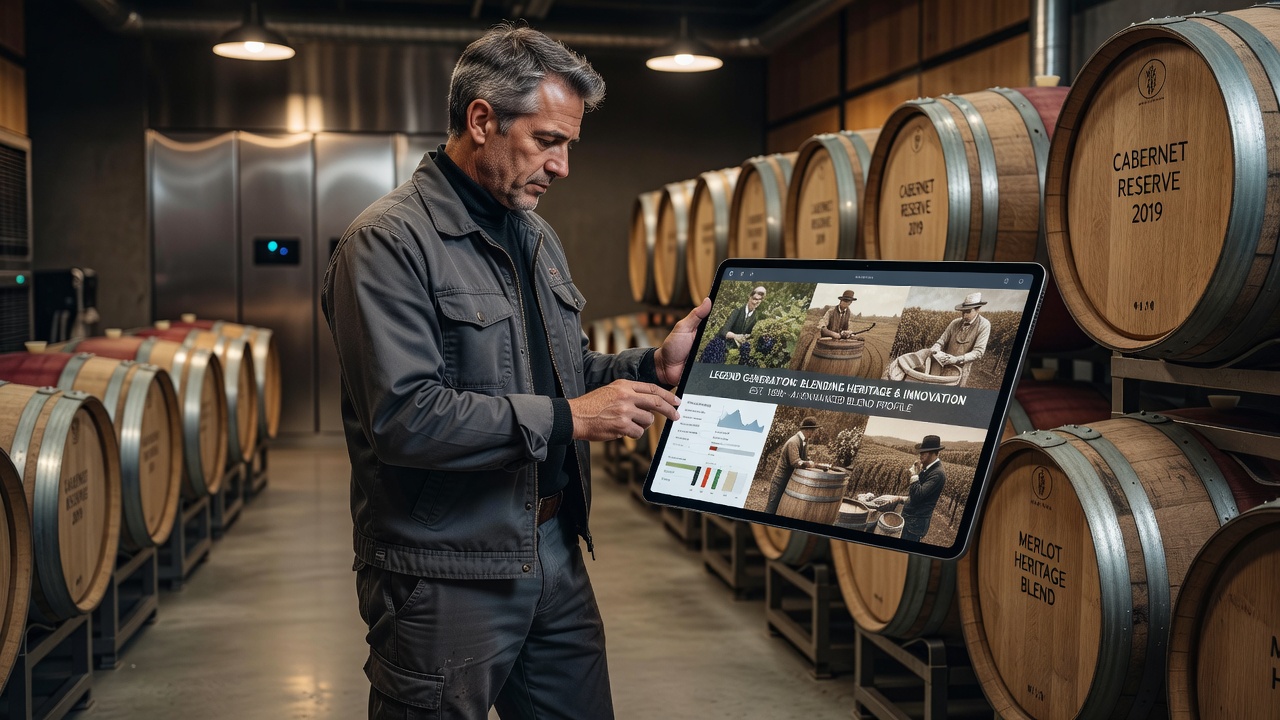
Real-world adoption of AI for wine legends has produced measurable results this year. A family-owned estate in Napa Valley utilized AI to reconstruct overlooked stories of its founding matriarch, transforming them into an interactive website series that increased direct-to-consumer sales through stronger emotional engagement. In the Loire Valley, a cooperative of small producers employed AI-assisted multilingual storytelling to document centuries-old methods, resulting in expanded export markets after the content was shared via tourism partnerships. Meanwhile, an Australian winery integrated AI outputs with drone footage and oral histories to create a documentary-style podcast that attracted younger demographics interested in sustainable wine history. These cases illustrate how thoughtful AI integration amplifies rather than diminishes the human elements central to every authentic wine story.
Practical Tips for Maintaining Authenticity
Preserving the integrity of wine stories requires deliberate safeguards throughout the AI-assisted process. Always anchor prompts with primary source materials such as old ledgers or family letters before requesting creative flourishes. Incorporate precise details like specific pruning techniques or local festivals early to guide the AI toward realistic portrayals. After generation, conduct side-by-side reviews against established references to catch any invented elements. Update your knowledge base regularly with new interviews or climate data so future outputs reflect evolving realities in wine history. Finally, disclose AI assistance transparently when publishing to build trust with readers who value genuine heritage narratives.
Frequently Asked Questions on Ethics and Accuracy
- How do I ensure AI-generated wine legends remain factual? Cross-reference every major claim against sources from organizations like the International Organisation of Vine and Wine and conduct follow-up interviews with current winemakers to confirm details.
- Is it ethical to use AI for storytelling about real people? Yes, provided you obtain consent where living descendants are involved and position AI strictly as a drafting assistant rather than the sole creator of personal histories.
- What risks arise from inaccurate AI content? Fabricated events can erode credibility and harm reputations; mitigate this by constraining prompts to documented timelines and performing multiple rounds of human fact-checking before publication.
- Can AI replace traditional historians in wine regions? No, AI functions best as an accelerator that handles volume while experts supply irreplaceable context and verification from lived experience.
Conclusion: Embracing AI for Future Wine Narratives
AI tools are transforming how wine stories and winemaker legends are crafted and shared in 2026. By combining technological efficiency with careful human oversight, creators can produce content that educates, inspires, and connects audiences worldwide while remaining deeply rooted in authentic wine history. Experiment with the workflows outlined here to discover how these tools can enhance your own projects. For additional authoritative perspectives on global viticulture traditions, consult resources from Wine Institute, Decanter, and OIV.
No comments yet. Be the first!