 Uncorked Conversations

Introduction to Viral Wine Narratives in 2026
Creators in the wine space are increasingly focused on understanding what propels certain stories to widespread attention. Viral wine stories often blend history, personal journeys, and cultural context to captivate audiences. This analysis examines the mechanics behind high-engagement content, helping creators align with emerging 2026 patterns for better reach and interaction. By dissecting successful narratives, content producers can identify repeatable patterns that boost visibility across digital platforms while maintaining authenticity in their portrayals of winemakers and regions.
The search for engagement strategies centers on forward-looking approaches that prioritize emotional connection over simple product promotion. Stories that humanize the winemaking process, from vineyard challenges to bottling innovations, tend to generate higher interaction rates. In 2026, creators must adapt to evolving audience preferences that favor immersive, shareable experiences rooted in real-world impact and cultural relevance.
Core Elements Driving Shares in Wine History Narratives
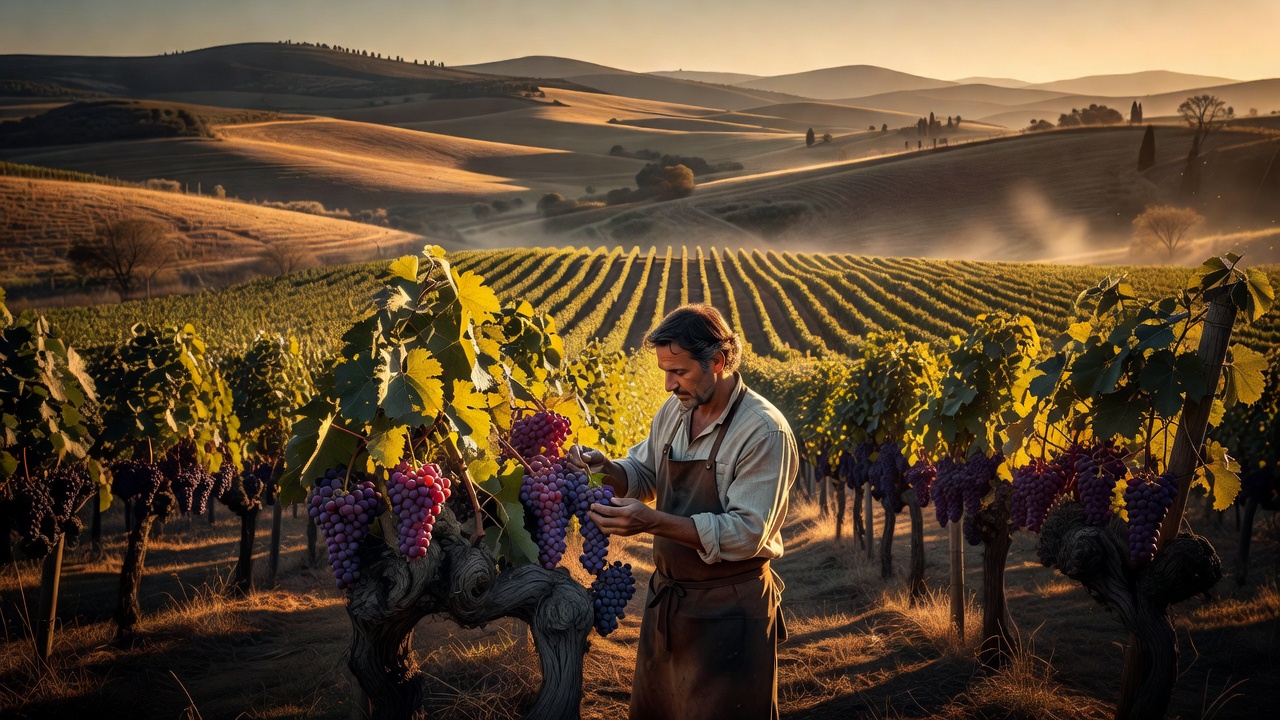
Successful wine history stories in 2026 emphasize authenticity and emotional resonance. Key drivers include unexpected twists in origin tales, connections to modern cultural movements, and vivid sensory details that allow readers to visualize the vineyard experience. Narratives highlighting resilience against environmental challenges or innovative preservation techniques tend to perform strongly because they tap into broader interests in sustainability and heritage.
Creators should prioritize stories with clear protagonists, such as winemakers overcoming regional obstacles. Incorporating timelines or visual timelines enhances shareability by making complex histories digestible. Additional elements like family legacies spanning generations or cross-border influences on varietal development further amplify appeal. These components work together to create narratives that audiences feel compelled to discuss and forward to peers interested in both tradition and progress.
Comparing Traditional and Digital Storytelling Formats
Traditional formats like printed essays or in-person tastings offer depth but limited scalability. Digital approaches, including short-form videos and interactive maps, enable rapid dissemination and community input. In 2026, hybrid models combining long-form written pieces with embedded digital elements outperform single-format content by catering to varied consumption habits. Traditional methods provide tactile and sensory richness that digital cannot fully replicate, yet they reach narrower audiences without supplementary online amplification.
Digital storytelling benefits from algorithm-friendly structures such as hooks in the first sentence and calls to comment. Traditional methods excel when adapted into serialized digital series that build anticipation across platforms. For instance, a printed historical account can be expanded into a multi-part digital journey featuring location-based prompts that encourage user exploration. This comparison reveals that balance is essential: depth from traditional roots paired with accessibility from digital tools maximizes both retention and virality in current creator ecosystems.
Real-World Examples of Recent Viral Legends
One standout case involves a winemaker's account of rediscovering ancient varietals through community collaboration, which spread via layered storytelling across multiple channels. Another example features a narrative on climate-adaptive viticulture that incorporated user-submitted photos, boosting shares through participatory elements. These cases illustrate how blending factual depth with interactive components creates momentum. A third legend centers on a cooperative effort among small producers to revive forgotten regional practices, shared through sequential updates that invited audience predictions and contributions.
Analyzing such examples reveals patterns: consistent posting schedules paired with timely cultural tie-ins accelerate virality. Each story succeeded by grounding historical facts in present-day relevance, such as linking heritage grapes to contemporary food movements. Creators can study these legends by mapping share pathways and noting how protagonist-driven arcs maintained audience investment throughout the dissemination process.
Practical Steps for Analyzing Performance Metrics
To replicate success, creators can follow these steps:
- Track engagement rates across platforms using built-in analytics tools, focusing on shares versus views to pinpoint content that resonates most deeply with wine enthusiasts.
- Segment data by content type to identify which history elements correlate with higher saves and comments, allowing targeted refinement of future narratives.
- Compare reach before and after incorporating user feedback loops to measure the direct impact of community involvement on overall performance.
- Review audience demographics to refine targeting for future narratives, ensuring alignment with emerging 2026 interest groups such as sustainability advocates or heritage preservationists.
- Monitor comment sentiment and keyword trends within responses to uncover unspoken audience desires that can inform upcoming story angles.
Regular audits every two weeks help spot emerging 2026 trends early. Detailed logging of these metrics provides a data foundation for iterative improvements rather than relying on intuition alone.
Adapting Successful Formulas for Your Content
Begin by auditing top-performing posts for common structures, then test variations with your unique voice. Layer in 2026-forward elements like cross-cultural collaborations or forward-looking sustainability angles. Monitor competitor adaptations without direct copying, instead evolving formulas with fresh data points. Experiment with pacing techniques, such as cliffhanger endings in multi-post series, to sustain interest and encourage return visits.

Iterate based on A/B tests of headlines and visuals to optimize for algorithmic preferences. Successful adaptation also involves integrating subtle calls to action that guide readers toward deeper engagement, such as subscribing for extended story continuations or exploring related regional profiles.
Forward-Looking 2026 Trends in Wine Storytelling
Looking ahead, 2026 trends point toward greater emphasis on collective narratives that feature multiple voices from a single region. Interactive elements like polls on varietal preferences or collaborative map-building tools are gaining traction as audiences seek involvement beyond passive reading. Sustainability themes intertwined with historical context continue to rise, reflecting broader societal priorities. Creators who incorporate these trends while preserving narrative integrity position their work for sustained performance throughout the year.
Conclusion
By dissecting the components of viral wine stories, creators position themselves for sustained growth in 2026. Focus on emotional authenticity, format experimentation, and rigorous metric review to craft content that resonates widely and builds lasting audience connections.
FAQ: Common Pitfalls in Viral Wine Content Creation
What causes wine stories to underperform? Overly technical language without emotional hooks often reduces shares. Simplify complex terms while retaining accuracy to maintain accessibility for diverse readers.
How do I avoid algorithm changes? Diversify across platforms and emphasize evergreen history elements that remain relevant regardless of trends, creating a buffer against sudden platform shifts.
Is audience interaction necessary? Yes, incorporating comments and user stories significantly amplifies reach in current digital ecosystems by fostering a sense of community ownership.
What mistakes should beginners avoid when starting? Neglecting to verify historical details can erode credibility quickly. Always cross-reference facts with authoritative sources such as the International Organisation of Vine and Wine before publication.
How important is consistency in posting? Highly important, as irregular schedules disrupt momentum and reduce algorithmic favor compared to steady, predictable content calendars.
No comments yet. Be the first!