 Uncorked Conversations
Introduction to Wine Legends in Cinema
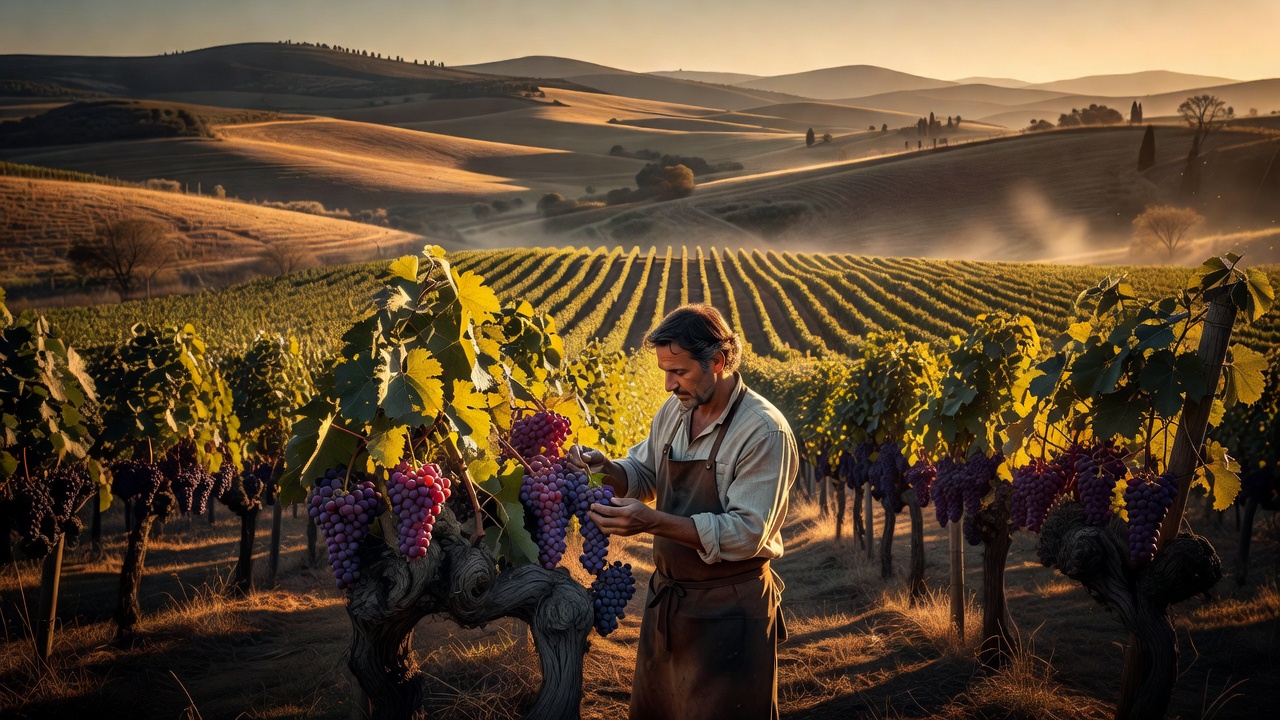
Wine has long been a symbol of heritage, passion, and human ingenuity, making it a compelling subject for filmmakers. In 2026, audiences can expect a wave of must-watch films that bring wine legends and winemaker stories to the screen. These productions blend historical narratives with dramatic flair, offering enthusiasts both entertainment and insight into the world of viticulture. The appeal lies in how these stories connect viewers to real-world traditions while exploring the lives of iconic figures who shaped the industry. Whether depicting ancient Roman vineyards or modern pioneers, the films highlight the artistry behind every bottle and the challenges of preserving legacy across generations.
From the terraced hills of Italy to the sun-drenched valleys of California, cinema has the power to transport audiences into the heart of winemaking. This year’s releases promise to deepen that connection by focusing on lesser-known legends whose innovations still influence today’s bottles. Viewers will gain appreciation for the labor-intensive processes that turn grapes into liquid history, all while enjoying compelling character arcs and stunning visuals of vineyards at their peak.
Historical Context of Wine in Film
Wine stories on screen are not new, but 2026 marks a shift toward greater authenticity and deeper exploration of heritage. Earlier films often romanticized the lifestyle without addressing the scientific and economic realities of the trade. Modern productions, however, draw from extensive archival research and consultations with historians to portray everything from phylloxera outbreaks to the rise of appellation systems. This evolution reflects growing audience demand for narratives that respect both the romance and the rigor of the craft.
By examining past cinematic treatments, one can see how directors now prioritize accuracy in costume, tool usage, and even fermentation techniques. Such attention to detail transforms these films into educational tools that complement visits to actual wine regions or tastings of heritage varietals.
Top 2026 Film Recommendations
Several standout titles are set to captivate wine lovers this year. Leading the pack is a biographical drama on the life of a legendary Bordeaux winemaker, showcasing his battles with phylloxera and innovations in blending. Another highlights the rise of California winemaking in the 1970s, drawing parallels to real competitions that elevated American wines globally. Additional recommendations include an animated feature exploring ancient Greek wine myths and a documentary-style film on sustainable practices in Tuscany. Each offers unique perspectives on heritage and legacy.
Further titles worth noting feature the story of a female winemaker in post-war France who revolutionized rosé production and a thriller set in a contemporary winery facing corporate takeover. These selections span genres, ensuring there is something for every viewer from casual fans to serious collectors seeking inspiration from past triumphs.
Accuracy Versus Dramatization in Key Films
Filmmakers often balance factual precision with narrative tension. For instance, scenes depicting vineyard labor may amplify conflicts for cinematic effect, while core events like groundbreaking harvests remain grounded in history. Comparisons to real figures reveal that while timelines are sometimes condensed, the essence of innovation and resilience shines through. One film compresses a decade of experimentation into a single season yet accurately captures the moment when a new grape clone was introduced to resistant soils.
Viewers interested in deeper research can cross-reference with authoritative sources such as History.com for context on winemaking milestones. Another example involves a dramatized rivalry between two neighboring estates; historical records show the competition existed but was less personal than portrayed. These choices heighten emotional stakes without erasing the underlying facts about terroir and tradition.
Behind-the-Scenes Production Insights
Production teams for these 2026 releases invested heavily in authenticity, consulting oenologists and filming on location in renowned regions. One project recreated historic cellars using period-accurate tools, while another incorporated drone footage of sprawling estates to capture the scale of operations. Challenges included weather dependencies during shoots and sourcing rare grape varieties for props. These efforts ensure immersive experiences that honor the legends portrayed.
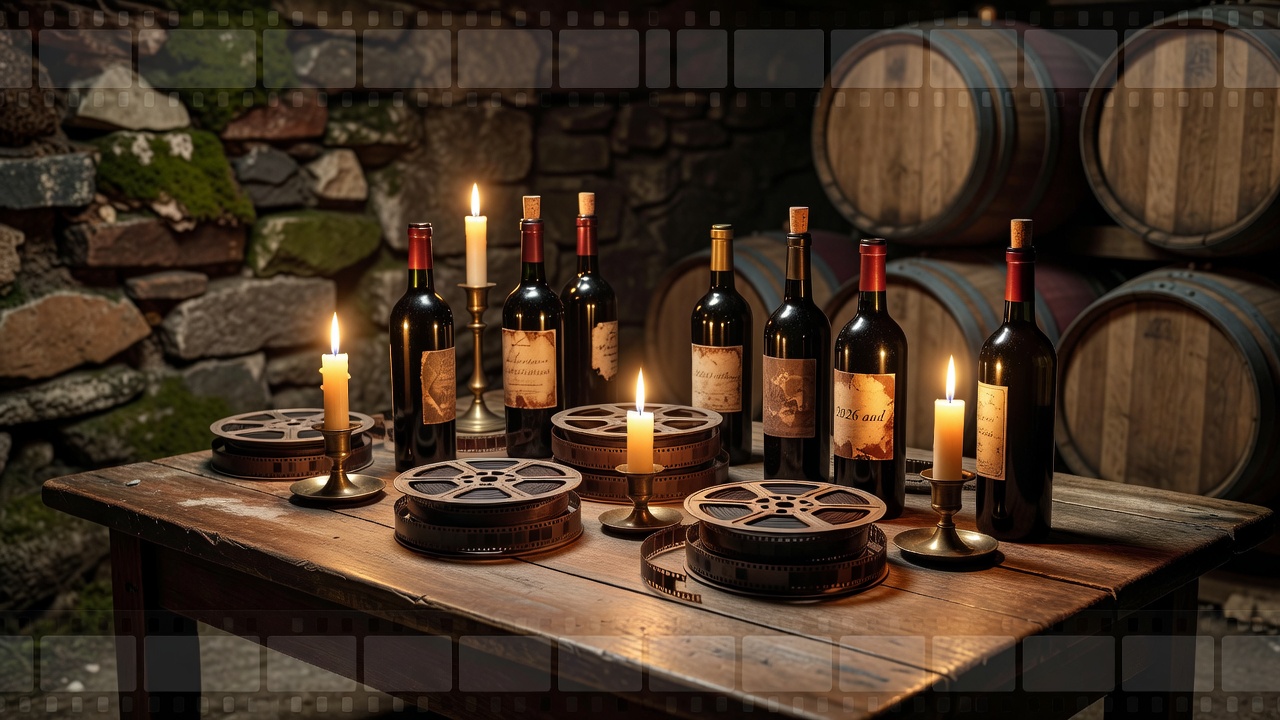
Costume designers studied vintage photographs to replicate 19th-century harvest clothing, and sound engineers recorded real fermentation sounds to layer into key scenes. Such meticulous work extends to casting, where actors underwent training in pruning and tasting to embody their characters convincingly.
Cultural Impact on Modern Wine Appreciation
Such films influence how contemporary audiences perceive wine, sparking renewed interest in heritage varietals and small-production estates. They encourage exploration beyond supermarket shelves, fostering appreciation for stories embedded in each vintage. Social media trends following early screenings show increased searches for obscure regions and older vintages, demonstrating measurable shifts in consumer behavior.
Resources like National Geographic provide further reading on global wine cultures amplified by media portrayals. The ripple effect also reaches tourism, with wineries featured in these films reporting higher visitor numbers and requests for guided tours focused on historical narratives rather than just tasting.
Practical Viewing Guide
To maximize enjoyment, pair screenings with matching wines from featured regions. Start with lighter fare for introductory films and progress to complex vintages for deeper narratives. Stream on major platforms or attend limited theatrical releases in wine-centric cities. Consider hosting a themed evening where guests sample wines discussed in the movie while pausing for commentary on accuracy.
Recommended Pairings
- Historical dramas with aged reds from Bordeaux
- Modern stories alongside crisp whites from California
- Mythological tales complemented by Greek Assyrtiko
- Documentary segments paired with organic Tuscan Sangiovese
Wine Club Discussion Questions
- How does the film portray the challenges of traditional winemaking compared to today?
- Which dramatized elements enhance the story without undermining facts?
- What real-life winemaker inspires you most after watching?
- How might these legends influence future sustainable practices?
- In what ways do the films address climate change impacts on vineyards?
- Would you recommend these movies to someone new to wine culture?
Mistakes to Avoid When Watching Wine Films
One common mistake is assuming every detail is documentary-grade truth; always verify key claims afterward. Another is overlooking the visual storytelling of terroir—pause to appreciate landscape shots that reveal soil types and microclimates. Finally, avoid dismissing animated or fictionalized entries, as they often convey cultural symbolism more effectively than strict realism.
FAQs on Where Legends Diverge from Facts
Q: Are the winemaker rivalries shown accurate? A: Core rivalries reflect documented competitions, though specific dialogues are often fictionalized for drama.
Q: Do films accurately depict grape varieties? A: Yes, consultants ensure varietal accuracy, but some blends are simplified for pacing.
Q: Can I visit locations featured? A: Many estates welcome visitors; check official tourism sites for details.
Q: How much creative license is typically taken? A: Timelines and personal relationships are the most commonly adjusted elements to fit runtime constraints.
Q: Are there resources to learn the true stories? A: Books from major wine historians and museum exhibits offer reliable follow-up material.
Conclusion
These 2026 films offer a gateway into the rich tapestry of wine legends, blending education with entertainment. By understanding the interplay of fact and fiction, enthusiasts can deepen their connection to this timeless craft and its enduring stories. Whether watching alone or with a club, the experience invites reflection on how past innovations continue to shape the glasses we raise today.
No comments yet. Be the first!