 Uncorked Conversations
Introduction: Uncovering Your Wine Heritage in 2026
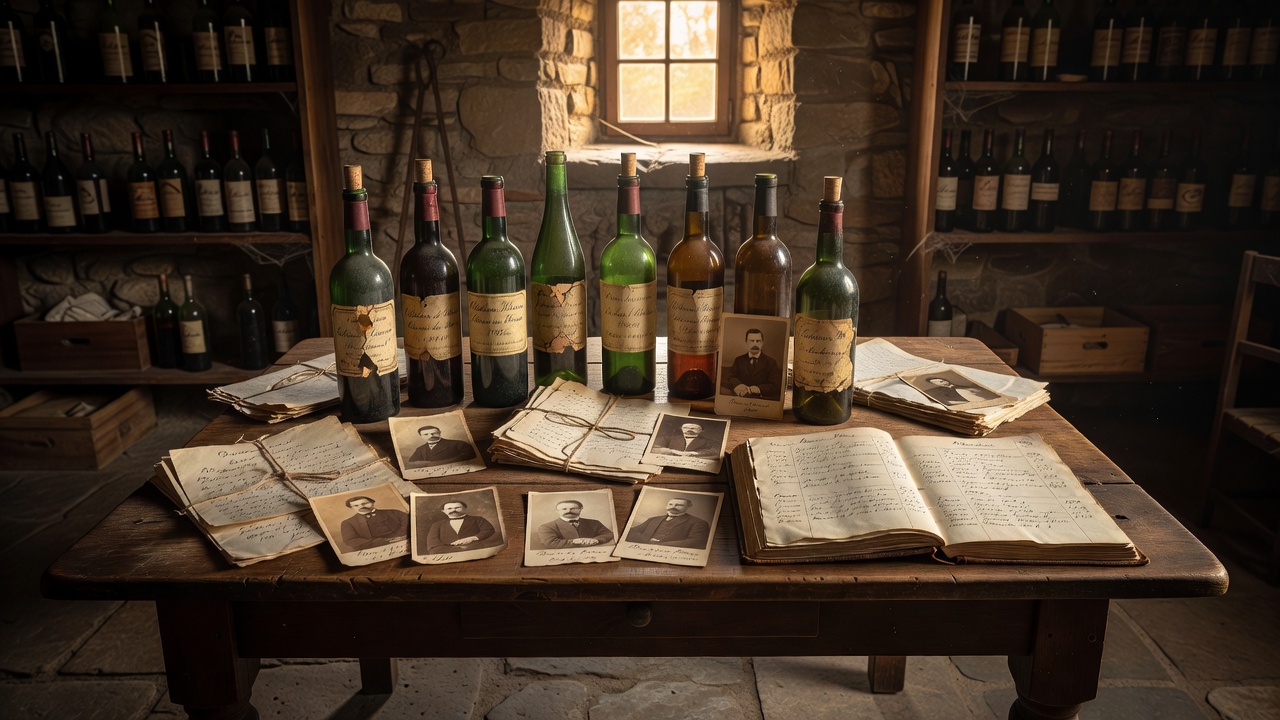
In 2026, wine enthusiasts are increasingly turning to family archives to trace personal connections to winemaking legends. This approach blends genealogical detective work with historical research, revealing stories that enrich appreciation for both heritage and global viticulture. Whether your ancestors tended vineyards in Europe or imported wines across oceans, systematic methods can bring these narratives to life. Archival exploration offers more than nostalgia; it provides context for modern tasting experiences and fosters ethical storytelling practices that honor family legacies without fabrication. Many enthusiasts begin with a single faded label or letter, only to uncover entire dynasties of grape growers and merchants whose innovations shaped regional wine cultures. By dedicating time to careful investigation, you can transform vague family anecdotes into verified timelines that connect your own background to famous estates in Bordeaux, Tuscany, or the Napa Valley. This process also encourages a deeper respect for preservation, ensuring that fragile documents survive for future generations while allowing you to share authentic stories at tastings or family gatherings.
Step-by-Step Archival Search Techniques
Begin your journey by organizing known family details such as names, locations, and approximate dates. Start with physical family documents like letters, photos, and ledgers stored in attics or basements. Cross-reference these with public records from local historical societies. Next, visit regional archives or libraries specializing in viticultural history. Use finding aids and indexes to locate relevant materials efficiently. For international searches, focus on emigration records if your family crossed borders with winemaking traditions. Always document your sources meticulously to allow future verification and expansion of your research. Break the process into phases: first gather oral histories from living relatives through recorded interviews, then move to census data and immigration manifests. When dealing with non-English records, enlist translation tools or local experts early to avoid misinterpretations. Create a research log that tracks every lead, noting dead ends as well as breakthroughs. This disciplined approach prevents duplication of effort and builds a reliable foundation for deeper dives into specialized wine collections.
Digitization Tips for Preservation and Access
Once physical items are located, digitization ensures long-term preservation and easier sharing. Use high-resolution scanners for documents and labels, maintaining original metadata such as dates and descriptions. Store files in multiple formats and locations, including cloud backups. Consider optical character recognition software to make handwritten notes searchable. 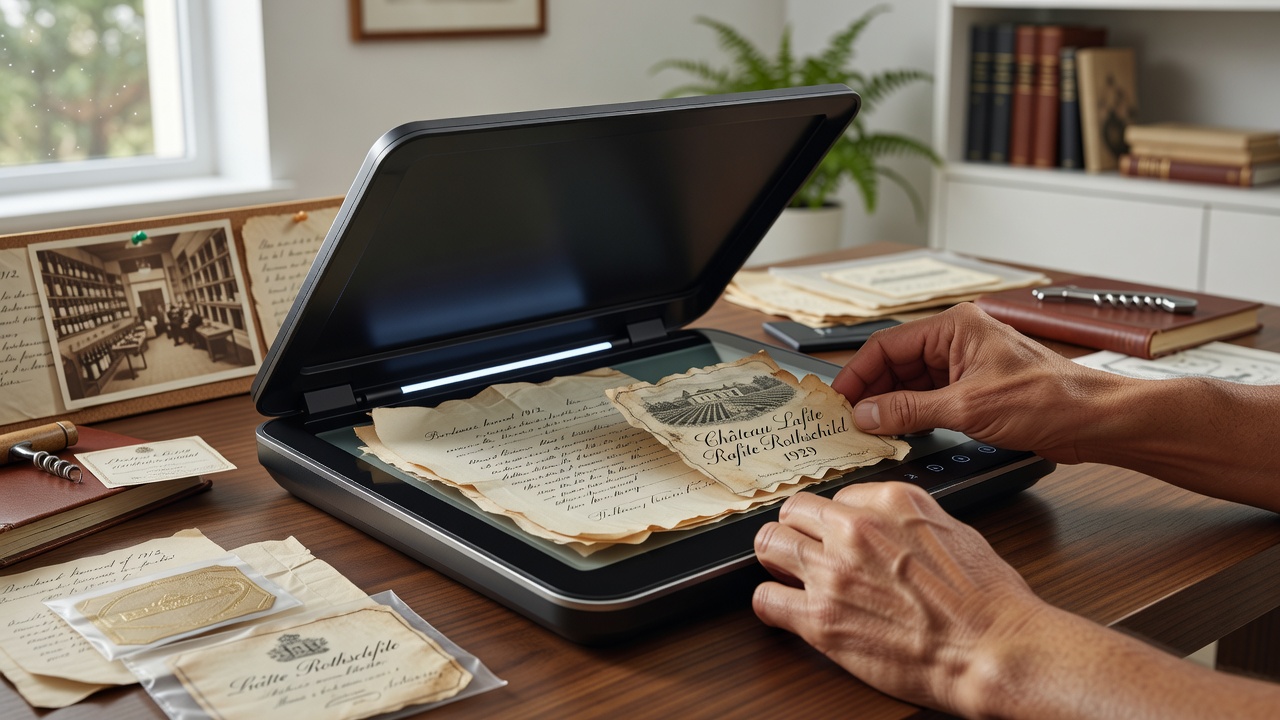
Cross-Referencing with Global Wine Legends
Compare your discoveries against established wine dynasties documented in authoritative sources. For instance, link family migration patterns to known regions like Bordeaux or Tuscany using resources from major institutions. This reveals parallels, such as shared techniques in grape cultivation or barrel aging passed through generations. Tools like public genealogy databases help bridge personal stories with broader historical events, including phylloxera outbreaks or prohibition impacts. Create visual timelines that overlay your family events with major industry milestones to spot potential connections. Consult Library of Congress collections for period-specific wine ephemera. Expand your search to include trade journals, customs ledgers, and vineyard maps that often mention lesser-known producers. When cross-referencing, pay attention to spelling variations of surnames and place names, which were common before standardized record-keeping. This methodical comparison can transform isolated family anecdotes into chapters of larger wine narratives that span continents.
- Identify overlapping timelines with famous estates.
- Map geographic movements against trade routes.
- Consult National Archives research guides for official documents.
- Review auction records and cellar inventories for ownership clues.
Real-World Examples of Unearthed Dynasties
One enthusiast traced a great-grandfather's role in early California winemaking through shipping manifests and family recipes, revealing ties to Italian immigrant traditions. Another discovered a relative's correspondence with a renowned Burgundy producer, illuminating post-war viticultural exchanges. A third researcher uncovered a line of Alsatian coopers whose barrel-making techniques influenced several prominent estates in the 19th century. These cases highlight how persistence uncovers hidden connections, often leading to visits to ancestral sites or collaborations with modern wineries. In one extended project, a family from Portugal pieced together a story of their ancestors supplying corks to South African vineyards during the 1920s, complete with surviving sample corks and invoices. Such examples demonstrate the emotional and educational rewards of thorough archival work, frequently resulting in published family histories or exhibits at local wine museums.
Physical Versus Digital Resources: A Comparison
Physical archives offer tactile authenticity and serendipitous finds but require travel and handling care. Digital platforms provide global access and searchability yet may lack context or suffer from incomplete scans. Hybrid approaches yield the best results: begin digitally for leads, then pursue originals for deeper insight. Professional archivists recommend balancing both for comprehensive narratives. Physical items can reveal paper quality, ink types, and marginal notes that digital versions omit, while digital databases allow rapid keyword searches across millions of records. Consider the trade-offs in time and cost, and always prioritize institutions with strong digitization programs when planning research trips.
Tools and Resources for 2026 Researchers
Updated apps integrate AI-assisted transcription with archival databases, streamlining cross-referencing while preserving human oversight for interpretation. Subscription services for historical newspapers and specialized wine libraries have become more affordable, offering remote access to rare periodicals. Local historical societies often provide free workshops on handling fragile documents, and many now partner with universities to host virtual tours of their collections.
Common Mistakes to Avoid
Researchers frequently overlook collateral family lines or assume all records are digitized. Another pitfall is neglecting to verify secondary sources against primary documents. Always seek multiple confirmations before publishing findings, and remain open to revising conclusions as new evidence appears.
FAQ: Addressing Common Challenges
How do I handle incomplete records?
Focus on contextual clues and triangulate multiple sources. Oral traditions and collateral family lines often fill gaps when official documents fall short.
What ethical practices guide storytelling?
Prioritize accuracy over embellishment. Obtain permissions for sharing sensitive family details and clearly distinguish verified facts from reasonable inferences in your narratives.
Are there tools for 2026 researchers?
Updated apps integrate AI-assisted transcription with archival databases, streamlining cross-referencing while preserving human oversight for interpretation.
How can I involve younger family members?
Assign age-appropriate tasks such as scanning photos or transcribing simple letters, turning the project into a shared learning experience that passes knowledge forward.
Conclusion: Building Lasting Connections
Tracing wine legends through family archives transforms personal history into a living legacy. By applying these methods, enthusiasts in 2026 can forge meaningful links between their roots and the wider world of wine, ensuring stories endure for future generations. Start small, stay curious, and let each discovery deepen your appreciation. The rewards extend beyond individual satisfaction to contribute valuable details to the collective understanding of wine history worldwide.
No comments yet. Be the first!