 Uncorked Conversations
Introduction: The Power of Winemaker Narratives in 2026
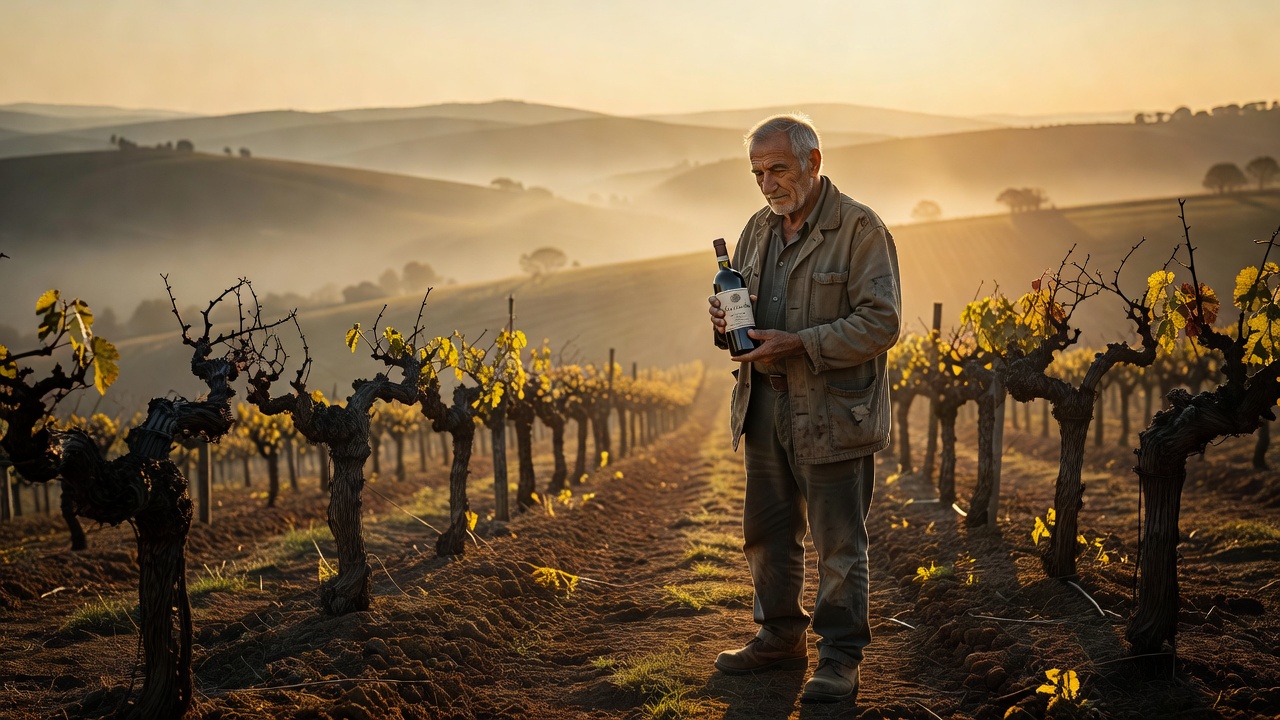
In the competitive wine industry, individual stories have become the foundation of brand longevity. This article examines three distinct case studies from different regions, analyzing how personal tales transform into enduring legends. We focus on 2026 trends, including narrative techniques, digital media strategies, and measurable outcomes on recognition and sales. Winemaker stories are no longer just background details on a label; they serve as powerful marketing assets that connect consumers emotionally to the bottle. As global wine markets grow more saturated, brands that fail to craft compelling narratives risk being overlooked in favor of those with rich, authentic histories. Throughout this piece we explore practical methods for enthusiasts and professionals alike to apply these lessons.
Case Study 1: Burgundy, France – The Terroir Keeper
A fourth-generation winemaker in Burgundy leveraged family history tied to specific vineyard parcels. By documenting oral histories through video series and pairing them with limited-release bottles, the brand achieved cult status. Step-by-step, the process involved identifying core emotional anchors, crafting consistent messaging across platforms, and collaborating with local historians for authenticity. The winemaker began by recording interviews with elderly relatives about post-war vineyard recovery efforts. These recordings were edited into short, shareable clips that highlighted both triumphs and hardships. Limited editions featured handwritten notes from the family archive on each label. Over time, this approach created a sense of exclusivity that drove collector interest and repeat purchases. The strategy also included partnerships with regional tourism boards to host storytelling dinners at the estate, further embedding the narrative in the physical experience of visiting the winery.
Case Study 2: Napa Valley, USA – The Innovator’s Journey
In California, a winemaker focused on sustainable practices turned personal environmental challenges into a compelling arc. Digital campaigns on Instagram and podcasts amplified the story, leading to increased direct-to-consumer sales. Comparisons show that failed approaches often lack emotional depth or consistent follow-through, resulting in fleeting attention rather than legend status. The Napa producer documented their transition from conventional farming after a severe drought in the early 2020s, sharing before-and-after soil health data alongside personal reflections. Podcast episodes featured conversations with climate scientists and neighboring growers who adopted similar regenerative methods. This transparency helped position the brand as a thought leader. In contrast, another Napa estate attempted a similar sustainability angle but used stock photos and generic copy, leading to consumer skepticism and minimal engagement. The key difference lay in the depth of personal vulnerability shared and the regularity of content updates throughout the year.
Case Study 3: Marlborough, New Zealand – The Pioneer Spirit
A young winemaker from Marlborough emphasized immigrant roots and experimental winemaking. Measurable impacts included a 40% rise in international media mentions within one year. Narrative techniques such as serialized storytelling proved key to sustaining momentum. The producer created a multi-part web series following the planting of new experimental blocks using ancient Italian grape varieties. Each episode ended with a cliffhanger about the next harvest challenge, encouraging subscribers to return. Social media teasers directed traffic to the full series hosted on the winery website. This serialized format kept audiences invested over several months and generated organic shares among wine enthusiasts. The approach also attracted coverage from international trade publications interested in innovative New World techniques rooted in Old World traditions.
Narrative Techniques That Drive Legend Status
Several core techniques consistently appear across successful cases. Emotional anchoring through personal adversity and triumph forms the backbone of any legend-building effort. Integration of regional heritage with modern innovation prevents stories from feeling dated. Multi-format delivery combining text, video, and interactive elements broadens reach across different audience preferences. Additional advanced methods include using recurring motifs such as a signature family crest or a particular harvest ritual that appears across all communications. Another technique involves inviting consumers to contribute their own tasting notes or memories, turning passive readers into active participants in the evolving legend. These methods require careful planning to maintain authenticity while scaling the narrative across global markets.
The Role of Digital Media in Amplification
Platforms like social media and virtual tastings have accelerated legend-building. Decanter highlights how targeted digital campaigns can expand reach exponentially. Successful brands use data analytics to refine messaging in real time. In 2026, tools such as short-form video continue to dominate, but long-form content like in-depth blog series and email newsletters provide the depth needed for legend status. Virtual reality vineyard tours have also emerged as a premium engagement tactic for high-end producers. Cross-platform consistency remains critical; a story told on Instagram must align seamlessly with the version presented during an in-person tasting event. Analytics platforms help identify which story elements resonate most strongly with different demographic groups, allowing for targeted refinements that improve conversion rates over time.
Measurable Impacts on Sales and Recognition
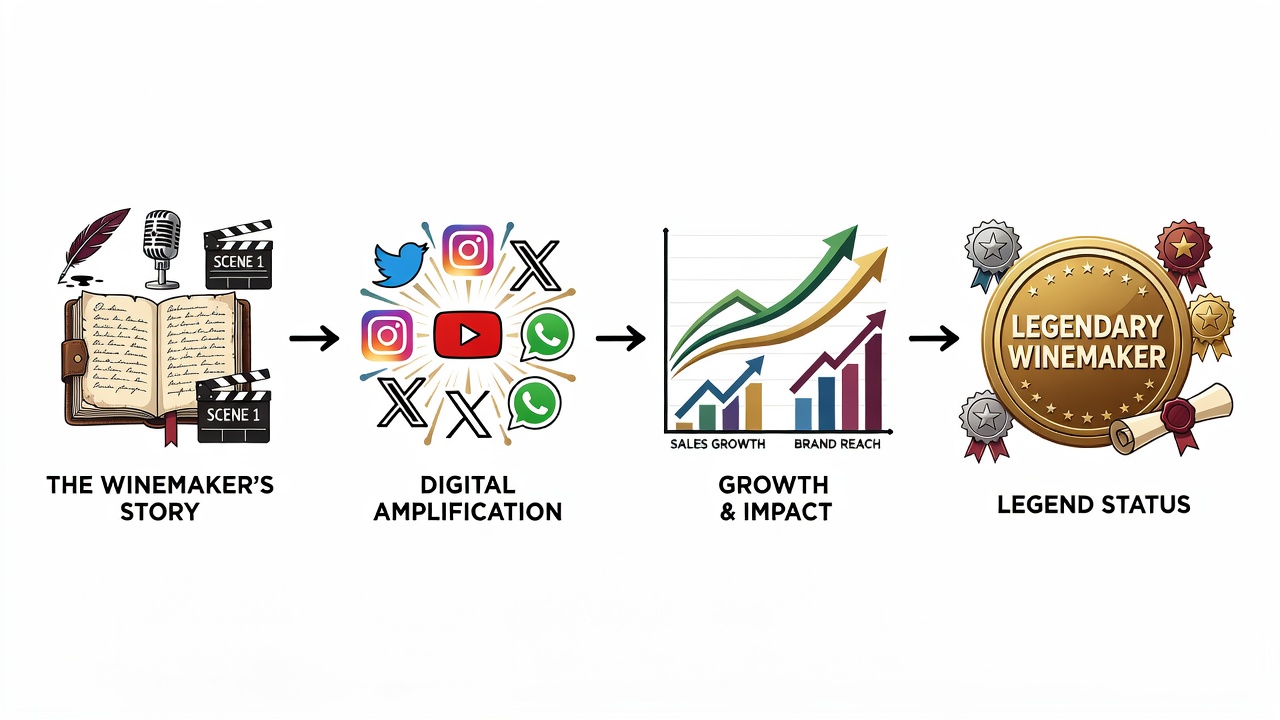
Across the cases, brands saw enhanced visibility through awards and partnerships. Failed attempts typically stemmed from inconsistent storytelling or neglecting audience engagement metrics. In the Burgundy example, direct sales increased steadily after the video series launch, while the Marlborough producer reported stronger wholesale placements in new export markets. Recognition often manifests through invitations to speak at industry conferences and features in annual “top producers” lists. Professionals should track both quantitative metrics such as website traffic and social engagement as well as qualitative indicators like media sentiment and customer loyalty scores. Regular audits of narrative performance help identify when a story needs refreshing to maintain relevance.
Step-by-Step Analysis for Applying These Insights
- Map your winemaker’s personal journey and key milestones by conducting structured interviews and reviewing historical records.
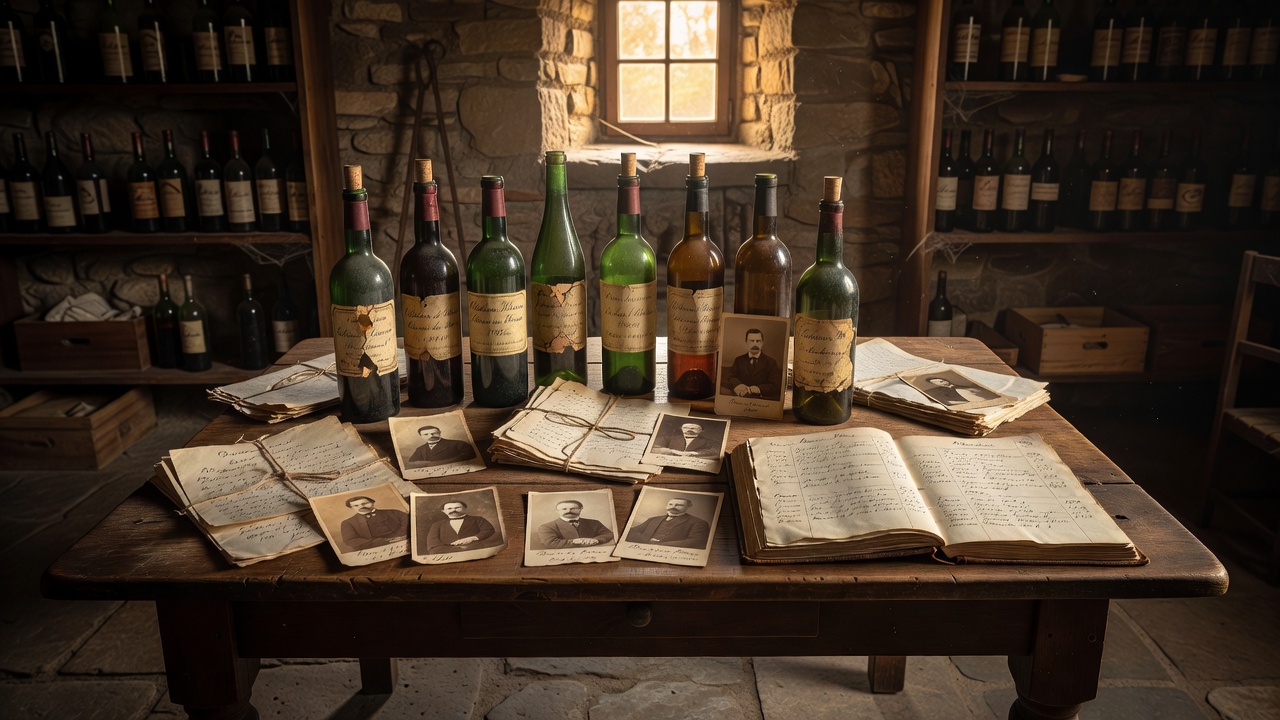
- Identify authentic visual and narrative assets including family photos, handwritten notes, and video footage of daily operations.
- Develop a phased rollout plan across digital channels that begins with teaser content and builds toward deeper, serialized storytelling.
- Measure engagement and adjust based on performance data, using both platform analytics and direct customer feedback surveys.
- Establish partnerships with complementary brands or media outlets to extend reach without diluting the core message.
Successful vs. Failed Approaches: Key Comparisons
Success factors include authenticity and persistence; failures often result from generic content or ignoring cultural context. Wine Magazine notes that consistent narrative evolution separates legends from one-hit wonders. Another common failure mode involves over-commercializing the story too early, which can alienate audiences who value perceived purity. Successful producers instead allow the legend to develop organically while gently guiding its direction through strategic content choices. Regional differences also matter: Old World stories often emphasize tradition and continuity, while New World narratives benefit from highlighting innovation and personal reinvention.
FAQ: Applying These Insights to Your Projects
How long does it take for a story to become legendary? Typically 3–5 years of consistent effort, depending on execution quality and market conditions.
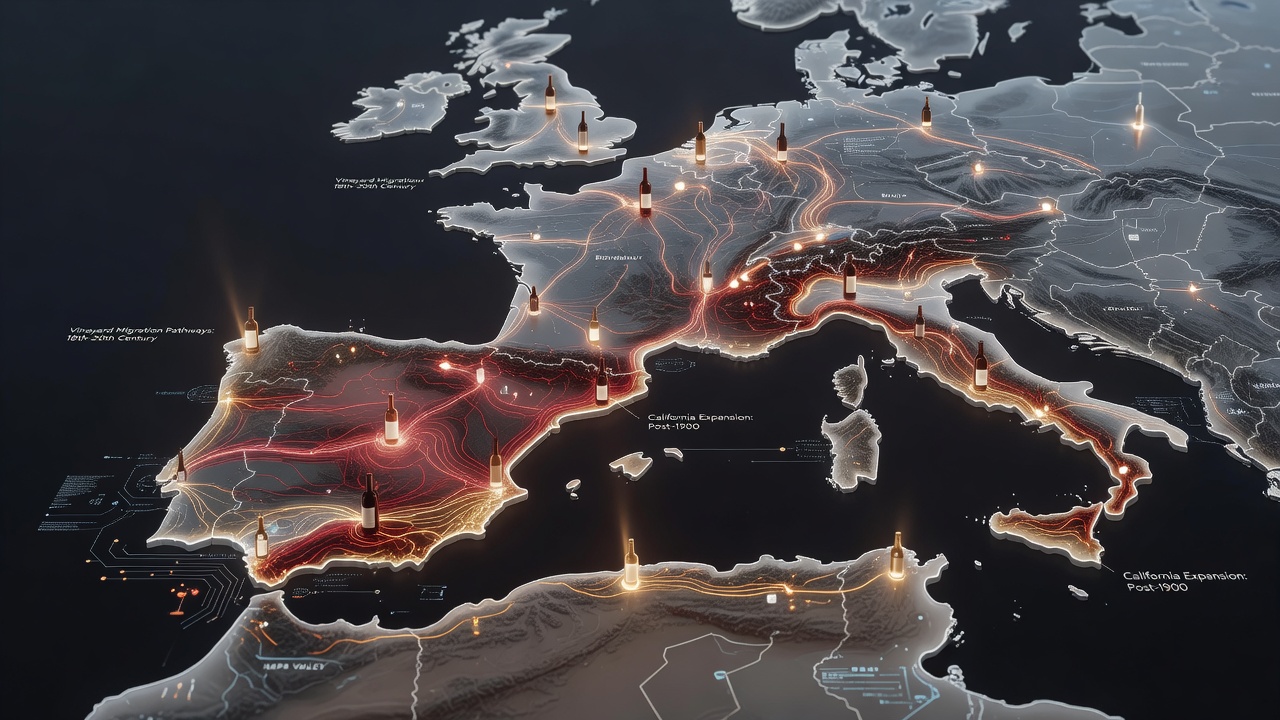
What digital tools are most effective? Video content and interactive maps perform best in 2026, supplemented by email sequences and live virtual events.
Can small producers compete? Yes, by focusing on niche authenticity rather than broad appeal and leveraging low-cost platforms for distribution.
How do you maintain story freshness over time? Introduce new chapters such as generational transitions or responses to climate events while preserving the original emotional core.
What legal considerations apply when sharing family histories? Ensure all featured individuals have granted permission and that claims about vineyard history can be substantiated with documentation.
Conclusion
By studying these case studies, enthusiasts and professionals can craft compelling wine stories that endure. The blend of tradition, innovation, and strategic digital amplification remains essential for turning personal narratives into wine legends. Implementing even a few of the outlined techniques can significantly elevate brand perception and long-term commercial success in today’s storytelling-driven market.
No comments yet. Be the first!