 Uncorked Conversations
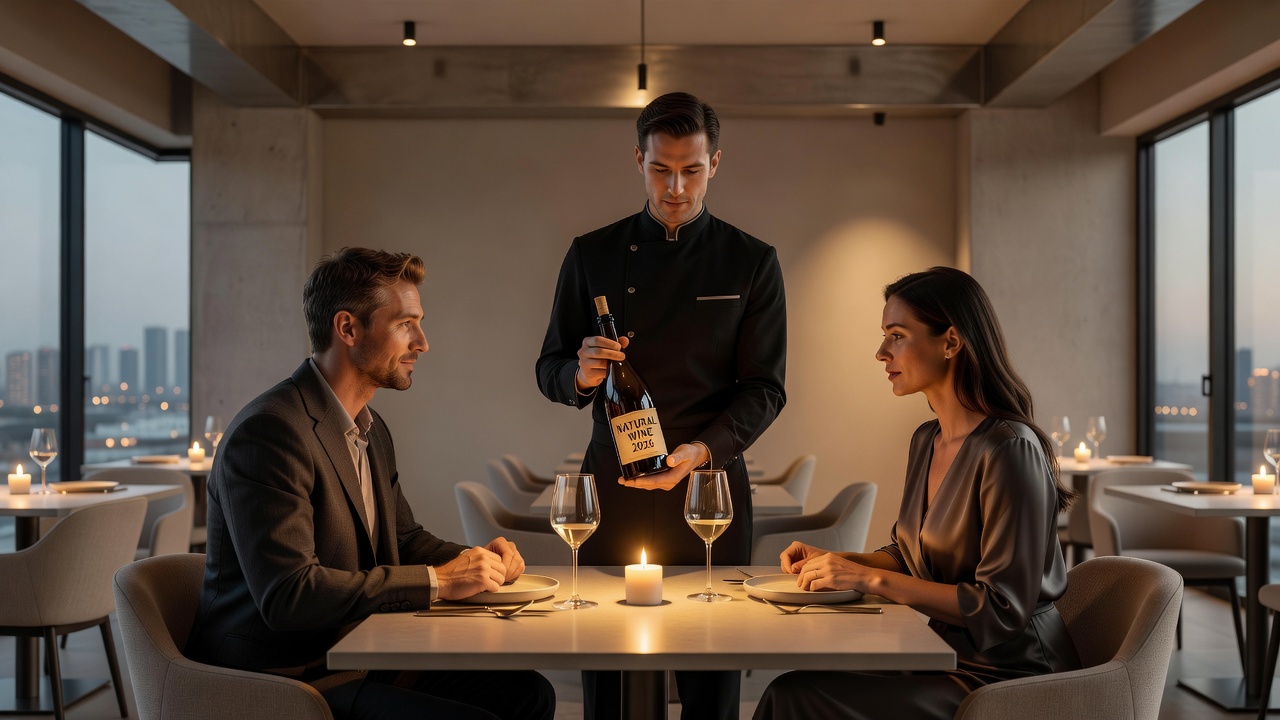
Introduction to Natural Wine Service in 2026
Natural wines, including organic, biodynamic, and low-intervention styles, continue to gain prominence in fine dining and casual hospitality settings worldwide. These wines, produced with minimal additives and often featuring unique, funky profiles from native yeasts and spontaneous fermentation, require specialized service skills from sommeliers and restaurant professionals. This 2026 guide delivers in-depth protocols to elevate guest experiences while emphasizing sustainability benefits such as reduced chemical use and support for regenerative farming practices that protect soil health and biodiversity.
Unlike conventional wines, natural expressions can vary significantly from bottle to bottle due to living yeasts and lack of filtration or stabilization. Understanding these nuances helps professionals avoid common service errors and showcase the wines' terroir-driven character. In 2026, with growing consumer interest in transparent production methods, mastering these techniques positions restaurants as forward-thinking leaders in the hospitality industry. Sommeliers who excel here not only improve guest satisfaction but also contribute to broader environmental goals by promoting wines that align with eco-friendly agriculture.
Glassware Selection for Natural Wines
Choosing the right glassware enhances aroma delivery and preserves delicate textures in natural wines. These wines often benefit from larger bowls that allow controlled oxidation to evolve flavors gradually without overwhelming the profile. For whites and orange wines, opt for universal glasses with a slightly tapered rim to concentrate fruit and mineral notes. Red natural wines, especially those with earthy or barnyard characteristics, shine in Burgundy-style glasses that direct volatile compounds toward the nose effectively.
Professionals should avoid overly narrow flutes, which can trap reductive aromas common in some low-intervention bottles and mask their vibrant complexity. Sparkling natural wines require tulip-shaped glasses to maintain effervescence while showcasing bubbles. Always polish glasses to a high shine to prevent any interference with the wine's visual appeal, as clarity is a hallmark of well-served natural selections. Consider investing in a versatile set that accommodates various styles, ensuring consistency across the list.
Temperature Control Nuances
Temperature management is critical for natural wines, as they lack stabilizing additives that help conventional wines maintain balance. Serve most natural whites and rosés between 10-12°C to highlight freshness without muting delicate aromas or acidity. Light reds and orange wines perform best at 14-16°C, allowing their funkier elements to integrate smoothly and reveal layered textures.
Advanced technique involves monitoring cellar conditions daily and using precise digital thermometers during service to avoid fluctuations. Over-chilling can suppress the microbial complexity that defines many natural wines, while serving too warm accelerates unwanted oxidation and flattens fruit. Seasonal adjustments are essential—slightly cooler service in summer months preserves vibrancy, whereas winter calls for marginally warmer temperatures to unlock aromas. Training staff to check temperatures at multiple stages ensures reliability even during busy shifts.
Decanting Methods and Sediment Management
Decanting natural wines demands care due to higher sediment levels from unfiltered production methods. Use a slow pour with a light source behind the bottle to spot sediment early and prevent cloudiness in the glass. For older vintages or those showing reduction, decant 30-60 minutes before service to let volatile sulfur compounds dissipate naturally while preserving vibrant fruit.
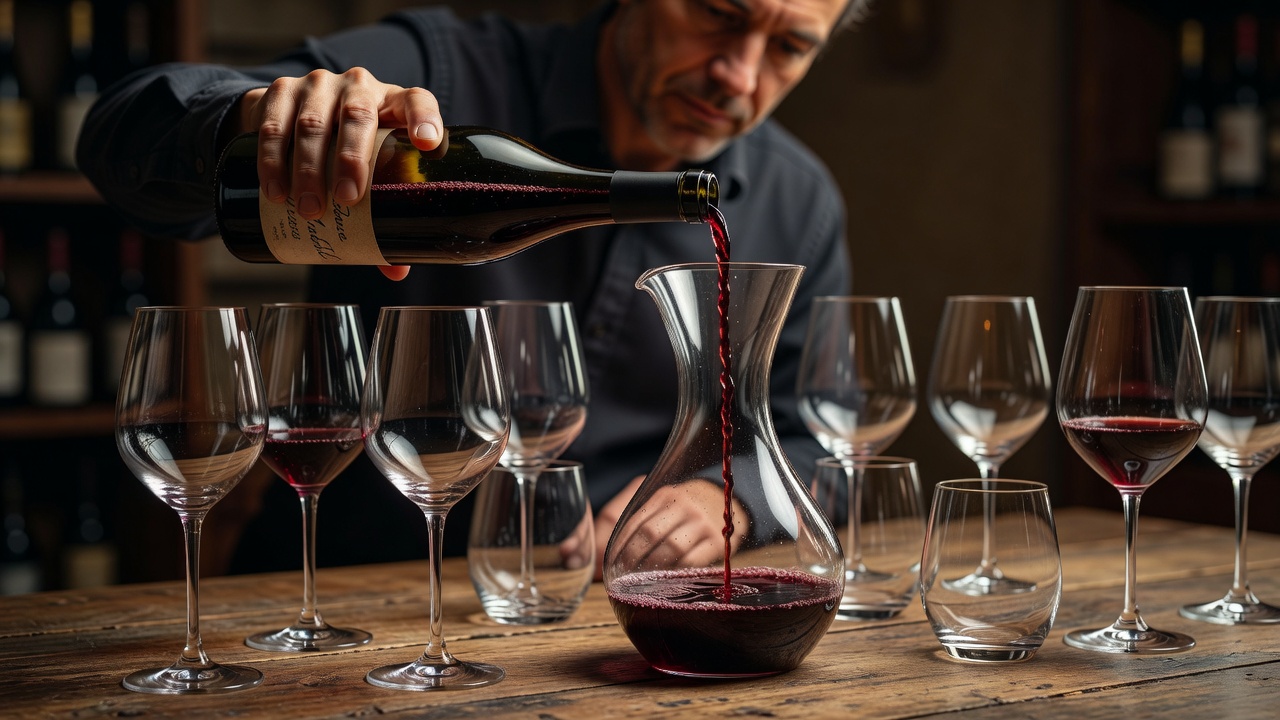
Step-by-step protocol includes: 1) Chill the bottle upright for 24 hours if possible to settle particles. 2) Select a wide decanter to maximize surface area for gentle aeration. 3) Position the bottle at a 45-degree angle and pour steadily. 4) Stop when sediment approaches the neck, leaving the last portion behind. This method preserves clarity while respecting the wine's living nature. Real-world application at venues like those in Portland or New York shows that proper decanting turns potentially cloudy bottles into highlights that guests appreciate for their authenticity.
Pairing Adjustments for Funky Profiles
Natural wines with barnyard, yeasty, or herbal notes pair best with dishes that complement rather than compete with their character. Earthy reds match mushroom-based courses, aged cheeses, or grilled vegetables beautifully. High-acid whites cut through rich, fatty proteins like duck or pork effectively, creating balance. Consider how the wine's texture interacts with food—lighter natural styles suit delicate seafood, while fuller expressions handle spiced cuisines well.
Compare this to conventional wine pairings, where standardized profiles allow more predictable matches based on grape variety alone. Natural wine service encourages flexibility—adjust based on each bottle's unique expression rather than rigid rules. For example, a funky pét-nat might pair with charcuterie boards where its bubbles cleanse the palate, whereas a reductive orange wine excels alongside fermented vegetables. Experimentation during staff tastings refines these instincts over time.
Step-by-Step Service Protocols
- Inspect the bottle for any leakage, unusual appearance, or label damage upon retrieval from storage.
- Present the bottle label-forward to the guest, noting producer, vintage, and production details to set expectations.
- Open using a standard corkscrew with minimal agitation, then smell the cork for off-aromas indicating faults.
- Pour a small taste for the host first, allowing assessment of the wine's condition and inviting feedback.
- Serve guests in a clockwise direction starting from the host's right, maintaining consistent fill levels around one-third full.
- Monitor the table throughout the meal, offering top-ups or adjustments as the wine evolves in the glass.
Comparisons to Conventional Wine Handling
Conventional wines often tolerate rougher handling due to stabilization processes like filtration and added sulfites. Natural wines, however, reward gentle movement and minimal agitation to prevent excessive oxidation that could dull their vibrant qualities. Where conventional service might involve aggressive aeration through vigorous swirling, natural wine benefits from slower evolution in the glass or decanter to let flavors unfold organically.
Leading 2026 venues report higher guest satisfaction when staff explain these differences upfront, turning potential surprises into educational moments that build loyalty. This approach also highlights sustainability, as natural methods support biodiversity and lower environmental impact compared to industrial production.
Common Pitfalls to Avoid
- Over-aerating young natural wines, which can strip delicate fruit and leave them flat—always taste first before deciding on decant time.
- Using metal ice buckets that chill too rapidly and mute aromas; opt for insulated sleeves or gradual cooling instead.
- Ignoring bottle variation and assuming consistency across vintages, leading to mismatched expectations during service.
- Neglecting to discuss sustainability aspects that appeal to eco-conscious diners seeking wines aligned with regenerative practices.
- Failing to train all front-of-house staff uniformly, resulting in inconsistent experiences that undermine the wine list's potential.
Real-World Examples from 2026 Venues
Restaurants emphasizing natural lists have integrated these protocols successfully, resulting in repeat visits and positive reviews. For instance, a Brooklyn establishment uses custom glassware flights to demonstrate how different shapes alter perception of the same natural wine. In California, sommeliers at a biodynamic-focused spot incorporate brief stories about the winemaker's methods during service, enhancing engagement. These examples illustrate how attention to detail transforms natural wine offerings into memorable experiences.
FAQ: Oxidation Concerns and Sediment Management
How do I address guest concerns about oxidation?
Explain that slight oxidation is intentional in many natural wines, enhancing complexity and mouthfeel. Offer a side-by-side comparison with a conventional counterpart if needed to illustrate the difference in character.
What is the best way to handle heavy sediment?
Decant slowly and consider using a fine mesh strainer for particularly cloudy bottles, though many purists prefer leaving sediment in the bottle to maintain integrity. Always communicate the process transparently to guests.
Are there tools that help with natural wine service specifically?
Invest in wide-bottom decanters, precise thermometers, and non-reactive openers to minimize disruption. These support the living qualities of the wines without introducing unwanted elements.
Conclusion
Mastering natural wine service in 2026 positions restaurants as leaders in sustainability and guest education. By applying these detailed protocols for glassware, temperature, decanting, and pairings, professionals create memorable experiences that highlight the unique benefits of low-intervention wines. Continued training and adaptation ensure teams stay ahead of evolving trends. For further reading on sustainable agriculture practices, explore resources from FAO and UNEP.
No comments yet. Be the first!