 Uncorked Conversations
Why Natural Wine Aligns Perfectly with Zero-Waste Living
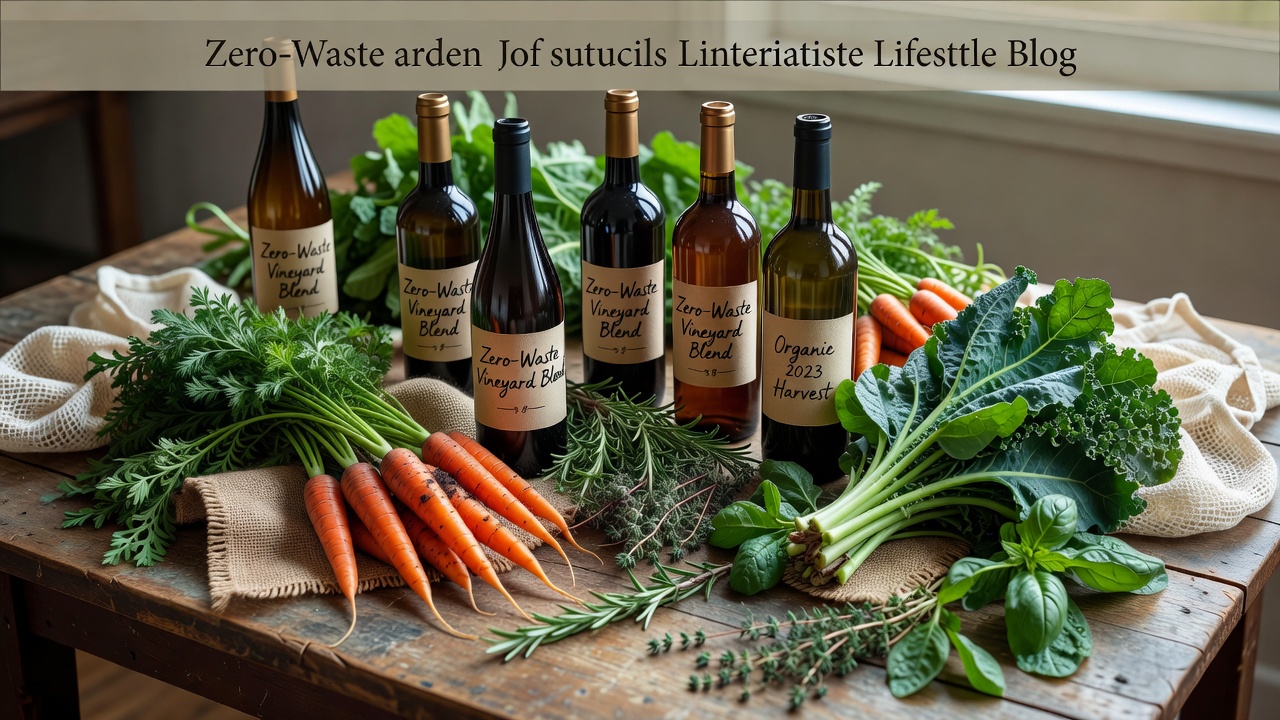
In 2026, eco-conscious consumers are increasingly turning to natural wine as a key component of sustainable lifestyles. Unlike conventional wines produced with additives and heavy packaging, natural wines emphasize minimal intervention from vineyard to bottle. This approach reduces chemical inputs, lowers transportation emissions through local sourcing, and supports circular economy principles that minimize waste at every stage. Zero-waste living focuses on refusing, reducing, reusing, and recycling materials to divert waste from landfills. Natural wines fit this model because they often come from small producers using organic or biodynamic methods that regenerate soil and biodiversity. By choosing these options, individuals can enjoy wine while actively contributing to environmental preservation. The synergy arises from shared values of transparency and regeneration, allowing wine enthusiasts to reduce their ecological footprint without sacrificing quality or enjoyment.
Understanding the broader context helps. Conventional wine production frequently involves synthetic pesticides, excessive water use, and single-use packaging that ends up in landfills. Natural wines counter this by relying on wild yeasts, minimal sulfur, and farming practices that build healthy ecosystems. As consumers adopt zero-waste habits in food, household items, and transportation, extending those principles to beverages like wine creates a consistent lifestyle approach that amplifies positive impact over time.
Sourcing Natural Wines with Minimal Packaging
Start by seeking producers who prioritize lightweight or reusable packaging. Many certified natural wine makers in Europe and the United States now offer wines in kegs, bag-in-box formats made from recycled materials, or returnable glass bottles. Look for labels indicating organic certification or participation in biodynamic programs to ensure alignment with low-intervention standards. Researching producers through regional directories reveals options that ship in consolidated cases or use carbon-neutral logistics partners. Visiting farmers' markets or joining community-supported agriculture programs that partner with wineries provides direct access to minimal-packaging options while supporting local economies.
Practical steps include visiting farmers' markets or joining community-supported agriculture programs that partner with wineries. Online directories from reputable natural wine associations can help identify nearby options. When purchasing, opt for bulk formats to cut down on single-use glass and cardboard. Always verify the producer's commitment to traceability by checking for detailed vineyard information on their websites or labels, which often includes soil health metrics and water conservation efforts.
Comparing Packaging Innovations from Certified Producers
Leading producers have introduced innovations such as lightweight recycled glass that reduces shipping weight by up to 30 percent and reusable aluminum cans for on-the-go consumption. Biodynamic estates often experiment with terracotta amphorae for aging, which can be refilled locally. These advancements contrast with traditional heavy bottles that contribute significantly to carbon footprints. Certified producers using Demeter or similar standards frequently document their packaging lifecycle, showing measurable reductions in plastic use and energy consumption during manufacturing.
Consumers should compare certifications like Demeter for biodynamics or USDA Organic to verify claims. Real-world examples include wineries in California's Napa Valley that have implemented closed-loop systems where bottles are collected, sanitized, and refilled on-site. In contrast, some European estates in the Loire Valley focus on reusable wooden crates and paper-based labels derived from agricultural waste, offering further reductions in virgin material consumption while maintaining product integrity during transport.
Reusing Bottles Through Local Refill Programs
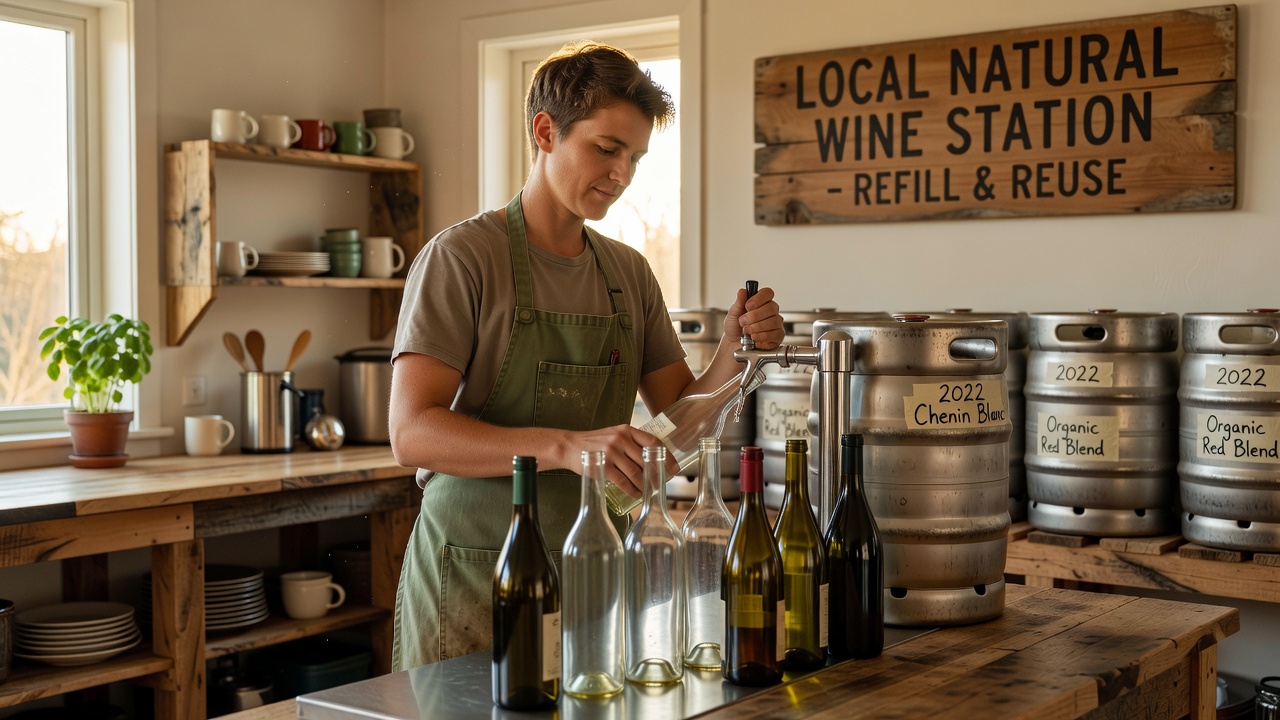
Many cities now host natural wine refill stations where customers bring empty bottles for cleaning and refilling with bulk natural wines. These programs extend bottle life cycles and eliminate new glass production needs. Search for participating wineries via local sustainability networks or apps focused on circular practices. Establishing relationships with these stations often includes educational workshops on proper bottle care and seasonal wine selections that match community preferences.
Establish a routine by designating a set of reusable bottles at home and tracking refill schedules. This not only cuts waste but also fosters connections with producers committed to environmental stewardship. Participants report higher satisfaction when they coordinate group refills with neighbors, turning the process into a social activity that reinforces collective zero-waste goals.
Pairing Natural Wines with Zero-Waste Meals
Integrate natural wines into zero-waste dining by selecting bottles that complement meals made from local, seasonal produce with no packaging waste. For example, crisp natural whites pair beautifully with vegetable-forward dishes using garden herbs, while earthy reds enhance fermented foods from home preservation projects. Matching wine acidity and tannins to the meal's textures creates harmonious experiences that highlight both the beverage and the food's natural qualities.
- Choose wines with low sulfite levels to match delicate flavors in zero-waste recipes.
- Experiment with natural sparkling wines alongside fruit-based desserts from surplus produce.
- Host tasting events focused on upcycled ingredients to share knowledge within communities.
- Consider aging some natural wines in reusable demijohns at home to develop complex flavors without additional purchases.
Additional pairings might involve natural orange wines with whole-grain salads incorporating kitchen scraps turned into pickles, demonstrating how thoughtful beverage choices elevate everyday sustainable cooking.
Building a Zero-Waste Wine Routine: Checklist
- Audit your current wine purchases for packaging waste and switch to natural alternatives.
- Identify three local refill programs or producers within driving distance.
- Invest in a set of durable, reusable bottles and cleaning supplies.
- Track consumption to avoid overbuying and spoilage.
- Join online forums for 2026 circular economy updates in the wine sector.
- Compost any organic residues from wine production or consumption.
- Review annual sustainability reports from favorite producers to stay informed on improvements.
- Share excess bottles with community swap events to prevent individual overstocking.
2026 Trends in Circular Economy Wine Practices
The wine industry is embracing regenerative agriculture and blockchain traceability to enhance transparency in 2026. Producers are adopting mycelium-based packaging and collaborating on regional bottle-return networks. These trends empower consumers to participate in broader sustainability movements while enjoying high-quality natural wines. Emerging practices also include drone monitoring of vineyards for precise resource allocation and partnerships with recycling firms to convert grape stems into new packaging materials.
Real-World Examples of Low-Intervention Wineries
Wineries in regions like Loire Valley, France, demonstrate success by using solar-powered facilities and donating pomace for animal feed or compost. Similar efforts in Oregon highlight how small-scale operations reduce overall environmental impact through community partnerships. In Australia, several biodynamic estates have pioneered water recycling systems that capture and treat winery wastewater for vineyard irrigation, closing resource loops effectively. These examples illustrate scalable models that other regions can adapt based on local climate and regulations.
Common Mistakes to Avoid When Adopting Natural Wine in Zero-Waste Routines
One frequent error is assuming all natural wines are automatically zero-waste without checking packaging details. Always inspect labels and supplier practices. Another mistake involves improper storage leading to premature spoilage, which wastes product and undermines sustainability efforts. Consumers should also avoid over-relying on imported natural wines when local options exist, as transportation adds unnecessary emissions. Finally, neglecting to maintain refill equipment can introduce hygiene issues, so regular cleaning protocols are essential.
FAQs on Natural Wine and Zero-Waste Concerns
How can I prevent spoilage in natural wines without additives?
Store bottles in cool, dark places and consume within recommended timelines. Many natural wines age gracefully due to their living qualities, and proper sealing extends usability. Temperature fluctuations are a primary cause of spoilage, so dedicated wine storage solutions help maintain stability.
What is the environmental impact compared to conventional wines?
Natural wines typically have lower pesticide use and support biodiversity, leading to reduced soil degradation and water pollution. For more on sustainable agriculture, visit FAO. Studies from environmental agencies further confirm that low-intervention methods decrease overall carbon emissions across the supply chain.
Are refill programs hygienic and accessible?
Reputable programs follow strict sanitation protocols. Check local health guidelines or resources from EPA for best practices in reuse systems. Many stations now offer mobile apps for locating the nearest site and viewing real-time availability.
How do 2026 circular trends affect everyday consumers?
Trends like regional return networks make participation easier, while new packaging materials improve convenience without compromising environmental benefits. Resources from UNEP provide additional context on global circular economy advancements applicable to wine.
Conclusion
Embracing natural wine within zero-waste lifestyles offers both enjoyment and meaningful environmental action. By following the sourcing tips, refill strategies, and routine checklist outlined above, consumers can make informed choices that support a sustainable future in 2026 and beyond. Consistent small actions compound into significant collective progress for the planet.

No comments yet. Be the first!