 Uncorked Conversations

Introduction to Natural Wine and Its Wellness Appeal
Natural wine has gained significant attention among health-conscious consumers seeking alternatives to conventional options. Produced with minimal intervention, natural wines emphasize organic or biodynamic grapes, spontaneous fermentation, and little to no added sulfites or other additives. This beginner-friendly guide examines emerging health-related aspects based on 2026-aligned insights, focusing on antioxidant levels, purity benefits, and practical comparisons to help you make informed choices. As interest in wellness-oriented beverages grows, many wine enthusiasts are exploring how natural production methods may influence the nutritional and chemical profile of what ends up in the glass.
Many wine lovers turn to natural varieties for potential wellness advantages rooted in farming practices that prioritize soil health and grape nutrition. Understanding these elements can enhance your appreciation while aligning with search intent around evidence-based wine consumption. Unlike mass-produced wines that prioritize consistency through technology and additives, natural wines celebrate variability and terroir, which some studies suggest may preserve beneficial compounds more effectively.
Defining Natural Wine and Key Production Differences
Natural wine differs from conventional wine primarily through low-intervention methods. Grapes are typically grown without synthetic pesticides or fertilizers, and winemaking avoids commercial yeasts, fining agents, or heavy filtration. These choices can influence the final product's nutritional profile and purity. Conventional production often relies on laboratory-selected yeasts for predictable fermentation and various stabilizers to extend shelf life, which can introduce compounds not present in the original fruit.
In contrast, conventional wines often include additives for stability, color, and flavor consistency. The reduced additive approach in natural wines appeals to those exploring wellness angles, as it may preserve more of the grape's inherent compounds. This distinction becomes especially relevant when considering how processing affects the retention of polyphenols and other bioactive elements from the vineyard to the bottle.
Antioxidant Levels from Organic Grapes
Organic grapes used in natural winemaking frequently retain higher levels of polyphenols and resveratrol due to stress from natural growing conditions. These antioxidants are linked to cellular protection and reduced oxidative stress in preliminary studies. Biodynamic soil impacts further enhance mineral uptake, potentially boosting grape nutrition compared to conventionally farmed vineyards. Practices such as cover cropping and composting build microbial activity that helps vines absorb trace minerals more efficiently, leading to grapes with potentially denser nutrient profiles.
Research summaries from 2026 highlight how organic practices correlate with elevated flavonoid content, offering subtle benefits for moderate consumers interested in heart-supportive properties. When grapes face natural environmental pressures without chemical intervention, they often produce higher concentrations of protective compounds as a defense mechanism, which carries through to the finished wine.
Reduced Additives and Purity Benefits
Low-intervention processes minimize exposure to unnecessary chemicals. This purity focus can mean fewer residues, supporting digestive comfort for sensitive individuals. Comparisons show natural wines often score higher on cleanliness metrics, aligning with consumer demand for transparent production. Fewer processing aids also reduce the chance of residual proteins or clarifying agents that some people prefer to avoid entirely.
USDA organic standards provide a foundational framework for these practices, emphasizing soil vitality that translates to grape quality. Additional research from health authorities underscores the value of minimizing synthetic inputs throughout the supply chain.
2026 Research Insights and Study Summaries
Recent analyses in 2026 have examined natural wine cohorts, noting potential advantages in inflammatory marker reduction among regular moderate drinkers of additive-free varieties. Biodynamic methods appear to amplify nutrient density through microbial diversity in the soil. While more longitudinal data is needed, early findings support the wellness narrative without overstating claims. Observational data collected across multiple regions suggests that wines made with minimal intervention may interact differently with human metabolism compared to those containing multiple processing aids.
Key takeaways include improved bioavailability of beneficial compounds when additives are limited, encouraging mindful consumption. Researchers continue to investigate how vineyard biodiversity and spontaneous fermentation contribute to the unique chemical signatures found in natural wines.
Sulfite Sensitivity Facts and Management
Sulfites occur naturally in wine but are often added in larger amounts conventionally. Natural wines typically contain under 30 ppm or none added, benefiting those with mild sensitivities. Symptoms like headaches may decrease with lower-sulfite options, though individual responses vary. Understanding your personal tolerance often requires systematic testing with different wine styles over time.
Evidence suggests true allergies are rare, and natural production helps isolate variables for better tolerance testing. People who experience discomfort with conventional wines frequently report improved experiences when switching to low-intervention bottles, though results are highly individual.
Practical Label-Reading Tips
- Look for certifications like organic, biodynamic (Demeter), or "no added sulfites" statements on the back label or importer information.
- Check for vague terms; transparent producers list grape varieties and minimal interventions directly on the bottle or winery website.
- Seek small-batch indicators and avoid wines with long ingredient lists beyond grapes, as these often signal heavier processing.
- Verify vintage and region details for traceability to reputable natural producers who publish their farming and winemaking protocols.
- Cross-reference with importer notes or winery social media for details on fermentation methods and sulfur dioxide management.
Real-World Winery Examples
1. Broc Cellars in California focuses on zero-additive natural wines from organic grapes, showcasing vibrant purity in their carbonic reds that highlight fruit-forward characteristics without masking agents.
2. Frank Cornelissen in Sicily produces volcanic-soil natural wines with no added sulfites, highlighting antioxidant-rich expressions from ancient varieties that reflect the island's unique mineral terroir.
3. Donkey & Goat Winery in Napa emphasizes biodynamic practices for low-intervention whites and reds that retain natural minerality and texture derived directly from the vineyard.
4. Quinta da Boavista in Portugal offers natural vintages from organic estates, noted for soil-health impacts on grape nutrition and flavor complexity that evolve beautifully with age.
These producers demonstrate how regional differences in climate and soil can further influence the final health-related attributes of natural wines, giving consumers a range of options depending on taste preference and sensitivity profile.
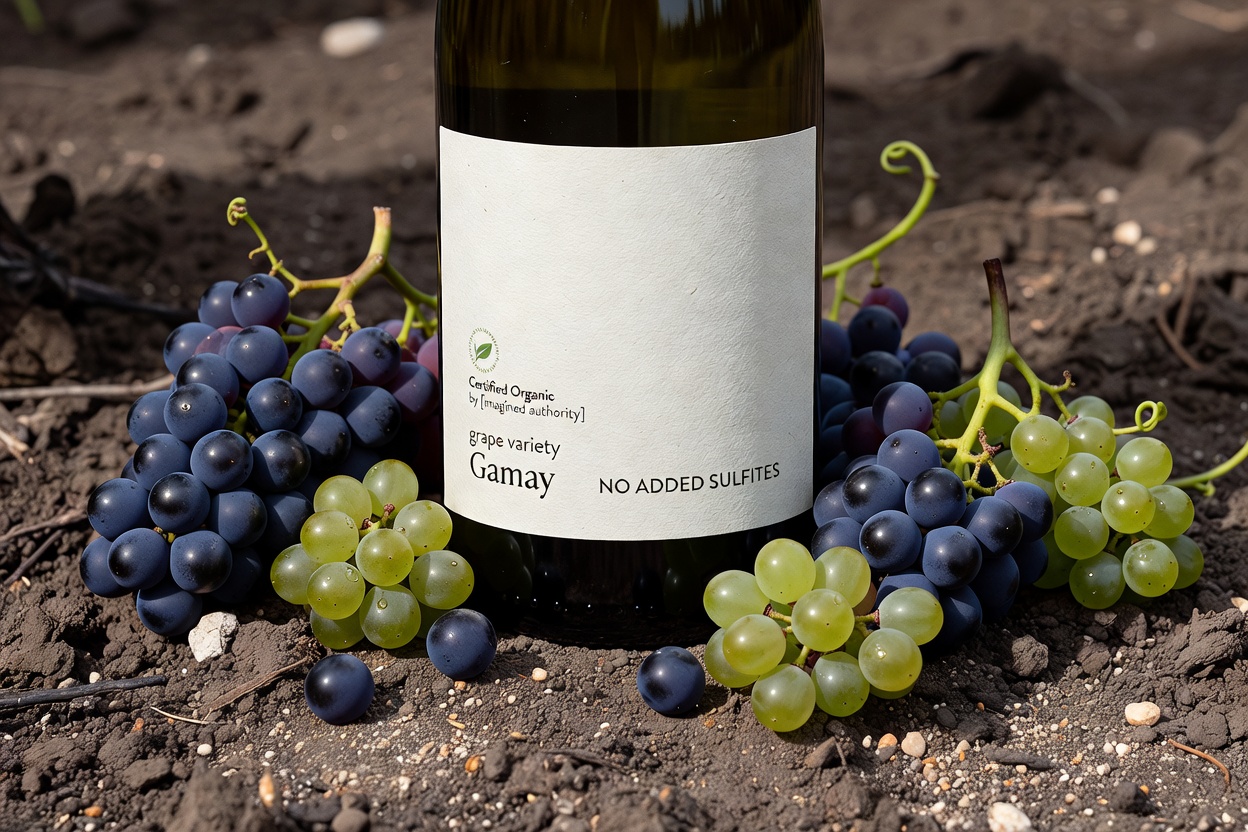
Environmental and Soil Health Impacts on Grape Nutrition
Biodynamic and organic farming methods used in natural wine production build long-term soil fertility through crop rotation, animal integration, and minimal tillage. Healthier soils often yield grapes with more balanced sugar-to-acid ratios and richer micronutrient content. Over multiple vintages, this regenerative approach can improve water retention and resilience against climate variability, indirectly supporting consistent quality in the resulting wines.
How Natural Wine Compares to Certified Organic Wine
While all natural wines start with organic or biodynamic grapes, not every organic wine qualifies as natural because many still use commercial yeasts or added sulfites. The extra step of low-intervention winemaking in natural production removes additional layers of processing that can affect purity. Consumers seeking the strictest reduction in additives should prioritize bottles explicitly labeled as natural or "nothing added."
Potential Drawbacks and Considerations
Natural wines can vary more between bottles and may have shorter shelf lives once opened due to lower sulfur levels. Proper storage and timely consumption become important. Additionally, the lack of filtration sometimes results in visible sediment, which does not affect quality but may surprise new drinkers. Understanding these trade-offs helps set realistic expectations when transitioning from conventional wines.
Short FAQ Addressing Common Myths
Does natural wine contain no sulfites at all?
Many contain trace natural sulfites from fermentation, but added amounts are minimal or zero, unlike conventional wines that may reach 100 ppm or higher.
Is natural wine always healthier?
It offers purity advantages but should be consumed moderately; health effects depend on overall diet and lifestyle rather than any single beverage choice.
Can sulfite-sensitive people drink natural wine safely?
Often yes, due to lower levels, but consulting a doctor is recommended for personalized advice and to rule out other sensitivities.
Does natural wine taste different from conventional wine?
Yes, many drinkers notice brighter acidity, earthier notes, and occasional funkiness from wild fermentation that conventional stabilization processes suppress.
Conclusion
Natural wine presents compelling wellness considerations through its emphasis on organic grapes, reduced additives, and biodynamic principles. With 2026 insights reinforcing antioxidant and purity benefits, informed label reading and examples from leading producers empower better choices. Explore responsibly to enjoy both flavor and potential health alignment while appreciating the broader environmental story behind each bottle.
No comments yet. Be the first!