 Uncorked Conversations
Introduction to Buying Natural Wine Online
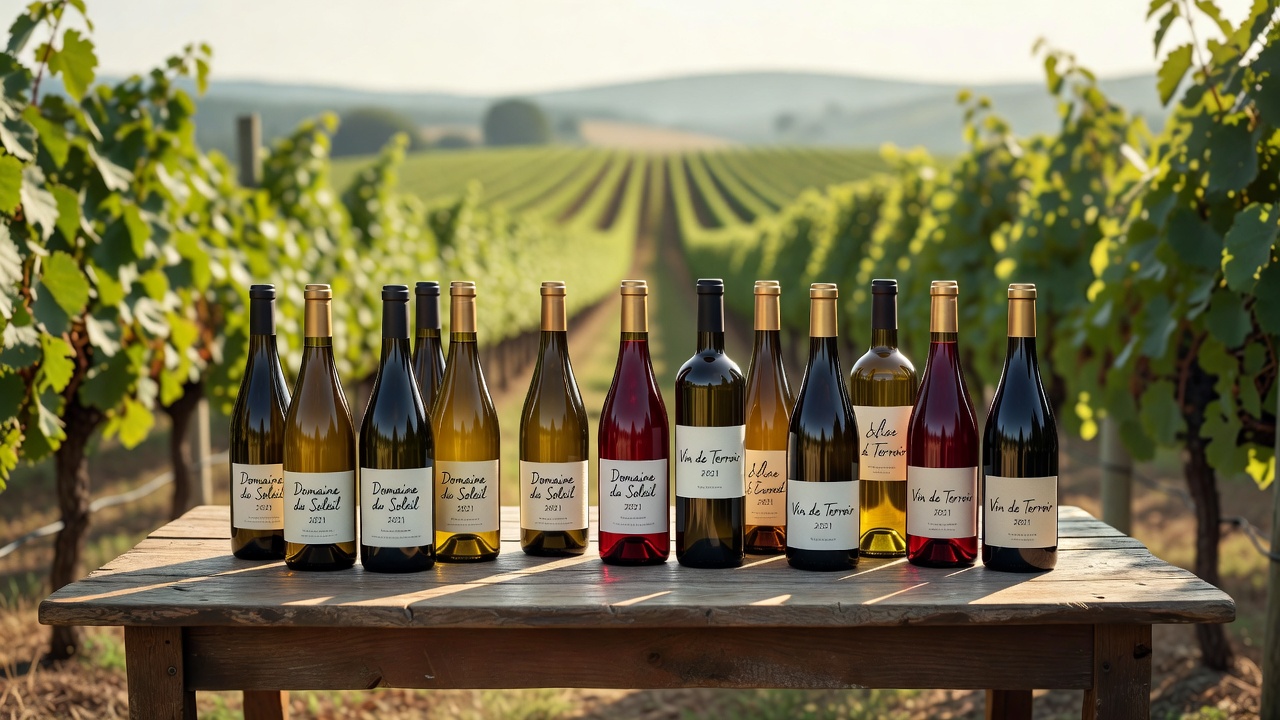
Natural wine continues to captivate enthusiasts in 2026 due to its emphasis on minimal intervention, organic farming practices, and expressive terroir-driven flavors. Unlike conventional wines that may rely on additives and filtration, natural wines highlight the raw character of grapes through native fermentation and little to no sulfur dioxide. Buying these bottles online provides unmatched access to small producers worldwide, yet it demands careful navigation to ensure authenticity and quality. This comprehensive guide equips beginners with the knowledge to verify labels, identify trustworthy retailers, and handle logistics like shipping and storage. By understanding key distinctions and following proven strategies, you can confidently explore this vibrant category without falling prey to misleading marketing or subpar products.
Understanding Natural, Organic, Biodynamic, and Low-Intervention Wines
The terminology surrounding natural wine can feel overwhelming at first, but grasping the core concepts builds a solid foundation for informed purchases. Natural wine generally refers to bottles made from organically or biodynamically grown grapes using spontaneous fermentation with native yeasts, minimal or zero added sulfur, and no fining or filtration. Organic certification ensures grapes are cultivated without synthetic pesticides, herbicides, or fertilizers, focusing instead on soil health and biodiversity. Biodynamic farming takes this further by incorporating lunar cycles, herbal preparations, and a holistic view of the vineyard as a self-sustaining ecosystem. Low-intervention wines prioritize hands-off techniques in the cellar, allowing the fruit to shine without heavy manipulation. These approaches often result in wines with lively acidity, cloudy appearances, and unique aromas that evolve in the glass. Shoppers benefit from recognizing that not every "natural" claim meets strict standards, which is why cross-referencing descriptions with official guidelines remains essential for avoiding diluted interpretations of the term.
Decoding Certifications on Retailer Sites
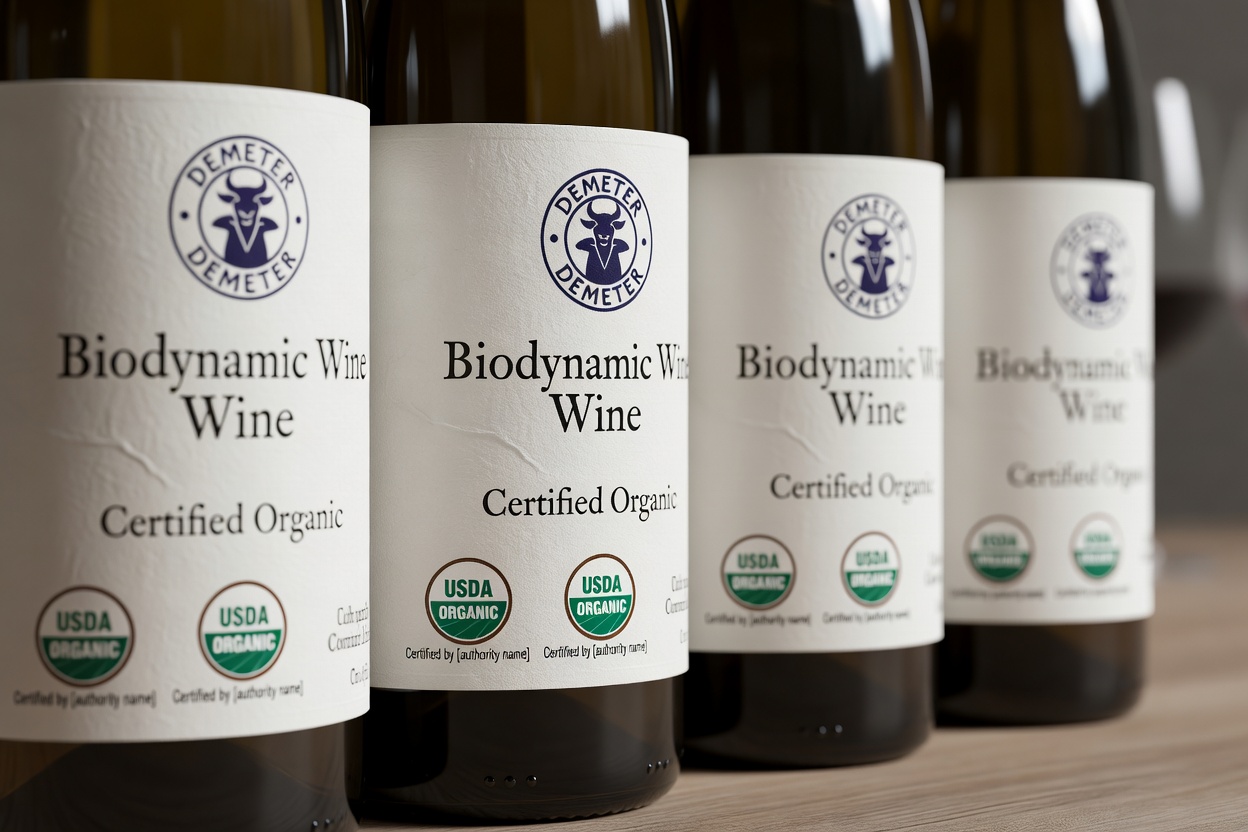
Certifications serve as reliable markers of authenticity when shopping digitally. Look for prominent seals such as the USDA Organic logo, Demeter biodynamic emblem, or EU organic equivalents displayed prominently on product pages. Many reputable sites offer dedicated filter options that let you narrow results by certification type, region, or winemaking philosophy. To deepen verification, consult authoritative sources like USDA resources for organic standards and production requirements. Similarly, biodynamic claims can be validated through organizations maintaining strict adherence protocols. Pay close attention to the certifying body listed in the fine print, as vague phrases like "sustainably sourced" lack the rigor of third-party oversight. Retailers that provide downloadable certificates or direct links to producer documentation further enhance transparency and buyer confidence.
Spotting Common Online Scams and Misleading Claims
Unfortunately, the growing interest in natural wine has attracted opportunistic sellers who exploit buyer enthusiasm with deceptive practices. Common issues include stock photos that do not match actual inventory, exaggerated claims of "zero-sulfur" production without supporting evidence, or websites featuring copied content from legitimate sources. Unrealistically low prices, urgent countdown timers, or requests for unusual payment methods like wire transfers often signal potential fraud. Always examine customer review sections for patterns of complaints regarding authenticity or delivery issues. Secure checkout indicators, clear return policies, and verifiable contact details distinguish legitimate operations. Third-party review aggregators and recent forum discussions provide additional context on retailer reliability. Taking a few extra minutes to research unfamiliar sites protects against disappointment and ensures your investment supports genuine producers.
Comparing Platform Features: Filters, Reviews, and Usability
Online wine platforms differ significantly in their tools for discovery and evaluation. Advanced filter systems allow sorting by certification, vintage, grape variety, alcohol level, and even closure type, streamlining the search process for specific preferences. Robust review sections featuring verified purchaser feedback offer insights into flavor profiles, aging potential, and value. Compare platforms on factors such as mobile responsiveness, loading speed, educational resources like producer interviews, and integration with loyalty programs. Sites emphasizing transparency through detailed sourcing maps or virtual tastings tend to deliver superior selections and customer support. Testing multiple retailers during initial explorations helps identify which interfaces align best with your browsing habits and decision-making style.
Step-by-Step Buying Checklist
A structured approach minimizes errors and maximizes satisfaction when purchasing natural wines digitally. Begin by clarifying your taste preferences, whether you favor crisp whites from cooler climates or structured reds from volcanic soils. Next, activate certification filters and review producer backgrounds on the site. Examine recent customer reviews for mentions of authenticity, packaging quality, and sensory notes that match descriptions. Investigate shipping policies, including temperature controls and estimated delivery windows for your region. Confirm bottle details such as vintage, appellation, and any specific cuvée information before adding to cart. Proceed through secure payment gateways and retain order confirmation emails. Upon arrival, inspect bottles for intact seals and proper temperature before storing or opening. This methodical process transforms online shopping from guesswork into a reliable, repeatable routine.
Real-World Examples of Trusted Stores and Bottles
Several established retailers consistently excel in curating authentic natural wine selections with transparent practices. Examples include specialists offering Loire Valley Chenin Blancs from certified biodynamic estates or Piedmont Nebbiolo expressions showcasing low-intervention techniques. These bottles typically display vibrant fruit, distinctive minerality, and textural complexity reflective of their origins. Browsing sections dedicated to emerging producers from regions like the Jura or Canary Islands reveals hidden gems that reward patient exploration. Cross-referencing these selections with independent tasting resources helps validate quality and builds familiarity with standout labels over time.
Shipping Considerations for Natural Wines
Protecting delicate natural wines during transit requires attention to seasonal conditions and carrier capabilities. Temperature fluctuations pose the greatest risk, potentially altering aromas and structure, so prioritize retailers offering insulated packaging or expedited options during summer months. Review carrier partnerships and any guarantees against heat damage or breakage. International shipments may involve additional customs considerations and longer timelines, making domestic specialists preferable for first-time buyers. Confirming these details upfront prevents surprises and preserves the integrity of your purchase from vineyard to doorstep.
Post-Purchase Storage Advice
Proper storage maintains the fresh, expressive qualities that define natural wines. Maintain a consistent temperature near 55 degrees Fahrenheit with humidity levels between 50 and 70 percent to prevent cork drying or label damage. Position bottles horizontally in a dark space away from vibrations, appliances, or direct sunlight. Because many natural wines contain minimal sulfur, they often reach peak enjoyment within two to four years of release rather than decades of cellaring. Regularly rotating stock and noting purchase dates helps ensure you enjoy each bottle at its optimal stage, enhancing overall appreciation of the category.
Frequently Asked Questions
How do I confirm if a wine is truly natural?
Examine third-party certification seals and read detailed producer notes available on retailer sites. Supplement this by consulting resources from biodynamic organizations and cross-checking against recognized organic standards for comprehensive validation.
Are natural wines more expensive online?
Costs vary according to rarity, production scale, and import logistics, so prioritize value through transparent curators rather than assuming uniform premium pricing across the category.
What if my bottle arrives damaged?
Contact the retailer promptly with clear photographs of any issues; established sites maintain replacement or refund protocols outlined in their customer service policies.
Can I find natural wines from specific regions online?
Yes, many platforms maintain extensive inventories from iconic areas such as Burgundy, Tuscany, and the Pacific Northwest, complete with regional filters and educational content.
Conclusion
Navigating the online natural wine market in 2026 becomes rewarding and low-risk when armed with verification techniques, platform comparisons, and logistical awareness. By applying certification knowledge, following detailed checklists, and selecting reputable sources, beginners can access an exciting array of authentic bottles delivered safely. Continue building expertise through repeated purchases and note-taking to deepen your enjoyment of these distinctive wines.
No comments yet. Be the first!