 Uncorked Conversations
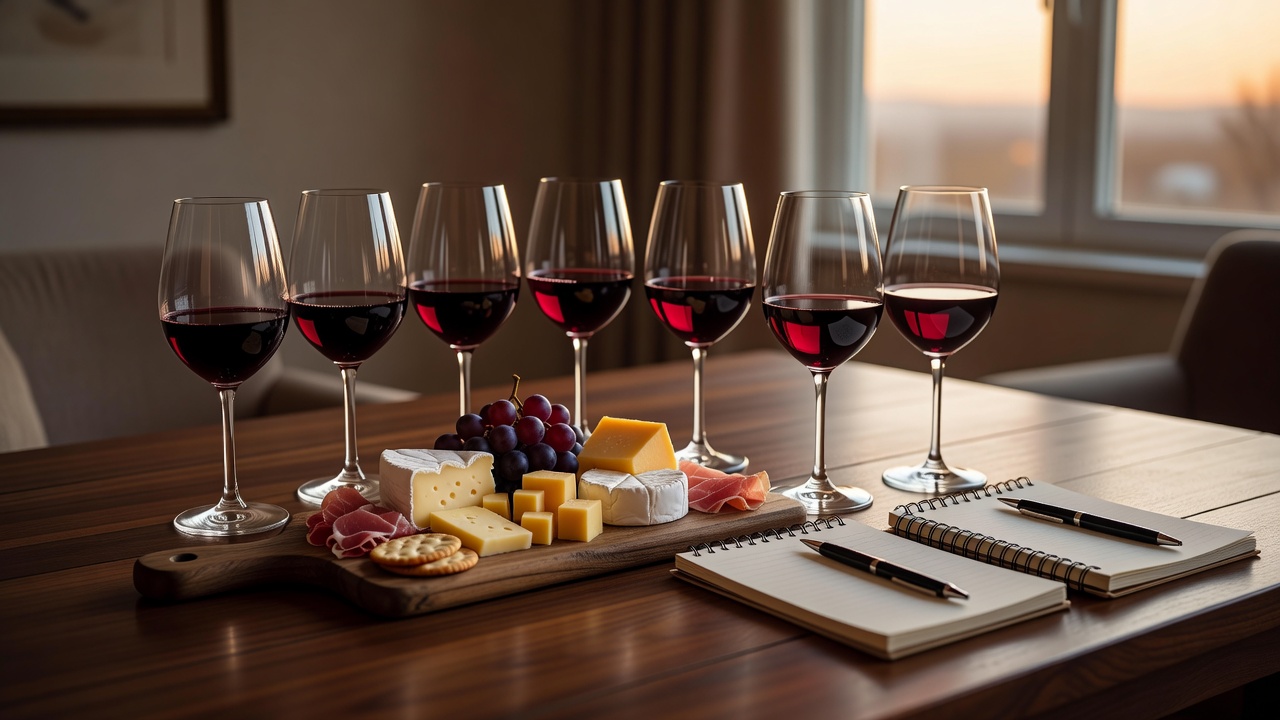
Hosting a wine tasting party at home offers an excellent opportunity to bring friends together while sharing knowledge and appreciation for wine. Professional sommeliers follow proven methods that transform an ordinary gathering into an engaging educational experience. This comprehensive guide covers every detail needed to execute a polished event, from selecting the right bottles to managing temperatures and guest interactions throughout the evening.
Curating Your Wine Selection with Purpose
Begin by establishing a clear theme that unifies the tasting and guides your purchasing decisions. In 2026, popular themes include vertical tastings of a single varietal across multiple vintages or regional comparisons such as Loire Valley whites versus California counterparts. Limit the selection to four to six wines to prevent palate fatigue while still allowing meaningful comparisons. Choose a progression that moves from lighter to fuller expressions, incorporating both well-known producers and lesser-known gems to keep conversation lively. For example, a "Sustainable Winemaking" flight might feature certified organic bottles from France, Italy, and Oregon, highlighting differences in terroir and technique. Always verify vintage availability and purchase an extra bottle of each wine in case of breakage or unexpected demand.
Pre-Event Storage Hacks for Optimal Condition
Proper storage in the days leading up to your event preserves wine integrity and prevents unwanted temperature fluctuations. Keep bottles in a cool, dark environment with consistent humidity levels around 50 to 70 percent. If dedicated wine storage is unavailable, repurpose a spare closet or under-bed space away from kitchens, radiators, and direct sunlight. Transport bottles gently on the day of the tasting and allow them to rest upright for at least two hours before opening. These simple precautions minimize sediment disturbance in older reds and protect delicate aromatics in whites and sparkling wines.
Decanting Schedules and Precise Timing
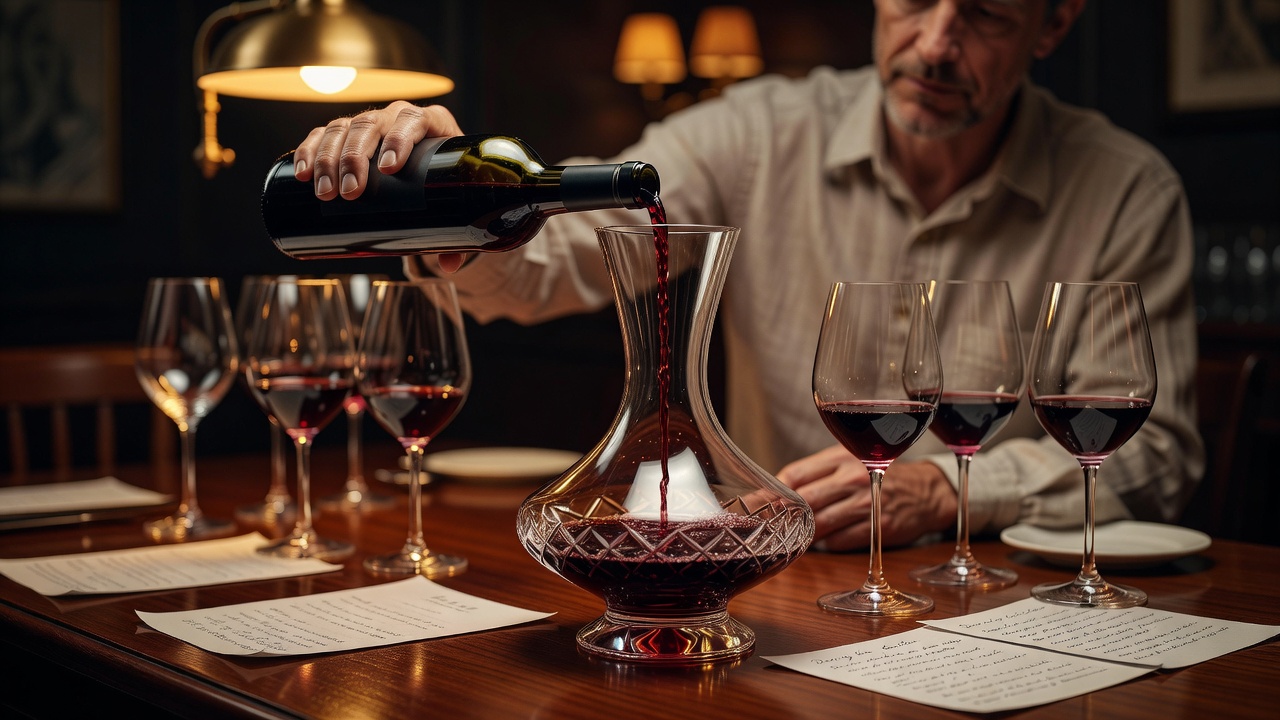
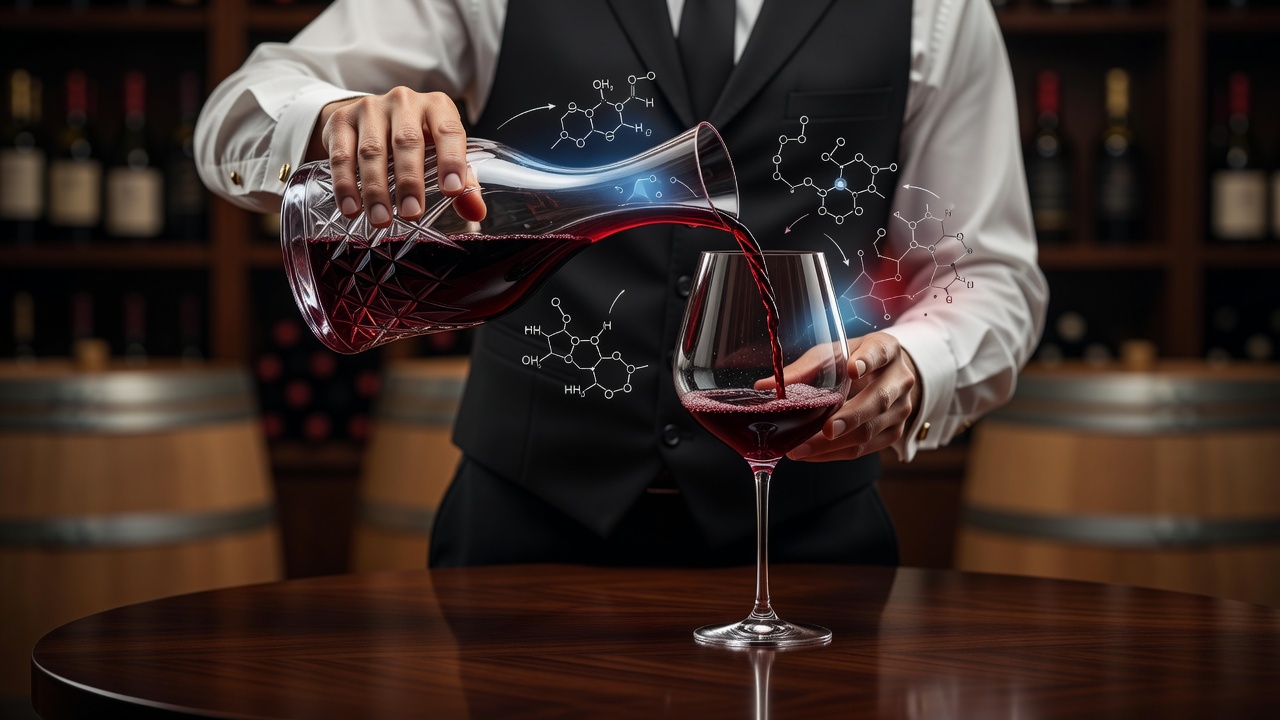
Decanting enhances flavor by introducing oxygen and separating sediment. Bold young reds such as Cabernet Sauvignon or Syrah benefit from one to two hours of decanting prior to serving. More delicate older vintages require only twenty to thirty minutes to avoid over-oxidation. Maintain a written schedule noting each wine’s decant time so nothing is overlooked during setup. Use a wide-bottom decanter for maximum surface area and pour slowly against the side to minimize splashing. If multiple reds are on the menu, stagger decanting so each reaches its ideal window exactly when guests are ready to taste.
Glassware Matching for Aroma Focus and Enjoyment
Selecting the correct glass shape dramatically improves aroma delivery and tasting precision. Larger-bowled glasses suit full-bodied reds by allowing greater oxygen exposure and volatile compound release. Narrower, tulip-shaped glasses concentrate delicate floral and citrus notes in white wines while preserving effervescence in sparkling varieties. Consider renting additional stems if your personal collection falls short; many local wine shops offer affordable rental packages. Avoid using all-purpose glasses for serious tastings, as they compromise the sensory experience across different wine styles.
Side-by-Side Glass Shape Comparison
- Bordeaux-style glass: tall bowl ideal for Cabernet Sauvignon, Merlot, and other tannic reds
- Burgundy-style glass: extra-wide bowl perfect for Pinot Noir and other aromatic light reds
- White wine glass: medium size with slight taper to focus fruit and acidity
- Champagne flute or tulip: narrow design maintains bubbles and showcases effervescence
Sequential Pouring Order and Portion Control
Follow a logical sequence that protects lighter wines from being overwhelmed by heavier flavors: start with sparkling wines, move to light whites, then full-bodied whites, rosés, light reds, full-bodied reds, and finish with dessert or fortified wines. Serve approximately two ounces per guest per wine. This measured approach encourages thoughtful tasting without leading to excess consumption. Provide water, plain crackers, and sliced apples as palate cleansers between flights so guests can reset their senses effectively.
Common Pitfalls and How to Avoid Them
Temperature drift remains the most frequent error at home tastings. Whites and sparkling wines should stay between 45 and 50 degrees Fahrenheit while reds perform best around 60 to 65 degrees. Check temperatures fifteen minutes before each pour and use ice buckets or wine sleeves as needed. Another common mistake involves overcrowding the table, which restricts note-taking and discussion. Leave ample space for guests to set down glasses and jot observations. Finally, avoid rushing the pace; allow five to seven minutes of conversation after each pour so participants can fully appreciate and discuss each wine.
Numbered Pre-Party Checklist for Smooth Execution
- Finalize guest list and confirm any dietary restrictions or allergies
- Chill all white and sparkling bottles to the proper temperature range
- Decant reds according to the pre-planned schedule
- Arrange glassware, water carafes, and palate cleansers on the table
- Prepare tasting mats, pens, and printed wine information sheets
- Adjust lighting to a comfortable level and set background music volume low
- Stage extra towels and a small bucket for discreet spit or dump stations
- Test your corkscrew and have backup openers ready
Real-World 2026 Tasting Theme Examples
Consider hosting a “Loire Valley Flight” featuring Sancerre Sauvignon Blanc, Chinon Cabernet Franc, and Vouvray Chenin Blanc to showcase regional diversity. Alternatively, explore a “Zero-Zero Natural Wine” theme highlighting minimal-intervention producers from France and Italy. These focused themes provide educational value while creating memorable shared experiences that guests often request to repeat.
Engaging Guests and Managing Evening Flow
Introduce each wine with a brief description of origin, grape, and notable characteristics before pouring. Encourage guests to share initial impressions after the first sip, then guide deeper discussion around aroma, texture, and finish. Keep the atmosphere relaxed yet structured by announcing time limits between wines. If conversation lags, pose simple questions such as “Which wine surprised you most?” to reignite participation.
FAQ: Addressing Guest Questions on Portions, Pacing, and More
How much wine should each person receive? Plan on two ounces per wine to allow comfortable tasting across the full flight. How do you maintain proper pacing? Announce each wine, pour, then allow five minutes of discussion before moving forward. What if a guest dislikes one of the wines? Reassure everyone that personal preference varies and simply note observations before proceeding to the next pour. Should food be served during the tasting? Light, neutral snacks work best; save substantial pairings for after the formal tasting concludes.
For additional professional guidance, consult resources from Decanter and Wine Enthusiast. Experienced hosts also reference materials from Guild of Sommeliers when refining their technique.
Conclusion
By following these sommelier-approved strategies, you can host a polished and enjoyable wine tasting party that educates and delights every guest. Thoughtful preparation in curation, storage, decanting, glassware, and pacing ensures a seamless experience from the first pour to the final discussion. With practice, these techniques become second nature, allowing you to focus on the joy of sharing exceptional wines in a welcoming home setting.
No comments yet. Be the first!