 Uncorked Conversations
Wine etiquette helps beginners feel confident in social settings involving wine. Understanding basic rules around tasting, dining, and gifting allows you to participate fully without worrying about missteps. This guide expands on core practices with practical examples and comparisons between formal and casual environments so you can navigate any situation smoothly throughout 2026.
Why Wine Etiquette Matters for Beginners
Etiquette exists to enhance enjoyment and show respect for the wine, the host, and fellow guests. Poor handling can affect aroma and flavor perception while also disrupting the shared experience. Beginners who learn these norms quickly integrate into tastings and dinners, turning potential anxiety into genuine appreciation of the beverage and its cultural context. Etiquette also protects the wine itself; improper pouring or glass handling can introduce unwanted temperatures or oxygen that alter the intended profile of the bottle being served.
Core Etiquette Rules at Wine Tastings
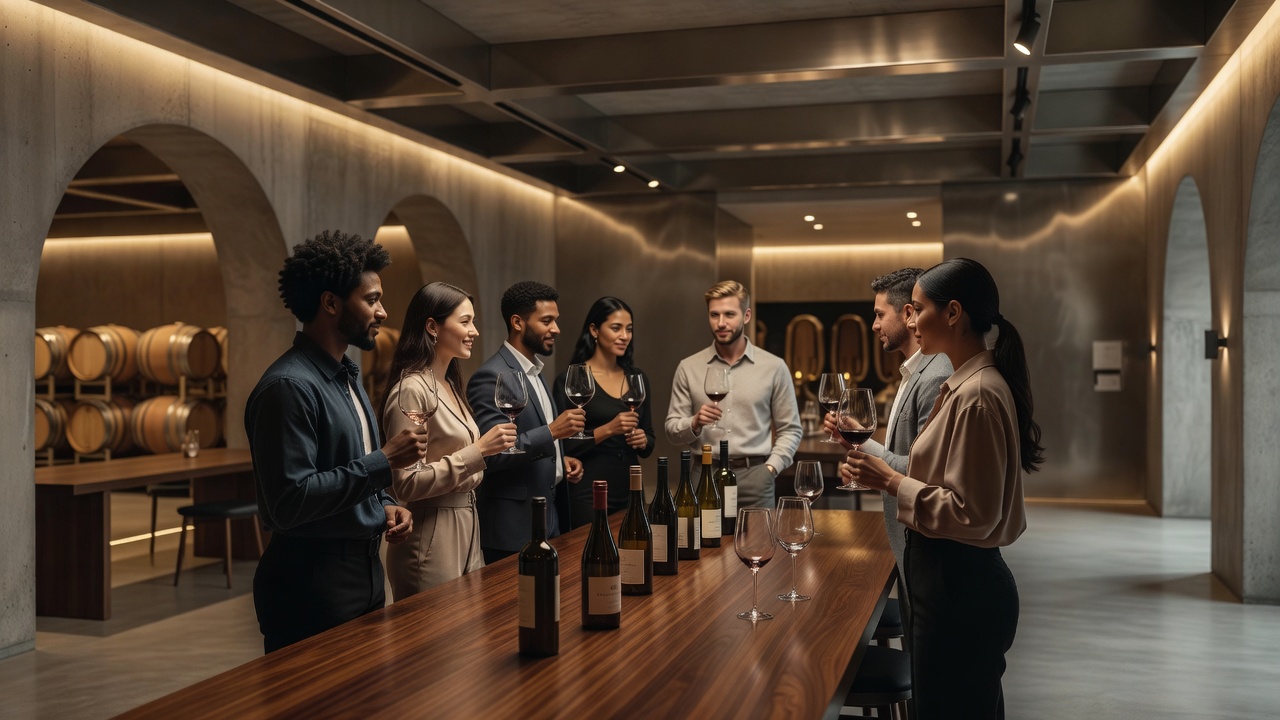
Professional tastings follow a structured flow. Arrive punctually, greet the host, and listen carefully to any opening remarks before approaching the first station. Always hold stemmed glasses by the stem or base to prevent warming the wine. Walk calmly between stations and avoid crowding others. If you are unsure about the next step, simply observe the person ahead of you and mirror their actions until you gain comfort.
Step-by-Step Pouring Technique
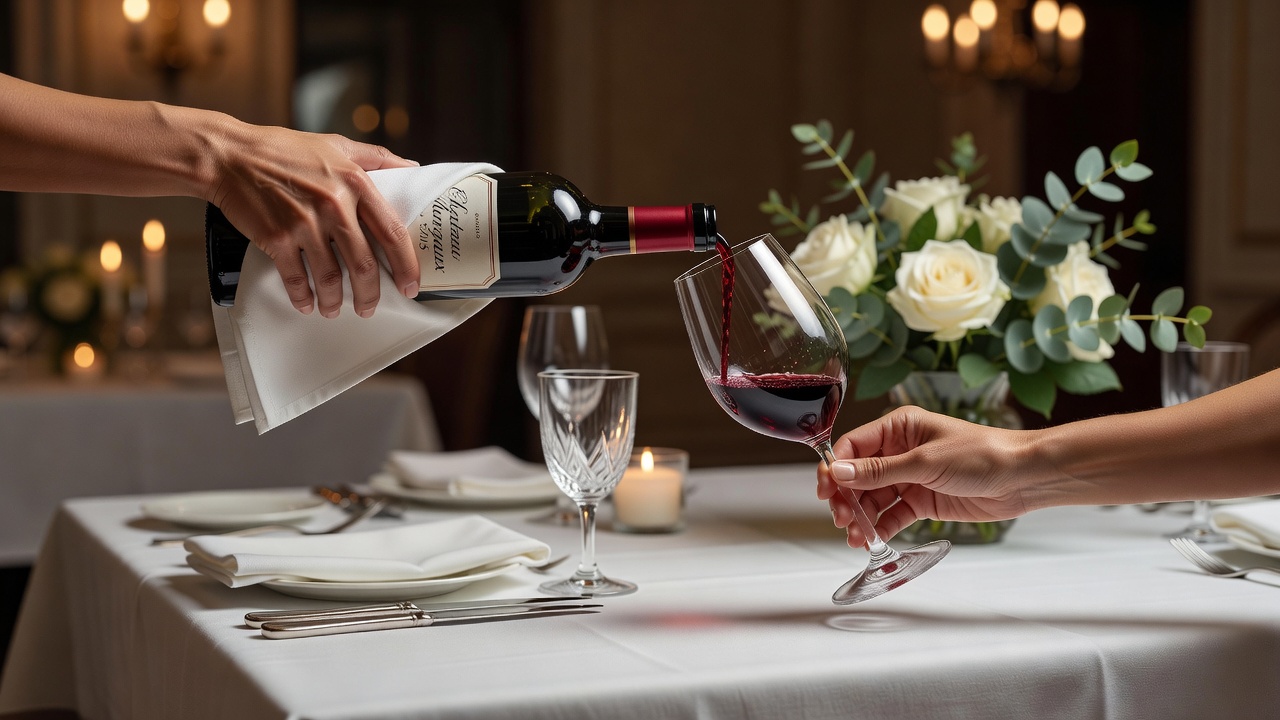
Proper pouring prevents spills and preserves wine quality. Grasp the bottle with a white napkin folded at the base for stability and to catch drips. Tilt the glass at a slight angle and pour slowly until the liquid reaches the widest part of the bowl, roughly one-third full for tastings. Twist the wrist gently upward as you finish the pour to avoid drips. Practice this motion at home with water first so it becomes natural. Always pour for others before serving yourself when sharing a bottle at a table.
Swirling and Smelling
After receiving your pour, gently swirl the glass in small circles on the table rather than in the air. This releases aromas without splashing. Bring the glass to your nose and take two short sniffs before sipping. Note primary fruit notes first, then secondary aromas such as oak or earth. Repeat the swirl once more after the first sip to observe how the wine evolves in the glass.
Formal Dinners Versus Casual Gatherings
Formal dinners involve multiple courses and specific timing. Wait for the host to initiate the first toast or pour before drinking. Pass bottles clockwise if they are shared. In contrast, casual backyard gatherings allow self-service after the host offers the first glass. Offer refills to neighbors when their glasses fall below half full, but never pressure anyone to drink more. Understanding these differences prevents awkward moments. At a formal event, keep conversation volume moderate and avoid reaching across the table. Casual settings permit more relaxed posture and quicker refills while still maintaining basic courtesy toward others.
Decanter provides excellent guidance on adapting etiquette across different event styles.
Mastering the Art of the Toast
A good toast lasts under thirty seconds. Make eye contact with the group, raise your glass to shoulder height, and speak clearly. Clink rims gently rather than striking bowls together. In large groups, a polite nod replaces individual clinking after the initial round. Always wait until everyone has been served before beginning the toast. If you are the one giving the toast, keep remarks personal yet brief so the focus remains on the wine and company rather than the speech itself.
Common Faux Pas and How to Avoid Them
- Adding ice to fine red wines dilutes flavor and temperature; request room-temperature service instead.
- Over-swirling delicate whites in narrow glasses can cause spills; use controlled motions.
- Reaching across the table for the bottle appears impatient; ask a neighbor to pass it.
- Criticizing the host’s wine selection publicly creates discomfort; offer positive observations only.
- Using strong perfume or cologne masks aromas for everyone nearby; opt for unscented products.
- Drinking before the host has welcomed everyone signals impatience and should be avoided.
Gifting Wine Thoughtfully
Selecting an appropriate bottle shows consideration. Match the wine style to the occasion and recipient preferences when known. For unknown tastes, versatile options such as Sauvignon Blanc or Pinot Noir work well with many foods. Present the bottle with a simple handwritten note suggesting pairings. If the dinner already includes wine service, consider a dessert wine or a small format bottle instead. Wrap the bottle in simple tissue paper rather than elaborate gift wrap so it can be opened easily at the event.
Wine Magazine regularly shares current gifting recommendations that align with seasonal occasions.
Conversation Starters That Encourage Engagement
Good questions invite stories rather than yes-or-no answers. Try these examples: “What first attracted you to this particular winery?” or “Which unexpected pairing surprised you most?” Another effective prompt is “Do you prefer Old World or New World styles and why?” These openers require minimal technical knowledge yet reveal personal preferences and experiences, keeping the conversation flowing naturally for everyone at the table.
Additional Restaurant and Serving Tips
When ordering in restaurants, allow the server to present the bottle label first for approval. Taste the small sample poured before accepting the full serving. If the wine tastes off, describe the issue calmly rather than declaring it faulty without evidence. Servers appreciate polite feedback and will usually offer a replacement. In larger groups, consider ordering by the glass for variety while still respecting the shared bottle etiquette when a full bottle is opened.
Short FAQ for Beginners
Should I spit or swallow during tastings?
Spitting is standard practice at professional events to stay clear-headed. Use the provided bucket discreetly and rinse your mouth with water between flights when needed.
Is phone use permitted at tastings?
Keep devices silenced. Use them sparingly for notes or photos only after the host invites guests to capture moments. Constant scrolling distracts from aroma and flavor focus.
What if I arrive late to a tasting?
Enter quietly, apologize briefly to the host, and join at the current station without disrupting others. Avoid asking for missed pours until the group advances.
How much should I tip at a paid tasting?
Ten to twenty percent of the tasting fee is customary when service feels attentive, similar to restaurant gratuity standards.
Applying these etiquette principles consistently builds comfort and respect in any wine setting during 2026. With practice, the rules become second nature and allow full enjoyment of the experience for you and everyone around you.
No comments yet. Be the first!