 Uncorked Conversations
Introduction to Santorini's Unique Wine Landscape
Santorini stands out among Mediterranean wine destinations thanks to its dramatic volcanic history. The island's vineyards thrive in ash-rich soils that impart distinctive minerality and acidity to the wines. Travelers seeking offbeat European wine adventures will find this destination particularly rewarding, as the combination of indigenous grapes and traditional growing methods creates flavors unavailable elsewhere. The island's extreme conditions force vines to produce concentrated berries that translate into memorable bottles, making Santorini a must-visit for anyone exploring European wine regions beyond the mainstream.
Understanding Santorini's Volcanic Terroir
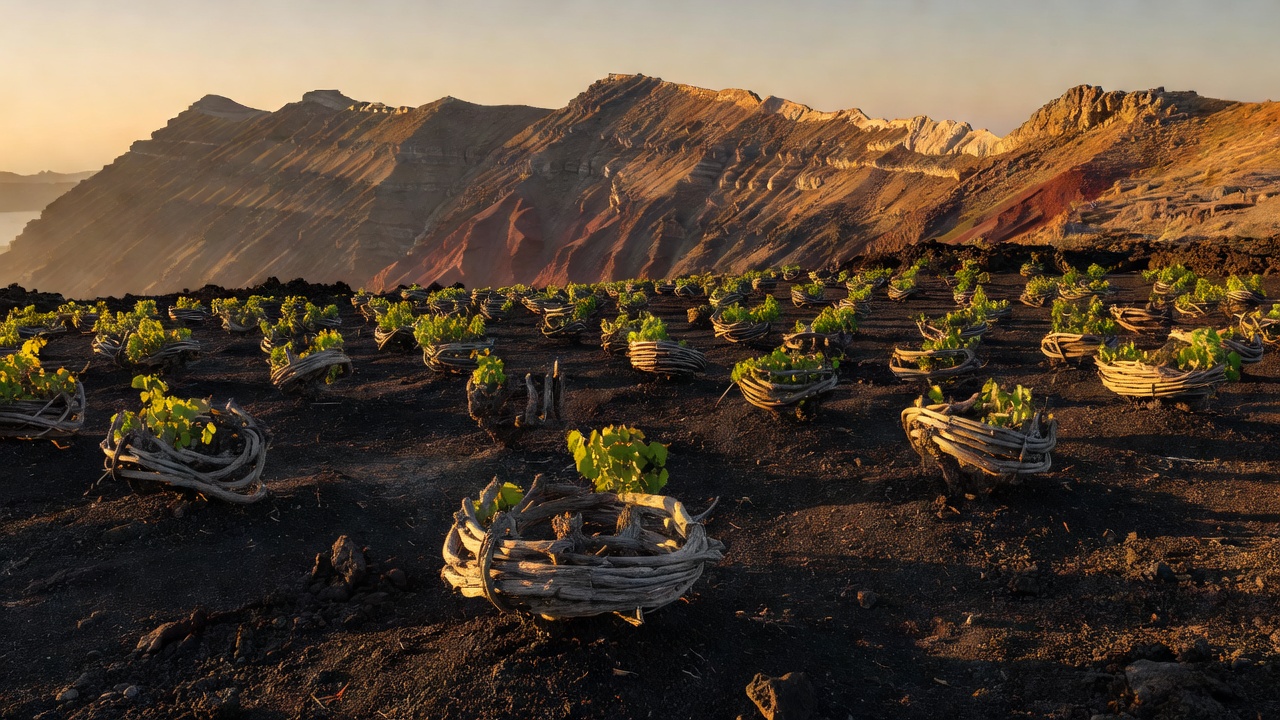
The island's terroir results from massive volcanic eruptions thousands of years ago. Layers of pumice, ash, and lava create free-draining soils that stress the vines just enough to concentrate flavors. This environment produces wines with bright acidity, saline notes, and a signature smoky or flinty character. The porous volcanic rock retains moisture from rare rainfall while allowing excess water to drain quickly, protecting roots from rot. Visit Greece highlights how these conditions define the island's viticultural identity. The combination of high sunlight exposure, constant sea breezes, and mineral-dense earth gives the wines their unmistakable tension and longevity.
Indigenous Grapes and Flavor Profiles
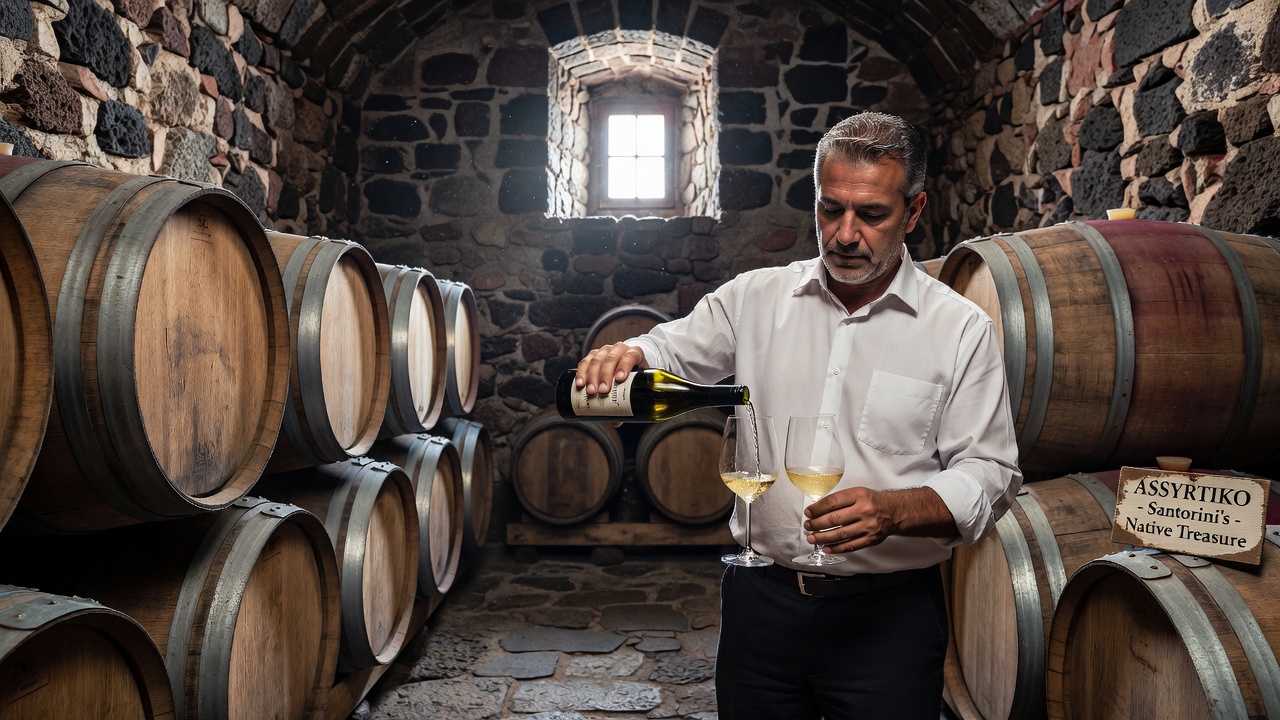
Assyrtiko dominates Santorini plantings and delivers crisp whites with citrus, stone fruit, and pronounced mineral edges. When grown in the volcanic soils, the grape develops intense lemon zest, grapefruit pith, and wet-stone aromas that linger on the palate. Other varieties like Athiri and Aidani add aromatic lift when blended, contributing floral and herbal nuances. Red grapes such as Mandelaria produce light, vibrant wines suited to the island climate. The volcanic influence consistently elevates acidity levels, making these wines excellent for aging and food pairing. Examples include single-vineyard Assyrtiko bottlings that show distinct differences based on proximity to the caldera versus inland plots.
Top Vineyards Worth Visiting
Several estates welcome visitors year-round. Santo Wines offers panoramic caldera views alongside structured tastings that often include barrel samples. Domaine Sigalas focuses on single-vineyard expressions that showcase terroir differences through side-by-side comparisons. Gaia Wines emphasizes sustainable practices and produces benchmark Assyrtiko bottlings aged in both stainless steel and oak. Argyros Estate provides historic context through its multi-generational approach and extensive library of older vintages. Additional noteworthy stops include Pyrgos Wine and Venetsanos Winery, both offering intimate tastings in restored traditional buildings. Each property maintains traditional basket-trained vines known as koulara, a method perfectly adapted to strong Aegean winds.
2026 Wine Tour Itineraries and Booking Advice
Planning a 2026 visit requires early reservations, especially for small-group experiences. A recommended three-day itinerary begins with morning vineyard walks on day one, followed by cellar tours and seated tastings at two estates. Day two can include a boat trip to nearby volcanic islets combined with onboard wine service and lunch featuring local seafood. Day three focuses on pairing workshops and sunset tastings overlooking the caldera. Booking platforms affiliated with the estates or reputable local operators typically open schedules six months ahead. Travelers should confirm cancellation policies, transportation options, and group sizes when reserving to ensure a comfortable pace.
Comparing Santorini to Other Mediterranean Wine Regions
Unlike the limestone soils of Provence or the schist terraces of Priorat, Santorini's volcanic ash creates a brighter, more linear style. The island's extreme winds and minimal rainfall produce lower yields than many peers, resulting in concentrated flavors. While Sicily shares volcanic origins, Santorini's maritime exposure adds distinctive salinity absent from inland Etna wines. These differences make Santorini an essential stop for enthusiasts exploring Mediterranean diversity. The island's wines often show more pronounced salinity and herbal notes compared to the fruit-forward profiles found in many Spanish volcanic regions.
Practical Planning Steps for Your Visit
Start by selecting travel dates outside peak summer crowds for more intimate experiences. Arrange transfers from the airport or port in advance using pre-booked shuttles or private drivers. Comfortable walking shoes with good grip are essential for navigating uneven vineyard terrain and narrow paths between vines. Consider combining wine tours with visits to ancient Akrotiri or the caldera hiking paths to create a balanced itinerary. Local buses and taxis provide flexible movement between estates, though private drivers simplify multi-stop days and allow flexibility for spontaneous stops. Packing layers is recommended because temperatures can shift quickly between sunny vineyard slopes and shaded cellars.
Sustainable Tasting Experiences
Many Santorini producers have adopted organic and biodynamic methods to preserve the fragile volcanic ecosystem. Visitors can participate in low-impact tastings that minimize waste and support regenerative viticulture through reduced packaging and reusable glassware. Choosing estates that use solar power and recycle water demonstrates commitment to long-term island health. These practices enhance the authenticity of each pour while protecting the terroir for future generations. Several wineries now offer educational sessions on how volcanic soils interact with organic farming techniques.
Frequently Asked Questions
Is Santorini accessible for travelers with mobility concerns?
Many estates offer ground-level tasting rooms and accessible pathways, though vineyard walks may present challenges. Contact properties directly to discuss specific needs before booking.
What foods pair best with Santorini Assyrtiko?
Seafood, especially grilled octopus and fresh sea urchin, complements the wine's acidity. Tomato-based dishes and local fava also create memorable pairings that highlight regional ingredients.
When is the best time to visit for wine tours?
Late spring and early autumn provide pleasant temperatures and fewer crowds while estates remain fully operational.
How far in advance should I book 2026 tours?
Popular estates recommend securing spots at least four to six months ahead, particularly for private or sunset experiences during shoulder seasons.
Are there non-alcoholic options available during tastings?
Most wineries provide grape juice or sparkling water alternatives for designated drivers and non-drinkers upon request.
Conclusion
Santorini's volcanic terroir offers a singular expression of place that continues to captivate wine lovers worldwide. By combining thoughtful planning with respect for sustainable practices, visitors can enjoy immersive experiences that highlight both the island's heritage and its forward-thinking producers. Whether you are drawn by the crisp Assyrtiko or the dramatic vineyard settings, a Santorini wine journey delivers lasting memories and a deeper appreciation for Mediterranean viticulture.
No comments yet. Be the first!