 Uncorked Conversations
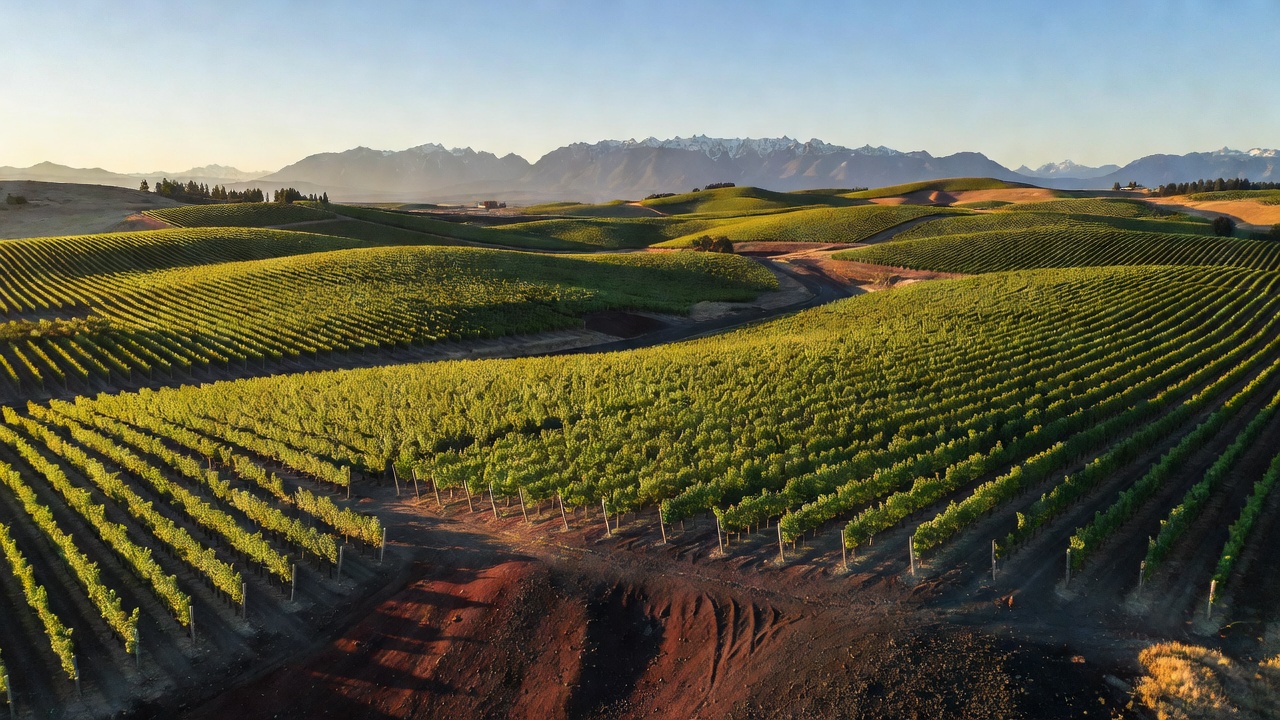
Discovering the Columbia Valley: A Premier US Wine Destination
The Columbia Valley in Washington state stands out as one of America's most distinctive wine regions. Its unique combination of volcanic soils, arid climate, and extended sunlight hours produces wines with remarkable depth and character. For travelers seeking alternatives to crowded European destinations such as Bordeaux or Tuscany, this expansive area offers fresh, high-quality experiences in 2026 that combine world-class viticulture with wide-open landscapes and modern hospitality. With over 11,000 acres under vine across multiple AVAs, the region has become a hotspot for Cabernet Sauvignon and Syrah. Sustainable practices among emerging producers add to its appeal for eco-conscious visitors looking for meaningful, less commercialized journeys.
Unlike many oversaturated European wine routes that require advance bookings months in advance and feature limited availability, the Columbia Valley provides flexible access and personalized tours that highlight the raw power of its terroir. This guide covers everything needed to plan a comprehensive 2026 visit, from understanding the soils to selecting the best vineyards and navigating seasonal opportunities.
The Terroir That Defines Columbia Valley Wines
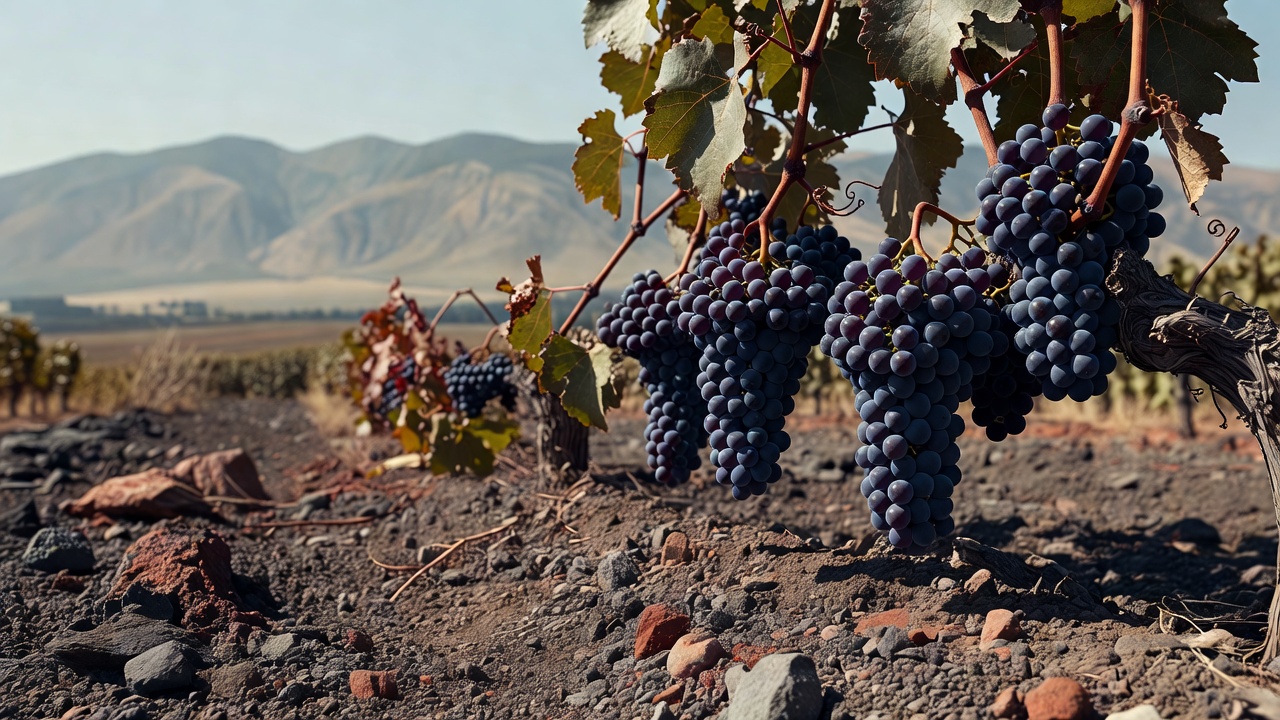
Volcanic basalt soils dominate much of the Columbia Valley, providing excellent drainage and mineral complexity that imparts distinctive notes of graphite and dark fruit to the wines. The rain shadow effect from the Cascade Mountains creates an arid environment with just 6-8 inches of annual precipitation, forcing vines to develop deep roots that extract unique flavors from the earth. This results in concentrated, powerful expressions in the grapes that set Columbia Valley wines apart.
Long daylight hours during the growing season—often exceeding 15 hours—allow for optimal photosynthesis without excessive heat stress. Diurnal temperature swings of 30-40 degrees Fahrenheit help preserve natural acidity, leading to balanced wines that age gracefully. These elements combine to create a terroir distinct from many European counterparts, offering bold yet elegant expressions of classic varieties. Travelers can witness these conditions firsthand during soil-focused tours that explain how the arid conditions and volcanic geology shape everything from vine vigor to final bottle profiles.
Key AVAs Within the Columbia Valley
The Columbia Valley AVA encompasses several sub-appellations, each with nuanced characteristics that reward exploration. The Yakima Valley AVA features diverse microclimates ideal for Syrah, where cooler sites produce spicy, peppery examples while warmer pockets yield richer fruit. Red Mountain AVA is renowned for its intense Cabernet Sauvignon due to its south-facing slopes and consistent wind exposure that concentrates flavors and tannins.
Walla Walla Valley AVA, straddling the Washington-Oregon border, benefits from loess soils that complement the volcanic base and create elegant, age-worthy reds. Horse Heaven Hills AVA offers expansive views and robust fruit-driven wines perfect for those who enjoy bold styles. Visitors can easily combine multiple AVAs in a single trip by basing themselves centrally and driving short distances between sites. Each AVA offers distinct tasting rooms, with many featuring panoramic views that enhance the overall experience.
Standout Vineyards Growing Cabernet and Syrah
Producers like Quilceda Creek and Cayuse Vineyards have earned international acclaim for their Cabernet and Syrah bottlings that showcase the volcanic influence through layers of dark fruit, earth, and spice. Emerging names such as Force Majeure and Delille Cellars focus on single-vineyard expressions that highlight specific soil plots and microclimates. Many estates offer tastings that showcase how soil and climate interact, including guided walks through the vines and detailed explanations of farming decisions.
Look for tours that include soil pit demonstrations to understand the terroir firsthand. For example, a visit to a Red Mountain property might include sampling Cabernet that displays the signature dusty tannins from the wind-exposed slopes, while a Syrah-focused stop in Yakima Valley reveals peppery aromatics tied to the cooler nights. These experiences provide concrete examples of why Columbia Valley wines continue to earn high scores from critics and attract repeat visitors.
Sustainable Practices and Forward-Looking Producers
Many Columbia Valley wineries have adopted organic and regenerative farming methods to protect the fragile volcanic soils. Cover cropping and water conservation techniques address the arid conditions while maintaining biodiversity. Certifications from organizations like LIVE Sustainable Winegrowing are increasingly common and signal a commitment to long-term environmental stewardship.
Emerging producers are experimenting with drought-resistant rootstocks and precision irrigation, positioning the region as a leader in climate-adaptive viticulture for 2026 and beyond. These forward-thinking approaches not only improve wine quality but also create compelling stories that tour guides share with guests, making visits both educational and inspiring.
Step-by-Step 2026 Vineyard Tour Planning Checklist
- Research AVA-specific harvest dates and book tastings 4-6 months ahead to secure spots at popular estates.
- Choose base locations such as Walla Walla or Prosser for easy access to multiple vineyards without excessive driving.
- Verify transportation options, including designated driver services, private shuttles, or self-guided bike tours that allow closer connection to the landscape.
- Incorporate sustainable tours that highlight organic practices and regenerative agriculture methods.
- Pack layers for temperature swings and sun protection for long daylight exposure during outdoor tastings.
- Review seasonal events like the annual Washington Wine Festival and plan around harvest celebrations in the fall.
- Confirm dietary options at tasting rooms and consider adding food pairings for a more complete experience.
- Check for any special 2026 events focused on volcanic soil education or new producer showcases.
Seasonal Highlights for 2026 Visits
Spring brings bud break and wildflower displays across the vineyards, creating beautiful backdrops for tastings. Summer offers peak sunlight hours perfect for outdoor tastings on patios with sweeping valley views. Fall harvest season provides the most immersive experiences as visitors witness picking and fermentation. Winter allows for intimate barrel tastings indoors where guests can learn about aging processes in detail. Each season offers unique photo opportunities and educational moments that deepen appreciation for the terroir.
Comparing Columbia Valley Terroir to Similar Regions
The volcanic soils and arid conditions echo aspects of other notable wine areas but differ markedly from Bordeaux's maritime influence or the Northern Rhône's steeper slopes. The extended daylight produces riper fruit profiles than many European sites while maintaining acidity through cool nights. Washington State Wine Commission resources provide further comparisons showing how Columbia Valley Cabernet often displays more concentration than California counterparts due to the unique geology. Travelers often find the open landscapes and modern facilities a refreshing contrast to historic European châteaux, with fewer crowds and more direct access to winemakers.
FAQ on Booking and Transportation
How do I book tours? Most wineries accept reservations via their websites or platforms like CellarPass. Private guides can customize multi-AVA itineraries based on your preferences for Cabernet or Syrah.
What transportation is recommended? Rental cars provide flexibility for self-paced exploration. Some areas offer shuttle services between tasting rooms to reduce driving concerns.
Are there group options? Yes, many estates host small-group tours focused on terroir education and sustainability that foster discussion among participants.
What about accessibility? Several properties feature wheelchair-friendly paths and accessible tasting areas; always confirm in advance.
Can I combine with other activities? Many visitors add hiking or river rafting to their wine tours for a balanced 2026 itinerary.
Conclusion: Planning Your Unforgettable 2026 Trip
The Columbia Valley delivers a compelling mix of distinctive terroir, world-class Cabernet and Syrah, and sustainable innovation. With careful planning using the checklist above, your 2026 vineyard tours can provide enriching alternatives to oversaturated destinations while supporting forward-thinking producers who are shaping the future of American wine.
No comments yet. Be the first!