 Uncorked Conversations
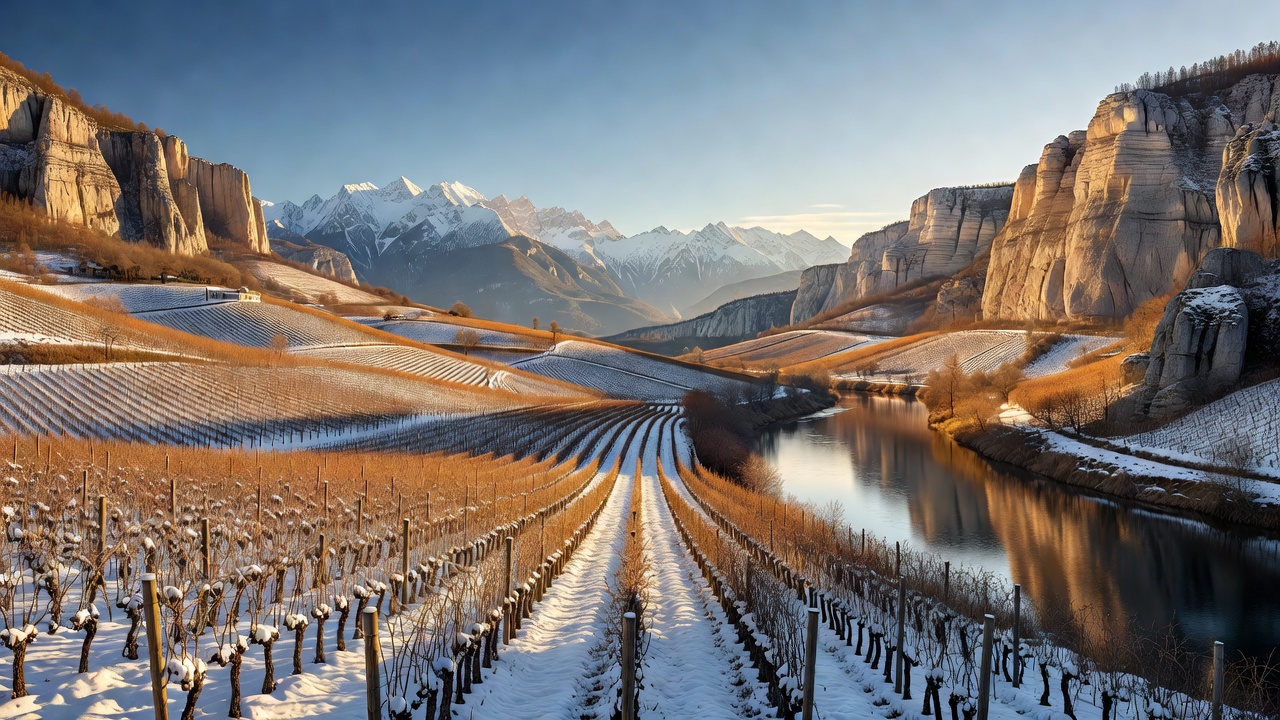
Understanding Terroir in Alsace and the Loire Valley
Terroir encompasses soil composition, climate patterns, topography, and centuries of human viticultural practices that collectively define a wine's unique character and expression. Alsace and the Loire Valley stand as two of France's most distinctive wine regions, each offering dramatically different terroir profiles that shape everything from grape ripeness to aromatic intensity. Enthusiasts planning 2026 wine tours benefit from understanding these contrasts to select destinations aligned with their palate preferences and travel goals. This in-depth comparison moves beyond surface-level overviews to provide actionable insights into soils, microclimates, vineyard management, and practical touring logistics.
Side-by-Side Terroir Analysis
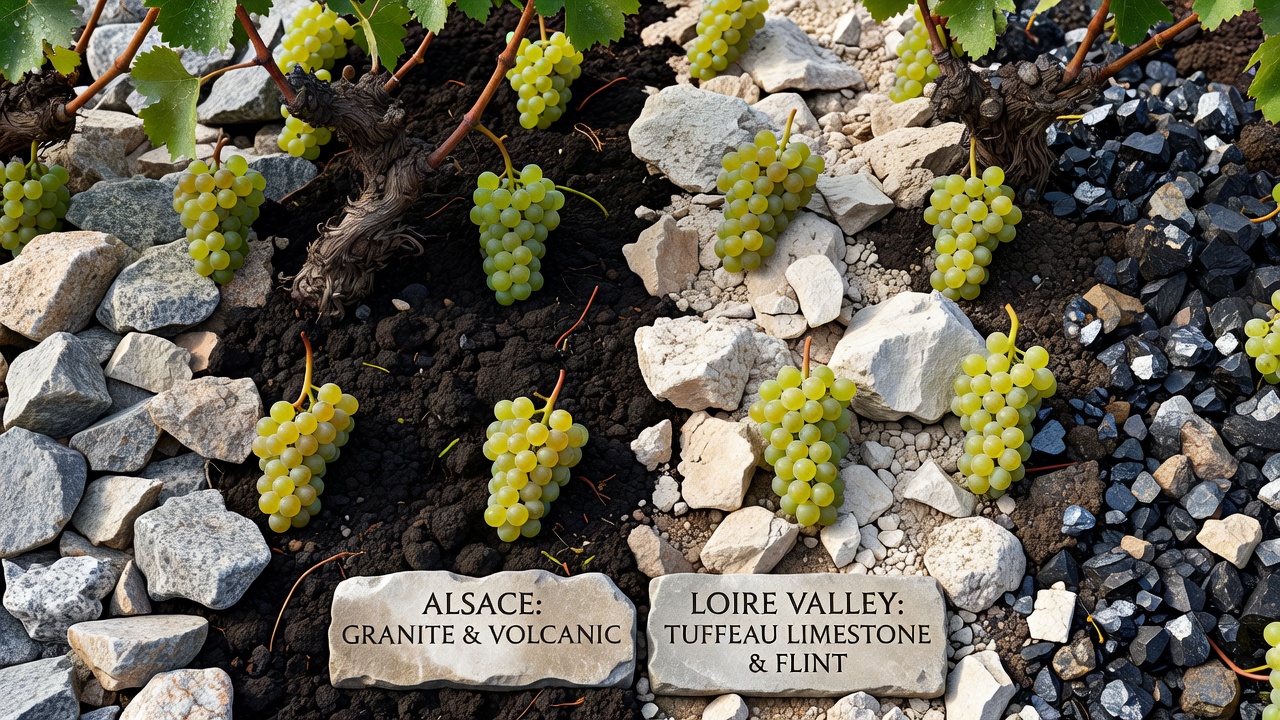
Alsace benefits from a continental climate characterized by hot summers, cold winters, and significant diurnal temperature swings that preserve acidity while building sugar levels in grapes. The protective Vosges mountains create a rain shadow effect, resulting in one of France's driest wine regions with annual rainfall often below 600 millimeters. Soils vary dramatically within short distances, ranging from granite and gneiss in the higher elevations to limestone, marl, and volcanic sediments lower down. This geological diversity allows producers to craft wines with pronounced mineral notes and exceptional aging potential.
In contrast, the Loire Valley experiences a temperate oceanic climate with milder winters and more consistent rainfall throughout the year, averaging 700 to 900 millimeters annually. The Loire River moderates temperatures and creates diverse mesoclimates along its banks. Soils here include tuffeau limestone, which provides excellent drainage and mineral richness, alongside schist, flint, and clay-gravel mixes in different sub-regions. These conditions foster wines with vibrant acidity and pronounced terroir-driven minerality, particularly in Sauvignon Blanc and Chenin Blanc expressions.
Topography further differentiates the regions. Alsace vineyards often cling to steep slopes with south and southeast exposures, maximizing sunlight while the elevation aids drainage. The Loire features gentler hills and river terraces that allow for varied planting densities and easier mechanization in flatter zones. Both regions practice sustainable and biodynamic farming at many estates, but Alsace's steeper terrain demands more manual labor during harvest.
Key Vineyards, Estates, and Grape Varieties
Alsace's signature grapes include Riesling, which excels on granite and schist soils for steely, age-worthy wines; Gewürztraminer, which develops lychee and rose petal aromas on limestone; and Pinot Gris, known for its weight and spice on volcanic terroirs. Standout sites include the Grand Cru Rangen de Thann with its steep volcanic slopes producing powerful Rieslings, Schlossberg near Kaysersberg for elegant, floral expressions, and Brand for spicy Gewürztraminer. Estates like Domaine Zind-Humbrecht and Trimbach exemplify how meticulous site selection translates terroir into bottle.
The Loire Valley showcases Sauvignon Blanc in Sancerre and Pouilly-Fumé, where flint and limestone soils impart smoky, gunflint notes alongside citrus zest. Chenin Blanc dominates Vouvray and Savennières, yielding everything from bone-dry to lusciously sweet styles depending on harvest timing and tuffeau influence. Cabernet Franc in Chinon and Bourgueil benefits from gravel and limestone for structured, herbal reds. Notable estates include Domaine Vacheron in Sancerre for precise, mineral-driven whites and Domaine Huet in Vouvray for complex, long-lived Chenin expressions that highlight the region's climatic variability.
Practical 2026 Wine Tour Itineraries
For an Alsace-focused tour, begin in Strasbourg and travel south to Colmar as a base. Day one could involve visits to three estates around Eguisheim and Turckheim with vertical tastings of Riesling from different vintages. Day two might focus on the Route des Vins, stopping at Riquewihr and Hunawihr for Gewürztraminer comparisons. Include a half-day hike through the Schlossberg vineyard for perspective on slope and soil impact. End the week with a cooking class pairing local wines with Alsatian specialties.
A Loire Valley itinerary centered in Tours allows easy access to multiple appellations. Start with Sancerre hilltop tastings emphasizing Sauvignon Blanc from flint versus limestone plots. Move west to Vouvray for Chenin Blanc sparkling and still wine comparisons, then south to Chinon for Cabernet Franc reds paired with local goat cheese. Incorporate a Loire River boat excursion between vineyard stops for scenic context. Both regions offer e-bike rentals and private driver options for safe, flexible exploration in 2026.
Travelers combining regions can use TGV rail from Strasbourg to Tours in under five hours, creating a seamless 10-day journey that samples both terroirs without excessive backtracking.
Tasting Recommendations and Techniques
When tasting Alsace wines, focus on aromatic intensity by serving slightly cooler than room temperature to highlight floral and spice notes. Look for petrol and stone fruit in aged Rieslings from granite soils. In the Loire, swirl Sauvignon Blanc to release grassy and citrus aromas, then note how flint soils add a distinctive smoky edge. Chenin Blanc tastings benefit from comparing dry and off-dry styles side-by-side to understand sugar-acid balance influenced by tuffeau limestone.
Seasonal Tour Tips for 2026
- Spring (April-May) brings mild weather ideal for vineyard walks and early tastings with blooming fruit trees, though some estates may still be preparing for the growing season.
- Summer (June-August) offers long daylight hours and outdoor picnics at estates, but popular sites require reservations weeks in advance due to peak tourism.
- Autumn (September-October) coincides with harvest, allowing visitors to observe picking and pressing while sampling young wines, though availability varies with weather.
- Winter (November-March) provides cozy cellar tours focused on aging and blending, with fewer crowds and potential discounts on tastings at smaller domaines.
Pairing Suggestions with Local Cuisine
Alsace wines shine alongside hearty dishes such as choucroute garnie, where Riesling's acidity cuts through pork and sauerkraut richness, or Munster cheese whose pungency matches Gewürztraminer's spice. Foie gras pairings with late-harvest styles create classic regional harmony. In the Loire, Sauvignon Blanc complements fresh oysters and goat cheese from Sancerre, while Chenin Blanc pairs with river trout or rillettes. Cabernet Franc enhances grilled meats and mushroom dishes from the Touraine area. Experiment by requesting estate recommendations during visits to discover unexpected matches.
Mistakes to Avoid on Wine Tours
Common pitfalls include over-scheduling too many tastings per day, which dulls the palate; neglecting to book appointments at smaller family estates; and failing to account for elevation changes when walking between vineyards in Alsace. Always designate a driver or use organized transport, and carry water to stay hydrated between samples. Research vintage reports beforehand to contextualize what you taste.
FAQs on Wine Tours and Destination Choice
How do I book 2026 tours?
Contact estates directly via their websites or use regional tourism boards for packaged experiences. Book at least three to six months ahead for harvest season slots.
When is the best time to visit?
Late spring through early autumn offers the optimal balance of weather, accessibility, and vineyard activity for most international travelers.
How to choose between Alsace and Loire?
Those seeking intensely aromatic whites and dramatic mountain landscapes will prefer Alsace. Travelers interested in versatile still and sparkling wines plus gentle river valley scenery should select the Loire.
What transportation options exist?
Rental cars provide flexibility for both regions, while trains and guided tours suit those avoiding driving after tastings.
Further regional details are available through France's official tourism portal and the International Organisation of Vine and Wine. Both Alsace and the Loire Valley deliver profound terroir experiences that reward thoughtful preparation and open-minded exploration.
No comments yet. Be the first!