 Uncorked Conversations
Introduction to Low-Intervention Fermentation in 2027
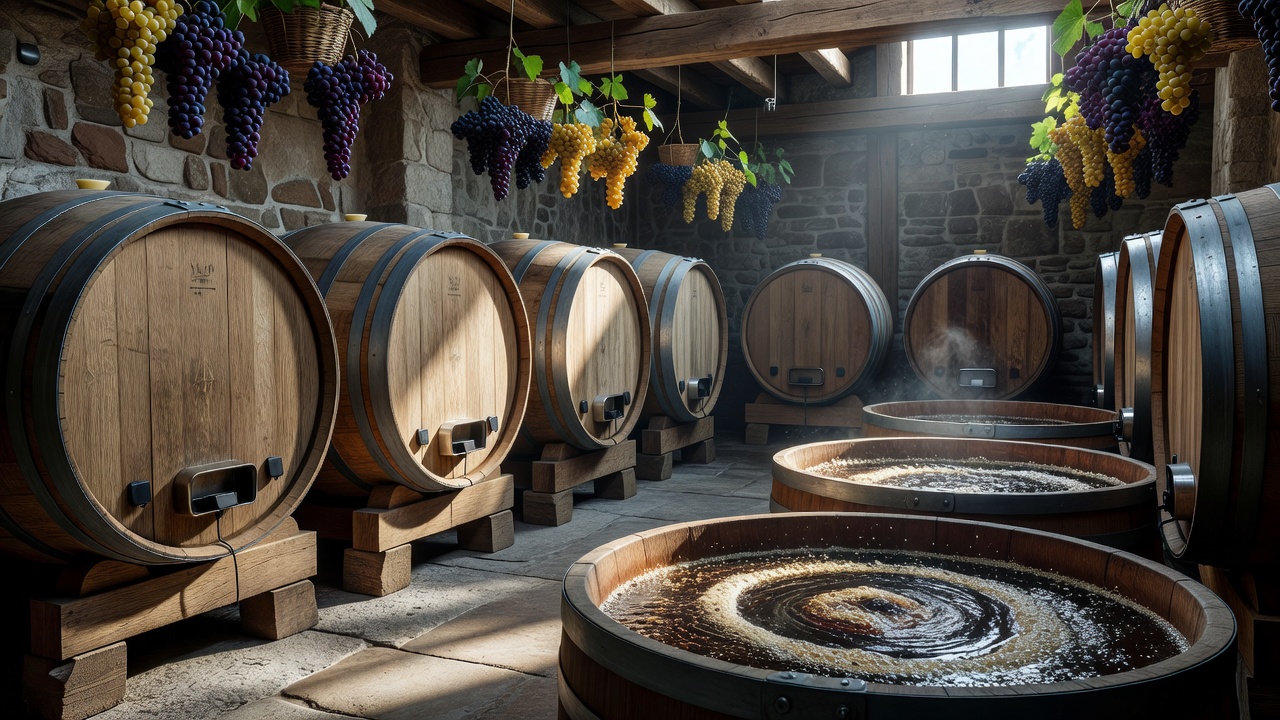
Low-intervention wine fermentation emphasizes minimal human interference, allowing natural microbial processes to transform grapes into wine. This method forms the foundation for natural wine, organic wine, and biodynamic wine. By 2027, improved understanding of microbiology and non-invasive monitoring technologies has allowed producers to refine these techniques while staying true to the philosophy of fewer additives and greater respect for terroir. Enthusiasts searching for technical depth want to understand exactly how these processes differ from conventional winemaking, which typically relies on inoculated yeasts, added nutrients, and aggressive temperature regulation. This article delivers that deeper insight through detailed examination of yeast dynamics, temperature management, microbial communities, and practical examples drawn from working wineries.
Yeast Interactions in Natural Fermentation
Native yeasts drive low-intervention fermentation, in contrast to conventional approaches that introduce single-strain commercial Saccharomyces cerevisiae. In 2027, genomic studies reveal how a succession of non-Saccharomyces species such as Hanseniaspora, Candida, and Pichia initiate fermentation, producing esters and higher alcohols that contribute distinctive aromatic complexity. These early yeasts create an environment that later favors Saccharomyces dominance, resulting in layered flavor profiles impossible to replicate with single-strain inoculation. Wineries in the Loire Valley now use portable DNA sequencers to track this succession in real time, adjusting only when fermentation stalls rather than adding commercial yeasts. The result is wine that expresses vintage-specific nuances more vividly than standardized conventional ferments.
Temperature Controls and Their Role
Temperature remains a key variable, yet low-intervention producers favor passive methods over mechanical systems. Whites typically ferment between 12°C and 18°C while reds sit slightly warmer to extract color without harsh tannins. In 2027, many estates rely on underground cellars, evaporative cooling, or shaded outdoor tanks equipped with simple digital probes. These approaches reduce energy consumption and avoid the flavor stripping that can occur with aggressive refrigeration. Conventional wineries, by comparison, maintain exact setpoints with glycol jackets and computerized controls, producing consistent but sometimes uniform wines. Low-intervention temperature strategies instead harness site-specific microclimates, allowing subtle daily fluctuations that can enhance aromatic retention and mouthfeel.
Microbial Ecosystems and Biodiversity
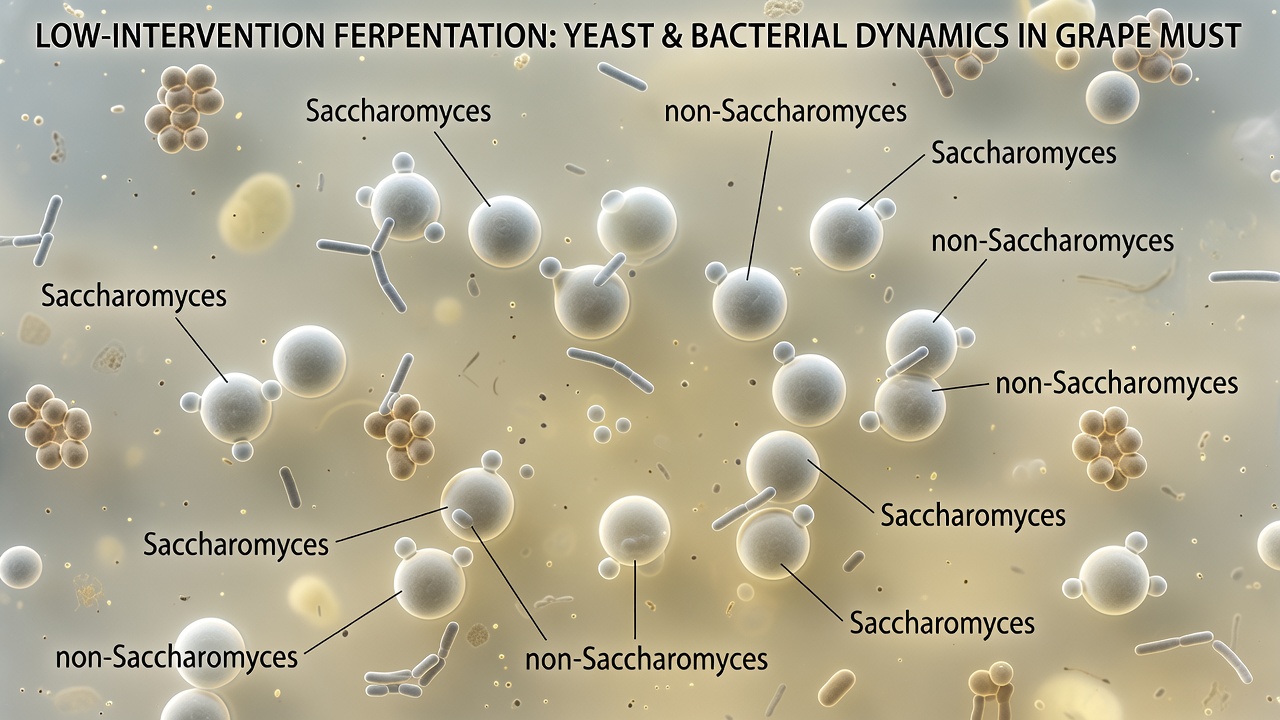
A healthy microbial ecosystem includes both yeasts and bacteria such as Oenococcus oeni, which performs malolactic conversion naturally. Biodynamic and organic vineyard practices increase soil microbial diversity, which in turn influences the grape berry microbiome. Research from UC Davis shows that diverse populations compete with spoilage organisms, lowering the need for sulfur dioxide. In 2027, producers monitor these communities with non-destructive sensors that track volatile compounds rather than intervening with cultured bacteria. The outcome is wine with greater textural depth and reduced risk of reduction or oxidation faults when the ecosystem remains balanced.
Step-by-Step Breakdown of Fermentation Stages
- Pre-fermentation: Grapes arrive at the winery and are either destemmed or fermented whole-cluster with minimal or no added sulfur. Native microbes colonize the must immediately, beginning spontaneous fermentation within hours.
- Primary alcoholic fermentation: Lasting 7 to 21 days, sugars convert to alcohol while producers track density and temperature twice daily. No nutrients or enzymes are added; any sluggishness is addressed by gentle pump-overs or temperature adjustments only.
- Malolactic fermentation: Occurring spontaneously in most reds and some whites, lactic acid bacteria convert sharp malic acid into softer lactic acid, often overlapping with the final stages of alcoholic fermentation.
- Post-fermentation and lees aging: Wines remain on fine lees for months, gaining mouthfeel and stability through natural autolysis. No fining agents or sterile filtration are used, preserving character and texture.
Comparisons to Traditional Approaches
Conventional fermentation prioritizes repeatability through inoculated yeasts, sterile must, and precise chemical adjustments. Low-intervention methods accept vintage variation as an expression of place. While conventional wines rarely show faults, they can lack the distinctive personality found in low-intervention examples. Risks such as stuck ferments or volatile acidity are mitigated in 2027 by better understanding of microbial ecology, as documented by the International Organisation of Vine and Wine. The trade-off is clear: conventional wines offer predictability for large-scale production, while low-intervention wines reward patience and careful observation with unique sensory results.
Real-World Winery Examples
In Oregon’s Willamette Valley, several Pinot Noir producers ferment exclusively with native yeasts in concrete tanks, relying on cellar temperature alone. Their 2026 and 2027 vintages demonstrate how minimal handling preserves bright fruit and fine tannins. In Burgundy, certified biodynamic estates use large oak foudres and monitor fermentation daily with refractometers, intervening only if hydrogen sulfide appears. Similar practices appear in South Africa’s Swartland region, where producers combine old-vine Chenin Blanc with spontaneous fermentation to create textured, age-worthy wines that reflect both variety and site.
Practical Tips for Home Observers
Home enthusiasts can observe low-intervention principles on a small scale. Begin with certified organic grapes, sanitize equipment thoroughly, and maintain clean but not sterile conditions. Record daily temperature, specific gravity, and sensory notes. Avoid the urge to add commercial yeast or nutrients at the first sign of slowdown; instead, gently stir the cap or move the vessel to a slightly warmer spot. Patience during the full fermentation and aging cycle often yields surprising complexity. Observers should also track pH and free sulfur levels sparingly to ensure the wine remains protected without over-sulfuring.
FAQ: Addressing Misconceptions and Practical Tips
What is the main difference from conventional wine?
Low-intervention fermentation avoids commercial yeasts, added nutrients, and fining agents, instead depending on native microbial activity for flavor development and stability.
Can home observers replicate this successfully?
Yes, with attention to cleanliness, temperature tracking, and restraint. Small-batch trials using organic fruit allow experimentation without high risk.
Are these wines more prone to faults?
While variability exists, balanced microbial ecosystems frequently prevent faults better than sterile environments, provided basic hygiene and monitoring practices are followed.
How does 2027 technology change the picture?
Portable DNA tools and real-time volatile sensors give producers insight without physical intervention, making low-intervention methods more reliable than in previous decades.
Conclusion
The science of low-intervention fermentation in 2027 combines centuries-old principles with modern observational tools. By understanding yeast succession, passive temperature strategies, and living microbial communities, wine lovers gain appreciation for the authenticity these wines deliver. Further reading is available through authoritative sources such as Nature for ongoing microbiology research in enology. The approach rewards careful observation and respect for natural processes, producing wines that truly reflect their origin.
No comments yet. Be the first!