 Uncorked Conversations
Introduction: The Natural Harmony of Natural Wine and Slow Food
In 2026, conscious consumers are increasingly drawn to experiences that honor both the land and the table. Natural wine—produced with minimal intervention, often from organic or biodynamic grapes—pairs seamlessly with the Slow Food movement's emphasis on local, seasonal, and sustainable ingredients. This alignment stems from shared respect for terroir, biodiversity, and thoughtful production methods that reject industrial shortcuts. As global awareness of environmental challenges grows, more diners seek out options that support regenerative agriculture and reduce chemical inputs across the entire food and beverage chain.
The Slow Food philosophy, founded on preserving culinary traditions and environmental stewardship, finds a natural partner in low-intervention wines. These wines reflect the unique characteristics of their vineyards without heavy filtration or additives, much like Slow Food celebrates unprocessed, heritage ingredients. The result is a dining approach that feels both rooted in tradition and forward-looking for modern sustainability needs. As awareness grows around mindful consumption, natural wine offers an accessible gateway for enthusiasts seeking authentic dining experiences that extend from vineyard to plate.
Shared Values: Sustainability, Terroir, and Ethical Production
Both movements prioritize environmental health over mass production. Natural wines avoid synthetic pesticides and herbicides, fostering soil vitality in the same way Slow Food supports regenerative farming. Terroir—the sense of place expressed through flavor—remains central, encouraging producers to let grapes speak for their origin rather than masking them with heavy oak or chemicals. This philosophy encourages long-term stewardship of the land, ensuring future generations can enjoy the same vibrant ecosystems.
Ethical labor practices and biodiversity also unite the two. Many natural winemakers employ cover crops and native yeasts, mirroring Slow Food's advocacy for diverse ecosystems. This synergy appeals to those exploring Slow Food principles through wine choices that support small-scale agriculture. Additional resources from organizations like the Food and Agriculture Organization highlight how biodiversity in farming directly combats climate change and supports resilient food systems worldwide.
Enhancing Seasonal and Local Ingredients with Natural Wines
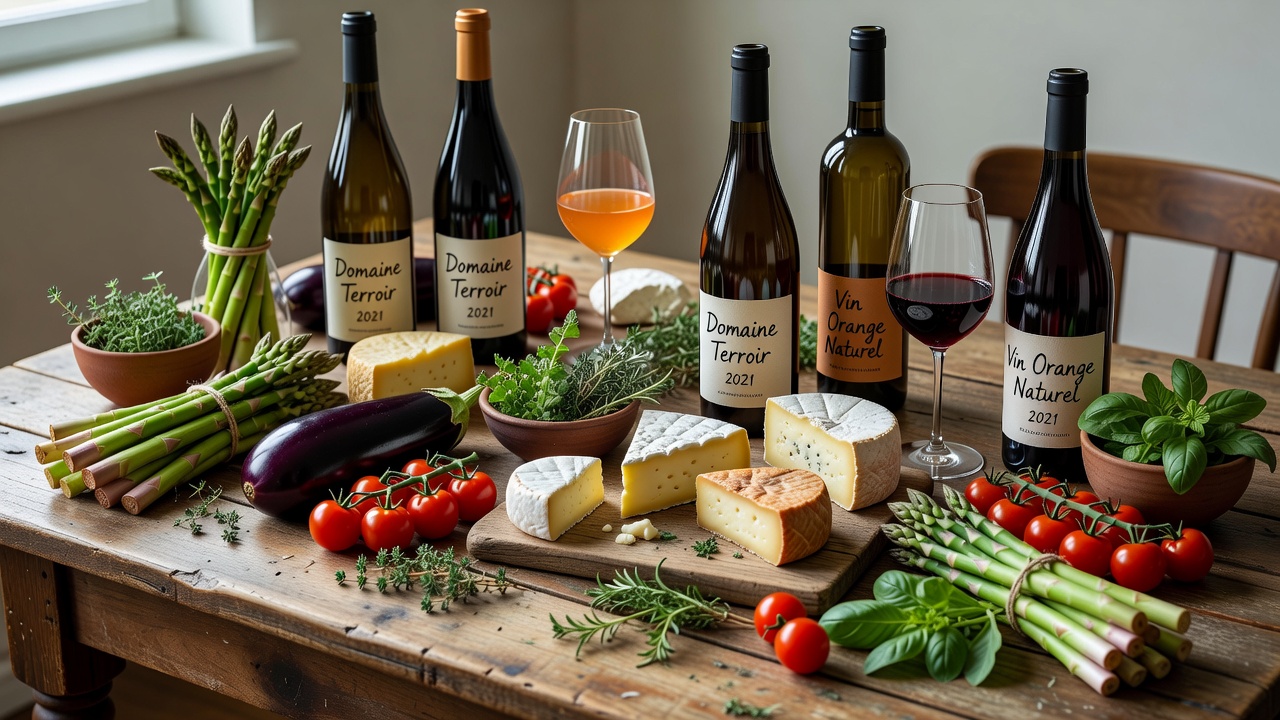
Natural wines excel at complementing the freshness of seasonal produce. Their bright acidity and earthy notes cut through rich local cheeses or highlight the sweetness of just-picked vegetables. Unlike conventional wines, which can overpower delicate flavors, low-intervention options enhance without dominating. In practice, this means a crisp natural white can elevate a simple salad of heirloom tomatoes picked that morning, while a textured orange wine brings out the complexity in fermented or pickled items common in Slow Food kitchens.
For example, a skin-contact orange wine from Georgia brings subtle tannins that balance bitter greens or fermented vegetables, staples of Slow Food tables. Biodynamic reds often feature vibrant fruit that elevates grilled meats or root vegetables from nearby farms. These pairings become even more meaningful when ingredients travel minimal distances, reducing carbon footprints and preserving peak flavor at the moment of consumption.
Flavor Profile Comparisons Across Wine Types
Understanding flavor nuances helps pair effectively. Natural whites tend toward crisp citrus and floral notes with lively acidity that refreshes the palate between bites of rich or fatty foods. Orange wines offer nutty, textured profiles from extended skin contact, creating a bridge between white and red characteristics that works well with savory vegetable dishes. Reds range from light and juicy to structured with herbal undertones, offering versatility for everything from delicate fish to hearty stews.
Pét-nats deliver effervescent, yeasty freshness ideal for appetizers or brunch-style meals. These profiles contrast with conventional wines by emphasizing purity and variability year to year, reflecting vintage conditions honestly. This variability encourages experimentation aligned with Slow Food's adaptive, seasonal ethos, turning each meal into a unique exploration of place and time.
Real-World Pairing Examples from Global Producers
Here are five practical pairings using wines from respected natural producers, each chosen to highlight regional ingredients and production methods:
- Radikon Ribolla Gialla (Friuli, Italy) with asparagus and local ricotta: The wine's oxidative notes and salinity enhance the vegetable's earthiness while the creamy cheese softens any tannins.
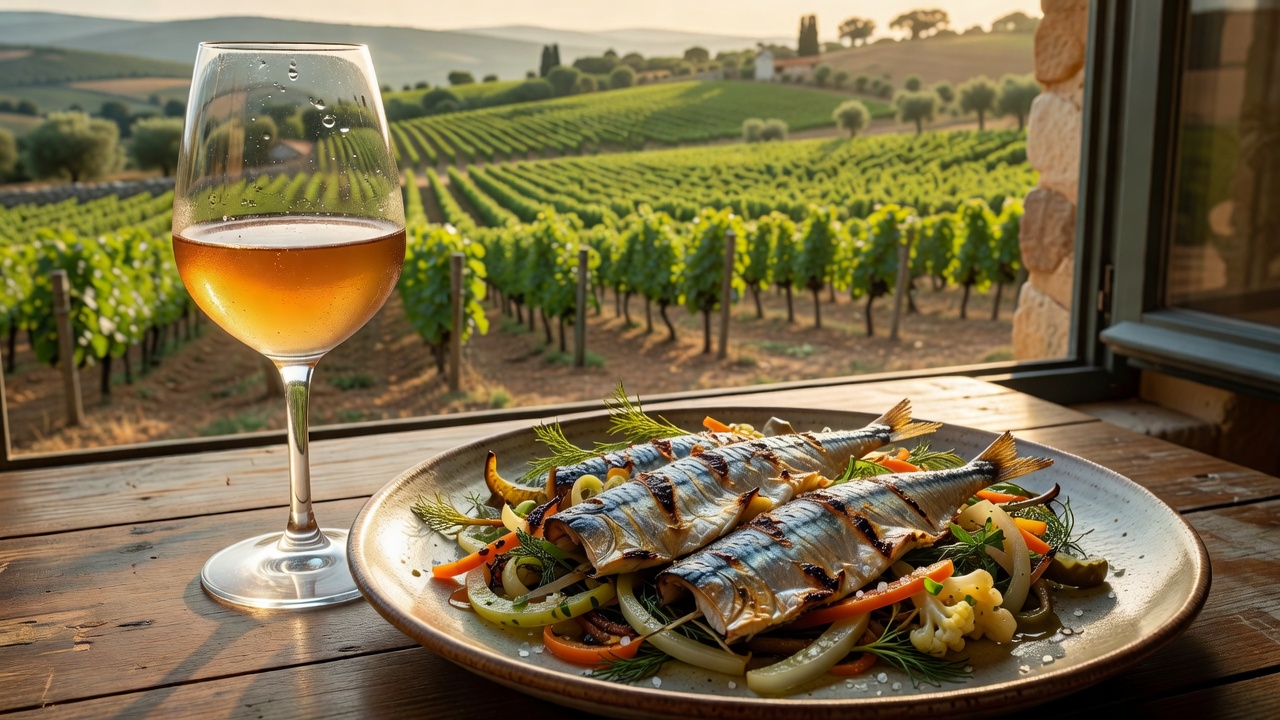
- Donkey & Goat's Grenache Blanc (California, USA) with grilled sardines and fennel: Citrus-driven acidity cuts through the fish's richness and complements the anise notes of fennel grown nearby.
- Frank Cornelissen's Munjebel (Sicily, Italy) with roasted eggplant and herbs: Volcanic minerality complements smoky, savory elements and highlights the bright herbs typical of Mediterranean Slow Food plates.
- Jauma's Chenin Blanc (Australia) with pickled vegetables and goat cheese: Bright acidity balances tang and crunch, making it perfect for preserved produce that extends the harvest season.
- Matthiasson Ribolla Gialla (California, USA) with stone fruit salad and prosciutto: Floral aromatics mirror seasonal sweetness while the cured meat adds savory depth.
These examples demonstrate how global terroirs translate to mindful plates and can be adapted using whatever local produce is available at farmers' markets.
Step-by-Step Tasting Notes for Mindful Pairings
Follow this process to evaluate pairings and deepen your appreciation:
- Start by observing the wine's color and clarity in natural light to understand its oxidative level and age.
- Swirl gently and note primary aromas like fruit, earth, or spice, comparing them to the dominant scents in your chosen dish.
- Take a small sip, allowing it to coat the palate before assessing acidity, tannins, and finish length.
- Introduce the food and observe how flavors evolve—does the wine's acidity refresh or clash with the main ingredients?
- Adjust portions, serving temperature, or even glassware for better balance, noting personal preferences over multiple tastings.
- Repeat across vintages to appreciate natural wine's living character and how it changes with each harvest.
This methodical approach turns casual meals into educational experiences aligned with Slow Food's emphasis on awareness and enjoyment.
Mistakes to Avoid When Pairing Natural Wines
Common errors include over-chilling wines, which can mute their aromatic complexity, or pairing overly tannic bottles with delicate seafood. Another pitfall is ignoring vintage variation; what worked one year may need adjustment the next. Always taste the wine first without food to establish a baseline, and consider the full meal rather than a single element when selecting bottles.
Addressing Common Misconceptions: FAQ Section
Is natural wine just a trend or truly better for the environment?
Natural winemaking supports biodiversity and reduces chemical runoff, aligning directly with Slow Food sustainability goals beyond fleeting popularity. Long-term studies from agricultural bodies confirm these practices improve soil health over decades.
Are these wines always more expensive?
Prices vary by producer and region; many small-scale options remain accessible without premium markups, especially when purchased directly from wineries or cooperatives.
Do natural wines spoil faster?
Proper storage keeps them stable; variability is part of their appeal rather than a flaw, and many age gracefully when cellared correctly.
Can beginners enjoy them without expertise?
Yes—their honest flavors invite exploration, making them ideal for Slow Food newcomers who value authenticity over technical perfection.
How do I find reliable natural wine producers near me?
Look for certifications like Demeter for biodynamic or organic labels, visit farmers' markets, or consult local Slow Food chapters for vetted recommendations.
Conclusion: Embracing Mindful Dining in 2026
Natural wine and Slow Food together create a framework for intentional living. By selecting low-intervention bottles that celebrate place, enthusiasts can elevate everyday meals into expressions of care for the planet and palate. This partnership continues to grow as more discover its rewarding depth and practical benefits for both personal health and global sustainability efforts.
No comments yet. Be the first!