 Uncorked Conversations
Introduction to Natural Wine Festivals in 2026
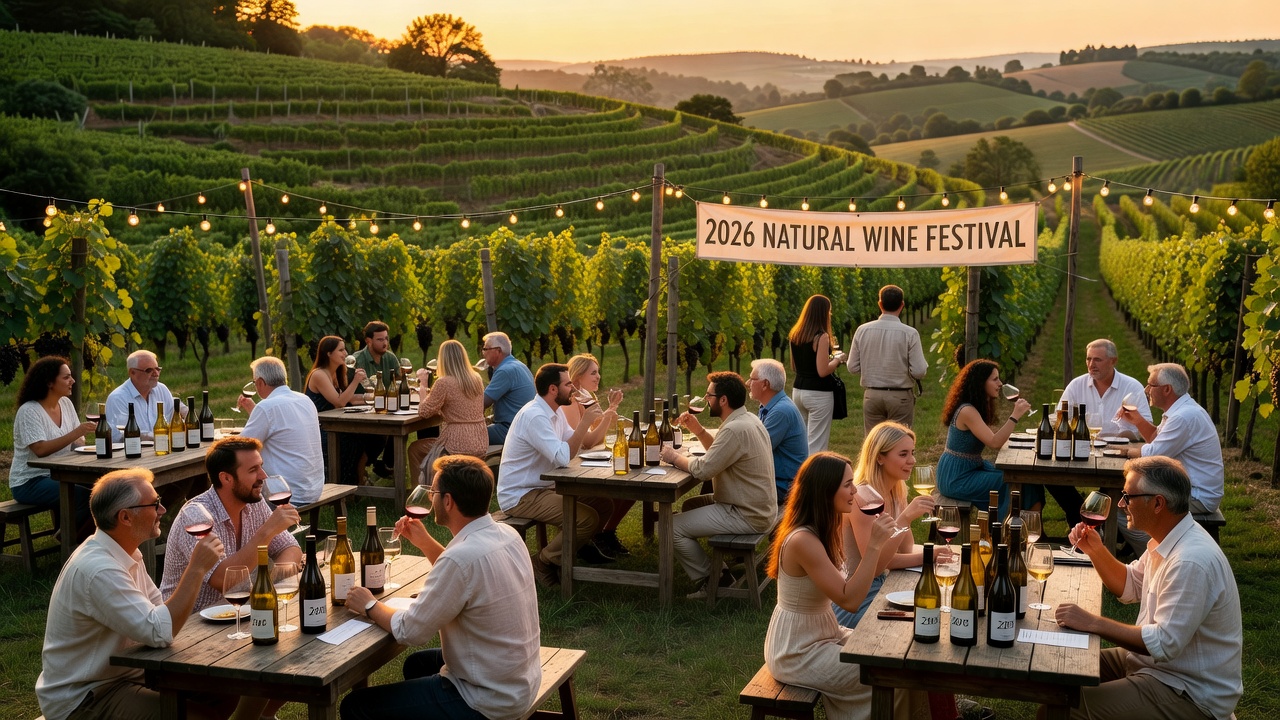
Natural wine festivals celebrate low-intervention winemaking, organic wine producers, and biodynamic wine practices that emphasize minimal additives and sustainable vineyard methods. These events attract travelers and enthusiasts eager to discover authentic flavors while connecting with a global community focused on environmental stewardship. In 2026, festivals span Europe, North America, and emerging regions, offering immersive experiences from intimate tastings to large-scale gatherings. Attending these events allows participants to taste wines made with native yeasts, little to no sulfur, and grapes grown without synthetic chemicals. The scene continues to grow as more producers adopt regenerative agriculture techniques that restore soil health and biodiversity.
Travelers often seek these festivals to move beyond supermarket wines and engage directly with the makers behind bottles that express unique terroirs. Whether you are drawn to cloudy orange wines or crisp pét-nats, the 2026 calendar provides opportunities for discovery and meaningful connections. This guide details eight standout events, practical logistics, and insider advice to help you plan an enriching trip.
Standout European Festivals
Europe remains the epicenter of the natural wine movement. The Raw Wine Fair in Berlin, scheduled for April 2026, features over 200 producers from across the continent. Visitors enjoy seated tastings and masterclasses on biodynamic wine techniques in historic venues. The event also includes panel discussions on soil regeneration and the future of low-intervention winemaking.
Further south, ViniVeri in Verona, Italy, takes place in May 2026. This intimate gathering highlights organic wine from small estates in Tuscany and beyond, with vertical tastings and vineyard tours that allow attendees to see firsthand how grapes are handled with minimal intervention. La Dive Bouteille in the Loire Valley, France, occurs in February 2026 and focuses on low-intervention sparkling wines in a charming chateau setting. Participants often enjoy guided walks through limestone caves where wines age naturally.
Another European highlight is the Real Wine Fair in Bristol, United Kingdom, held in March 2026. It emphasizes British and European producers using biodynamic methods, offering both trade and public days with food pairings from local organic farms.
North American Highlights
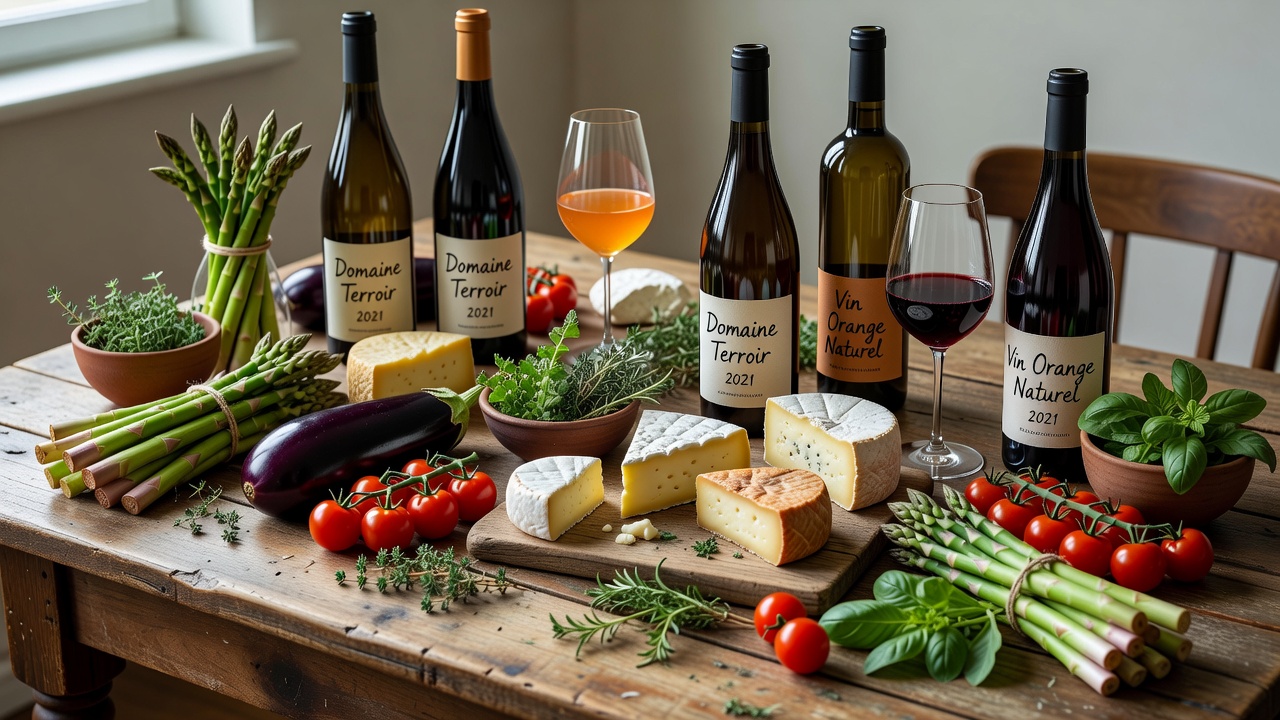
Across the Atlantic, the Natural Wine Fair in New York City runs in June 2026, drawing producers from California and Oregon alongside international guests. The event uses a walk-around format ideal for sampling dozens of bottles in one afternoon while chatting with winemakers about their farming philosophies. In Oregon, the Biodynamic Wine Summit in September 2026 offers educational workshops on soil health alongside tastings of wines from the Willamette Valley. Smaller events like the Austin Natural Wine Weekend in Texas provide a relaxed atmosphere perfect for first-time attendees, featuring pop-up tastings and chef collaborations that showcase how natural wines pair with Tex-Mex cuisine.
California adds the Mendocino Natural Wine Festival in August 2026, where coastal producers demonstrate how fog-influenced vineyards contribute to vibrant, low-sulfur expressions. These North American events often incorporate live music and art installations that reflect the creative spirit of the natural wine community.
Emerging Regions to Watch
Emerging destinations add fresh perspectives. Chile's Valle de Casablanca hosts a natural wine festival in October 2026 emphasizing coastal organic producers who work with varieties like Pais and Cinsault. South Africa's Cape Town event in November showcases biodynamic wines from the Swartland region with paired food experiences that highlight indigenous ingredients. Newer additions include the Tokyo Natural Wine Week in Japan during July 2026, where Asian importers introduce European low-intervention wines alongside local experiments with sake-style natural ferments. These locations offer unique terroirs and opportunities to meet winemakers pushing boundaries in less traditional areas.
Comparing Event Scales and Themes
Event scales vary widely, influencing the overall experience. Large-scale fairs like Raw Wine emphasize volume and networking, allowing visitors to meet dozens of producers in a single day. Intimate festivals such as ViniVeri prioritize deep conversations and producer stories, often limiting attendance to foster meaningful exchanges. Themes range from sparkling wine focus at La Dive Bouteille to full sustainability education at the Oregon summit. Consider your goals: if you want breadth, choose high-volume events; for depth, opt for smaller gatherings. A practical comparison list includes:
- Scale: 200+ producers at Raw Wine versus 50 at ViniVeri.
- Format: Walk-around tastings versus seated masterclasses.
- Theme emphasis: Sparkling wines, soil health, or regional biodiversity.
- Best for: Newcomers versus seasoned collectors seeking rare bottles.
Matching preferences to event size ensures a satisfying visit.
Sustainability Practices at These Festivals
Most 2026 festivals incorporate zero-waste policies, reusable glassware, and local sourcing for food pairings. Organizers often partner with carbon-neutral transport options and promote regenerative farming education. Attendees can expect composting stations and information on how natural wine reduces environmental impact compared to conventional production. Many events partner with local environmental groups to offset travel emissions through tree-planting initiatives. Decanter regularly reports on these practices across the wine industry. Additional measures include solar-powered venues and educational sessions teaching visitors how to reduce plastic use at home. These efforts align with broader goals of preserving vineyard ecosystems for future generations.
Practical Travel Tips
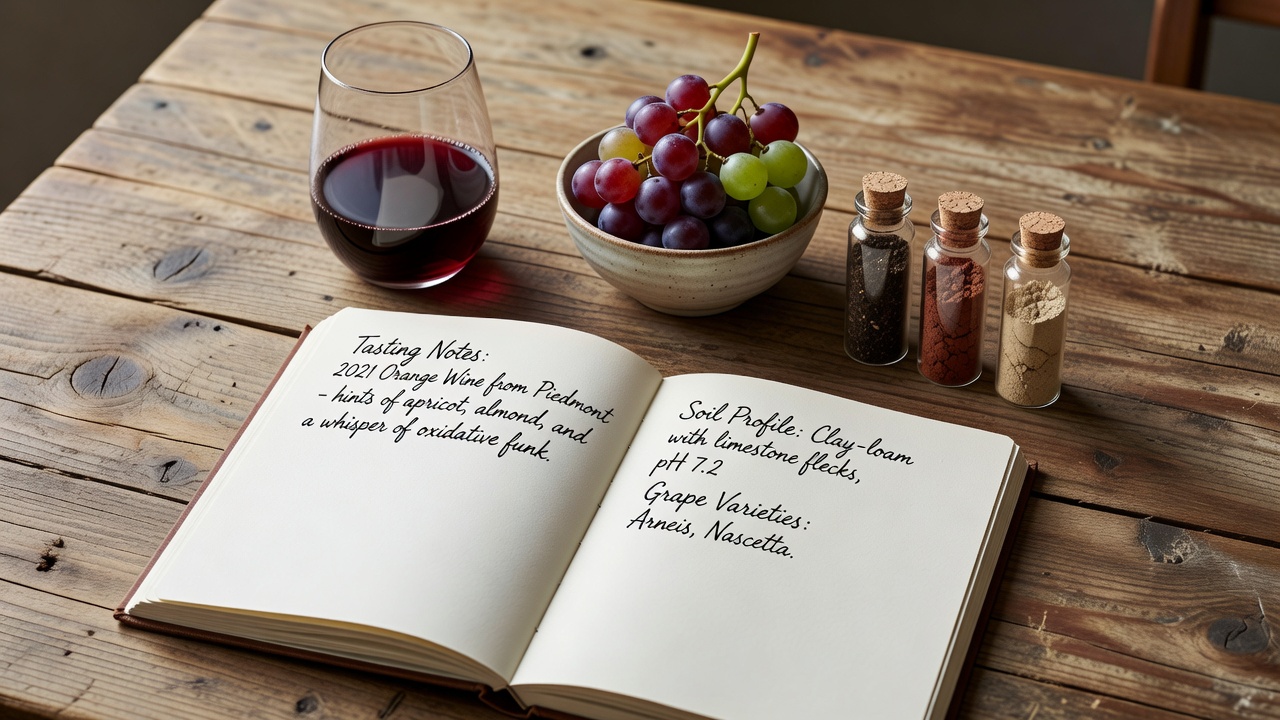
Book accommodations early near festival venues to minimize daily commuting. Consider train travel in Europe for lower emissions and scenic routes between cities. Pack comfortable shoes for vineyard walks, a reusable water bottle, and a notebook for tasting notes. Research producers beforehand using online directories so you can target specific tables. First-timers should start with smaller events to ease into the scene without feeling overwhelmed. Check visa requirements for international travel and download translation apps if language barriers exist at non-English events. Consider combining festivals with regional sightseeing, such as visiting historic sites in Verona after ViniVeri or exploring Oregon's hiking trails near the Biodynamic summit.
What to Expect as a First-Time Attendee
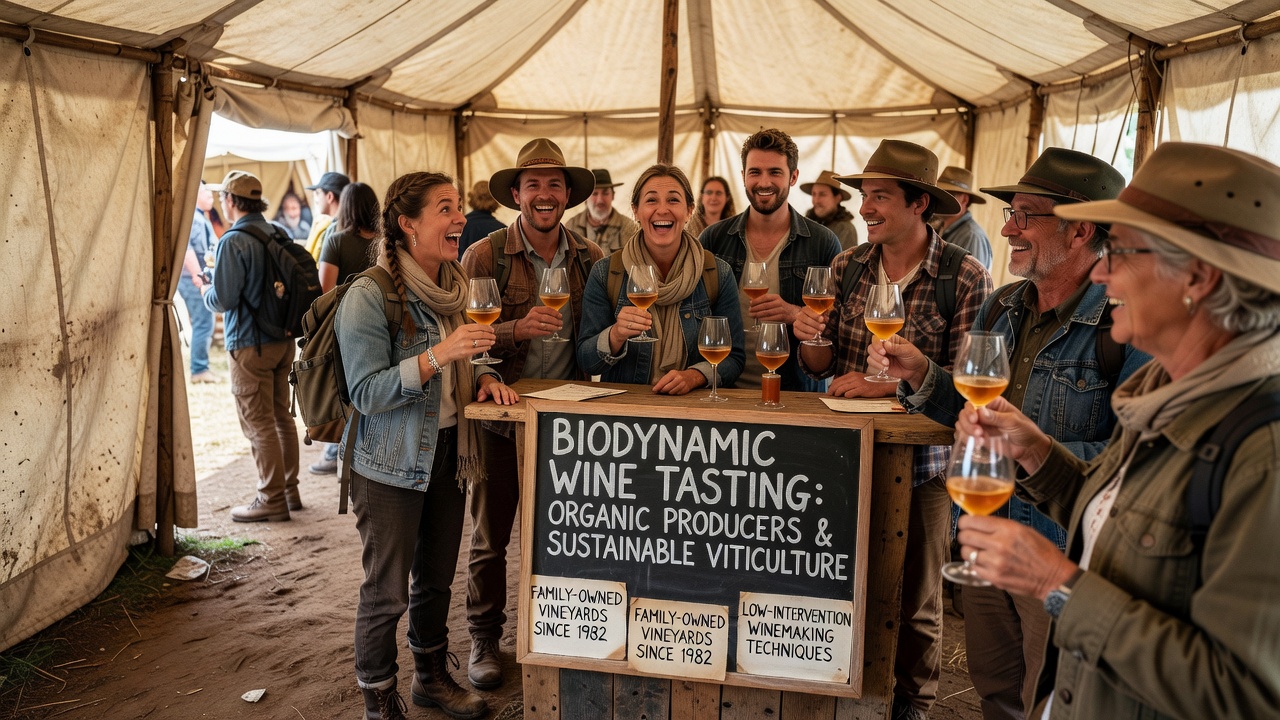
First-time visitors often wonder about the atmosphere and etiquette. Expect lively discussions about farming practices rather than formal wine jargon. Wines may appear cloudy or feature unusual aromas, which are hallmarks of minimal processing. Bring an open mind and prepare questions about sulfur levels or fermentation methods. Most events provide spittoons and palate cleansers like bread or olives. Hydrate frequently and pace yourself, as natural wines can vary in alcohol content. Many festivals offer volunteer or discounted entry options for those interested in deeper involvement.
FAQs for First-Time Attendees
What should I expect at a natural wine festival? Expect lively discussions, cloudy or unfiltered wines, and a welcoming community of like-minded enthusiasts. Are tickets required? Most events offer advance purchase options with day passes available on-site if space permits. How do I prepare? Research producers beforehand, wear comfortable clothing, and stay hydrated between tastings. Can I bring my own glass? Some festivals encourage bringing personal glassware to reduce waste. What if I do not like a wine? Spitting is standard and encouraged to maintain focus. Are there non-alcoholic options? Many events include zero-alcohol ferments or kombucha from natural producers.
Conclusion
2026 promises exceptional opportunities to explore natural, organic, and biodynamic wines through dedicated festivals. These gatherings foster discovery and community while advancing sustainable practices. Plan your trip to one or more events for unforgettable experiences in the evolving natural wine world. For broader context on wine regions, visit Wine Magazine or explore resources at Food & Wine.
No comments yet. Be the first!