 Uncorked Conversations
Why a Natural Wine Journal Matters in 2026
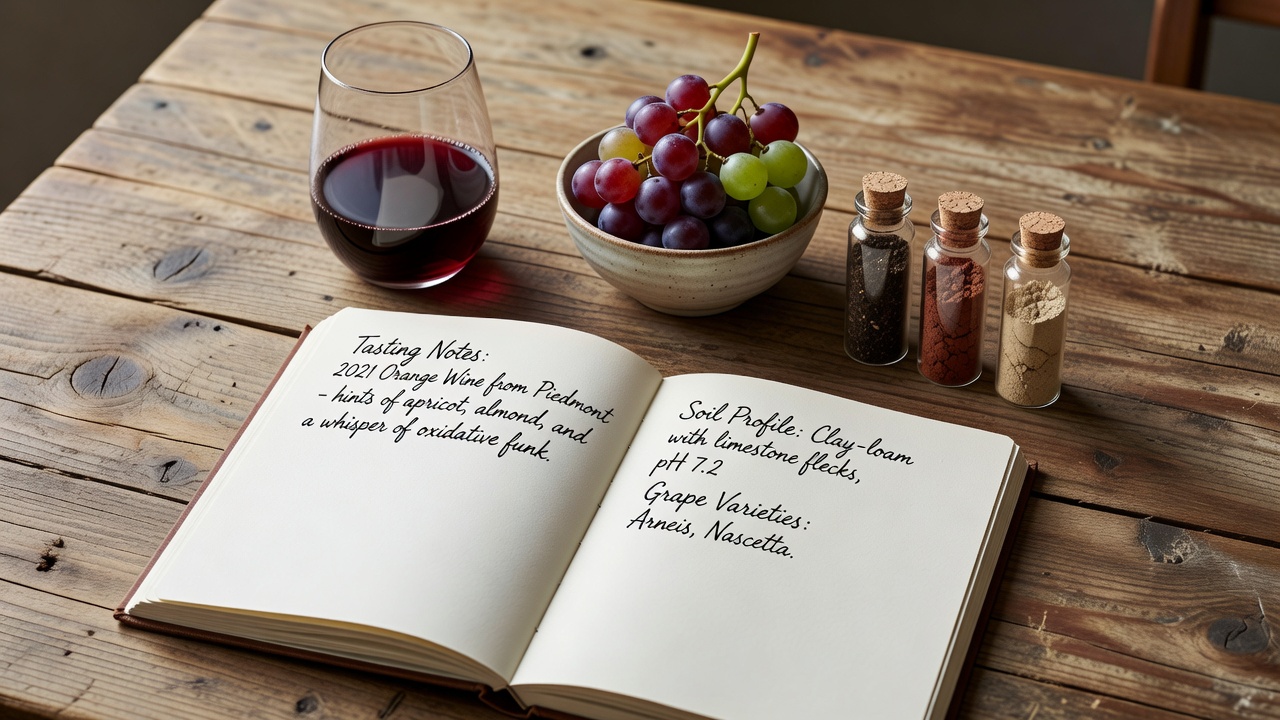
Natural wine enthusiasts are increasingly turning to structured journaling to deepen their appreciation of organic, biodynamic, and low-intervention wines. In a market where flavors evolve rapidly due to changing climate conditions and evolving producer practices, a well-kept journal helps track subtle differences, improve memory recall, and refine tasting skills over time. Whether you are new to natural wine or seeking more consistency in your evaluations, this guide provides practical steps to create an effective system tailored for 2026 tasting experiences. Journaling transforms casual sipping into a deliberate practice that builds long-term expertise and personal insight into the unique characteristics of these wines.
Many beginners find that without notes, they struggle to remember specific bottles or detect patterns across vintages. A journal addresses this by creating a personal database of experiences. It also encourages mindfulness during tastings, allowing you to slow down and engage all senses fully. In 2026, with increased interest in sustainable and transparent wine production, documenting these details supports informed choices and fosters a deeper connection to the land and methods behind each bottle.
Choosing the Right Format for Your Journal
Decide between a physical notebook or a digital app based on your lifestyle and preferences. Paper journals offer tactile satisfaction and encourage slower, more mindful note-taking that many find meditative. They also eliminate screen distractions during tastings. Digital options allow easy searching, tagging, and photo uploads of labels or vineyard visits. Many tasters start with paper for the first few months before transitioning to apps for better organization. Authoritative resources like Decanter emphasize consistent documentation regardless of format, noting that the act of writing itself aids retention. Consider hybrid approaches where you photograph paper pages for digital backups.
Essential Sections to Include
Organize your journal into dedicated sections for maximum utility. Core areas should cover basic bottle information, sensory observations, and contextual details about vineyard practices. Expanding these sections ensures comprehensive coverage and helps avoid superficial entries.
- Bottle Basics: Producer name, vintage, grape varieties, region, alcohol percentage, and purchase date or source. Include price paid if relevant for value tracking.
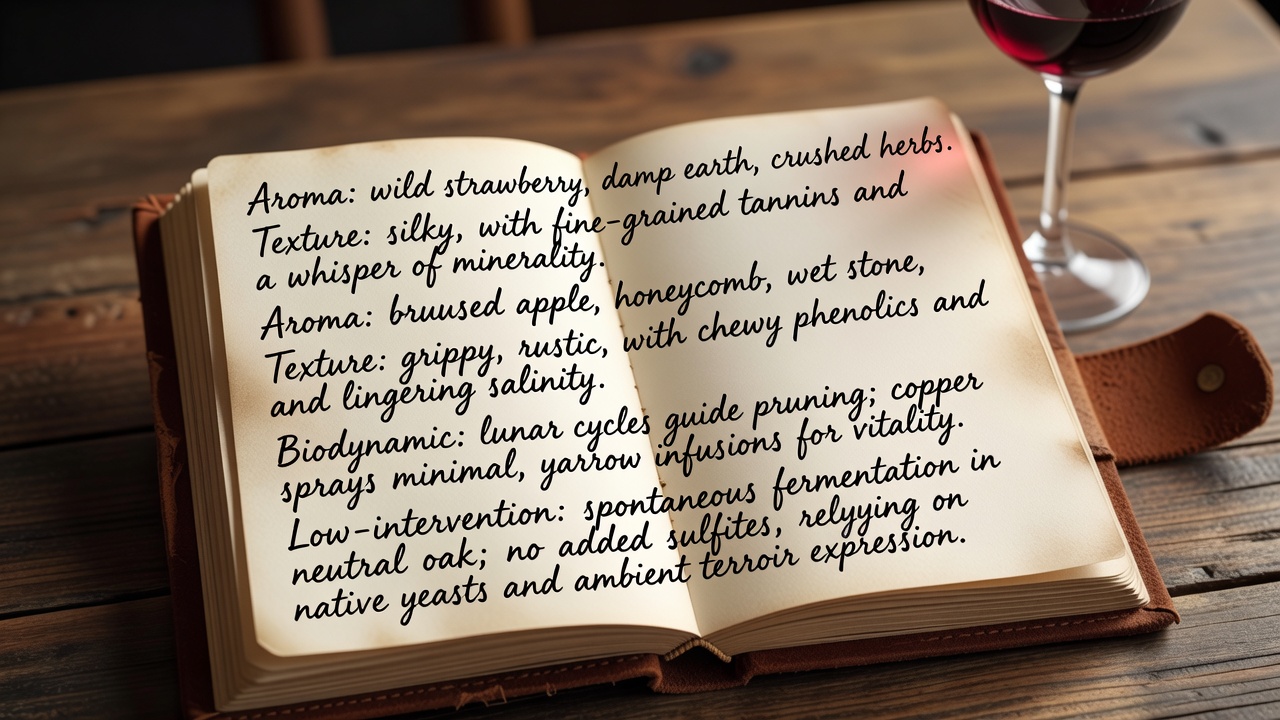
- Aroma Notes: Record primary, secondary, and tertiary aromas with intensity ratings on a scale of one to ten. Note how aromas evolve after swirling or decanting.
- Texture and Mouthfeel: Describe tannin structure, acidity levels, body, carbonation if present, and finish length in seconds.
- Producer and Vineyard Details: Note farming methods such as biodynamic certification, organic status, minimal sulfur use, or wild yeast fermentation.
- Overall Impression and Rating: Assign a personal score and note food pairing suggestions or aging potential.
Step-by-Step Setup Instructions
Follow these detailed steps to launch your journal effectively. First, select a durable notebook with quality paper or choose a reliable app and dedicate the first pages to an index or table of contents. Next, create reusable templates with prompts for each section to ensure consistency across entries. Prepare a glossary page for your evolving tasting vocabulary to standardize language. Then, taste a benchmark bottle such as a well-known natural Pinot Noir and fill every field completely without rushing. Review entries weekly to spot patterns in your preferences and identify areas for improvement. Finally, add a yearly summary page to track overall progress in tasting acuity and revisit favorite producers. Revisit and refine your template every three months based on what information proves most valuable.
Sample Templates and Comparative Examples
Here is a detailed template example for a biodynamic bottle: Producer: Domaine X, Vintage 2025, Grapes: Pinot Noir, Region: Burgundy, Alcohol: 12.5%. Aromas: Primary red cherry and raspberry with secondary forest floor and leather notes, tertiary hints of mushroom at intensity 7/10. Texture: Silky tannins, bright acidity at 8/10, medium body, long finish of 45 seconds. Vineyard: Certified biodynamic with cover crops and compost preparations, no added sulfites. Overall: Elegant and vibrant, pairs well with roasted poultry. Compare this to a low-intervention entry: Producer: Farm Y, Vintage 2025, Grapes: Cabernet Franc, Region: Loire, Alcohol: 13%. Aromas: Primary blackcurrant and bell pepper, secondary herbal notes and wet stone, tertiary earth at intensity 6/10. Texture: Grippy tannins, vibrant acidity at 9/10, fuller body, medium finish of 30 seconds. Vineyard: Organic with wild yeast fermentation only and minimal intervention in the cellar. Side-by-side entries reveal how biodynamic wines often show more lifted aromatics and refined texture while low-intervention styles emphasize raw fruit purity and earthy depth. Use these comparisons to train your palate to distinguish production philosophies.
Tips for Tracking Vineyard Practices
Document specific details like cover cropping, compost use, lunar cycle harvesting, or hand harvesting to connect practices with flavor outcomes. Note any certifications or lack thereof and how they influence perceived quality. Cross-reference with resources from Wine Magazine for deeper context on regional trends. Over time, patterns emerge that guide future purchases and deepen your understanding of natural wine production methods. Include photos of vineyard maps or producer websites when possible to enrich entries.
Building Your Tasting Vocabulary
Develop a personal lexicon by listing common descriptors and their meanings. Practice with reference standards such as smelling jars of spices or fruits. This prevents repetitive notes and improves precision. Review past entries to expand your range of terms and avoid vague descriptions like simply writing fruity.
Reviewing and Reflecting on Your Entries
Set aside time monthly to reread older notes and compare them with recent tastings of similar wines. This reflection highlights how your palate has evolved and identifies consistent favorites or areas needing more exploration. Consider creating summary charts for grape varieties or regions to visualize trends.
Overcoming Common Challenges
Maintain note consistency by setting tasting reminders and using the same descriptors each session. For digital versus paper debates, hybrid approaches work best: photograph paper pages for backup. Beginners often struggle with vague notes, so start with objective scales like acidity from 1-10 before adding subjective impressions. If motivation wanes, join online communities or tasting groups to share entries and gain accountability.
Frequently Asked Questions
How often should I update my journal?
Update after every tasting session to capture fresh impressions accurately before details fade.
Can I include food pairings in the journal?
Yes, noting pairings helps identify complementary dishes and refines overall wine knowledge for future recommendations.
What if I forget details days later?
Focus on key anchors like dominant aromas immediately after tasting to aid later recall and fill in secondary details later if possible.
Should I rate wines numerically?
Yes, but pair ratings with written justification to avoid relying solely on numbers that may not capture nuance.
Conclusion
Creating a natural wine journal transforms casual sipping into intentional learning that pays dividends in improved skills and enjoyment. By implementing structured sections, comparative examples, consistent tracking of vineyard practices, and regular reflection, you will notice measurable improvements in tasting precision throughout 2026 and beyond. Start today with one bottle and build the habit gradually for lasting results.
No comments yet. Be the first!