 Uncorked Conversations
Introduction to Aging Natural Wines
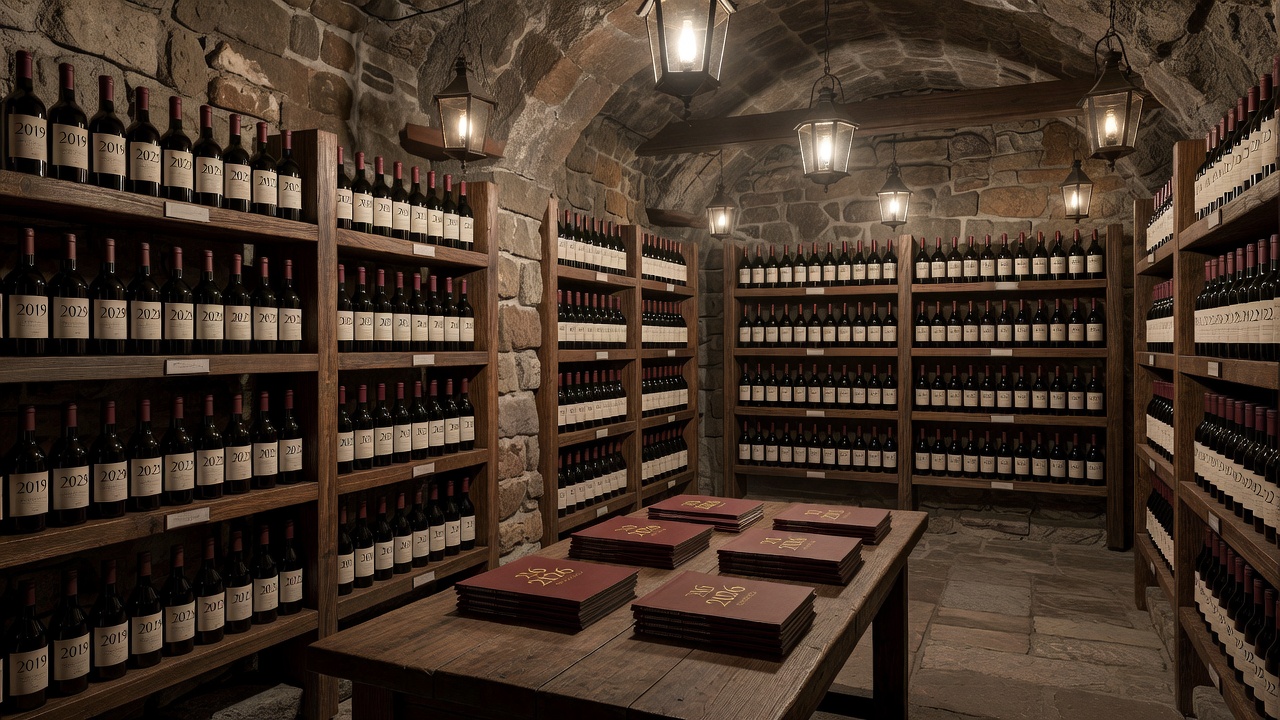
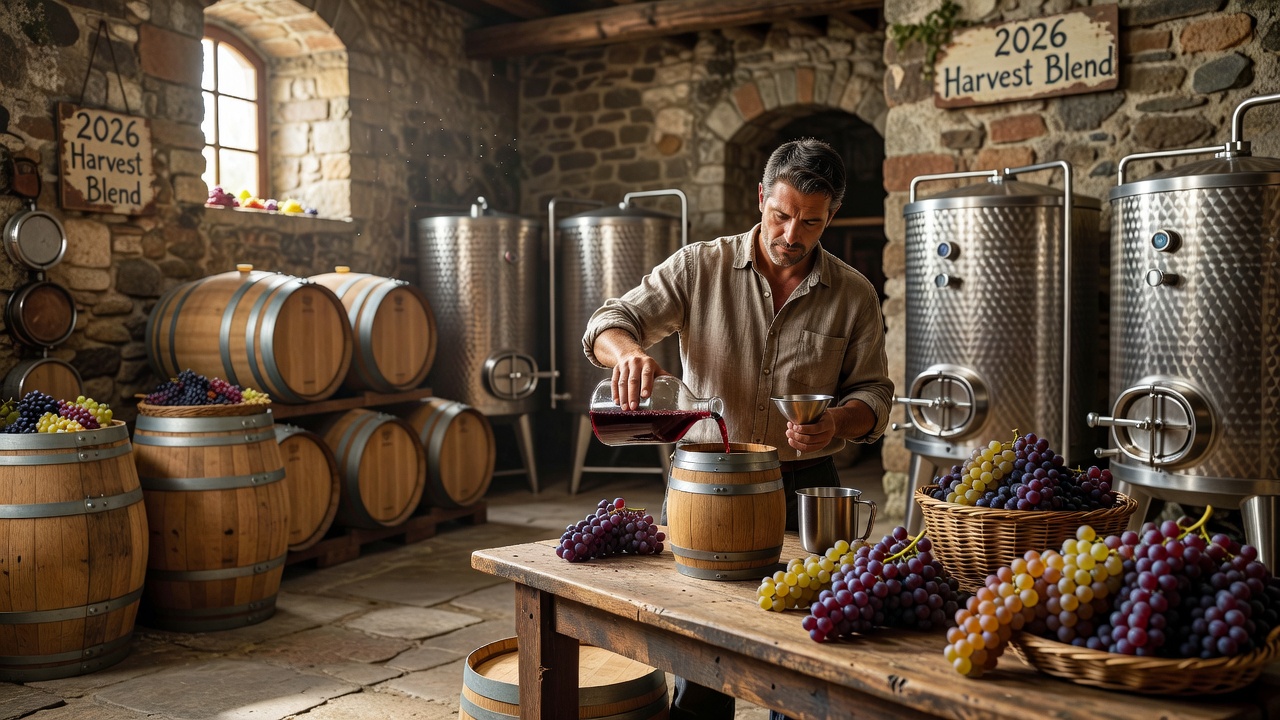
Natural wines, produced with minimal additives and interventions, offer unique aging potential compared to conventional wines. In 2026, enthusiasts are building cellars focused on organic, biodynamic, and low-intervention bottles that evolve gracefully when stored correctly. Understanding their distinct fermentation processes helps maximize quality and value over time. These wines often skip commercial yeasts, added sulfites, and fining agents, resulting in living liquids that continue to transform in the bottle in unpredictable yet rewarding ways. This guide provides in-depth practical advice tailored for 2026 collectors seeking to preserve and enhance these qualities.
Key Differences in Aging Potential
Conventional wines often include added sulfites and fining agents that stabilize them for longer shelf life. Natural wines rely on native yeasts and minimal sulfur, leading to earlier drinkability windows but also complex evolution. This results in wines that can develop nuanced flavors faster yet require careful monitoring to prevent faults. The absence of stabilizers means natural wines are more sensitive to oxygen exposure after bottling, which can either enhance tertiary aromas or lead to premature decline. Biodynamic and organic practices further influence aging by promoting higher natural acidity and phenolic maturity in the grapes, creating structures that support longer cellaring when conditions are optimal.
Ideal Storage Conditions for Natural Wines
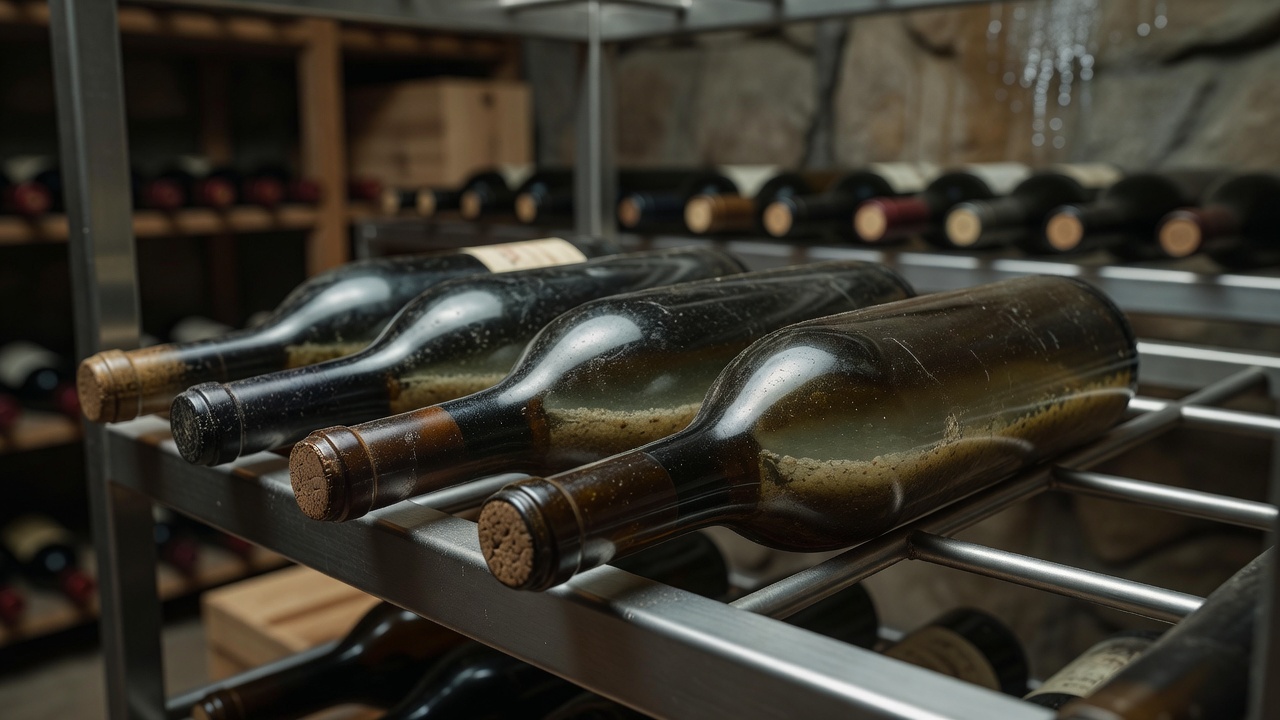
Store bottles at a consistent 55°F (13°C) with 60-70% humidity. Avoid light exposure and vibrations. Use a dedicated wine fridge or cellar with proper racks. These conditions preserve the delicate balance of natural acidity and tannins. Temperature stability is critical because fluctuations can cause the wine to expand and contract, pushing it against the cork and inviting oxygen. Humidity prevents corks from drying out, while darkness protects against UV damage that can degrade delicate pigments and aromas. For home setups, consider investing in vibration-dampening shelves and hygrometers to track conditions daily. Alternatives like under-stair storage or converted closets work if properly insulated and monitored year-round.
Bottle Selection Criteria
Choose bottles with sturdy corks, higher acidity, and balanced tannins. Look for producers known for age-worthy natural wines like those from the Loire Valley or Piedmont. Avoid overly funky bottles if long-term aging is the goal. Examine labels for harvest dates, alcohol levels around 12-13.5 percent, and mentions of minimal sulfur. Seek out varieties with thick skins and natural structure such as Cabernet Franc, Syrah, or Chenin Blanc. Research producer reputation through tasting notes from recent vintages to gauge consistency. Prioritize bottles from cooler climates where grapes retain vibrant acidity, a key factor for graceful aging in natural styles.
Timeline Expectations
Most natural wines peak between 3-8 years. Whites like Chenin Blanc may age 5-10 years, while reds like Cabernet Franc reach maturity in 4-7 years. Track vintages carefully for optimal drinking windows. Factors such as vintage weather, fermentation length, and residual sugar influence these timelines. For instance, a high-acidity 2023 vintage may outlast a riper 2022. Always cross-reference with community reports from natural wine forums to refine expectations for specific cuvées.
Real-World Examples of Age-Worthy Varietals
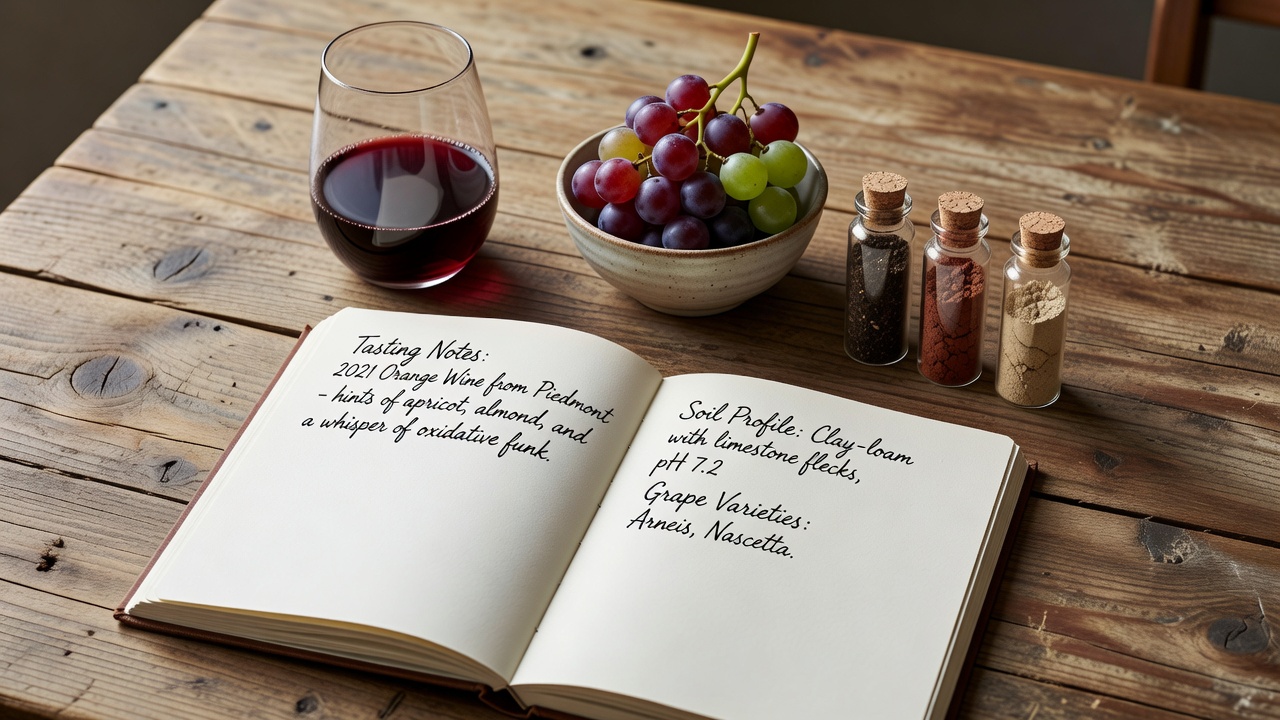
Try aging 2022 Loire Valley natural Chenin Blanc or 2021 Piedmont Barbera from low-intervention producers. These develop honeyed notes and earthy complexity over time. Additional strong candidates include 2020 Jura reds from Trousseau grapes, which gain leather and forest floor character, and 2019 natural Rieslings from Alsace that evolve into petrol and dried apricot profiles. Experiment with small lots first to understand how your storage environment affects each style before committing larger quantities.
Practical Steps for Monitoring Wines
- Label bottles with vintage and expected peak year using archival tags.
- Sample every 12-18 months using a coravin or similar tool to minimize oxygen ingress.
- Record tasting notes on aroma, acidity, and structure changes in a dedicated journal or app.
- Adjust storage if oxidation signs appear early by checking seals and temperature logs.
- Compare multiple bottles from the same case at staggered intervals to map evolution patterns.
- Photograph labels and note any sediment development as an indicator of maturity.
Common Pitfalls to Avoid
- Overlooking temperature fluctuations that accelerate aging unevenly and cause bottle variation.
- Selecting high-pH wines prone to bacterial issues without sufficient natural acidity.
- Ignoring humidity leading to cork failure and leakage over multi-year periods.
- Expecting conventional wine longevity from all natural bottles, which often peak sooner.
- Storing near strong odors or chemicals that can permeate corks and taint flavors.
- Opening too many bottles at once instead of patient, spaced tastings.
Building Your 2026 Natural Wine Cellar
Start with a core of 50-100 bottles across multiple vintages and styles. Allocate space for both whites and reds, focusing on regions with proven track records. Rotate stock systematically and maintain an inventory spreadsheet that includes purchase dates and tasting schedules. This organized approach ensures you capture peak moments rather than missing them.
Comparing Natural vs Conventional Aging
Natural wines often reveal secondary and tertiary flavors earlier due to live microbes and lower sulfur, while conventional wines maintain primary fruit longer. The trade-off is greater risk but also more distinctive personality in the glass. Collectors who appreciate this unpredictability find natural wines more engaging for long-term cellaring projects.
FAQ: Oxidation Concerns and Tasting Evolution
How do I prevent oxidation in natural wines?
Use minimal headspace during storage and consider light sulfite additions if permitted by your natural wine philosophy. Monitor seals regularly and avoid unnecessary movement of bottles once placed in the cellar.
What flavor changes occur over time?
Expect primary fruit to shift to secondary notes like dried herbs, leather, and nuts. Acidity often softens while tannins integrate smoothly, creating a more harmonious mouthfeel after several years.
Can all natural wines be aged successfully?
Not every bottle is suited for long cellaring. High-quality examples with balanced structure perform best, while lighter, low-acid cuvées are better consumed within two to three years.
Conclusion
With the right approach, aging natural wines in 2026 delivers exceptional rewards. Focus on conditions, selection, and consistent monitoring to build a valuable cellar. For more on wine regions, explore Decanter, Wine Folly, and Wine Enthusiast.
No comments yet. Be the first!