 Uncorked Conversations
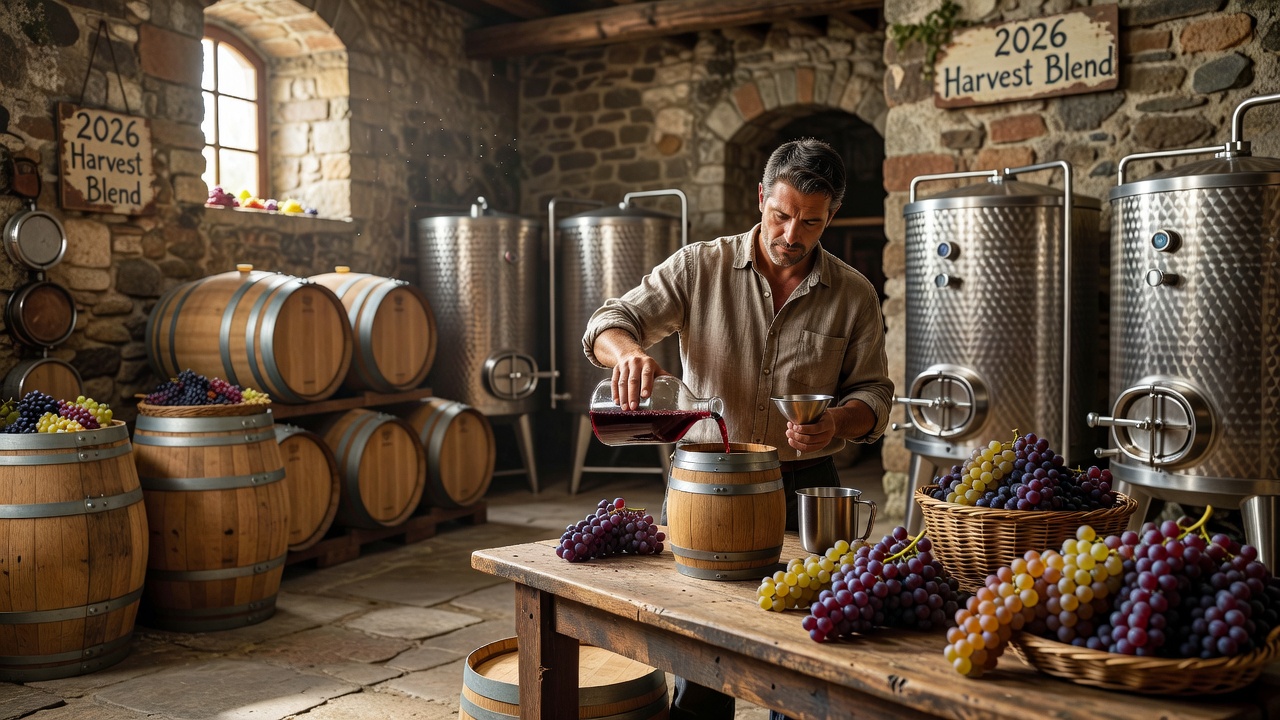
Introduction to Natural Wine Blending in 2026
Experienced winemakers and enthusiasts are turning to sophisticated blending techniques to create complex natural wines. This approach emphasizes organic, biodynamic, and low-intervention practices that highlight terroir while achieving balance and depth. Unlike conventional winemaking, natural blending avoids heavy manipulation, focusing instead on minimal additions and precise timing. In 2026 the natural wine movement continues to grow as consumers seek authentic expressions that reflect both vineyard and vintage without technological crutches.
Blending allows producers to combine grape varieties for enhanced aroma, acidity, and mouthfeel. Many home and small-scale winemakers adopt these methods to elevate their craft beyond basic production. The result is wines that tell a story of place while delivering consistent quality year after year. This guide explores every stage of the process in detail so readers can apply the techniques immediately.
Selecting Compatible Grape Varieties
Choosing the right grapes forms the foundation of successful natural blends. Varieties should complement each other in acidity, tannin, and flavor profiles. For example, pairing high-acid grapes like Riesling with softer varieties such as Pinot Noir can create harmony without added adjustments. In 2026 many producers also experiment with lesser-known grapes such as Schioppettino or Fumin to bring unique aromatic lift to traditional blends.
Consider climate and soil influences when selecting. Biodynamic principles encourage diversity in the vineyard, leading to grapes that naturally integrate well. Producers often experiment with co-fermentation of similar-ripening varieties to promote synergy during the process. A practical tip is to create small bench trials of three or four combinations before committing to larger volumes. This saves time and resources while revealing unexpected synergies between grapes grown on the same estate.
Timing Additions During Fermentation
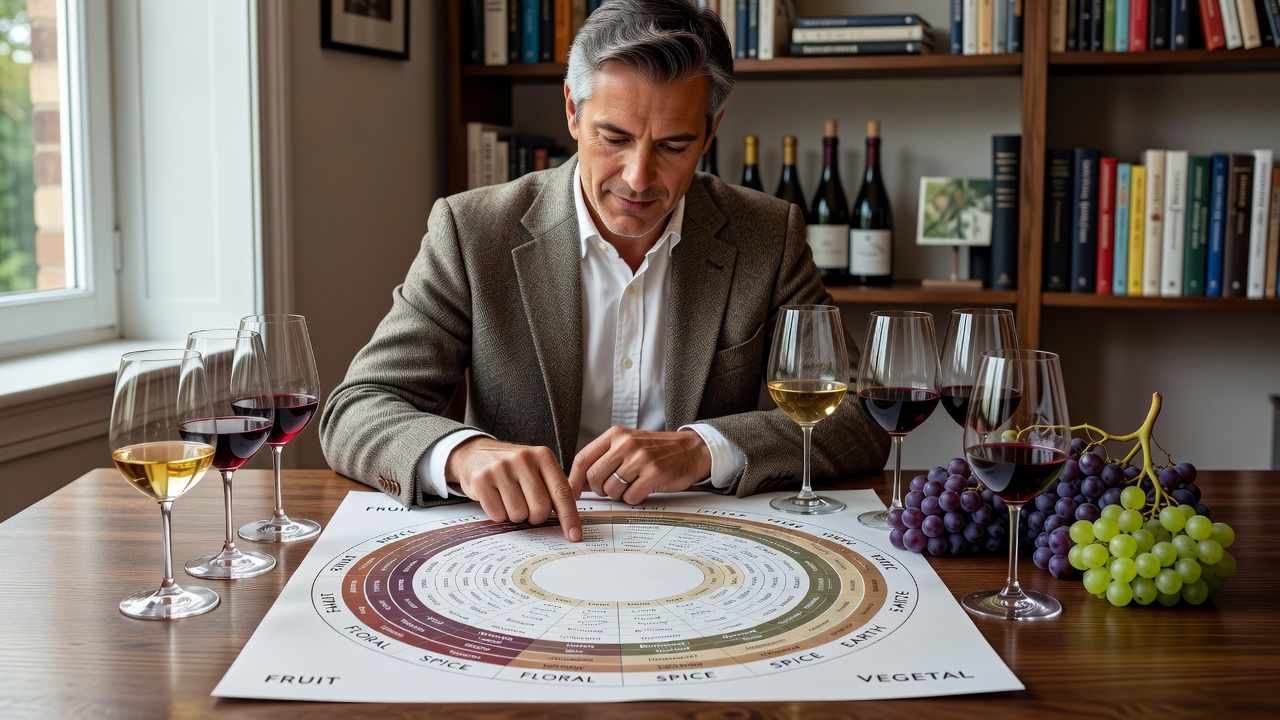
Precise timing of additions is critical in natural winemaking. Introduce components at key stages: early for primary fermentation to integrate flavors, or later for secondary fermentation to preserve freshness. Monitoring temperature and sugar levels helps determine optimal moments. Many 2026 producers now use daily sensory logs combined with simple refractometer readings to guide decisions rather than relying solely on laboratory data.
Step-by-step examples from real producers include starting with base ferments of dominant varieties, then adding secondary grapes after 48-72 hours to control extraction. Another common method is to ferment two varieties separately and blend them just before malolactic fermentation begins. This staged approach allows the winemaker to fine-tune the final profile while keeping intervention to a minimum. Temperature control between 18 and 22 degrees Celsius during this phase often yields the most expressive results.
Managing Oxidation Risks
Oxidation poses a significant challenge in low-sulfur natural wines. Techniques include using inert gas during transfers, maintaining full vessels, and employing reductive aging in stainless steel or concrete before blending. Some producers also incorporate small amounts of fresh lees stirring to protect against oxygen while adding texture.
Producers recommend tasting frequently during élevage to catch early signs. Protective measures like gentle racking and avoiding unnecessary oxygen exposure preserve vibrant fruit characteristics essential to natural styles. In practice this means planning every movement of the wine in advance and having all equipment sanitized and ready. A well-organized cellar workflow can reduce oxygen pickup by more than half compared with reactive winemaking.
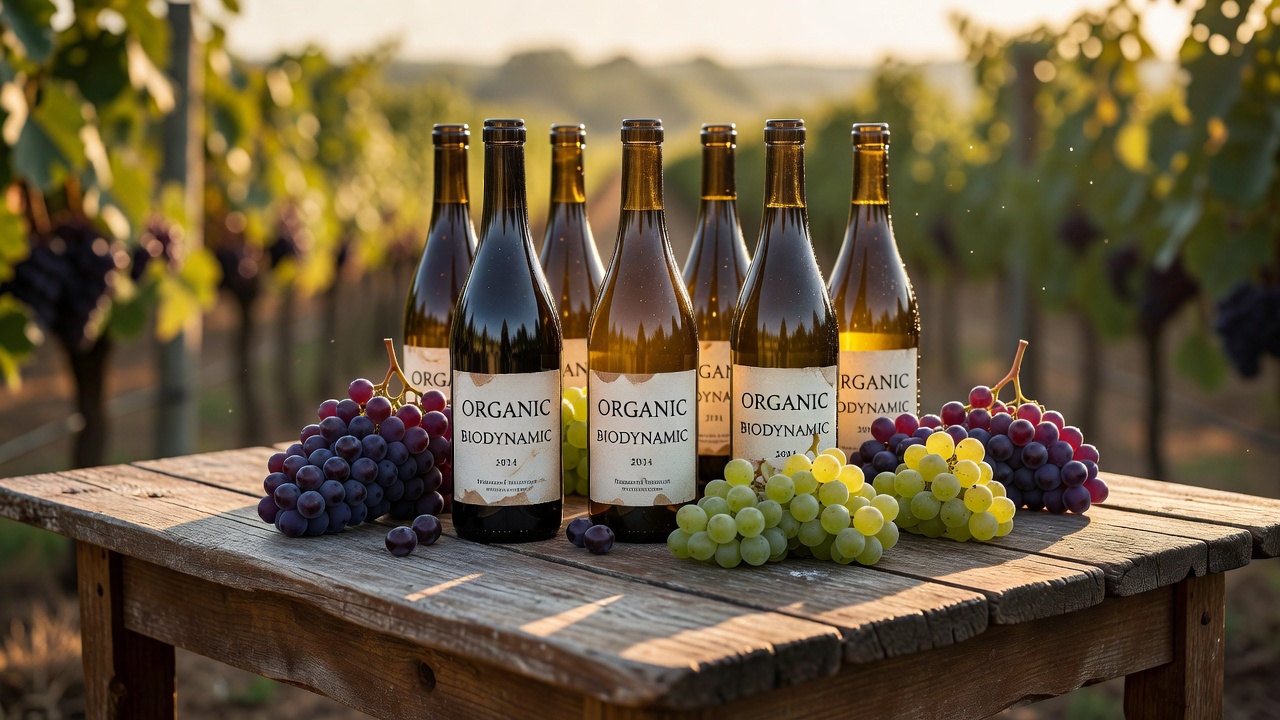
Using Minimal Sulfur Strategies
Minimal sulfur approaches focus on hygiene, healthy ferments, and strategic timing rather than high doses. Many 2026 natural wine producers add sulfur only at bottling, relying on antioxidants from grape skins or specific yeast strains. Maintaining clean equipment and cool storage conditions further reduces the need for additions throughout the year.
Successful strategies involve monitoring free SO2 levels closely and using alternatives like ascorbic acid in tiny amounts when needed. This preserves the living quality of the wine while ensuring stability. Some estates now experiment with botanical extracts such as rosemary or grape-seed tannin to provide additional protection. The key is to test stability at multiple points rather than applying a one-size-fits-all protocol.
Step-by-Step Blending Examples from Real 2026 Producers
One California producer blends 60% Grenache with 40% Mourvèdre after separate ferments, adding the Mourvèdre post-primary fermentation for structure. Another European biodynamic estate co-ferments Syrah and Viognier in small batches, adjusting ratios based on daily tastings. A third example comes from an Australian natural wine project that combines Cabernet Franc and Merlot in equal parts after both have completed malolactic fermentation, resulting in a wine with bright red fruit and supple tannins.
These examples demonstrate iterative tasting and adjustment, often resulting in wines with superior balance compared to single-varietal expressions. Each producer keeps detailed records of every decision so the process can be refined in future vintages.
Comparison of Successful Blends Versus Single-Varietal Wines
- Blends typically show greater aromatic complexity and better aging potential due to varied phenolic contributions.
- Single-varietal wines offer purity but may lack the layered texture found in well-executed blends.
- Acidity and tannin balance improve in blends, reducing the need for interventions.
- Market reception in 2026 favors blends for their storytelling around vineyard diversity and sustainability.
- Blind tasting panels frequently rate well-made blends higher for overall drinkability and food-pairing versatility.
Practical Steps for Home Winemakers
- Start with small experimental batches of compatible varieties grown under organic or biodynamic practices.
- Track fermentation data meticulously using simple tools such as hydrometers and pH strips.
- Conduct bench trials before scaling up blends to avoid costly mistakes.
- Focus on cleanliness at every stage to minimize oxidation and microbial risks.
- Document every addition and tasting note so successful formulas can be repeated.
- Age samples in different vessel types to understand how oak, concrete, or stainless steel influence the final blend.
Common Mistakes to Avoid
Many beginners blend too early or too late, missing the ideal window for integration. Others overlook the importance of vessel sanitation, leading to spoilage. Always taste the components individually before blending and allow the finished wine to rest for several weeks before final judgment.
FAQs on Common Challenges
How do I adjust acidity in natural blends?
Use high-acid components early or consider natural malolactic fermentation control through temperature management rather than additives. In some cases a small portion of unripe grapes added at harvest can provide natural acidity without chemical intervention.
What stability testing methods work best?
Regular sensory evaluation combined with basic lab checks for pH, alcohol, and residual sugar ensures long-term stability without heavy intervention. Many home winemakers also perform simple heat and cold stability tests using household refrigerators and ovens.
How can I scale blending from home to commercial volumes?
Begin with 5-10 liter trials and gradually increase while maintaining the same ratios and timing. Record all variables so the process remains reproducible at larger scales.
Conclusion
Mastering natural wine blending in 2026 requires attention to detail, respect for the grapes, and a commitment to minimal intervention. By focusing on variety selection, timing, oxidation control, and sulfur management, both professionals and enthusiasts can create outstanding wines that reflect their unique vision. Explore these techniques to unlock new dimensions in your winemaking journey. For further reading on biodynamic practices, visit Demeter. Additional resources on organic winegrowing are available at Wine Institute.
No comments yet. Be the first!