 Uncorked Conversations
Introduction to Natural Wine Marketing in 2026
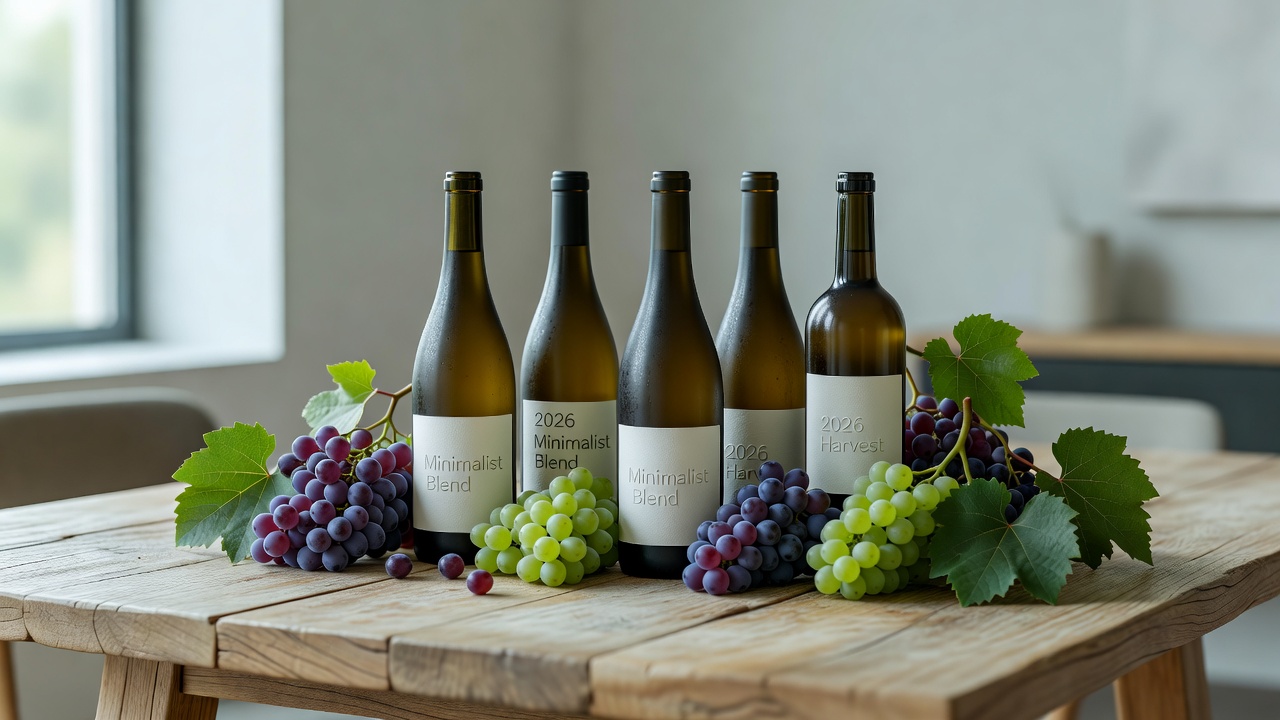
Natural wine brands are capturing attention among younger consumers who prioritize authenticity, sustainability, and transparency. In 2026, marketing these low-intervention wines requires a shift from traditional approaches to strategies that emphasize storytelling and community building. This article explores proven tactics tailored for Gen Z and millennials, covering digital methods, influencer partnerships, and experiential activations that drive engagement and sales. Natural wines, defined by minimal intervention in both vineyard and cellar, appeal to consumers seeking alternatives to mass-produced options. Brands that effectively communicate their commitment to organic farming, biodynamic principles, and low-intervention techniques can build loyal followings in a competitive market.
Understanding Gen Z and Millennial Wine Consumers
Gen Z and millennials seek wines that align with their values around environmental responsibility and ethical production. These demographics research brands online extensively before purchasing and favor products with clear narratives about farming practices and minimal additives. Brands must highlight biodynamic and organic certifications to build trust. Research shows that sustainability messaging resonates strongly when paired with visual content showcasing vineyard biodiversity. Younger consumers often prioritize experiences over ownership, making community-driven marketing essential. They respond well to brands that address climate change impacts on viticulture and demonstrate measurable efforts toward carbon reduction. Understanding these preferences allows marketers to craft messages that feel personal rather than promotional.
Digital Storytelling Techniques
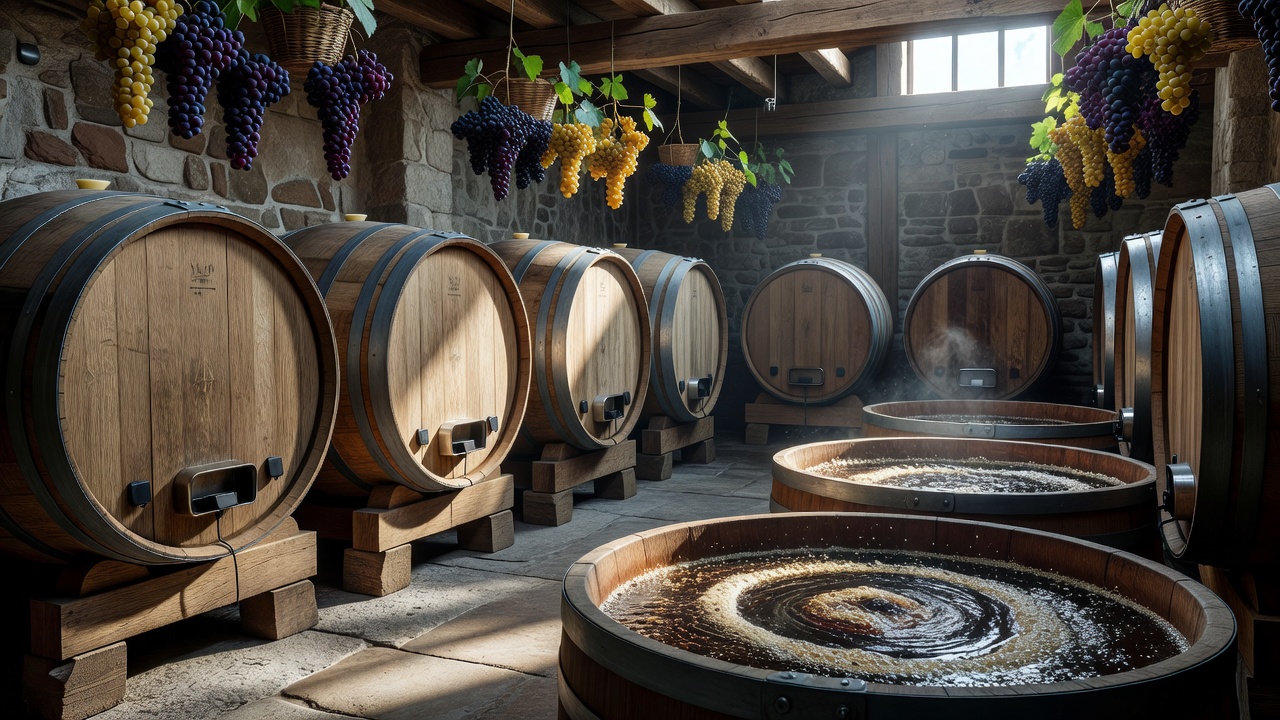
Effective digital storytelling begins with behind-the-scenes videos of harvest and fermentation processes. Use platforms like Instagram Reels and TikTok to share short clips explaining how natural wines differ from conventional ones. Incorporate user-generated content by encouraging consumers to post their tasting experiences with branded hashtags. This approach fosters authenticity and extends reach organically. Develop a narrative arc across multiple posts, such as following a single vineyard from pruning to bottling. Include interviews with winemakers discussing challenges like weather variability and how low-intervention methods preserve terroir. Email newsletters can deepen engagement by delivering extended stories and exclusive updates to subscribers.
Social Media Campaigns That Convert
Targeted social campaigns should focus on platforms where younger audiences spend time. Create carousel posts comparing flavor profiles of natural wines to popular alternatives. Run paid ads with lookalike audiences based on existing customers interested in organic products. Integrate polls and quizzes to boost interaction rates. 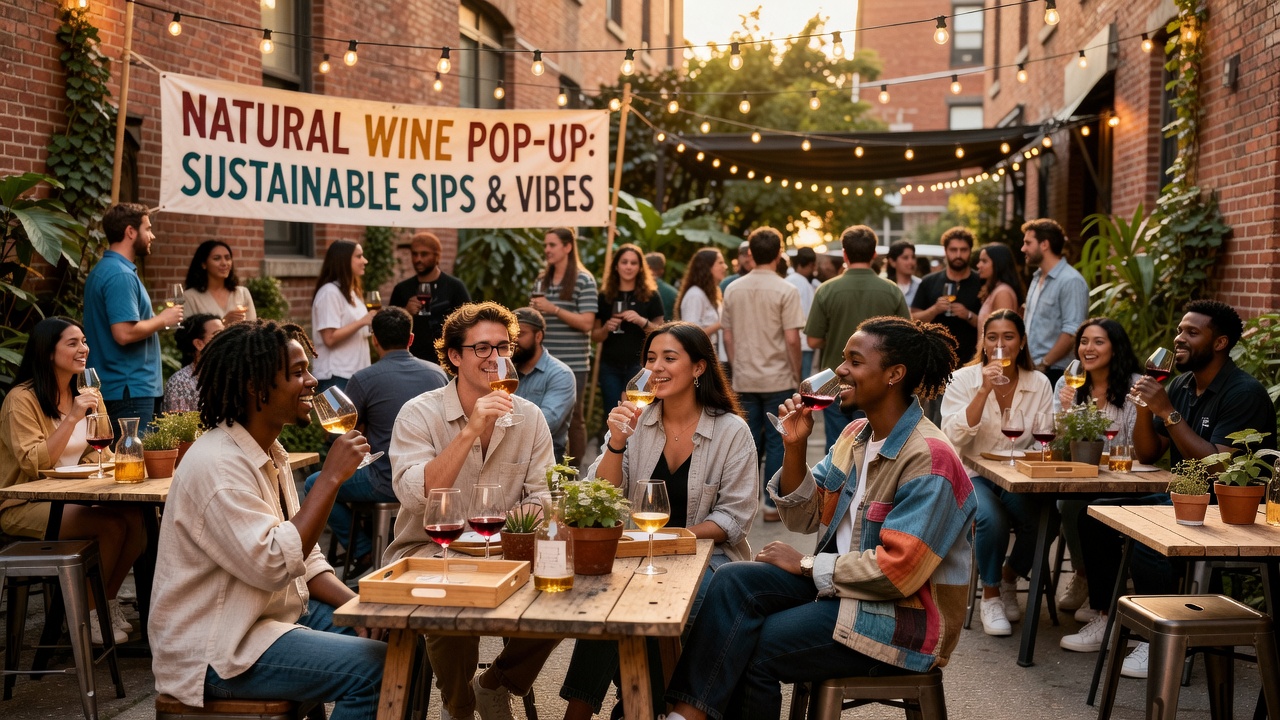
Influencer Collaborations for Authentic Reach
Partner with micro-influencers in the food and beverage niche who already discuss sustainable living. These creators often achieve higher engagement than macro-influencers because their audiences trust their recommendations. Provide influencers with samples and encourage honest reviews rather than scripted promotions. Track performance through unique discount codes to measure direct impact on conversions. Identify partners by reviewing engagement rates on posts about organic food or eco-friendly travel. Offer co-creation opportunities, such as joint virtual tastings, to strengthen relationships and generate fresh content.
Sustainability Messaging That Resonates
Communicate sustainability efforts through clear, jargon-free language. Highlight regenerative farming practices and low-intervention winemaking without overwhelming consumers with technical details. Link to authoritative resources such as USDA organic guidelines for credibility. Visuals of carbon-neutral packaging and wildlife-friendly vineyards strengthen emotional connections. Expand messaging to cover water conservation techniques and biodiversity initiatives, referencing guidelines from EPA sustainable agriculture resources. Share third-party certifications prominently to avoid greenwashing accusations.
Successful Brand Case Studies
One standout example is a California natural wine producer that grew its millennial following by 40% through a year-long content series on soil health. Another European brand leveraged pop-up events in urban markets to introduce biodynamic options, resulting in repeat purchases via email follow-ups. A third case involves an Australian winery that used TikTok challenges focused on zero-waste packaging, driving significant website traffic. These cases demonstrate the power of combining online narratives with offline experiences and adapting to platform-specific trends.
SEO-Optimized Content Ideas
Develop blog posts targeting long-tail keywords like "best natural wines for summer 2026" and "how biodynamic wine is made." Optimize product pages with schema markup for reviews and FAQs. Create downloadable guides on pairing natural wines with plant-based meals to capture email leads. Regularly update content to reflect seasonal trends and maintain search visibility. Incorporate internal linking to related topics such as wine regions and beginner guides. Consider guest contributions from sommeliers to boost authority and diversify perspectives on low-intervention techniques.
Experiential Events Like Pop-Up Tastings
Host intimate pop-up tastings in cities with high concentrations of target consumers. Partner with local restaurants or art galleries for unique venues. Include educational elements such as blind tastings and discussions on low-intervention methods. Follow up with attendees via personalized emails offering online purchase discounts to convert interest into sales. Plan events around seasonal themes, like harvest celebrations, and collect feedback through quick digital surveys. Collaborate with complementary brands, such as artisanal cheese makers, to enhance the experience and cross-promote.
Comparing Traditional and Innovative Tactics
Traditional wine marketing often relies on trade shows and print ads aimed at older demographics. In contrast, innovative low-intervention tactics emphasize direct-to-consumer digital channels and community events. Brands adopting the latter see faster growth among younger buyers because they prioritize transparency over polished advertising. The key difference lies in fostering two-way conversations rather than one-way messaging. Traditional methods may still support brand awareness at scale, but they require integration with digital tools to remain relevant in 2026.
Practical Steps for Implementation
- Audit current brand messaging for alignment with natural wine values and update visuals accordingly.
- Develop a content calendar focused on 2026 trends like regenerative agriculture and climate-resilient viticulture.
- Test small influencer campaigns before scaling, starting with three to five partners.
- Measure engagement metrics weekly and adjust based on data from platform insights tools.
- Integrate sustainability certifications into all visual assets and website copy.
- Train customer service teams to answer questions about natural wine production processes.
FAQ: Measuring ROI on Natural Wine Marketing
How do you calculate return on influencer partnerships? Track referral traffic and code redemptions alongside brand lift surveys conducted quarterly. What metrics matter most for social campaigns? Focus on engagement rate, video completion, and attributed website visits from UTM parameters. How often should ROI be reviewed? Conduct monthly analyses with quarterly deep dives to refine strategies effectively. Which tools help track long-term brand sentiment? Use social listening platforms and Google Analytics to monitor mentions and referral patterns over time.
Conclusion
Marketing natural wine brands successfully in 2026 demands authentic connections through digital and experiential channels. By focusing on Gen Z and millennial preferences for sustainability and storytelling, brands can differentiate themselves in a competitive market. Implementing these strategies with consistent measurement will position natural wine producers for sustained growth and deeper consumer relationships.
No comments yet. Be the first!