 Uncorked Conversations
Introduction: A New Era for Natural Wine
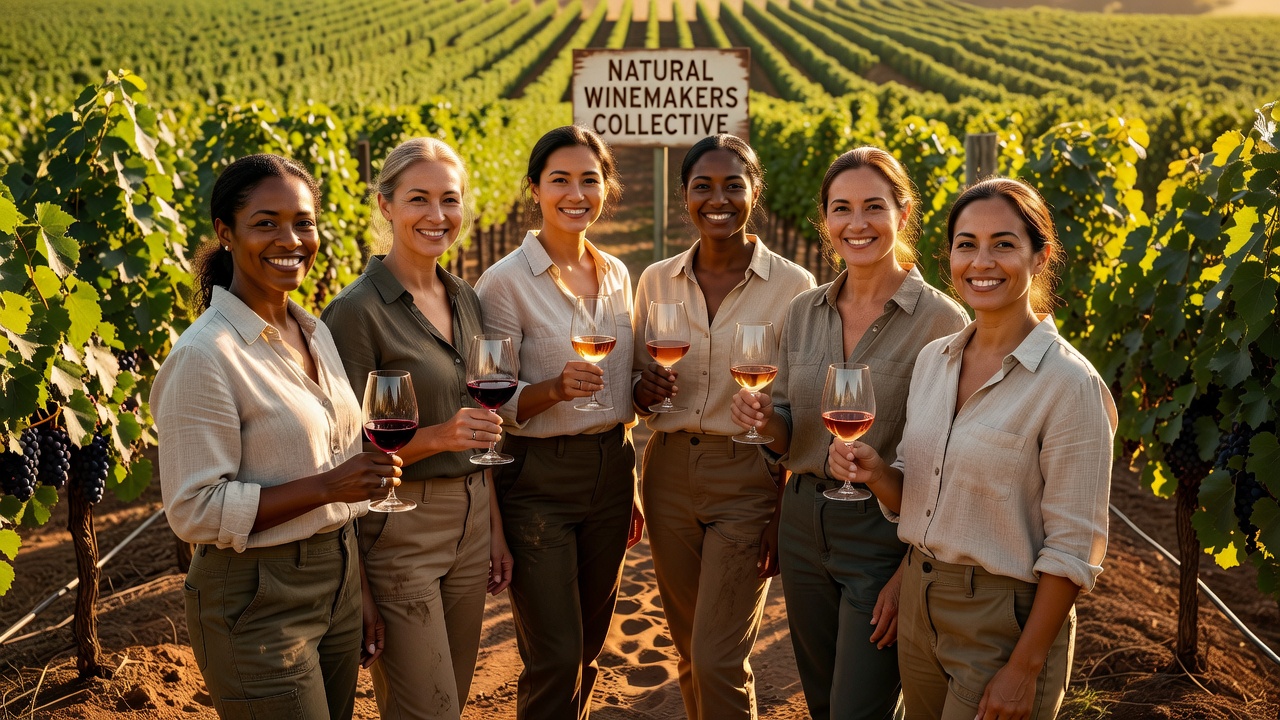
The natural wine movement has evolved significantly by 2026, with women at the forefront of innovation in low-intervention winemaking. These pioneers emphasize sustainability, biodiversity, and authenticity, challenging traditional industry norms while producing exceptional wines. Their work addresses growing consumer demand for transparent, environmentally responsible options that reflect the true character of the land. In an era where climate change and consumer awareness intersect, female-led estates are demonstrating how thoughtful practices can yield both superior quality and measurable ecological benefits. This forward-looking perspective highlights not only individual achievements but also the collective shift toward regenerative agriculture that prioritizes soil vitality over short-term yields.
Key Philosophies Driving Change
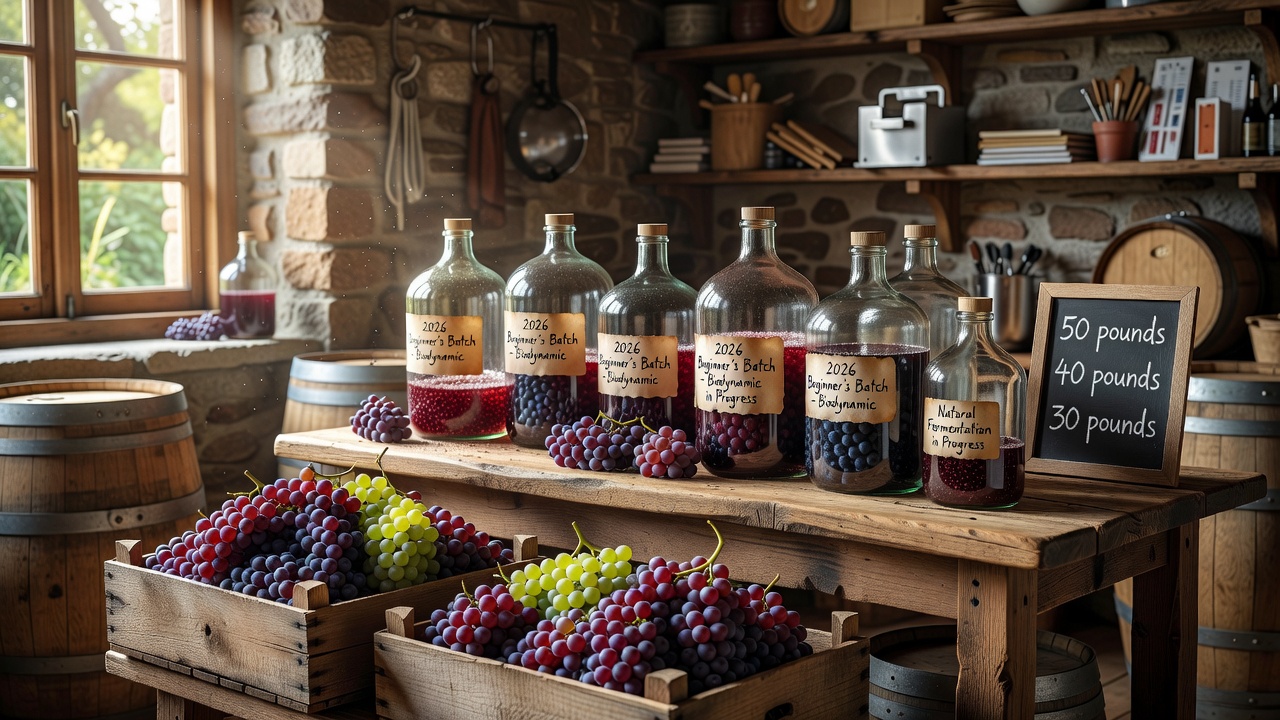
Female winemakers often integrate holistic approaches that prioritize soil health and minimal additives. Many draw from biodynamic principles, viewing the vineyard as a living ecosystem where lunar cycles and herbal preparations guide decisions. This philosophy fosters resilience against pests and diseases without synthetic interventions. Unlike conventional winemaking that relies on chemical fertilizers and heavy filtration to achieve uniformity, these women champion spontaneous fermentations using native yeasts. The result is wines with distinctive textures and aromas that evolve uniquely from vintage to vintage. By 2026, such methods have gained traction as data from long-term studies show improved microbial diversity in soils managed this way, leading to grapes that better express their terroir.
Case Studies from Three Regions
Loire Valley, France
In the Loire Valley, producers focus on Chenin Blanc and Cabernet Franc with native yeast fermentations. Their techniques yield vibrant, terroir-driven expressions that highlight the region's limestone soils. These winemakers often employ manual harvesting and gentle pressing to preserve delicate flavors, avoiding the aggressive clarification common in industrial settings. One standout approach involves aging in neutral oak or concrete eggs to allow micro-oxygenation without overpowering the fruit. This has led to wines that pair exceptionally well with local cuisine, from fresh river fish to goat cheeses, while supporting biodiversity through cover cropping and hedgerow planting that attracts beneficial insects.
Sicily, Italy
Sicilian women-led estates champion ancient varieties like Nerello Mascalese using amphora aging. This method preserves natural acidity and fruit purity without modern interventions such as added enzymes or stabilization agents. The volcanic soils of the region provide a unique mineral backbone, and these producers enhance it through minimal sulfur additions at bottling only. Practical examples include co-fermenting with local herbs or using whole-cluster pressing to introduce subtle tannins. Their impact extends beyond the bottle, as many estates have restored abandoned terraces, preventing erosion and preserving cultural heritage while creating habitats for native wildlife.
Willamette Valley, Oregon
Oregon's Pinot Noir specialists employ regenerative farming to combat climate variability. Their low-sulfur approaches result in expressive reds that age gracefully, often developing secondary notes of earth and spice over time. Techniques here include compost teas brewed on-site and sheep grazing between rows to naturally fertilize and control weeds. These practices have proven effective in mitigating the effects of warmer growing seasons, maintaining balanced acidity levels that conventional irrigation-heavy methods sometimes struggle to achieve. Consumers seeking these wines appreciate their purity and the stories of stewardship behind each vintage.
Techniques Compared to Conventional Winemaking
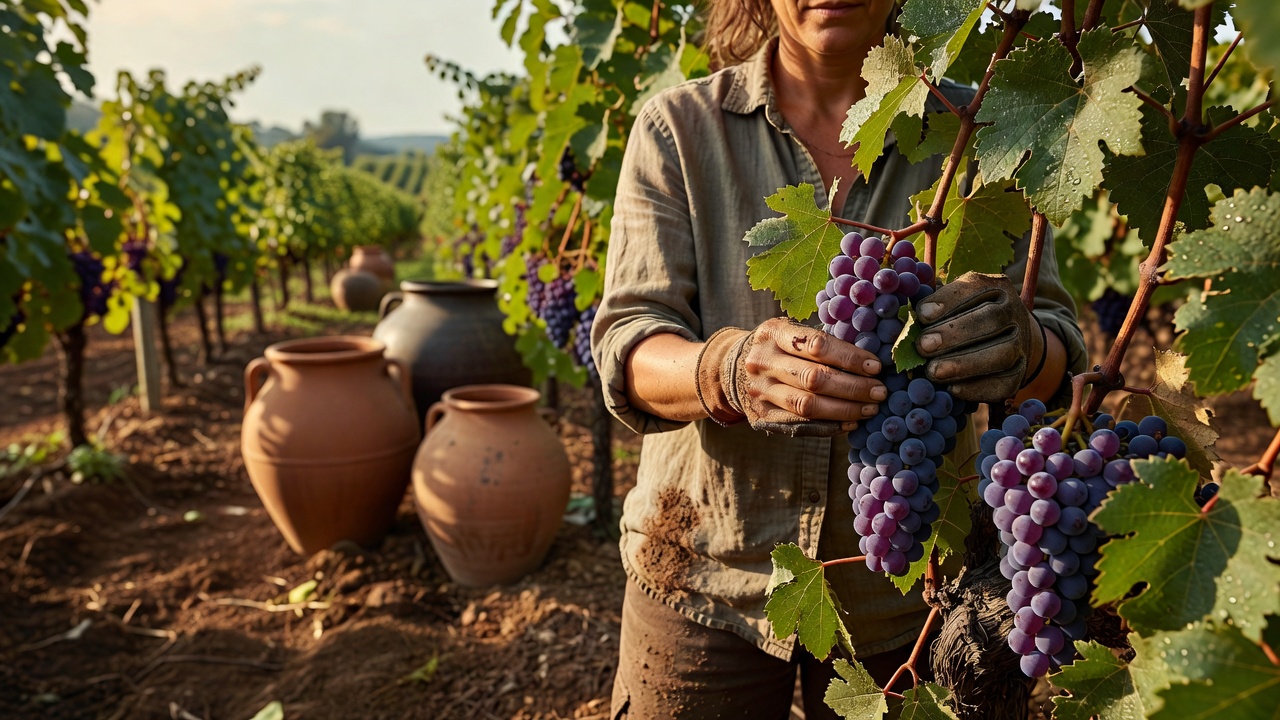
When examining natural versus conventional methods, clear differences emerge in both process and outcome. Natural winemakers avoid added sulfites and commercial yeasts, fostering unique microbial profiles that contribute to complex flavor development. In contrast, conventional practices often include chaptalization and fining agents for consistency and extended shelf life, which can mask regional nuances. Biodynamic calendars guide planting and harvesting in natural operations, enhancing resilience through timing aligned with natural rhythms rather than mechanical schedules. Additional comparisons reveal that natural approaches typically result in lower water usage and reduced carbon footprints, as documented in agricultural reports. Consumers benefit from wines that evolve in the glass, offering layered aromas absent in highly processed alternatives.
Measurable Impacts on Sustainability and Quality
By 2026, the efforts of these women have produced tangible results, including increased pollinator populations and improved water retention in soils. Quality metrics show higher phenolic ripeness without over-extraction, leading to balanced wines that require less correction during production. Studies from government bodies underscore how organic and biodynamic vineyards sequester more carbon, contributing to broader climate goals. These impacts extend to community levels, where knowledge-sharing workshops empower neighboring farms to adopt similar practices, amplifying regional sustainability.
Overcoming Challenges in a Male-Dominated Field
Women in natural wine frequently navigate access barriers to land and capital. By 2026, collaborative networks and mentorship programs have helped amplify their voices, leading to measurable gains in vineyard diversity and community-supported agriculture. Challenges such as limited representation in industry awards or distribution channels persist, yet these leaders counter them through direct-to-consumer sales and educational events that build loyal followings. Their resilience inspires a new generation, fostering inclusivity that strengthens the overall movement.
Practical Advice for Consumers
Seek certifications like Demeter for biodynamics or look for producers who list all vineyard practices online. Visit farmers' markets or join natural wine clubs to sample small-batch releases. Pair these wines with seasonal, vegetable-forward dishes to appreciate their purity. Mistakes to avoid include assuming all natural wines are cloudy or unstable; many are carefully crafted for clarity and aging potential. Start by researching regional associations and attending tastings focused on low-intervention styles. This approach ensures informed choices that support ethical production.
Standout Bottles to Explore in 2026
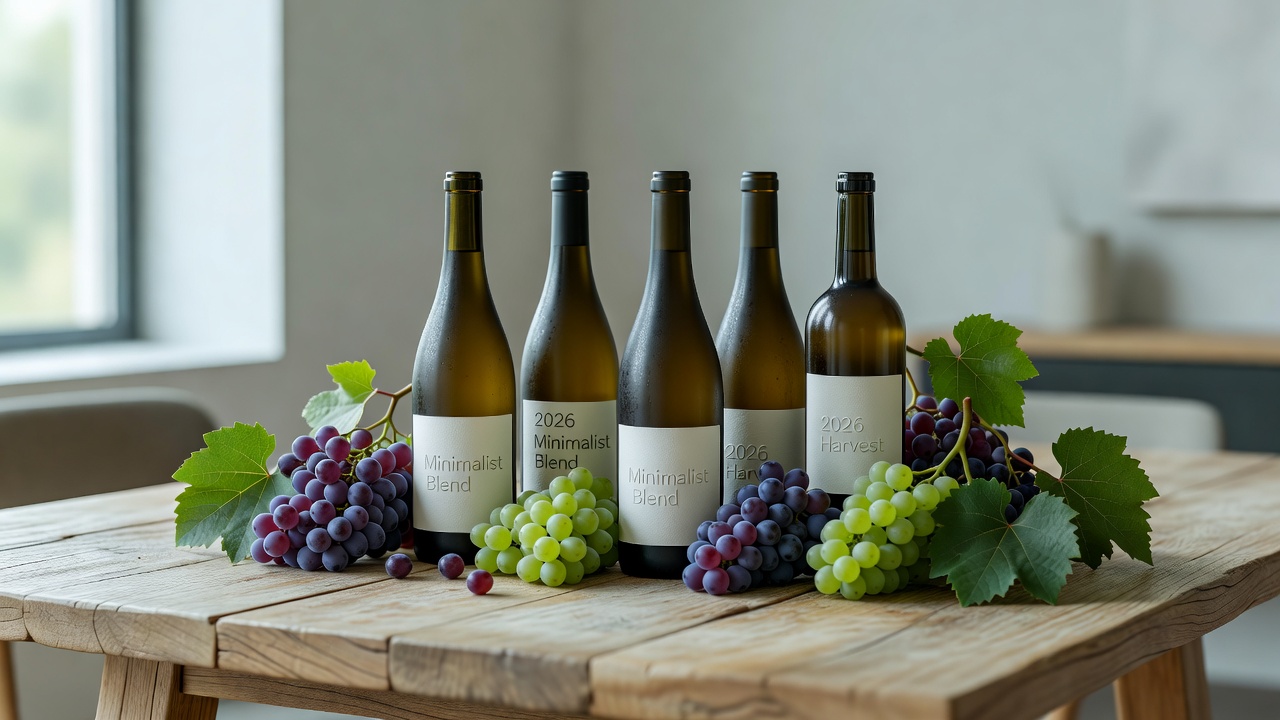
Look for limited cuvées from women-led estates in the featured regions. These bottles often feature minimal labeling that tells the story of the land and maker, such as single-vineyard Chenins with vibrant acidity or volcanic Nerellos with earthy depth. Experiment with vertical tastings to observe how vintages reflect yearly conditions without heavy manipulation.
FAQ: Supporting Women in Wine
- How can I find women-owned natural wineries? Start with regional directories and social media communities focused on sustainable viticulture, then cross-reference with organic certification databases.
- Does supporting these producers impact sustainability? Yes, many reinvest profits into reforestation and pollinator habitats, creating ripple effects across ecosystems.
- Are natural wines more expensive? Prices vary, but the emphasis on quality over quantity often justifies premium positioning through unique character and ethical production.
- What common misconceptions exist about natural wine? Some believe they spoil quickly, yet proper storage and minimal handling allow many to age beautifully for years.
- How do I incorporate these wines into everyday drinking? Begin with lighter styles for casual meals and progress to structured bottles for special occasions.
Conclusion
As 2026 unfolds, women continue to redefine natural wine through creativity and resilience. Their contributions promise a more diverse and sustainable future for the industry. Explore these voices to deepen your appreciation of authentic wines. For broader context on organic standards, see resources from USDA, EPA, and FAO.
No comments yet. Be the first!