 Uncorked Conversations
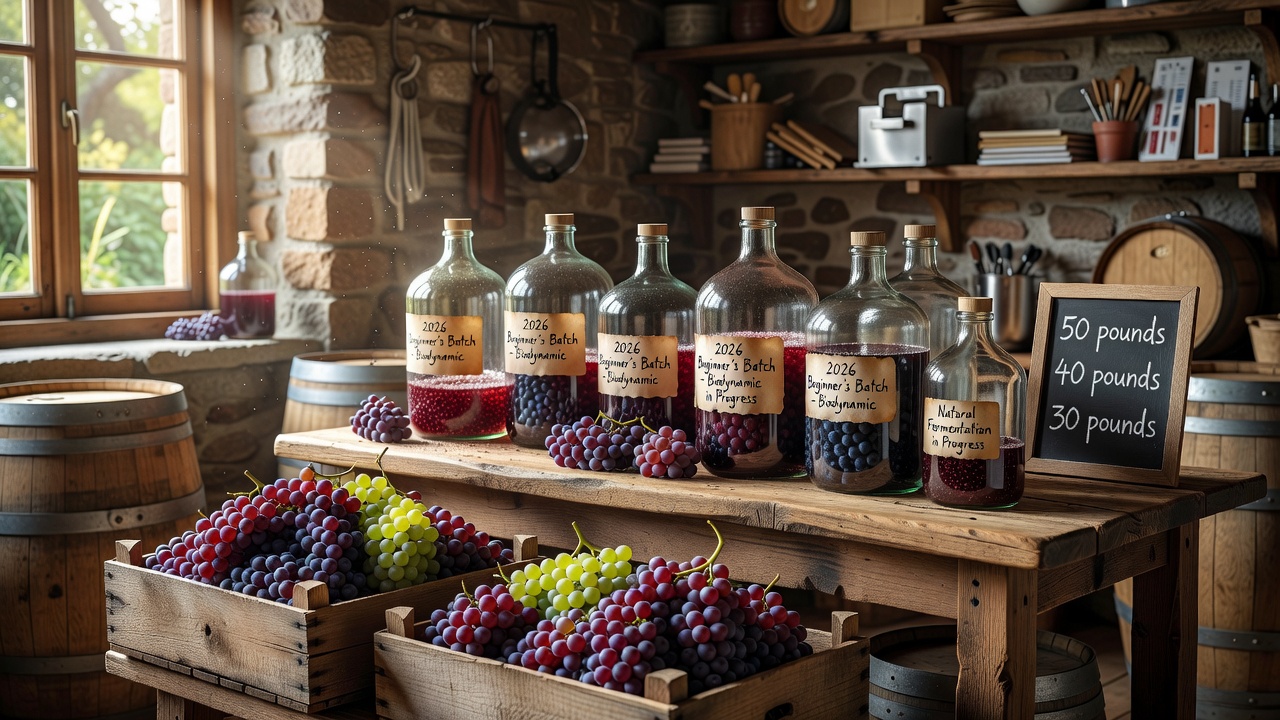
Introduction to Home Natural Winemaking
Making natural wine at home allows enthusiasts to embrace low-intervention practices that mirror commercial organic and biodynamic approaches. This comprehensive guide focuses on minimal additives, wild fermentation, and sourcing quality grapes for 2026 harvests. Natural wine emphasizes transparency and terroir without heavy processing or commercial yeasts. Unlike conventional winemaking, home versions prioritize organic or biodynamic fruit to reduce chemical inputs from the vineyard through to the bottle. Beginners should start small to master the process before scaling up, learning how each decision affects the final flavor profile and stability of the wine.
The appeal of natural wine lies in its connection to the land and the grapes themselves. By avoiding fining agents, filtration, and excessive sulfites, you capture authentic expressions of the fruit. This approach aligns closely with organic wine principles but goes further by limiting all interventions.
Understanding Natural Wine Versus Organic Wine
Natural wine and organic wine share many values but differ in certification and practices. Organic wine follows strict farming standards without synthetic pesticides, while natural wine extends this philosophy to the cellar with spontaneous fermentation and zero or minimal additives. Both avoid industrial methods, making them ideal for home experimentation. In 2026, aspiring winemakers can blend these concepts by starting with certified organic or biodynamic fruit and applying natural techniques throughout fermentation.
Essential Equipment for Small-Batch Production
Gather basic tools including food-grade fermenters, airlocks, hydrometers, and siphons. Stainless steel or glass carboys work well for beginners because they are easy to clean and inert. Sanitization is critical—use a no-rinse sanitizer to prevent contamination while preserving wild yeasts. A manual crusher-destemmer helps with grape handling, while oak barrels remain optional for subtle aging effects. Additional items include pH strips for monitoring acidity, a thermometer, and clean bottles with corks or screw caps for final storage. Investing in quality equipment reduces the risk of spoilage and ensures consistent results across batches.
Sourcing Biodynamic and Organic Grapes in 2026
For 2026 harvests, contact local vineyards or cooperatives offering biodynamic grapes in late summer or early fall. Look for certified organic suppliers to ensure minimal intervention from the vine onward. Timelines typically involve picking in September or October depending on your region and grape variety, allowing fermentation to begin immediately after harvest. Building relationships with growers ensures access to small quantities suitable for home production. Always verify the grapes were grown without synthetic chemicals and handled gently to preserve natural integrity.
USDA organic standards provide guidance on sourcing practices that align with natural wine principles.
Step-by-Step Fermentation Process
Begin by crushing grapes and allowing wild yeasts to initiate fermentation. Monitor temperatures between 60-75°F for reds to encourage healthy yeast activity. Primary fermentation lasts 5-14 days, during which you punch down the cap daily to extract color and tannins. Follow with pressing and secondary fermentation in carboys for several weeks. Rack the wine off lees after 2-3 months and age for 6-12 months before bottling. Minimal sulfites may be added only if needed for stability, always at very low levels. Throughout the process, taste regularly and keep detailed notes on aromas, flavors, and any adjustments.
Three Real-World Small-Batch Recipe Examples
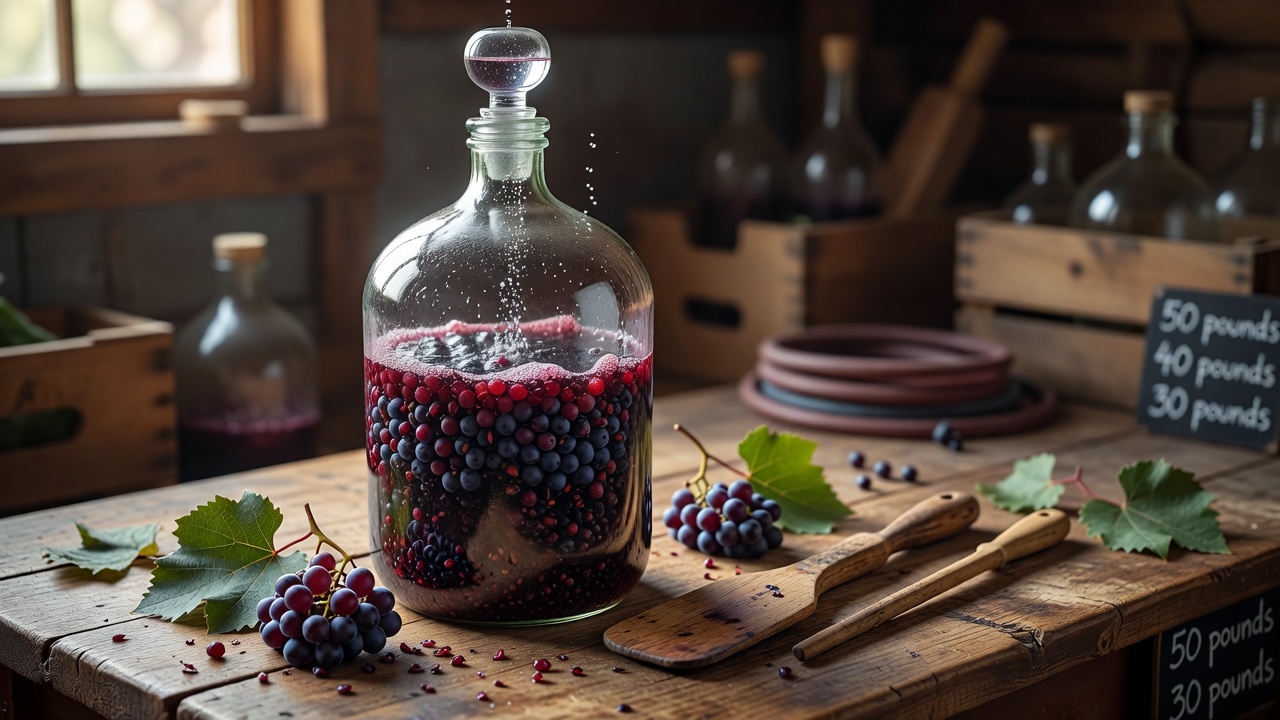
Recipe 1: Pinot Noir Natural Red – Use 50 pounds of biodynamic Pinot Noir grapes. Crush into a fermenter, allow wild fermentation on skins for 10 days with daily punchdowns, then press and transfer to glass for aging 8 months. Expect earthy, bright fruit notes with subtle earthiness. Stir gently once a month during aging to integrate flavors without introducing oxygen.
Recipe 2: Chardonnay Skin-Contact Orange Wine – Start with 40 pounds of organic Chardonnay. Macerate on skins for 7 days during fermentation to develop texture and color. Press and complete fermentation in a carboy, aging for 6 months. This yields a textured, amber-colored wine with nutty undertones and lively acidity.
Recipe 3: Gamay Rosé – Process 30 pounds of biodynamic Gamay with short skin contact of 4 hours before pressing. Ferment cool at around 55°F and bottle young after 3 months for a fresh, vibrant profile with red berry aromas.
Common Pitfalls to Avoid
- Over-sanitizing can kill beneficial microbes essential for natural fermentation, leading to stuck or sluggish ferments.
- Ignoring temperature control leads to stuck ferments or off-flavors from stressed yeasts.
- Using non-food-grade equipment introduces off-flavors or contaminants that ruin batches.
- Rushing the aging process results in unbalanced wine lacking complexity and integration.
- Failing to monitor pH and acidity can allow spoilage bacteria to thrive in unbalanced musts.
Safety Considerations
Always practice proper hygiene and monitor for spoilage organisms like vinegar bacteria. Home winemaking involves alcohol production, so store batches safely away from children and in stable temperature environments. Consult local regulations before starting any batch. Proper ventilation during crushing prevents carbon dioxide buildup, and wearing gloves protects against grape acids.
FDA guidelines on food safety offer relevant insights for fermentation practices at home.
Comparing Home Batches to Commercial Low-Intervention Wines
Home natural wines often taste more variable due to smaller scales and ambient conditions, while commercial versions benefit from consistent sourcing and specialized equipment. Both share the philosophy of minimal intervention, but home batches allow full creative control over every step, from grape selection to final blending. Commercial producers may have access to larger volumes and laboratory testing, whereas home winemakers rely on sensory evaluation and basic tools. This difference often results in more unique, terroir-driven expressions from home efforts.
2026 Harvest Timelines and Planning
Plan ahead for 2026 by reaching out to suppliers in spring for pre-orders. Harvest windows vary by climate: cooler regions may pick in late September, while warmer areas finish by mid-October. Track weather patterns closely, as rain close to harvest can dilute sugars and increase disease pressure. Once grapes arrive, process them within hours to maintain freshness and begin fermentation promptly.
FAQ: Flavor Troubleshooting and Legal Notes
How do I fix a wine that tastes too acidic? Blend with a softer batch or allow malolactic fermentation to proceed naturally over several months.
What if my fermentation stalls? Check temperatures and gently stir to reintroduce oxygen if needed early on, or add a small amount of nutrient if wild yeast activity is weak.
Are there legal restrictions? Home winemaking is legal in most U.S. states for personal use, but check local laws on quantities and distribution. Never sell without proper permits.
My wine has a sulfur smell. What should I do? Aerate gently during racking and ensure the wine has enough time to age and integrate before bottling.
Can I reuse equipment across multiple harvests? Yes, but sanitize thoroughly between uses and inspect for any damage that could harbor bacteria.
Conclusion
With patience and attention to low-intervention techniques, crafting natural wine at home in 2026 becomes a rewarding endeavor. Start with small batches, follow timelines closely, and refine based on each harvest's unique character. The journey teaches valuable lessons about fermentation, patience, and the art of letting grapes express themselves naturally.
No comments yet. Be the first!