 Uncorked Conversations
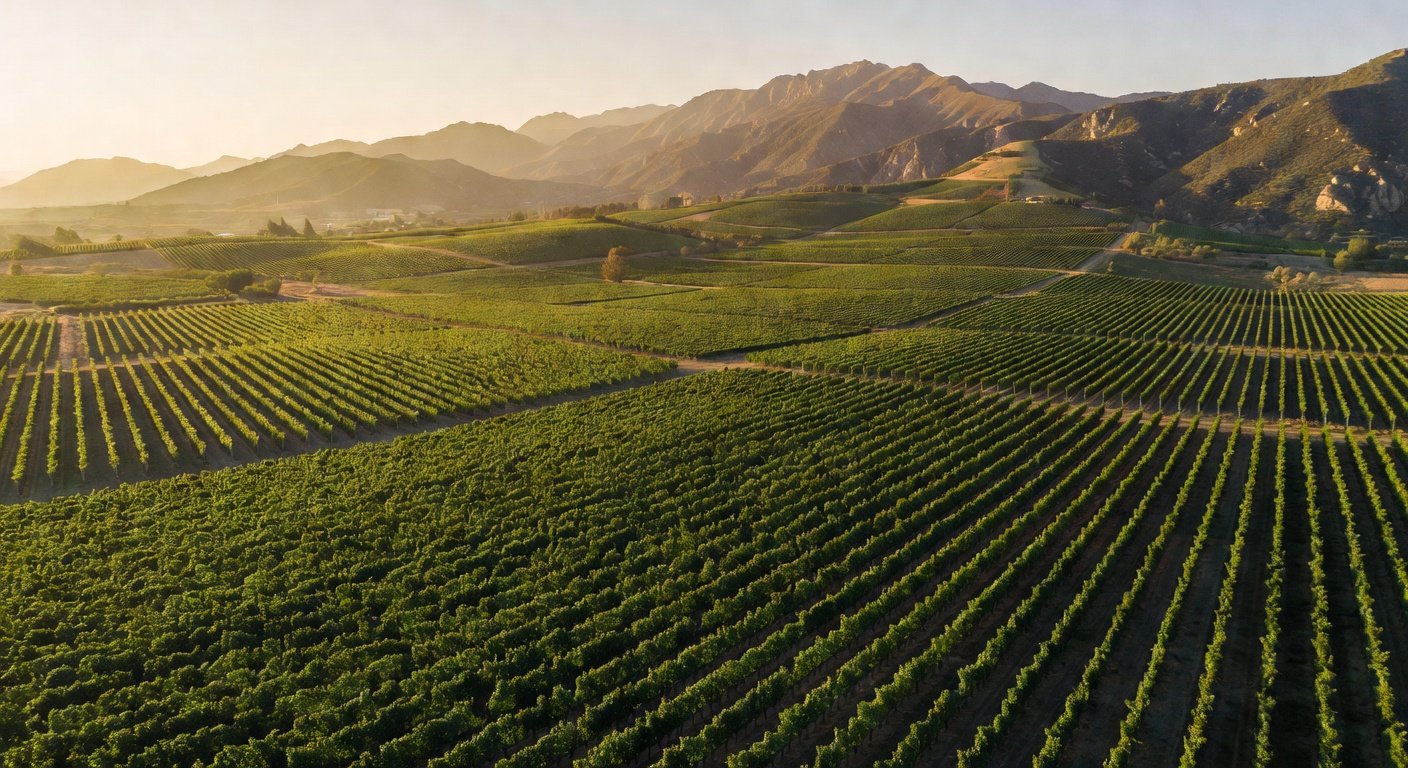
Discovering the Colchagua Valley Terroir
Chile's Colchagua Valley stands out as a premier destination for wine enthusiasts seeking bold reds shaped by dramatic geography. The region's unique terroir combines the cool influence of Pacific breezes with mineral-rich soils from the Andean foothills, creating ideal conditions for varieties like Carménère and Syrah. In 2026, vineyard tours offer immersive experiences that highlight these natural factors, allowing travelers to understand how elevation, climate, and soil interplay to produce world-class regional wines. This valley, located about two hours south of Santiago, spans diverse sub-regions that reward both beginners and intermediate wine travelers with layered flavor profiles and sustainable practices.
Terroir Influences: Andes and Pacific
The Colchagua Valley benefits from a diverse microclimate. Morning fog from the Pacific Ocean moderates temperatures, while afternoon winds from the Andes provide natural cooling. This diurnal shift preserves acidity in grapes while allowing full ripeness. Soils range from alluvial deposits near the coast to granite and clay in the foothills, imparting distinct minerality to the wines. These elements differentiate Colchagua from other Chilean regions and contribute to its reputation for structured, age-worthy reds. Elevation plays a critical role, with vineyards climbing from sea level to over 600 meters, where cooler nights concentrate flavors in the grapes.
Soil Types and Climate Variations
Deeper examination reveals how specific soil compositions affect outcomes. Alluvial soils near the Tinguiririca River deliver excellent drainage for vigorous root systems, while volcanic ash deposits in higher areas add complexity. Annual rainfall averages around 600 millimeters, concentrated in winter months, forcing vines to develop deep roots that pull unique mineral notes into the fruit. These terroir details become evident during guided tastings where winemakers explain parcel-by-parcel differences.
Key Grape Varieties and Tasting Notes
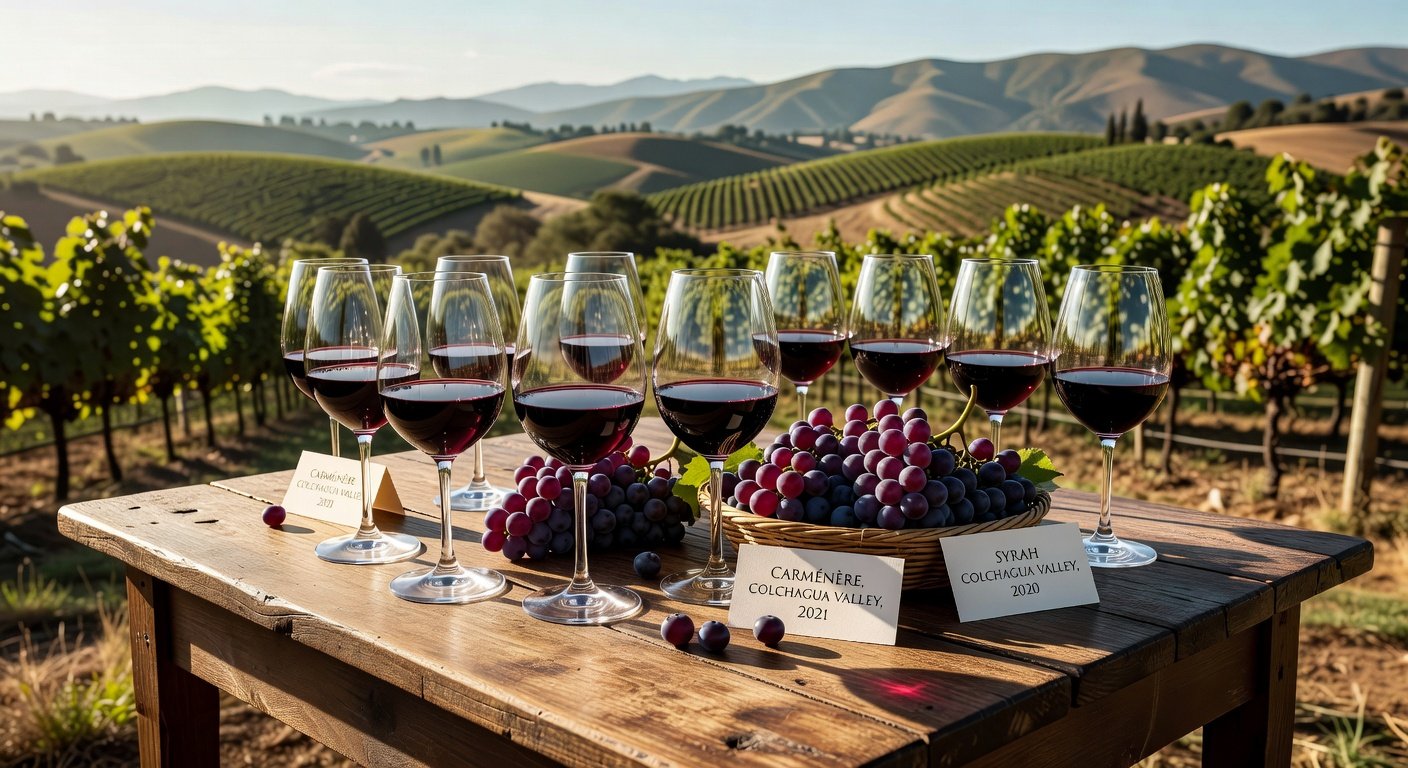
Carménère thrives here, displaying notes of dark fruit, green pepper, and spice. Syrah adds peppery elegance with blackberry and olive undertones. Wineries often highlight single-vineyard expressions that showcase subtle terroir variations. Visitors on 2026 tours can sample these alongside blends that balance power and finesse. Additional varieties like Cabernet Sauvignon and Malbec also flourish, often showing brighter acidity than their counterparts in warmer valleys due to the consistent breezes.
Top Vineyard Profiles
Leading estates in Colchagua emphasize sustainable practices and innovative winemaking. Properties like those in the Apalta sub-region feature steep hillside vineyards that yield concentrated fruit. Tasting rooms provide guided sessions focusing on how specific parcels influence flavor profiles. Many offer vertical tastings comparing vintages to illustrate terroir consistency over time. Other notable stops include estates in the Los Lingues area known for elegant Syrah and coastal-influenced sites producing fresher Carménère styles. Each profile reveals how micro-terroir creates distinct regional wines worth exploring across multiple visits.
Recommended Wine Tour Itineraries
Beginners should start with a half-day tour visiting two estates for an overview of regional wines. Intermediate travelers can opt for full-day experiences including lunch pairings and extended vineyard walks. A sample three-day itinerary might cover Santa Cruz wineries on day one, Apalta on day two, and a comparison stop near the coast on day three. Extended options include four-day packages incorporating hiking trails between vineyards or evening events focused on food and wine pairings. These itineraries allow time to absorb the terroir influences while sampling a range of bold reds.
Actionable Steps for Booking Tours
- Research operators through official tourism channels and verify sustainability certifications.
- Book directly via winery websites or trusted platforms at least two months ahead for peak periods.
- Consider private tours for personalized terroir discussions and smaller group sizes.
- Check for inclusions like transportation, meals, and educational materials when comparing options.
- Review cancellation policies and confirm accessibility features if needed for mobility.
- Coordinate with local accommodations for seamless transfers between estates.
Comparisons to Neighboring Valleys Like Maipo
While Maipo Valley offers proximity to Santiago and a mix of Cabernet Sauvignon focus, Colchagua provides more dramatic elevation changes and stronger Pacific influence. Maipo wines often show riper fruit profiles, whereas Colchagua expressions tend toward brighter acidity and herbal notes. Wine travelers exploring both regions gain deeper insight into Chile's diverse wine terroir. Additional contrasts appear when comparing to Casablanca Valley, where cooler coastal conditions favor whites, highlighting Colchagua's strength in robust reds suited to aging.
Seasonal Travel Tips
Harvest season from March to May delivers the most vibrant experiences with active vineyard work and grape picking opportunities. Shoulder months like October and November offer pleasant weather and fewer crowds for relaxed tours. Summer months bring warmer days ideal for outdoor tastings, while winter provides indoor barrel room visits with fewer interruptions. Pack layers for temperature swings and comfortable shoes for walking tours. Sustainable travel practices, such as choosing eco-certified lodges, align well with the valley's growing emphasis on environmental stewardship and water management techniques.
Common Mistakes to Avoid
- Overbooking too many estates in one day, which reduces time for meaningful terroir discussions.
- Ignoring advance reservations during harvest when availability drops sharply.
- Skipping research on sub-region differences, leading to repetitive tasting experiences.
- Forgetting to account for travel time between distant estates in the valley.
Frequently Asked Questions
What food pairings suit Colchagua reds?
Carménère pairs excellently with grilled meats and spicy dishes, while Syrah complements roasted vegetables and aged cheeses.
How do wineries address sustainability?
Many implement water conservation, organic farming, and biodiversity programs to protect the terroir for future generations.
Is Colchagua suitable for first-time wine tourists?
Yes, with guided tours providing accessible education on regional wines and the factors shaping their character.
What is the best time for photography during tours?
Early morning light in the foothills captures dramatic mountain backdrops, while golden hour near the vines highlights grape clusters.
Are there non-alcoholic options on tours?
Many estates now offer grape juice tastings and culinary experiences focused on local produce to accommodate all visitors.
Further reading on Chilean wine regions is available at Wines of Chile and Chile Travel. Planning ahead ensures a rewarding journey through this exceptional wine terroir landscape.
No comments yet. Be the first!