 Uncorked Conversations
Discovering Sicily’s Unique Wine Terroir
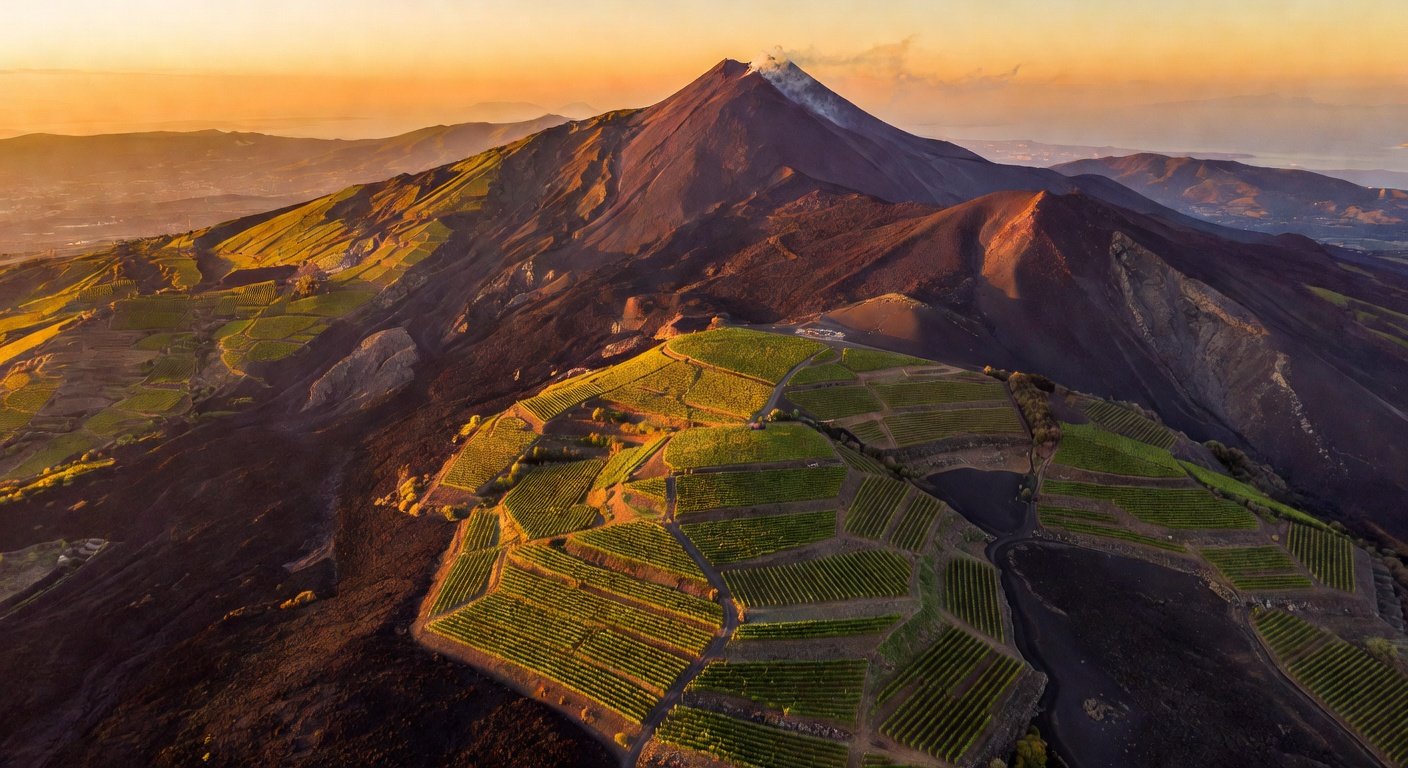
Sicily’s wine landscape stands apart thanks to its dramatic volcanic soils and Mediterranean climate. Ancient lava flows, mineral-rich earth, and sea breezes create distinctive growing conditions that shape expressive wines unlike those found anywhere else in Italy. Travelers seeking authentic experiences beyond crowded Tuscan or Piedmontese routes find Sicily ideal for 2026 vineyard tours that combine education, adventure, and world-class tastings.
Volcanic Soils and Mediterranean Climate: The Foundation of Flavor
The island’s terroir is defined by Mount Etna’s active volcano and the sun-drenched plains of southern Sicily. Volcanic ash and basalt provide excellent drainage while retaining essential minerals like potassium and iron that contribute to complex flavor profiles. Hot days and cool nights preserve acidity in the grapes, resulting in balanced wines with bright fruit and pronounced minerality. This combination yields wines with striking volcanic character that evolve beautifully in the glass.
Geologists note that Etna’s frequent eruptions deposit fresh layers of ash, constantly renewing the soil. In contrast, the red sands of Vittoria offer a completely different mineral signature, producing lighter, more aromatic expressions. Understanding these differences helps visitors appreciate why wines from neighboring vineyards can taste remarkably distinct.
Etna: The Iconic Volcanic Wine Region
Etna DOC wines are among Sicily’s most celebrated. Vineyards climb from 400 to over 1,000 meters on the volcano’s slopes, where cooler temperatures slow ripening and concentrate flavors. Nerello Mascalese dominates reds, producing elegant, age-worthy wines reminiscent of fine Burgundy yet with a distinctive smoky edge from the volcanic soil. Carricante leads whites with citrus, herbal notes, and a saline finish that reflects the nearby sea.
Expert winemakers emphasize how altitude and aspect create micro-terroirs. A single vineyard can deliver dramatically different expressions depending on its exact location on the mountain. Many estates offer guided hikes through the vines followed by vertical tastings that highlight these nuances. Visitors often remark on the stark beauty of black lava fields interspersed with green vines, creating a landscape that feels both ancient and alive.
Vittoria and the South: Cerasuolo and Frappato
Further south, the Vittoria DOC excels with Frappato and Nero d’Avola. Light, aromatic Frappato offers strawberry, rose petal, and spice notes, while structured Nero d’Avola brings dark fruit, black pepper, and herbal complexity. The region’s red sandy soils and proximity to the sea add a distinctive saline edge that sets these wines apart from mainland Italian counterparts.
Historic estates in Vittoria often trace their roots back centuries, preserving traditional winemaking methods alongside modern sustainable practices. This blend of old and new appeals to travelers interested in both heritage and innovation during their 2026 vineyard tours.
Comparing Sicily’s Signature Varietals
Sicily boasts an impressive array of indigenous grapes that thrive in its varied terroirs. Here is a detailed comparison to help travelers plan tastings:
- Nerello Mascalese – Elegant tannins, red cherry, volcanic minerality, and subtle spice; best on Etna’s northern slopes where elevation preserves freshness. It ages gracefully for 10–15 years.
- Carricante – High acidity, lemon zest, almond, and saline finish; thrives at higher elevations and pairs exceptionally with seafood.
- Frappato – Floral, light-bodied, with strawberry and violet aromas; perfect for summer drinking in Vittoria and often compared to a refined Pinot Noir.
- Nero d’Avola – Full-bodied with blackberry, plum, and Mediterranean herbs; versatile across southern Sicily and excellent with grilled meats.
These varietals demonstrate how terroir influences everything from color intensity to aromatic complexity, giving visitors a rich palette of flavors to explore.
Immersive 2026 Vineyard Tours: What to Expect
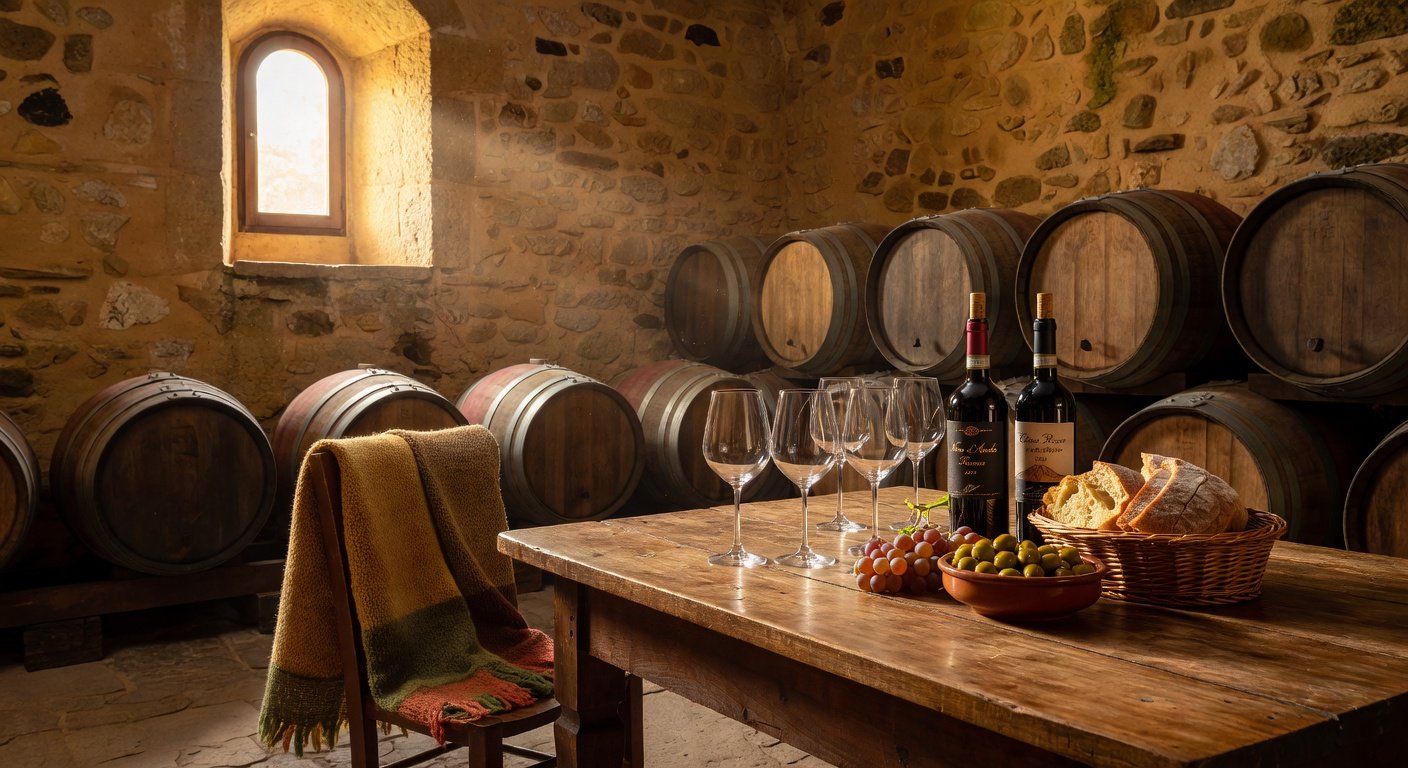
Specialized operators now curate small-group tours that combine vineyard walks, cellar visits, and pairings with local cheeses, olives, and seafood. Expect hands-on experiences such as grape stomping demonstrations in September or harvest lunches in October. Many estates partner with local chefs for multi-course dinners showcasing terroir-driven wines alongside traditional Sicilian dishes.
Practical elements include comfortable transportation between sites, English-speaking guides, and opportunities to purchase wines directly from producers. Some tours incorporate cooking classes or olive oil tastings to provide a fuller picture of Sicilian gastronomy.
Sample 5-Day Etna & Vittoria Tour Itinerary
- Day 1: Arrival in Catania, private transfer to an Etna agriturismo overlooking the volcano. Welcome tasting of three vintages accompanied by local charcuterie and bread.
- Day 2: Morning guided hike on Etna’s lower slopes with a geologist explaining soil composition. Lunch at a family-run winery featuring estate-grown vegetables, followed by an afternoon blending workshop where participants create their own cuvée.
- Day 3: Scenic drive to Vittoria. Visit two historic estates for in-depth tours of ancient cellars and modern winemaking facilities. Evening pairing dinner featuring Frappato with grilled tuna and caponata.
- Day 4: Coastal wine route with stops at seaside vineyards producing crisp whites. Enjoy a sunset aperitivo overlooking the Ionian Sea while sampling young and aged expressions side by side.
- Day 5: Optional hands-on cooking class preparing traditional dishes paired with regional wines before departure from Catania airport.
Booking Tips for 2026 Tours
Reserve 4–6 months ahead for peak season (April–June and September–October) to secure spots at popular estates. Look for operators that limit groups to eight guests and include private transfers between locations. Verify that tours feature certified sommeliers and offer flexible cancellation policies. Official tourism resources such as Sicily’s regional tourism site provide updated listings of licensed wineries and current events.
Additional preparation includes checking weather forecasts for Etna visits, as conditions can change rapidly at altitude, and packing layers suitable for both warm days and cooler evenings.
Seasonal Vineyard Events Worth Planning Around
Etna Wine Festival in April showcases new releases alongside live music and local crafts. Harvest celebrations in September let visitors join picking crews and enjoy communal lunches in the vines. Many estates host truffle-hunting weekends in November paired with aged Nerello Mascalese and regional cheeses.
Expert Insights on Terroir-Driven Tastings
Leading sommeliers recommend focusing on single-vineyard bottlings to truly understand micro-terroir differences. Pair volcanic reds with grilled meats or aged cheeses, and crisp Carricante with seafood crudo or capers from the island. Resources like Wine Magazine regularly feature in-depth Sicily coverage that helps travelers prepare informed tasting questions and discover lesser-known producers.
Mistakes to Avoid on Your Sicilian Wine Journey
Common pitfalls include underestimating travel times between Etna and Vittoria, which can take over two hours. Always confirm accessibility features in advance if mobility is a concern. Another frequent oversight is skipping the opportunity to taste older vintages, which best reveal how volcanic soils influence aging potential.
How to Choose the Right Tour Operator
Prioritize companies with strong reviews from recent participants, clear itineraries, and partnerships with organic or biodynamic estates. Ask about group size, included meals, and whether tastings feature educational components rather than simple pouring. This ensures a more enriching experience aligned with the search for authentic regional adventures.
Frequently Asked Questions
Are the vineyards accessible for visitors with mobility needs?
Many Etna estates offer adapted tasting rooms and shorter walking routes. Always confirm accessibility features when booking and request ground-floor options where possible.
What foods pair best with Sicilian volcanic wines?
Local specialties include arancini, fresh ricotta, caponata, and seafood from the Ionian Sea. Nerello Mascalese excels with pasta alla Norma, while Frappato complements lighter dishes like grilled vegetables.
When is the best time to visit for 2026 tours?
Late spring and early autumn offer ideal weather and fewer crowds than peak summer. These periods also align with key vineyard activities such as pruning and harvest preparations.
Do tours include transportation from major airports?
Most reputable operators provide transfers from Catania or Palermo airports as part of multi-day packages. Confirm details at the time of reservation.
Can I purchase wines to ship home?
Yes, many estates facilitate direct shipping for international visitors, though regulations vary by country. Discuss options with your guide during the visit.
Conclusion: Your Next Authentic Sicilian Wine Adventure
Sicily’s volcanic wine regions deliver unforgettable terroir experiences that go far beyond typical tourist trails. With thoughtful planning, a 2026 vineyard tour can combine education, stunning landscapes, and world-class wines in one seamless journey. Start exploring now to secure your place among the vines and create memories rooted in the island’s extraordinary soil and climate.
No comments yet. Be the first!