 Uncorked Conversations
Introduction: Building Confidence in Wine Shopping
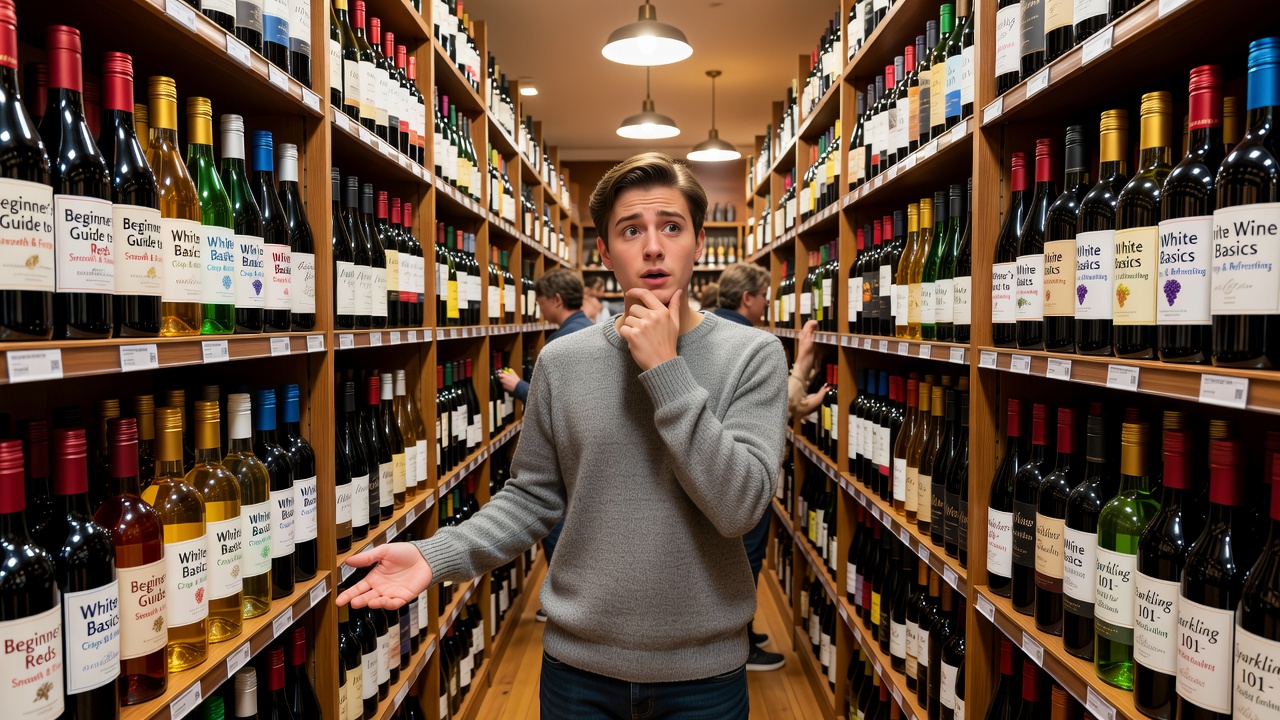
Buying wine for the first time can feel overwhelming, especially with thousands of options on store shelves and online platforms. Many beginners fall into predictable traps that lead to disappointing bottles, wasted money, or simply missing out on enjoyable experiences. This Wine 101 guide highlights the most common mistakes and provides actionable strategies to help you make informed choices in 2026. Understanding these pitfalls early sets the foundation for a lifetime of rewarding wine exploration.
Whether you're selecting a bottle for a dinner party, a casual weeknight meal, or as a gift, the goal is to move beyond guesswork. Wine shopping should be educational and fun rather than stressful. By learning to recognize common errors such as over-relying on price tags or attractive packaging, you'll develop a more intuitive approach that matches bottles to your personal preferences and occasions. This guide draws on real-world examples to illustrate how small adjustments in your decision process can yield significantly better results over time.
Mistake 1: Relying Solely on Price as a Quality Indicator
It's tempting to assume that higher prices always mean better wine. While price can reflect production costs, rarity, or marketing, it doesn't guarantee enjoyment or suitability for your taste. Beginners often grab the most expensive bottle hoping for excellence, only to discover it doesn't suit their palate or the meal they're planning. Conversely, some of the most satisfying everyday wines come from moderate price points where quality and value intersect effectively.
Instead, focus on value within your comfort range by examining tasting notes and regional reputations. For instance, a well-made bottle from a lesser-known sub-region in Italy might outperform a heavily marketed premium option from California. Explore mid-tier selections from established areas and cross-reference descriptions that mention acidity, tannins, or fruit profiles rather than fixating on shelf tags. This prevents mismatched purchases, such as selecting a bold, full-bodied Cabernet Sauvignon when a lighter, more acidic Pinot Noir would pair far better with grilled fish or poultry.
Mistake 2: Judging Wines by Labels Alone
Eye-catching labels, artistic designs, or familiar brand names can easily mislead new shoppers. Attractive packaging often has little correlation with flavor profiles, acidity levels, or ideal food pairings. Real-world examples abound of beginners selecting bottles based purely on cute illustrations or celebrity endorsements, only to end up with overly tannic reds that clash with delicate seafood dishes or overly sweet whites that overpower spicy cuisine.
Always check the back label or use reliable store apps for detailed descriptions before committing. Compare safe starter options like crisp Sauvignon Blanc or approachable Merlot against trendy varieties such as skin-contact orange wines or obscure natural expressions, which may feature unexpected textures or earthy notes that require more experience to appreciate fully. Developing this habit turns every shopping trip into a learning opportunity rather than a gamble.
Mistake 3: Ignoring Food Pairings and Occasion Context
Many first-time buyers overlook how a wine will interact with specific foods or the setting in which it will be served. A heavy, oaky Chardonnay might seem appealing on its own but can overwhelm lighter pasta dishes or become cloying during a warm summer evening. Real examples include purchasing a powerful Syrah for a cheese board only to find its bold tannins clash with soft, creamy varieties.
Instead, think ahead about the meal or event. Light-bodied whites and rosés generally work well with salads, seafood, and poultry, while medium reds complement red meats and tomato-based sauces. Sparkling options add versatility for celebrations or aperitifs. Keeping a simple mental or written list of successful past pairings helps refine future selections and reduces the likelihood of disappointing results.
Step-by-Step Decision Framework for Beginners
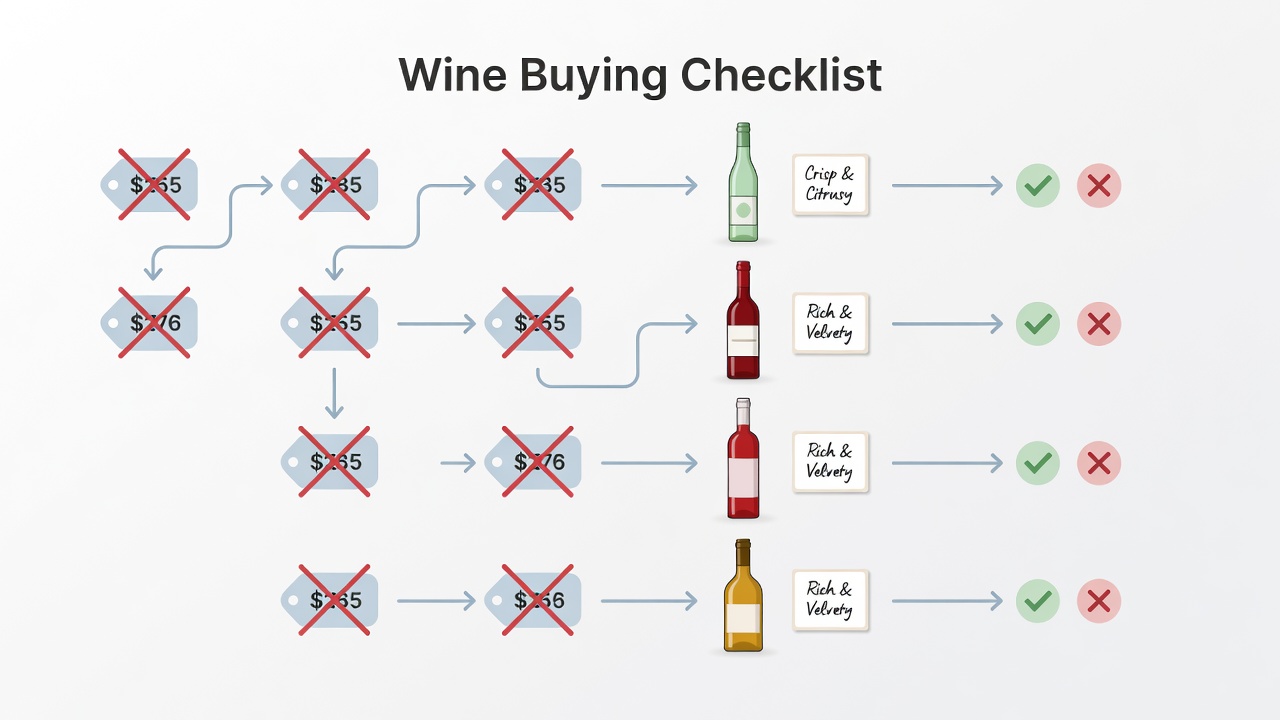
Follow this expanded process to navigate any wine aisle or online catalog with greater ease:
- Identify your occasion and primary food pairing needs before browsing.
- Decide between red, white, rosé, or sparkling based on season, temperature, and preference.
- Scan for tasting notes that explicitly mention fruit character, acidity, body, and finish.
- Prioritize well-known regions such as California, France, or Chile for reliability when starting out.
- Consult staff or digital tools for personalized recommendations tied to your comfort level.
- Consider closure type—screw caps often preserve freshness in entry-level bottles.
- Plan storage conditions immediately after purchase to maintain quality.
This structured approach transforms random selections into deliberate, confidence-building choices that improve with each outing.
Comparisons: Safe Starter Options vs. Trendy Varieties
Safe starter options include versatile Chardonnay for its buttery or citrus notes and fruit-forward Malbec for its approachable softness. These varietals offer predictable flavors with lower risk of surprise, making them ideal for building foundational knowledge. They also tend to pair reliably with a wide range of everyday dishes.
Trendy varieties like skin-contact whites, natural low-intervention wines, or lesser-known Italian grapes such as Nero d'Avola can be exciting but frequently surprise beginners with unexpected dryness, cloudiness, or pronounced earthiness. Try purchasing one safe bottle alongside a single trendy option for side-by-side home tasting. This comparison method accelerates learning without high financial stakes and helps you gradually expand your palate over several months.
Actionable Checklist for Your Next Wine Purchase
- Review recent tasting notes from trusted sources before entering the store.
- Carry a small notebook or phone notes documenting flavors and styles you enjoy.
- Avoid impulse buys near checkout counters or promotional end-caps.
- Consider screw-cap closures for better freshness in beginner-friendly wines.
- Check vintage charts or regional guides when available for quality context.
- Plan proper storage temperatures and positions upon returning home.
- Start with smaller formats like half-bottles when experimenting with unknowns.
Short FAQ: Budget Concerns and Store Navigation
How much should I spend on my first bottles?
Focus on quality within a modest range rather than chasing perceived bargains or prestige labels. Many enjoyable, well-made wines exist across various price segments—experiment gradually to discover what aligns with your taste without pressure to spend more than feels comfortable.
How do I navigate a large wine store effectively?
Begin in clearly marked sections organized by varietal or country of origin. Use shelf talkers and digital apps for quick insights, and never hesitate to request assistance from floor staff who can translate technical terms into practical recommendations based on your described preferences.
Conclusion: Your Path to Enjoyable Wine Buying
By sidestepping these common mistakes and applying the frameworks outlined above, you'll approach wine shopping with greater ease and consistent success. Remember that personal taste remains the ultimate guide, and every bottle offers an opportunity to refine your preferences. With regular practice using these checklists and comparison techniques, 2026 can mark the beginning of a confident, enjoyable relationship with wine selection. Cheers to your continued wine journey and the discoveries that lie ahead.

No comments yet. Be the first!