 Uncorked Conversations
Understanding Wine Vintages: A Beginner’s Essential Guide
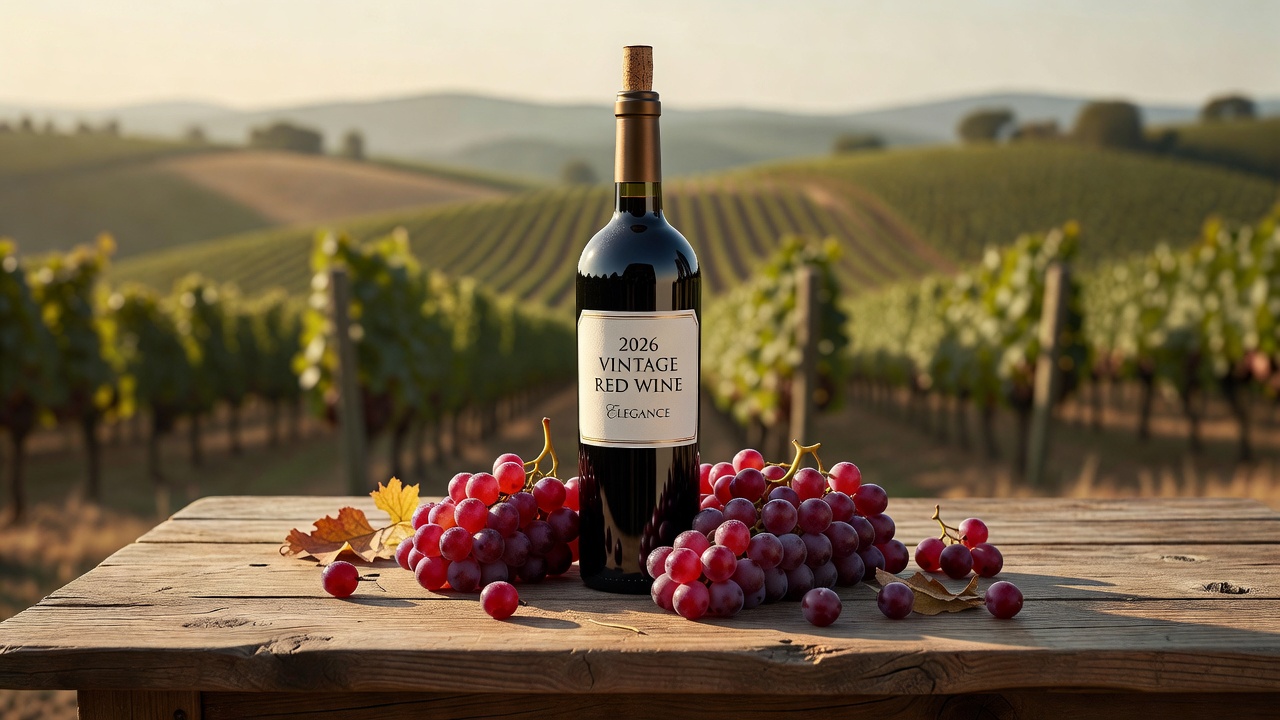
Welcome to the world of wine vintages, where the year on the bottle tells a story of weather, grapes, and flavor. For beginners exploring Wine 101 topics, grasping vintages helps you make smarter choices without needing advanced tasting skills. This guide focuses on the basics of what a vintage represents and how to identify strong years on labels. Vintages provide a window into the unique conditions that shaped each harvest, allowing new enthusiasts to appreciate why certain bottles stand out from others in the same region or from the same producer.
What a Vintage Actually Means
A vintage refers to the year the grapes were harvested. Most wines list this year on the label because the growing season directly influences the wine’s character. Single-vintage wines come from one harvest year, while non-vintage blends combine multiple years for consistency. Beginners benefit from recognizing that vintage dates signal potential differences in ripeness, acidity, and overall quality. Historically, the concept of vintages gained prominence as winemakers began tracking how annual variations affected their final products. Today, the vintage year serves as a key indicator that helps consumers understand the potential aging trajectory and flavor profile of a wine. For example, a vintage from a cooler year might emphasize brighter acidity, whereas a warmer vintage could highlight richer fruit notes. This distinction becomes especially important when comparing wines across different producers or price points.
How Weather Influences Flavor and Value
Weather during the growing season shapes every aspect of the grape. Warm, dry summers often produce riper fruit with bolder flavors, while excessive rain or frost can dilute concentration or reduce yields. These variations affect both taste profiles and market value, as exceptional years become more sought after over time. Understanding this connection empowers new buyers to anticipate whether a bottle will deliver balanced or intense notes. Consider how spring frosts might damage young buds, leading to lower quantities but potentially more concentrated flavors in surviving grapes. Similarly, late-season rains can introduce dilution or increase disease pressure, prompting winemakers to harvest earlier than ideal. In strong years, optimal sunshine and moderate temperatures allow grapes to develop complex sugars and tannins naturally. These factors explain why certain vintages command attention from collectors while others offer everyday value. Regional climate patterns further amplify these effects, creating distinctive signatures that define entire growing areas.
Step-by-Step Guide to Checking Vintage Charts
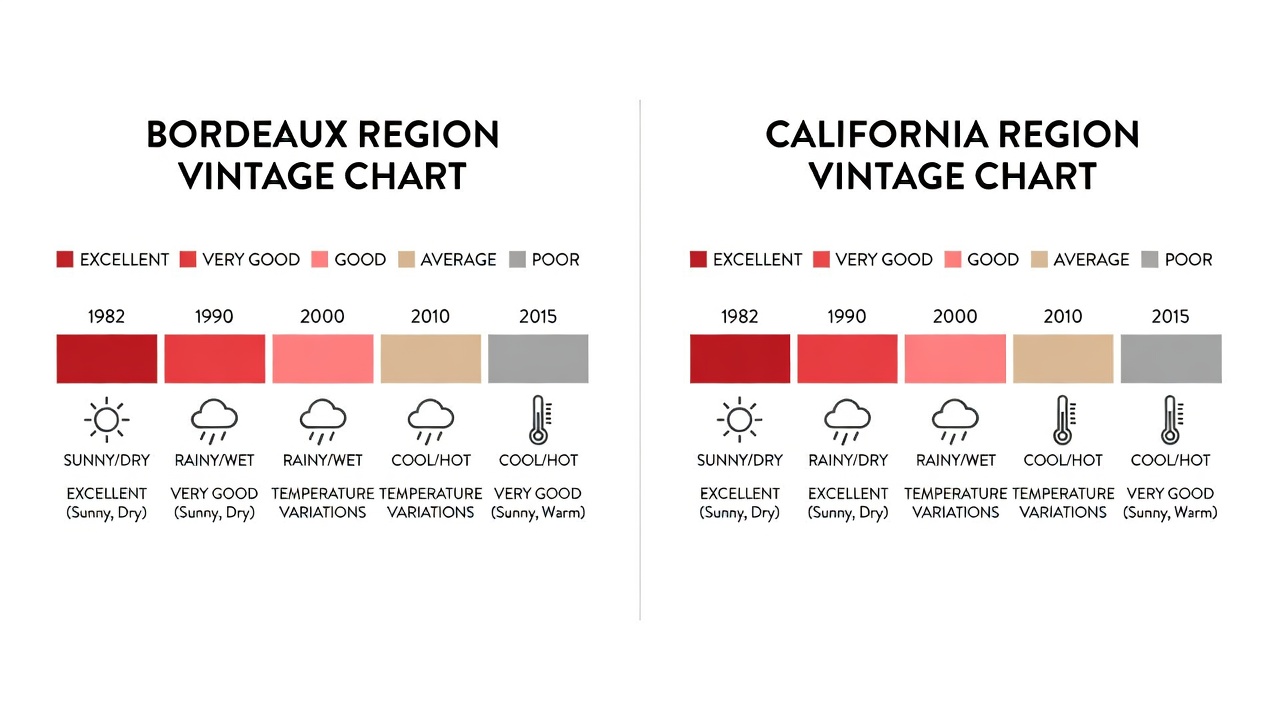
Vintage charts summarize expert ratings for specific regions and years, helping you spot promising bottles quickly. Follow these steps:
- Identify the region on the wine label to narrow your focus.
- Locate a reliable vintage chart from a trusted source that covers your target area.
- Match the year and note the rating or description, paying attention to color-coded quality levels.
- Cross-reference with recent harvest reports for confirmation and additional context.
- Compare multiple charts to build confidence in your selection and account for varying expert opinions.
This simple process turns confusing labels into clear signals for quality. Taking time with each step ensures you avoid common pitfalls such as relying on outdated information or overlooking regional microclimates that charts sometimes simplify.
Regional Comparisons: Bordeaux Versus California
Bordeaux in France experiences a maritime climate where vintage variation can be dramatic. Strong years like 2016 or 2020 delivered excellent structure and aging potential due to balanced rainfall and sunshine. In contrast, California’s Mediterranean conditions often yield more consistent results, with standout vintages such as 2018 and 2022 praised for ripe fruit and approachability. Comparing these regions shows how local weather patterns create distinct profiles—Bordeaux tending toward elegance and California leaning toward fruit-forward styles. Additional examples include the 2015 Bordeaux vintage, celebrated for its power and depth, versus the 2019 California harvest that produced approachable, early-drinking wines. These contrasts illustrate why enthusiasts often maintain separate buying strategies depending on the origin. Weather events such as heat spikes in California or hail in Bordeaux can further differentiate outcomes year to year.
Wine Enthusiast offers detailed annual reports that illustrate these differences across growing regions.
Practical Tips for Choosing Affordable Bottles from Strong Vintages
Start with well-regarded years in your price range rather than chasing rare labels. Look for lesser-known producers within top-rated vintages to keep costs reasonable. Focus on regions that performed well without premium markups, and consider second-label wines from established estates. Always verify the vintage on the front label and cross-check against current charts before purchasing. Another effective approach involves exploring satellite appellations within famous regions, which often deliver similar quality at lower prices. Building a small collection of reliable vintages from multiple regions also helps develop intuition over time. Pay attention to producer reputation alongside the vintage rating, as skilled winemaking can elevate even average years. Finally, shop during seasonal sales when retailers discount recent strong vintages to move inventory.
Starter Recommendations
- A 2020 Bordeaux from a reliable château for balanced tannins and structure that pairs well with hearty meals.
- A 2022 California Cabernet Sauvignon from a consistent producer for easy drinking and immediate enjoyment.
- A 2018 Bordeaux-style blend from the New World for approachable fruit and versatile food pairings.
- A 2019 Rhône-style red from California for spicy, value-driven appeal that showcases peppery and dark fruit notes.
Common Mistakes Beginners Make with Vintages
Many new buyers assume older vintages are automatically superior, yet quality depends heavily on the specific year and storage conditions. Others ignore regional differences and apply the same vintage expectations everywhere. Overlooking the importance of producer skill can also lead to disappointment even in highly rated years. Taking a methodical approach that combines chart research with label reading helps avoid these errors.
Frequently Asked Questions
Does an older vintage always mean better wine?
No. Quality depends on the specific year and region, not age alone. Some vintages peak early while others improve with time, requiring careful consideration of both factors.
Should beginners only buy highly rated vintages?
Not necessarily. Many average years still produce enjoyable, affordable wines suitable for everyday drinking and learning experiences.
How do I know if a vintage chart is trustworthy?
Choose charts from established publications with transparent methodologies and regular updates based on real harvest data.
Can weather in one season affect multiple future vintages?
Yes, prolonged drought or unusual cold can influence vine health and yields for subsequent years, creating ripple effects that charts sometimes note.
Decanter provides regularly updated resources for new wine enthusiasts.
Wine Folly features accessible explanations of vintage concepts tailored for beginners.
Conclusion
Mastering vintages opens the door to confident wine selection. By focusing on weather impacts, chart usage, and regional examples, beginners can discover bottles that match their preferences and budget. Start exploring with the tips above, practice comparing labels from different years, and enjoy the journey into wine appreciation as your knowledge grows with each new bottle.
No comments yet. Be the first!