 Uncorked Conversations
Introduction to Essential Wine Tools for Beginners
Embarking on a wine journey in 2026 means equipping yourself with the right accessories to fully appreciate each bottle. Beginners often overlook how proper tools enhance aroma, flavor, and overall enjoyment. This comprehensive guide covers must-have items like corkscrews, glassware, and aerators while providing comparisons, usage examples, and practical advice. Whether you are building your first starter kit or refining an existing collection, understanding these essentials ensures a smoother experience from opening to serving.
Choosing the Right Corkscrew
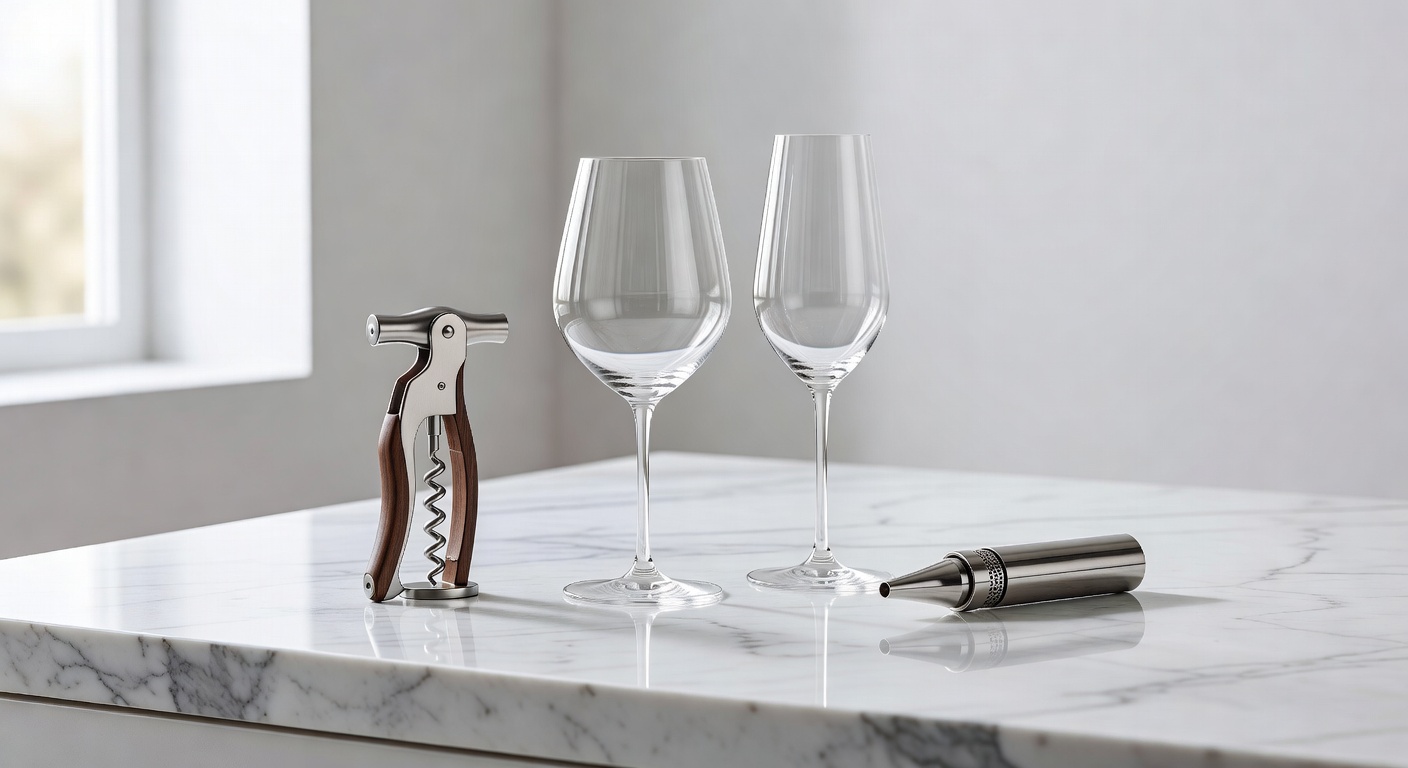
The corkscrew serves as the primary entry point for any wine bottle. Beginners benefit from models that combine reliability with ease of use. A classic waiter’s friend includes a foil cutter, worm screw, and double-hinged lever for controlled extraction. This design minimizes breakage and works well on both natural and synthetic corks. For those who open multiple bottles weekly, electric corkscrews offer speed and consistency without manual effort. Consider real-world scenarios such as hosting a dinner party where quick, mess-free opening keeps the evening flowing smoothly. When selecting a corkscrew, examine the build quality, handle ergonomics, and replacement parts availability. Avoid overly complex gadgets that introduce unnecessary steps. Many enthusiasts start with a basic lever model and later add a backup for travel or outdoor use.
Selecting Quality Glassware
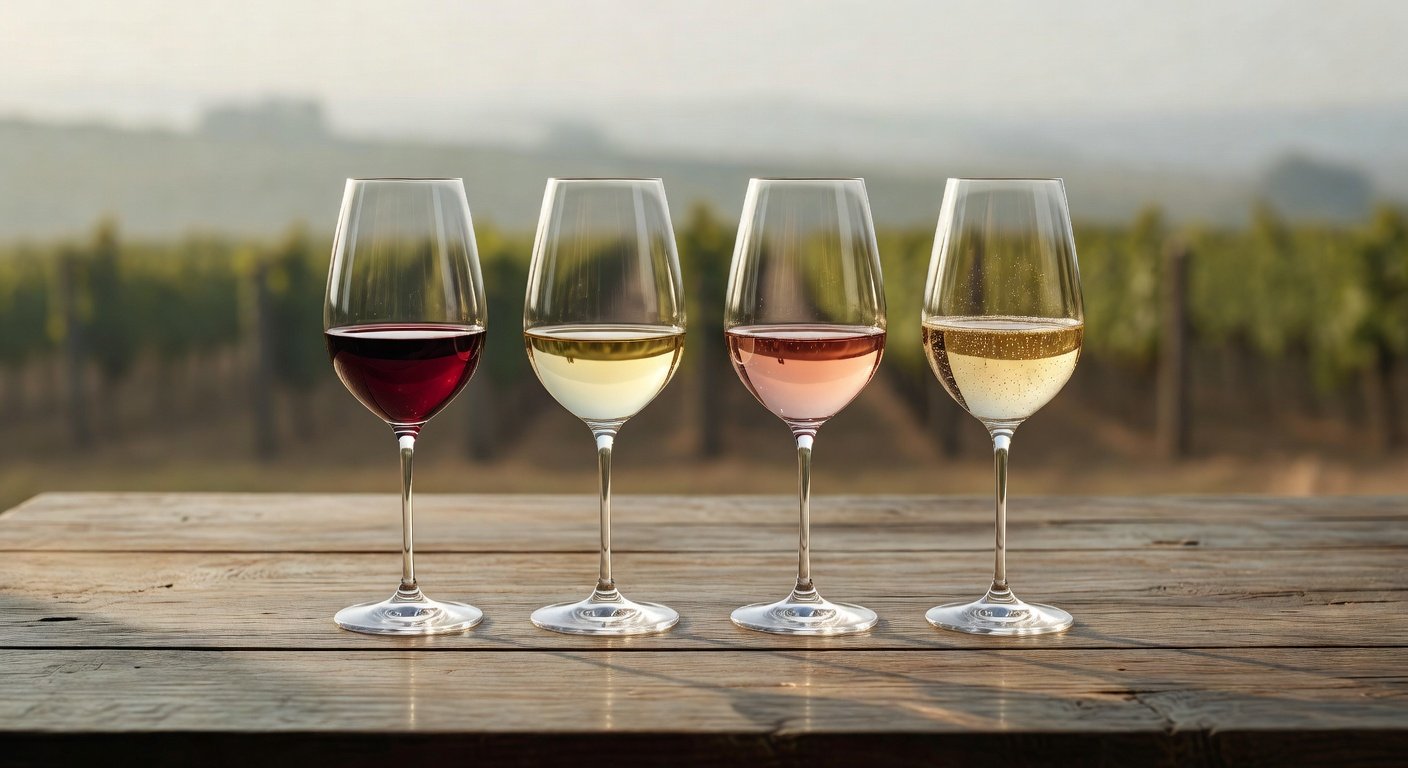
Wine glasses influence how aromas concentrate and how the liquid interacts with your palate. A universal glass with a medium bowl suits both reds and whites for everyday drinking. For more specialized tasting, choose Bordeaux-style glasses with larger bowls for bold reds or narrower tulip shapes that preserve delicate white wine bouquets. Beginners should prioritize lead-free crystal or high-quality glass sets of six to eight pieces to accommodate small gatherings. Proper glassware also affects temperature retention and visual appeal during pours. 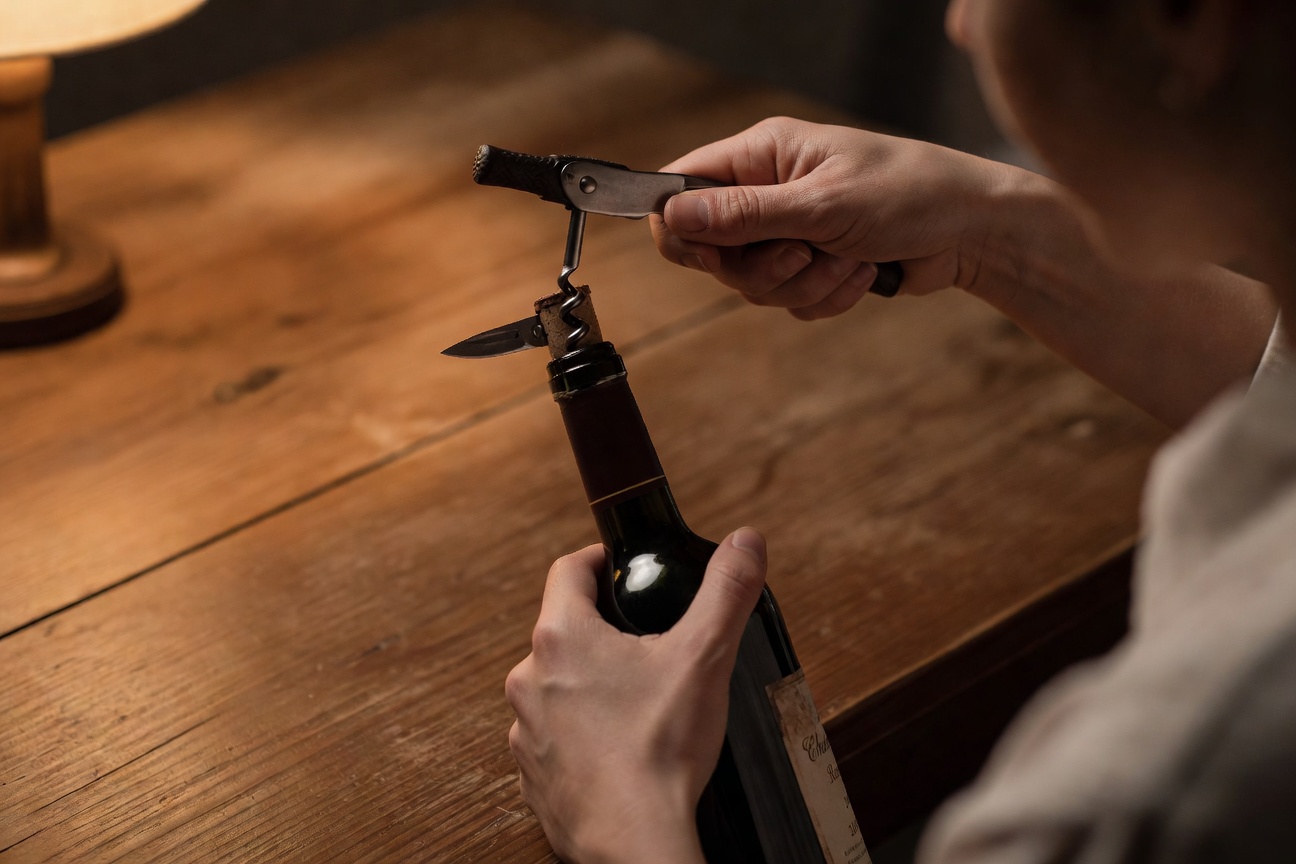
Aerators and Decanters Explained
Aeration introduces oxygen to soften tannins and release hidden flavors, particularly in young or full-bodied reds. Handheld aerators attach directly to the bottle neck and provide instant results during pouring. Decanters allow slower, more controlled exposure and double as elegant serving pieces for formal occasions. Practical examples include using an aerator for a midweek Cabernet to make it approachable immediately, versus decanting a structured Syrah hours ahead of a weekend meal. Compare materials when choosing: plastic aerators are portable and affordable while glass or crystal decanters add visual sophistication. Always rinse these items thoroughly after use to prevent residue buildup that could affect future tastings.
Additional Accessories Worth Considering
Beyond core items, several supporting tools improve daily wine handling. Vacuum stoppers preserve opened bottles by removing air, extending freshness for two to three days. Wine thermometers clip onto bottles or glasses to verify ideal serving temperatures, preventing overly chilled whites or warm reds from masking flavors. Storage racks keep bottles horizontal to maintain cork moisture and horizontal positioning. A basic drip collar prevents spills during pouring, while a foil cutter offers precision when the corkscrew model lacks one. Real-world usage shows these accessories reduce waste and elevate routine enjoyment, especially when entertaining guests or experimenting with different varietals.
Budget Versus Premium Options
Entry-level tools deliver dependable performance suitable for casual drinkers who enjoy wine a few times per month. Premium versions often feature superior materials such as polished stainless steel or hand-blown crystal that resist wear over years of regular use. Consider factors like frequency of use, storage space, and aesthetic preferences when deciding between the two tiers. Testing items in person reveals differences in weight, balance, and ease of cleaning that online descriptions may miss. Many beginners find that a balanced mid-range selection provides excellent value without overspending on features they may not utilize.
Step-by-Step Guide to Building Your Starter Kit
Follow this sequence to assemble a functional collection efficiently. First, acquire a versatile corkscrew and practice opening several bottles at home. Next, select glassware that matches your typical drinking habits. Add an aerator or decanter based on the styles of wine you enjoy most. Finally, incorporate maintenance items like stoppers and a thermometer. Keep a simple checklist to track purchases and avoid duplicates. This methodical approach prevents impulse buys and ensures each piece integrates well into your routine.
- Start with one reliable corkscrew and test it on various cork types
- Choose six to eight glasses for flexibility in serving
- Add an aerator for quick daily use and a decanter for special occasions
- Include a vacuum stopper and thermometer for preservation and temperature control
- Finish with a compact storage rack suited to your available space
Maintenance Tips for Longevity
Proper care extends the life of every accessory. Hand-wash glassware using mild detergent and avoid abrasive sponges that cause scratches. Dry corkscrews immediately after cleaning to prevent corrosion on metal components. Store aerators and decanters in a dust-free cabinet. Periodically inspect stoppers for seal integrity and replace them as needed. These habits maintain performance and hygiene, ensuring tools remain ready for spontaneous tastings.
Common Misconceptions Debunked
One frequent misconception claims that only expensive tools produce quality results. In practice, consistent technique and proper storage matter far more than brand prestige. Another myth suggests every red wine requires extensive decanting; lighter varieties often taste best without aeration. Beginners sometimes believe specialized glasses are mandatory, yet a well-chosen universal set handles most situations effectively. Understanding these points helps avoid unnecessary purchases and focuses attention on meaningful improvements.
Frequently Asked Questions
How should I store opened bottles of wine?
Apply a vacuum stopper promptly and keep the bottle upright in a cool, dark location. Most wines remain enjoyable for two to three days when treated this way.
Are premium accessories necessary for beginners?
Mid-range options provide strong performance for most new enthusiasts. Upgrade selectively once you identify which tools see the heaviest use.
What resources offer guidance on safe wine storage practices?
Consult TTB.gov for regulatory information on handling and storage. The Wine Institute also provides educational materials on responsible consumption and preservation.
How do I clean crystal decanters without damaging them?
Use warm water and a mild solution with decanter beads or a soft brush. Rinse thoroughly and air-dry upside down on a rack.
Can I travel with wine tools like corkscrews?
Pack them in checked luggage when flying, as many security rules restrict sharp items in carry-on bags.
Conclusion
Assembling a thoughtful wine toolkit in 2026 creates lasting enjoyment and confidence at every stage of tasting. Prioritize versatile pieces, maintain them carefully, and expand gradually based on personal preferences. With these foundations in place, each bottle becomes an opportunity to explore new flavors and refine your palate over time.
No comments yet. Be the first!