 Uncorked Conversations
Introduction to Wine for Beginners
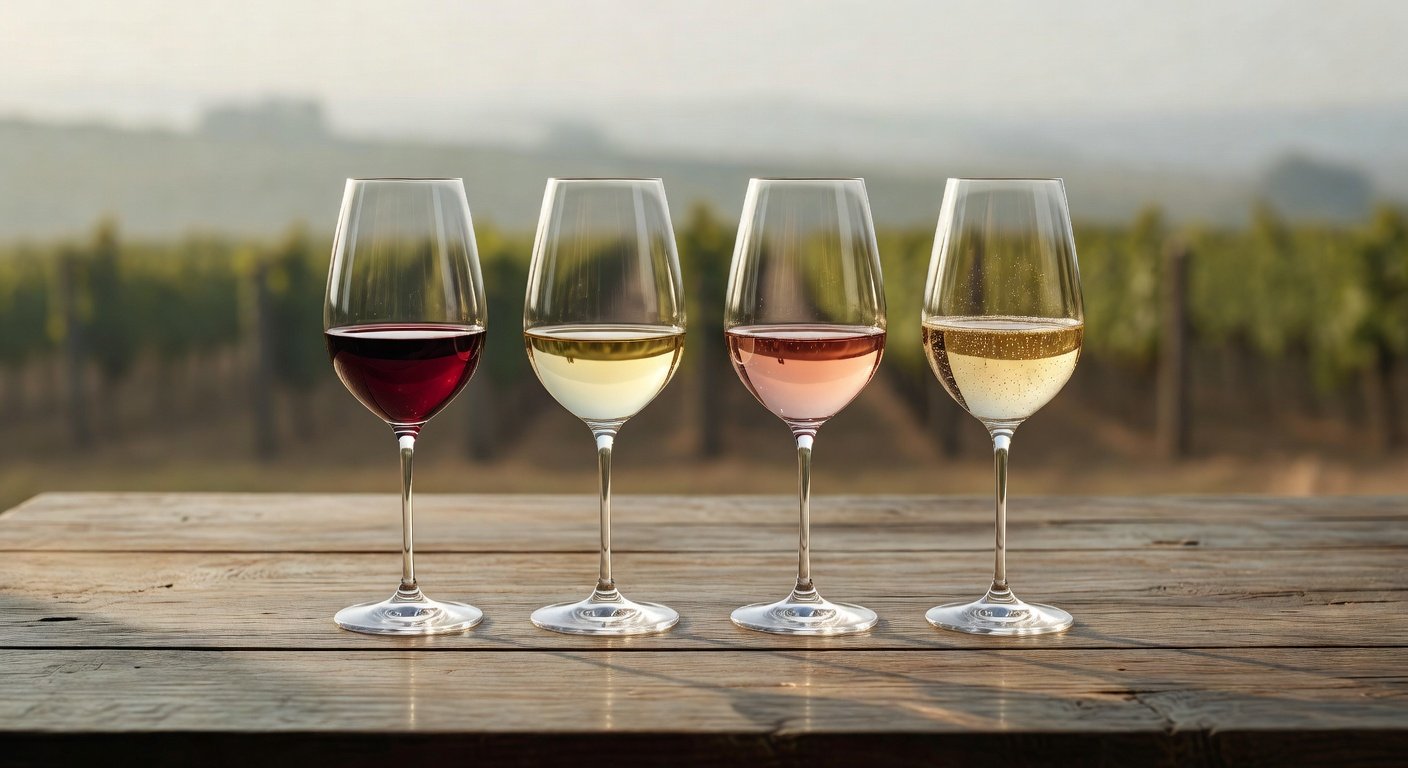
Welcome to Wine 101, your straightforward guide to understanding the main types of wine in 2026. Whether you are new to wine or simply want to build a solid foundation, this article breaks down red, white, rosé, and sparkling wines in depth. You will learn how each style is made, typical flavors, acidity levels, body characteristics, and easy regional examples to help you shop confidently and enjoy wine more fully.
Wine starts with fermented grape juice. The process differs based on grape color, skin contact time, fermentation temperature, and whether a second fermentation adds bubbles. These choices create the four core categories beginners encounter most often. By understanding these fundamentals, you can better predict how a wine will taste and which foods it will complement.
Understanding Wine Production Basics
Every wine begins with grapes harvested at optimal ripeness. Red wines ferment with grape skins, which add color, tannins, and deeper flavors. White wines usually have skins removed before fermentation, resulting in lighter color and crisper taste. Rosé sits in between, gaining just enough skin contact for its pink hue without heavy tannins. Sparkling wines undergo a second fermentation that traps carbon dioxide, creating the signature bubbles.
Acidity keeps wine refreshing and helps it age, while body refers to how heavy or light it feels in your mouth. Light-bodied wines feel delicate and easy to drink; full-bodied wines feel rich and velvety. Winemakers control these traits through grape selection, fermentation length, oak aging, and blending. Climate also plays a major role, with cooler regions producing higher acidity and warmer areas yielding riper fruit flavors.
Red Wines: Bold, Tannic, and Versatile
Red wines range from light and fruity to full-bodied and structured. Common flavor notes include cherry, plum, blackberry, raspberry, and sometimes vanilla, chocolate, or spice from oak aging. They typically show medium to high tannins, which create a drying sensation on the tongue and help wines age gracefully. Acidity in reds is usually medium, balancing the fruit and structure.
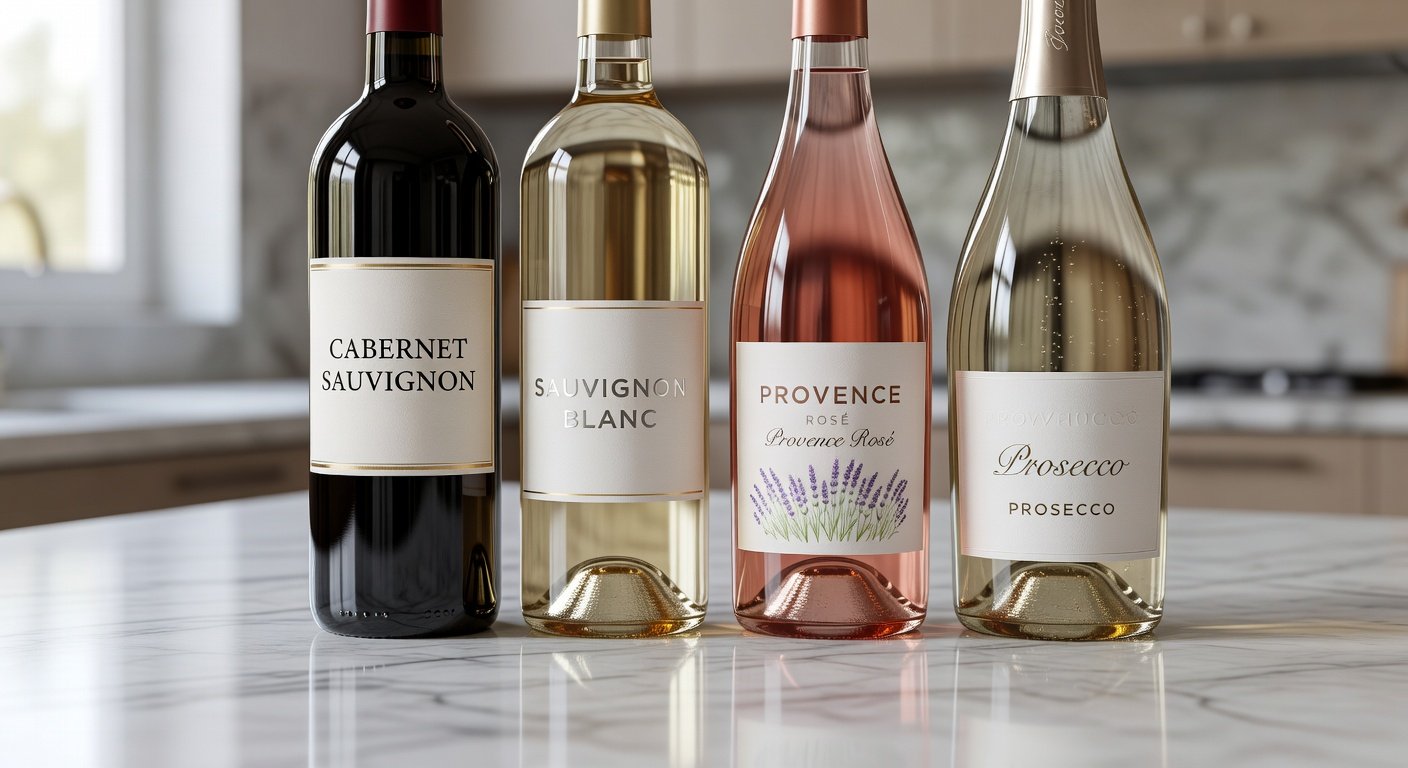
Popular regions include Bordeaux in France for Cabernet Sauvignon and Merlot blends that offer cassis and cedar notes. Tuscany in Italy produces Sangiovese-based Chianti with bright cherry and herbal undertones. California’s Napa Valley delivers bold Cabernet Sauvignon with rich black fruit and firm tannins. For lighter options, Pinot Noir from Burgundy offers bright red fruit, earth, and lower tannins that make it food-friendly.
Other examples include Malbec from Argentina’s Mendoza region, known for plush plum flavors, and Syrah from Australia’s Barossa Valley, which brings peppery spice and dark fruit. Try a young Beaujolais from France for an easy entry into reds. Its juicy strawberry notes and low tannins make it approachable for beginners.
White Wines: Crisp, Aromatic, and Refreshing
White wines deliver bright acidity and flavors such as citrus, green apple, peach, pear, or tropical fruit. They lack tannins, so they feel lighter and more refreshing on the palate. Some styles are aged in oak for creamy texture and notes of butter, vanilla, or toast, while others remain unoaked to highlight pure fruit.
Classic examples come from the Loire Valley in France for Sauvignon Blanc with zesty grapefruit and herb aromas. Germany’s Mosel region produces Riesling that ranges from bone-dry to sweet, often showing lime and petrol notes with age. New Zealand’s Marlborough area is famous for vibrant Sauvignon Blanc with passionfruit and gooseberry character. Chardonnay from Burgundy offers elegant minerality, while California versions can be richer and oaked.
Additional options include Pinot Grigio from Italy’s Veneto for crisp apple flavors and Albariño from Spain’s Rías Baixas for saline, citrus-driven whites. Start with a stainless-steel Sauvignon Blanc from New Zealand. Its vibrant lime and herb aromas pair well with salads, seafood, and goat cheese.
Rosé Wines: The Perfect Middle Ground
Rosé wines gain their color from brief skin contact during production, usually a few hours to a couple of days. Flavors often include strawberry, watermelon, raspberry, and floral notes with refreshing acidity. Most rosés are light-bodied and best served chilled, making them ideal for warm weather or casual sipping.
Provence in France produces the benchmark dry rosé with pale color and delicate red fruit. Spain’s Rioja region offers slightly fuller versions with strawberry and citrus. California makes fruit-forward styles from Grenache or Syrah. Other strong examples include rosé from the Loire Valley using Cabernet Franc and from Italy’s Puglia using Negroamaro.
These wines bridge the gap between red and white, offering versatility with food from grilled vegetables to lighter meats. Their moderate acidity and low tannins make them forgiving for new drinkers.
Sparkling Wines: Celebration in Every Sip
Sparkling wines contain dissolved carbon dioxide from a second fermentation inside the bottle or tank. Champagne from France uses Chardonnay, Pinot Noir, and Pinot Meunier grapes and undergoes aging on lees for complex brioche and nutty flavors. Italy’s Prosecco offers lighter bubbles and pear, apple, and floral notes from Glera grapes using the tank method. Spain’s Cava provides excellent value with traditional-method bubbles and flavors of citrus and almond.
Flavor profiles range from crisp apple and citrus in Brut styles to sweeter peach and honey in Demi-Sec versions. Acidity stays high to balance any residual sugar. Other sparkling styles include England’s emerging sparkling wines from Chardonnay and Pinot Noir, and South Africa’s Cap Classique.
Beginners often enjoy Prosecco for its gentle bubbles, approachable fruit, and lower price point compared with Champagne. Serve all sparkling wines well chilled to preserve the effervescence.
How Body and Acidity Shape Your Experience
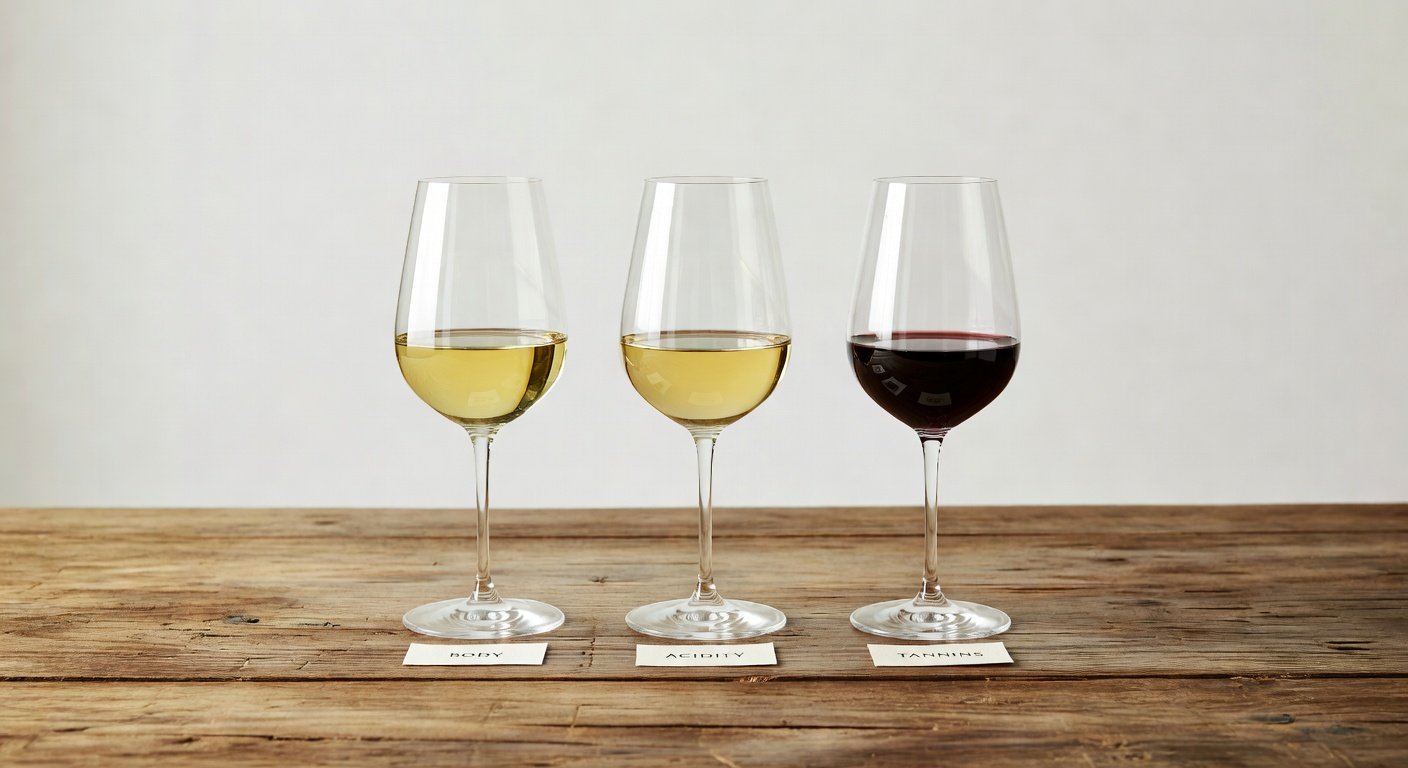
Body and acidity are key to understanding why wines taste different. High-acidity wines feel mouthwatering and pair well with rich foods, cutting through fat. Low-acidity wines taste softer and rounder. Light body suits delicate dishes, while full body stands up to hearty meals. Experimenting with these traits helps you discover preferences quickly.
Side-by-Side Comparison of Popular Options
- Body: Red wines range from light (Pinot Noir) to full (Cabernet Sauvignon); whites are usually light to medium; rosé is light; sparkling varies but often feels light due to bubbles.
- Acidity: Whites and sparkling typically show the highest acidity; reds are medium; rosé is bright and refreshing.
- Food Pairings: Reds suit grilled meats and aged cheeses; whites complement fish, poultry, and vegetables; rosé works with charcuterie and salads; sparkling pairs with appetizers or creamy desserts.
- Serving Temperature: Reds at 60–65°F, whites and rosé at 45–55°F, sparkling at 40–50°F.
- Storage: Keep all wines away from heat and light; reds can age longer than most whites and rosés.
Step-by-Step Guide to Choosing Your First Bottle
- Decide your preferred flavor profile: fruity and light, crisp and dry, or rich and bold.
- Check the label for grape variety, region, and vintage year.
- Start with well-known producers from reputable areas like California, France, or Italy.
- Visit a local wine shop or use reputable online retailers and ask for recommendations in your price range.
- Buy a half-bottle or split a case to try several styles without large commitment.
- Keep notes on what you like about each wine to refine future choices.
Resources such as Decanter and Wine Spectator offer reliable beginner buying guides updated regularly. Another helpful source is the Wine Institute for educational overviews on California wines.
Common Mistakes Beginners Should Avoid
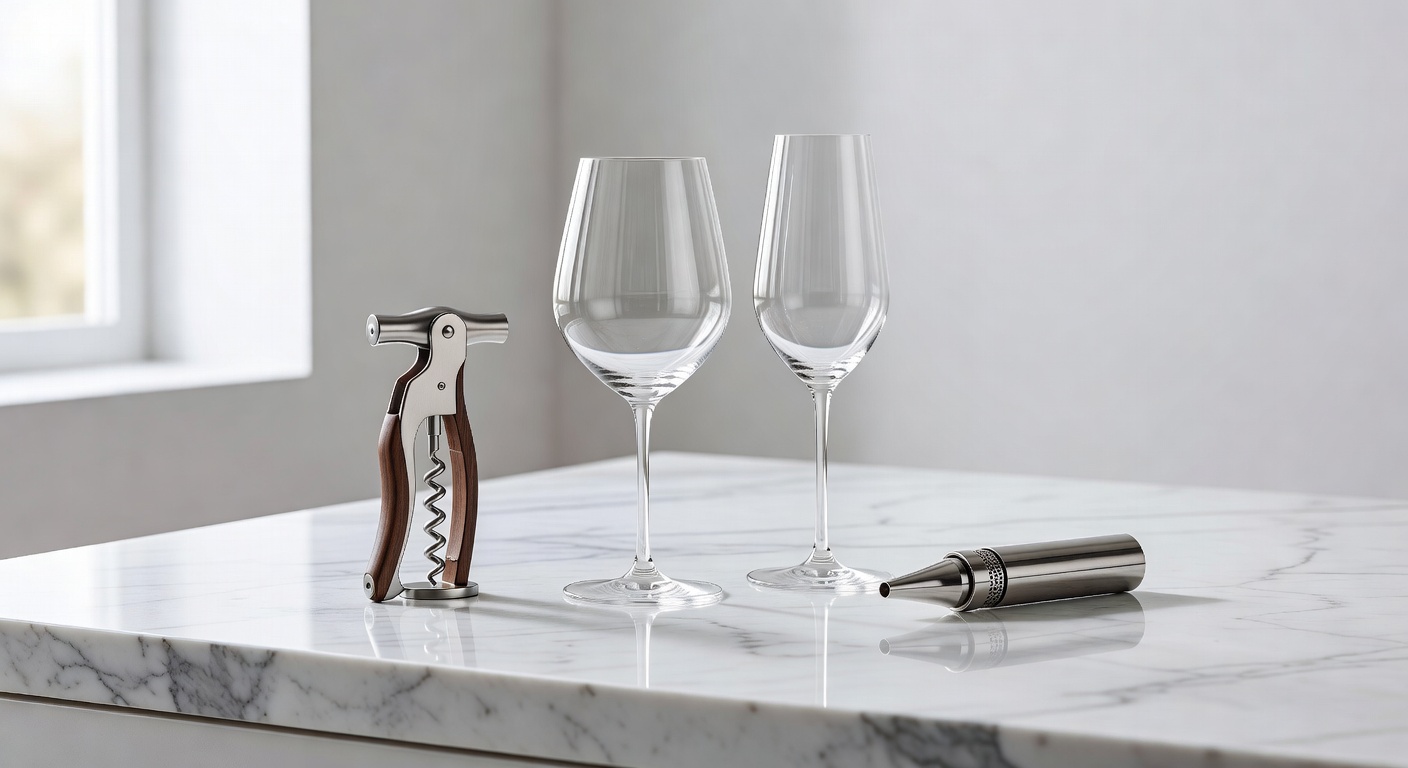
Many new wine drinkers serve reds too warm or chill whites too much, muting flavors. Another frequent error is ignoring food pairings, which can make a good wine taste ordinary. Avoid assuming expensive wines are always better; many affordable bottles from good regions deliver excellent quality. Finally, do not store open bottles upright for days; use a vacuum stopper or finish the bottle within a couple of days.
Conclusion
Understanding the four main wine types empowers you to explore with confidence. Start with easy bottles, note what you enjoy about body, acidity, and flavors, and expand from there. Wine appreciation grows with every glass you try and every new region you discover.
Frequently Asked Questions
Which wine has the least tannins?
White wines and most rosés contain virtually no tannins because skins are removed early in production.
Is rosé just a mix of red and white wine?
No. True rosé comes from red grapes with limited skin contact. Mixing is rare and usually not permitted in quality regions.
What is the easiest sparkling wine for beginners?
Prosecco offers gentle bubbles and approachable fruit flavors at a friendly price point and is widely available.
How does climate affect wine styles?
Cooler climates produce wines with higher acidity and lighter body, while warmer climates yield riper fruit and fuller body.
Should I age entry-level wines?
Most beginner-friendly bottles are meant to be enjoyed young, within one to three years of purchase, for optimal freshness.
No comments yet. Be the first!