 Uncorked Conversations
Introduction to Wine Fundamentals
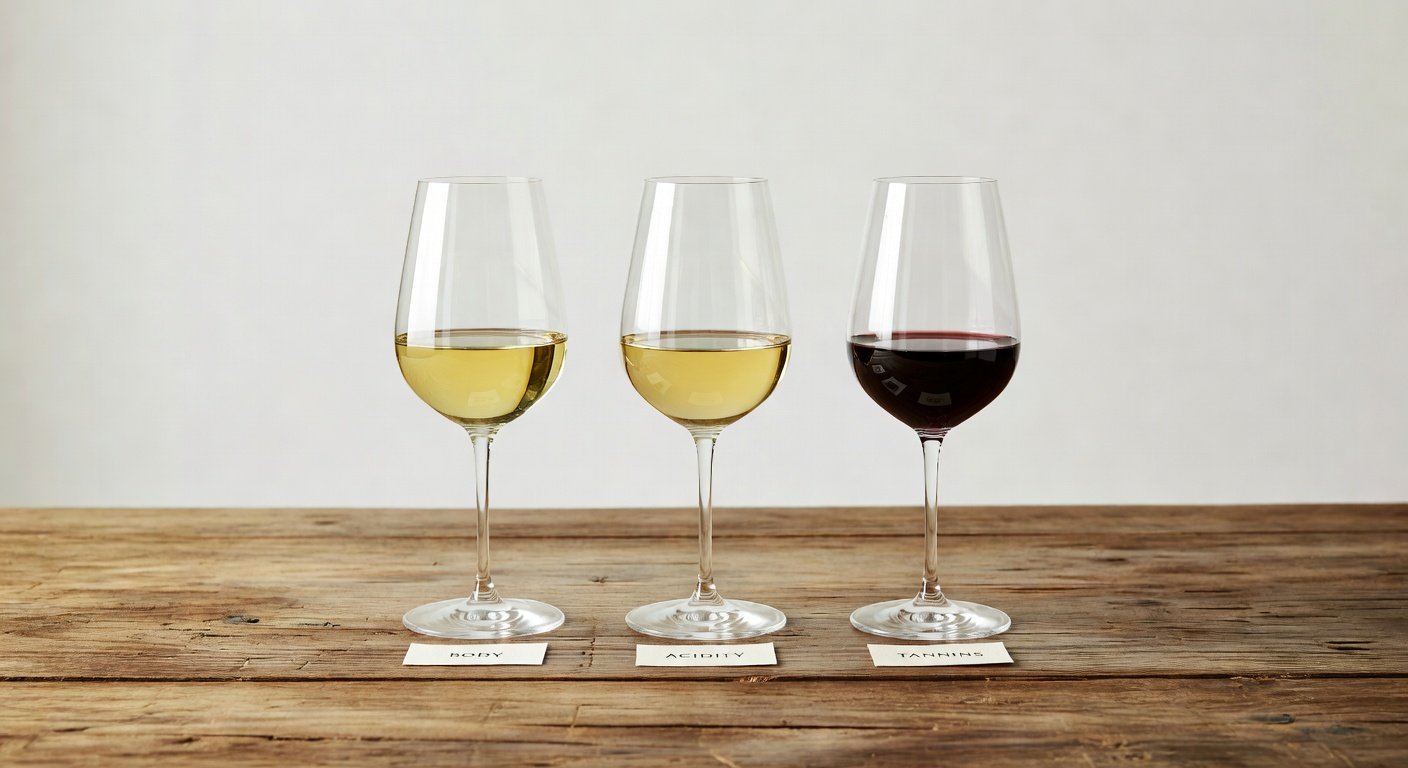
Wine tasting goes far beyond simply sipping and swallowing. For beginners eager to move past basic steps, understanding wine body, acidity, and tannins unlocks a deeper appreciation of how each bottle delivers flavor, texture, and balance. These three components work together to create the overall profile you experience in every glass.
Think of them as the backbone of wine. Body provides weight and mouthfeel, acidity brings brightness and freshness, and tannins add structure and complexity. Mastering how to identify and balance them helps you choose bottles that match your preferences and food pairings.
What Is Wine Body and How Does It Feel?
Wine body refers to the perceived weight and texture in your mouth, ranging from light to full. Light-bodied wines feel delicate and refreshing, similar to skim milk. Full-bodied wines coat the palate with richness, like whole milk or cream. Medium-bodied options sit comfortably in between.
Alcohol content, grape variety, and winemaking techniques all influence body. A light Pinot Grigio from northern Italy offers crisp refreshment with subtle fruit notes, while a bold Cabernet Sauvignon from Napa Valley delivers intense dark fruit and velvety texture. Climate plays a role too—cooler regions tend to produce lighter wines, whereas warmer areas yield fuller styles.
Understanding Acidity in Wine
Acidity gives wine its lively, mouth-watering quality. High-acidity wines taste zesty and crisp, making your mouth pucker slightly, while low-acidity wines feel softer and rounder. This element preserves freshness and helps wines age gracefully.
Acidity directly affects flavor perception. High acidity can make fruit flavors seem brighter and more vibrant, while balancing sweetness in dessert wines. During tasting, note how saliva production increases with higher acidity levels.
Step-by-step identification: Swirl the wine, take a sip, and hold it on your tongue. Does it feel sharp and tingling or smooth and mellow? Compare a high-acid Sauvignon Blanc to a low-acid Chardonnay to train your palate.
Tannins: The Structure Behind Red Wines
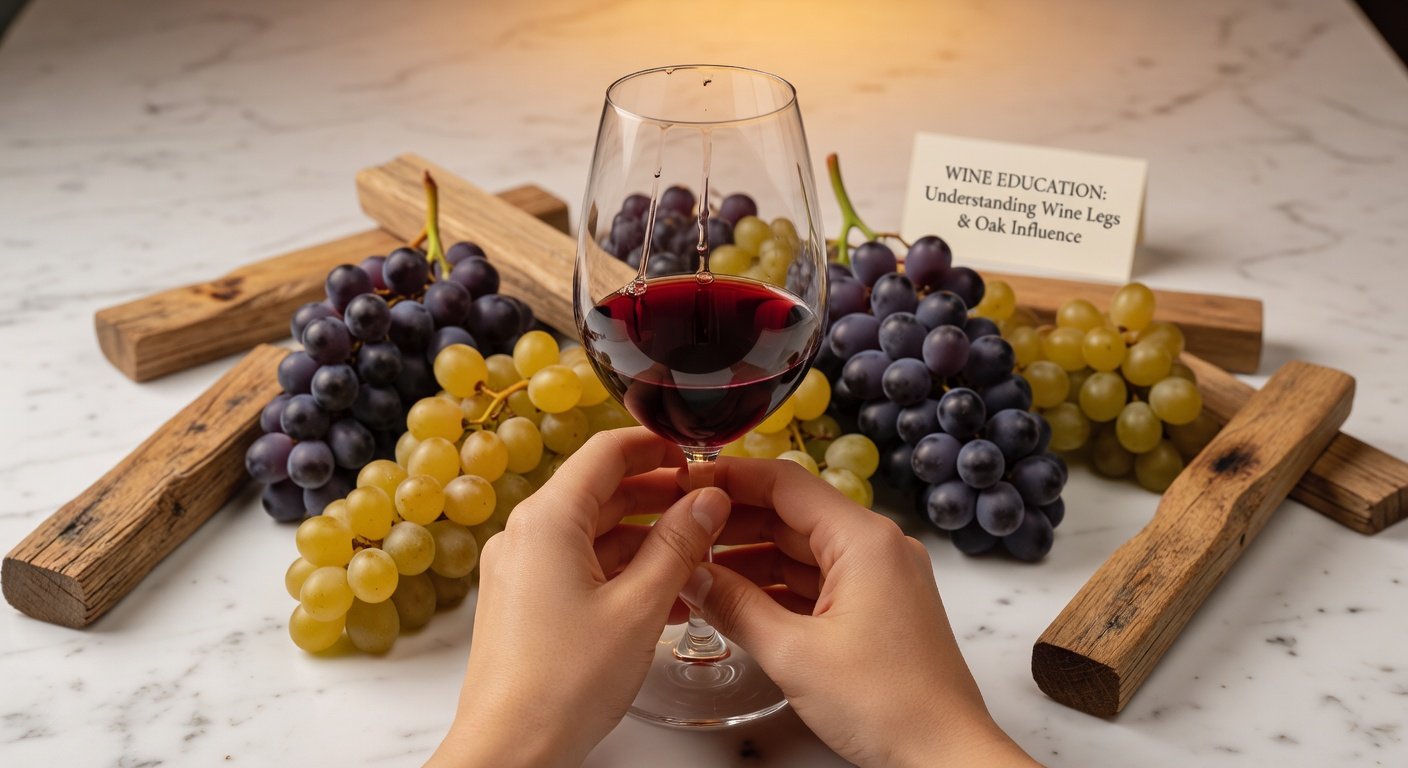
Tannins are natural compounds found in grape skins, seeds, and oak barrels. They create a drying, astringent sensation that grips the sides of your tongue. White wines usually have minimal tannins, but reds showcase them prominently.
Tannins provide aging potential and food-pairing versatility. Young tannins taste bitter and grippy, but they soften over time into velvety smoothness. Examples include the firm tannins in a young Bordeaux versus the silky ones in an aged Brunello di Montalcino.
Wine Folly offers excellent visual guides to tannin development across different vintages.
How These Elements Influence Flavor Perception
Body, acidity, and tannins interact constantly. High acidity can cut through rich body, while tannins add backbone that prevents wines from tasting flabby. In a light Pinot Grigio, bright acidity and light body create a clean, citrus-forward experience. A full-bodied Cabernet balances heavy tannins with ripe fruit and moderate acidity for depth and longevity.
Quick Reference Chart: Body, Acidity & Tannins
| Wine Style | Body | Acidity | Tannins |
|---|---|---|---|
| Pinot Grigio | Light | High | Low |
| Sauvignon Blanc | Light-Medium | Very High | Low |
| Chardonnay | Medium-Full | Medium | Low-Medium |
| Merlot | Medium | Medium | Medium |
| Cabernet Sauvignon | Full | Medium-High | High |
Practical Tips for Selecting Bottles
Match wine traits to your taste preferences. Love crisp, refreshing wines? Seek high-acidity, light-bodied options like Pinot Grigio or Riesling. Prefer bold, structured reds? Opt for full-bodied Cabernet with noticeable tannins.
Consider food pairings: High-acidity wines cut through creamy sauces, while tannins complement rich meats. Start with versatile medium-bodied wines if you're unsure.
Tasting Exercise Ideas for Beginners
- Line up three wines: a light white, medium red, and full red. Note body differences first.
- Compare acidity by tasting the same grape from different regions.
- Blind taste two reds and describe tannin grip levels.
Practice weekly to build confidence. Resources like Decanter provide tasting grids for structured practice.
FAQ: Balancing Traits in Food Pairings
How do I balance acidity with spicy foods? Choose off-dry wines with moderate acidity to tame heat without overwhelming flavors.
Can tannins clash with certain dishes? Avoid pairing high-tannin reds with delicate fish; opt for lighter reds or whites instead.
What if a wine feels unbalanced? Decant tannic wines or pair them with fatty foods to soften perception.
Explore further with expert guidance from Wine Enthusiast for advanced pairing strategies.
No comments yet. Be the first!