 Uncorked Conversations
Introduction: Confidently Ordering Wine Without the Stress
Ordering wine at a restaurant can feel intimidating for beginners, especially when faced with lengthy menus and unfamiliar terms. This comprehensive guide breaks down the process step by step, helping you navigate wine lists with ease in 2026. Whether you're dining for a casual meal or a special occasion, you'll learn how to choose confidently while matching wines to your food, budget, and preferences.
Restaurants design their wine menus to offer variety, but understanding the layout removes the mystery. By the end of this article, you'll know exactly what to look for and how to communicate with servers or sommeliers effectively.
Understanding the Structure of Typical Wine Menus
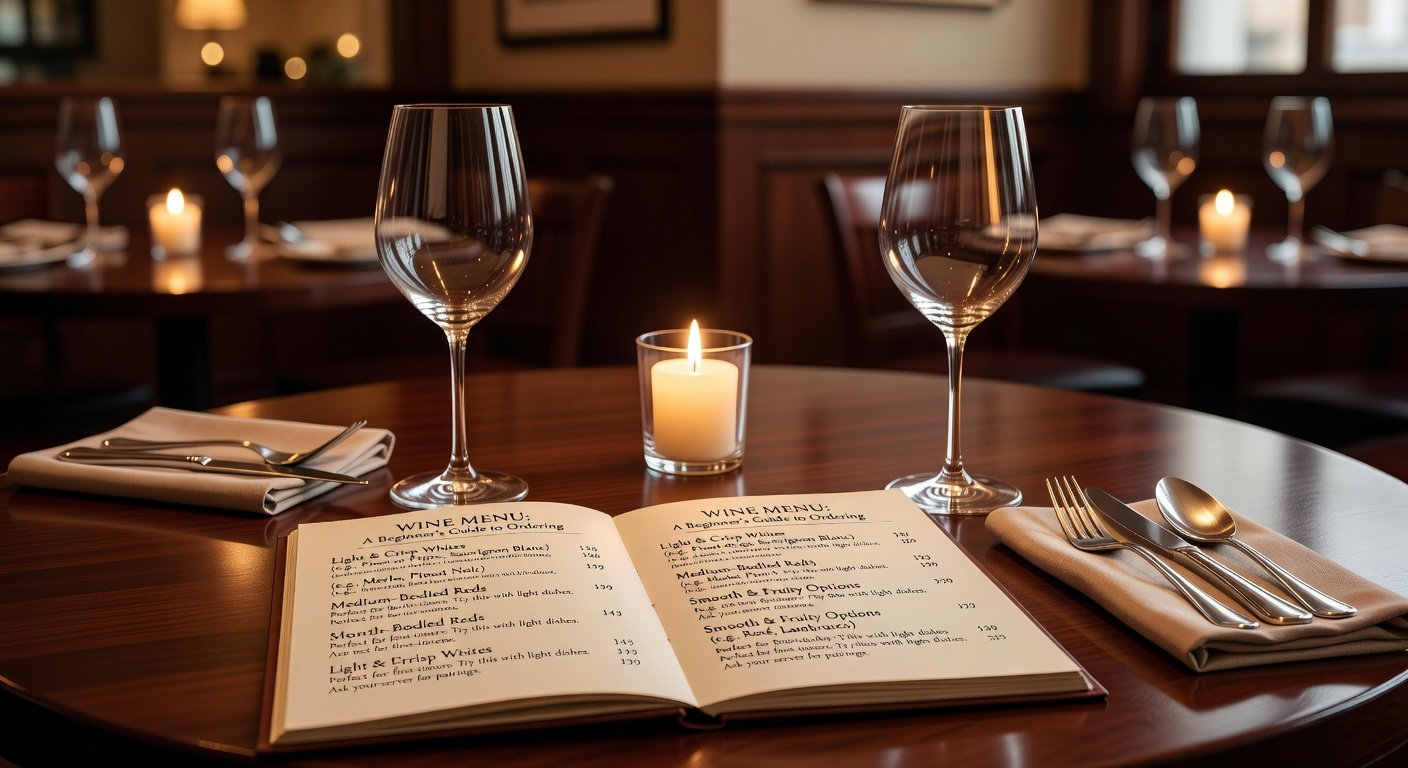
Most restaurant wine lists follow a logical organization. Wines are often grouped by type—sparkling, white, rosé, red, and dessert—then further sorted by region or varietal. Some menus highlight “house wines” or staff picks at the top for easy entry points.
Look for sections labeled “by the glass” and “bottles.” By-the-glass options allow you to sample without committing to a full bottle, ideal for trying something new. Bottle lists provide more depth and better value for groups. Check for tasting notes or food-pairing suggestions printed beside each selection—these clues help match wines to your meal.
Key Terms: By the Glass vs. Bottles Explained
Understanding basic terminology makes ordering smoother. “By the glass” means you order a single serving, usually 5 ounces, allowing flexibility to try multiple wines. Bottles typically contain 750ml and serve 4–6 people, offering better value per ounce for larger parties.
Other common phrases include “reserve” for higher-end selections, “bin number” referring to the menu code for quick reference, and “vintage” indicating the harvest year. Sommeliers use these terms to guide recommendations based on your taste preferences.
Matching Wines to Dishes and Budgets
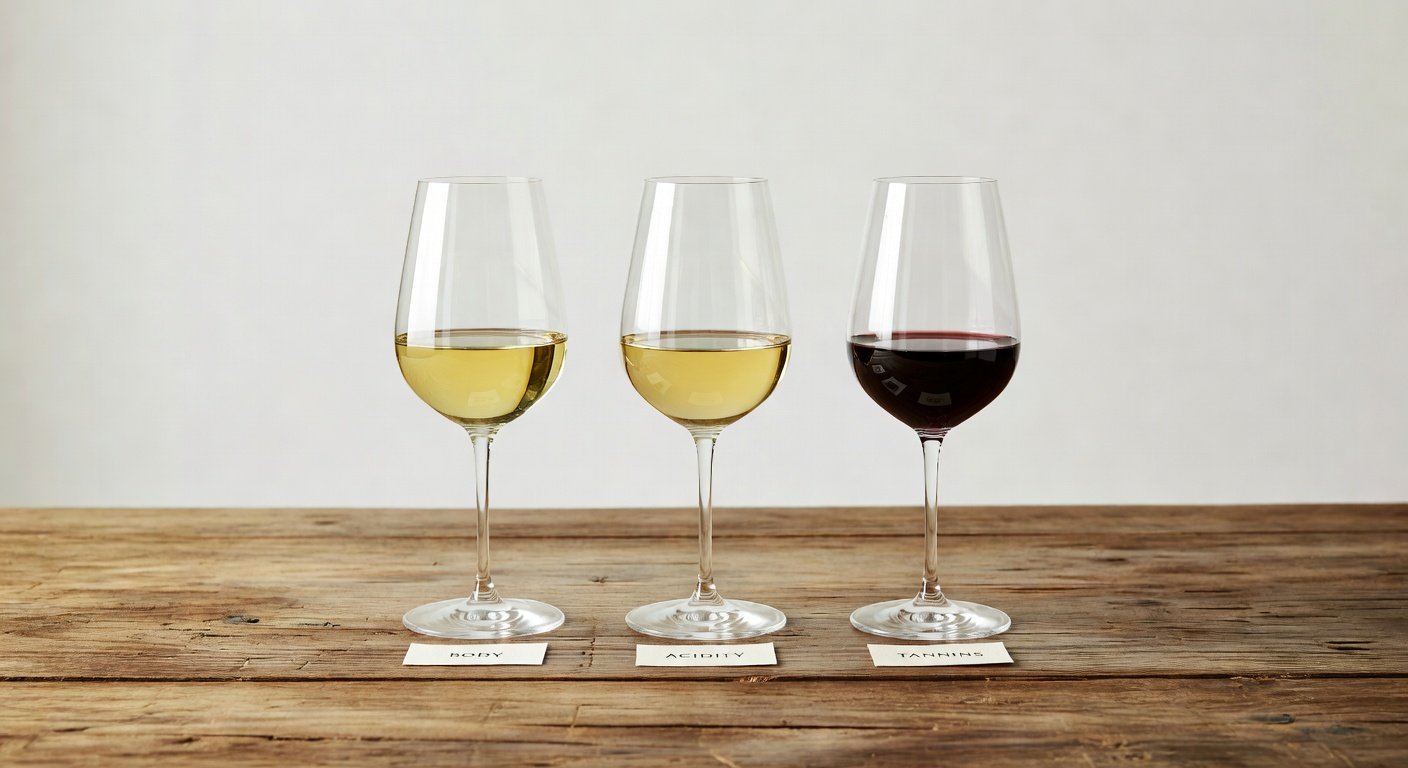
Pairing wine with food enhances both. Light whites like Sauvignon Blanc complement seafood and salads, while bolder reds such as Cabernet Sauvignon pair well with steak or rich pasta dishes. Consider acidity, tannins, and sweetness levels—crisp, high-acid wines cut through fatty foods, while tannins balance proteins.
For budgets, focus on quality over price tags. Ask about options in your range rather than fixating on numbers. Many restaurants offer excellent choices across price points, and staff can steer you toward hidden gems that deliver flavor without excess cost.
Step-by-Step Process for Ordering Wine
- Scan the list for familiar varietals. Start with grapes you recognize, such as Chardonnay or Pinot Noir, then branch out.
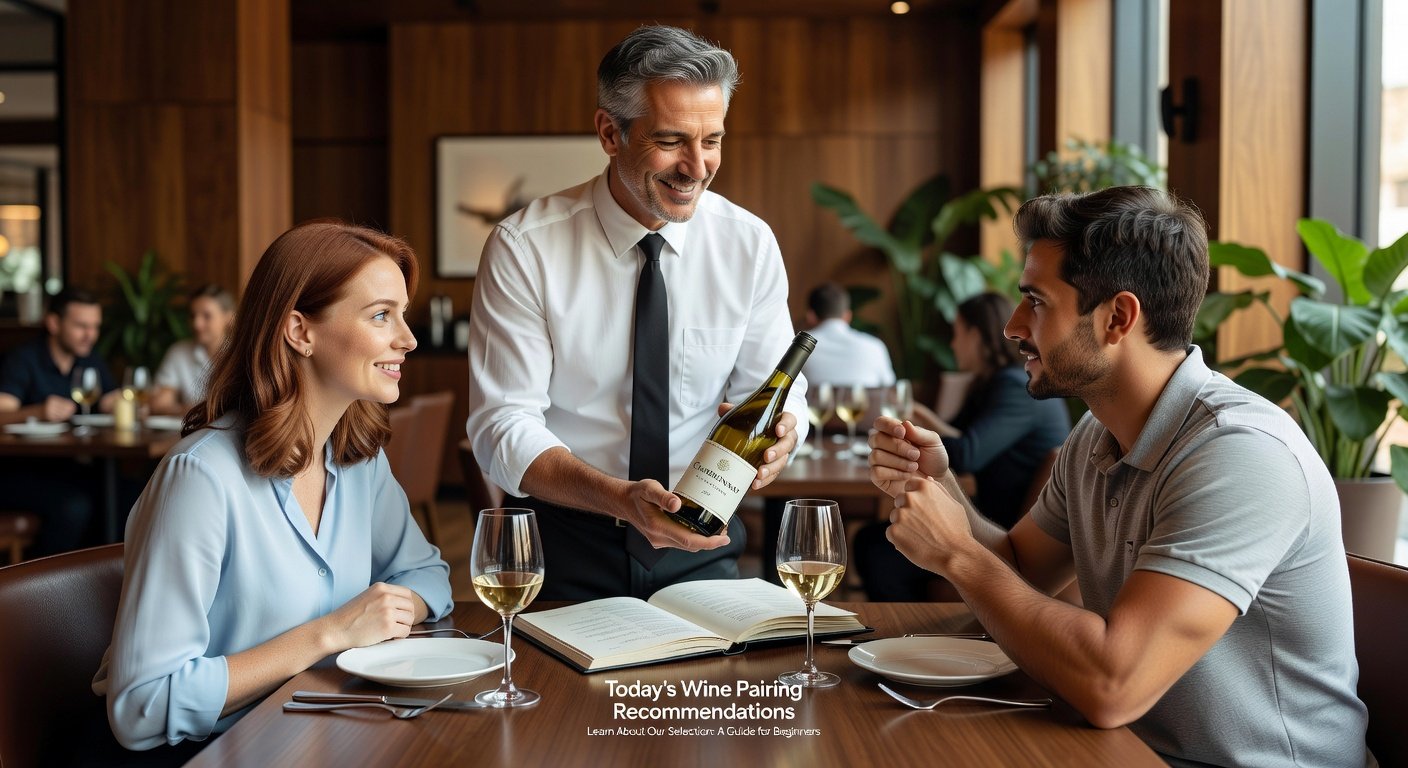
- Ask the sommelier smart questions. Inquire about acidity, body, and pairings: “What would you recommend with the salmon that’s medium-bodied and not too oaky?”
- Sample if possible. Many establishments offer a small taste before committing to a glass or bottle—use this opportunity to confirm the choice.
- Confirm the order clearly. State the wine name, vintage if relevant, and quantity (glass or bottle) to avoid mix-ups.
Real-World Beginner-Friendly Order Examples
Try simple, descriptive requests like “a crisp white wine that pairs with chicken” or “a light red under your mid-range selections.” These phrases show engagement without requiring expert knowledge. For groups, a versatile sparkling wine often pleases everyone and works across appetizers and mains.
Common Pitfalls to Avoid
- Never feel pressured into the most expensive bottle—focus on your preferences instead.
- Avoid skipping the food pairing conversation; mismatched wines can dull flavors.
- Don’t hesitate to ask for clarification on terms—sommeliers appreciate engaged guests.
- Steer clear of ordering solely by price or label recognition without checking the description.
FAQ: Tipping, Recommendations, and More
How much should I tip for wine service?
Standard gratuity applies to the full bill, including wine. If a dedicated sommelier provides exceptional guidance, an additional 5–10% on the wine portion is a thoughtful gesture.
What if I don’t like the recommended wine?
Politely explain your preference and ask for an alternative. Good restaurants prioritize guest satisfaction and will happily suggest another option.
Can I bring my own wine?
Some venues allow corkage for a fee. Call ahead to confirm policies and avoid surprises.
For more foundational knowledge on wine styles, explore resources from Wine Folly and the Court of Master Sommeliers. With these tools, your next restaurant visit will feel approachable and enjoyable.
No comments yet. Be the first!